2012 Ram 2500 Rear Bumper Specifications, Replacement, [2026]

For the 2012 Ram 2500, the rear bumper is far more than a decorative chrome or painted trim piece; it serves as a critical structural component engineered for impact protection and heavy-duty towing performance. As part of the Fourth Generation Ram heavy-duty lineup, this bumper is the first line of defense for the vehicle’s rear chassis and a primary mounting point for essential utility features. Many owners face a range of challenges with their factory units, from the pervasive oxidative corrosion common in northern “salt belt” climates to structural deformation resulting from demanding job site use. Replacing or upgrading this component requires a nuanced understanding of factory standards, mounting tolerances, and material science. This comprehensive guide provides a professional analysis of the 2012 Ram 2500 rear bumper, delivering expert insights into engineering specifications, towing integration, and the selection of reliable, high-quality aftermarket upgrades.
Section 1: Engineering Specifications and Structural Integrity of the 2012 Ram 2500 Rear Bumper
The 2012 Ram 2500 chassis represents a significant era in heavy-duty engineering, utilizing high-strength steel throughout the rear section to handle the immense torque and load capacities of the 6.7L Cummins Turbo Diesel and 5.7L HEMI powertrains. The rear bumper is an extension of this philosophy. Unlike the lighter-duty Ram 1500, which may prioritize aerodynamics and weight reduction, the 2500-series bumper focuses on maximum impact resistance and rigid frame integration.
Material Composition and Gauge Thickness
The OEM (Original Equipment Manufacturer) bumper for the 2012 Ram 2500 typically features 11-gauge high-strength steel. In contrast, many half-ton alternatives use thinner 14-gauge or even 16-gauge steel to save weight. This 11-gauge construction is essential for resisting the “oil-canning” effect (flexing) under the weight of a person using the step bumper or during minor low-speed collisions. The steel is either triple-nickel chrome-plated for a classic aesthetic or treated with a multi-stage e-coat and textured black powder coat for superior corrosion resistance.
Mounting Architecture and Frame Interface
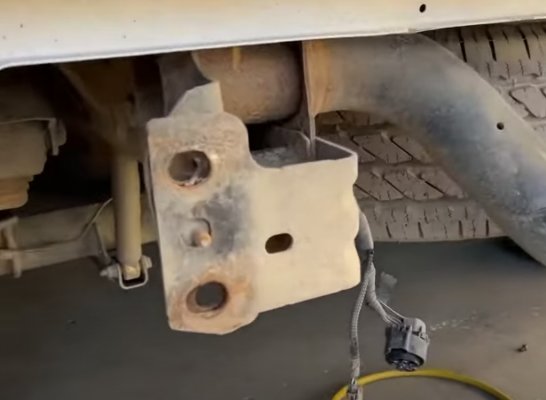
The mounting bracket architecture for the Fourth Generation Ram is specifically designed to interface with heavy-duty boxed frame rails. For the 2012 model year, the rear frame width is approximately 34 inches. Precision is paramount here; the bumper brackets must align perfectly with the factory-drilled frame holes to ensure that impact energy is distributed evenly across the chassis rather than shearing the mounting bolts. This alignment also ensures that the bumper sits level, maintaining the critical “gap” between the bumper top and the tailgate bottom, preventing contact damage when the chassis flexes under load.
By The Numbers: OEM Specifications
Steel Thickness
Frame Width
Max Tongue (Step)
Section 2: Integrating Towing Components and Electrical Connectivity
A trusted rear bumper for the 2012 Ram 2500 must facilitate seamless towing operations. The bumper is not just a shield; it is a hub for electrical connectivity and a secondary (or primary) load-bearing structure for trailers. Professional installation requires a deep understanding of how these systems interact to prevent electrical shorts or mechanical failures.
Trailer Wiring and Harness Positioning
The 2012 Ram 2500 typically features a dual-connector setup housing both 4-pin and 7-pin trailer wiring. When replacing the bumper, the positioning of this bracket is vital for weather protection. Expert installers prefer mounting the connectors slightly recessed or behind a spring-loaded door to prevent road debris from fouling the pins. I highly recommend utilizing “Plug-and-Play” T-connectors during installation rather than hard-wiring. Hard-wiring often involves stripping factory insulation, which introduces moisture and leads to the “green crust” corrosion that plagues Ram electrical systems over time.
Hitch Clearance and SAE J684 Standards
Most Ram 2500 owners utilize a Class IV or Class V frame-mounted receiver hitch. The rear bumper must offer adequate clearance for the hitch mouth and safety chain loops. Furthermore, the step bumper itself often carries a weight rating. Per SAE J684 standards, the standard step bumper on a 2012 Ram 2500 is typically rated for a 5,000 lbs gross trailer weight (GTW) and a 500 lbs tongue weight. If your towing needs exceed this, the frame-mounted receiver must be the primary point of contact, and the bumper must not interfere with the hitch’s structural arc.
Safety Systems: ParkSense Sensor Calibration
If your Ram is equipped with the ParkSense ultrasonic backup sensors, the bumper replacement must include precise cutouts for the sensor bezels. These sensors are sensitive to the angle of installation; even a minor 5-degree tilt can cause “ghosting” (false alarms) or create blind spots in the detection field. Ensure the sensors are cleaned with a non-abrasive solution before being transferred to the new bumper to maintain reliable system performance.
When transferring ParkSense sensors to a new bumper, use a small amount of silicone-based lubricant on the bezel seals. This prevents the rubber from binding and ensures the sensor sits flush against the steel, reducing vibration interference.
Section 3: Selection Criteria for Quality Aftermarket and Steel Plate Upgrades
For owners who demand more than the factory unit can provide—particularly in ranching, construction, or off-road environments—the aftermarket offers a range of heavy-duty solutions. Moving beyond OEM requires a nuanced understanding of weight distribution and material grades.
Plate Steel vs. Pipe Bumpers
There are two primary categories of heavy-duty upgrades for the 2012 Ram 2500:
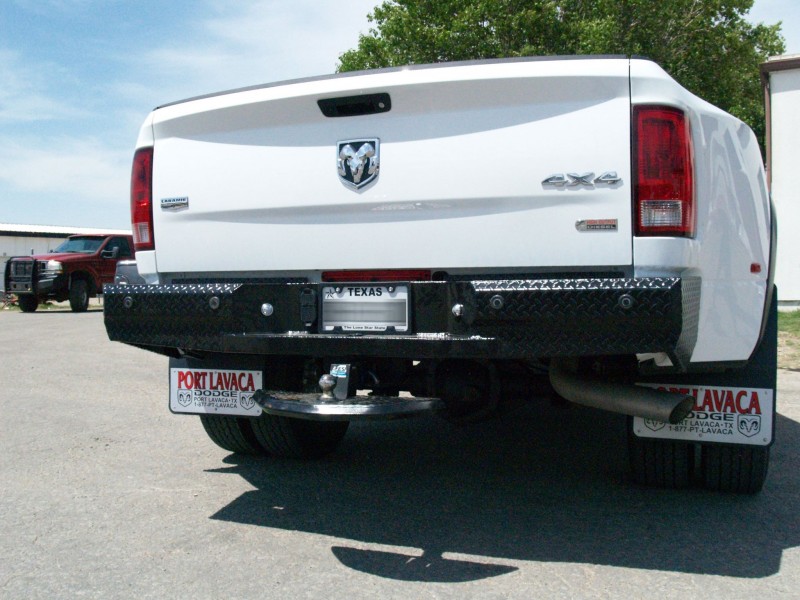
- Plate Steel Bumpers: Typically constructed from 3/16-inch or 1/4-inch cold-rolled steel. These offer a modern, modular look and are often CNC laser-cut for complete accuracy. They are ideal for integrating flush-mount LED pods and high-capacity recovery shackles.
- Ranch-Style Pipe Bumpers: These utilize Schedule 40 pipe and diamond-plate steel. They are designed for pure utility and maximum protection against animal strikes or heavy equipment contact on job sites.
✅ Pros of Steel Upgrades
- Extreme durability against impacts
- Built-in recovery points (D-ring mounts)
- Improved departure angles for off-road use
- Ability to mount auxiliary lighting
❌ Cons of Steel Upgrades
- Significant weight increase (120-250 lbs)
- Potential for rear suspension sag
- Higher initial cost vs. OEM style
- Requires two people for installation
Finish and Fabrication Quality
When selecting a professional-grade bumper, look for brands that utilize robotic welding. Robotic welds are more consistent than manual welds, reducing the risk of stress fractures under extreme vibration. Additionally, consider the finish. While textured powder coat is the industry standard for durability, some owners opt for raw steel to perform a custom “paint-to-match” application using the Ram’s factory paint code (e.g., Bright White PW7 or Brilliant Black PXR). Ensure that any raw steel is chemically cleaned and primed with a high-zinc epoxy before painting to prevent sub-surface oxidation.
Section 4: Professional Installation Procedures and Hardware Requirements
Installing a rear bumper on a 2012 Ram 2500 is a straightforward mechanical task, but doing it to professional standards requires attention to detail—specifically regarding torque and alignment.
📋
Step-by-Step Installation Guide
Safely park the vehicle on level ground. Reach behind the bumper to disconnect the license plate light sockets, trailer wiring harness, and ParkSense sensors (if equipped). Secure the harness up and away from the work area using zip ties.
Support the bumper using a floor jack and a wooden block to protect the finish. Remove the four main mounting bolts (two per side) connecting the bumper brackets to the frame rails. Carefully lower the jack and move the old unit aside.
Position the new bumper and loosely install the Grade 8 hardware. Adjust the bumper vertically and horizontally to ensure a uniform gap (typically 3/4″) between the bumper and the tailgate. This prevents contact during frame twist.
Using a torque wrench, tighten the 1/2-inch Grade 8 frame bolts to 90-110 lb-ft. Reconnect all electrical components and verify that the license plate lights, trailer signals, and backup sensors are fully operational.
Never reuse old, rusted mounting hardware for a new bumper installation. Always use new Grade 8 bolts, washers, and locking nuts. Standard Grade 5 hardware can shear under the dynamic loads experienced during heavy-duty towing.
Section 5: Long-Term Maintenance and Corrosion Mitigation Strategies
The structural integrity of a 2012 Ram 2500 rear bumper is only as good as its finish. Once oxidation begins, it can compromise the thickness of the steel and the strength of the mounting points. Maintaining a professional appearance and safety rating requires a proactive approach.
Combating Chemical De-icers
In many regions, magnesium chloride and road salts are used heavily in winter. These chemicals are hygroscopic, meaning they pull moisture from the air and hold it against the metal. A comprehensive cleaning schedule should include a high-pressure undercarriage wash at least twice a month during winter. High-quality powder coatings are typically salt spray tested for 500 to 1,000 hours of resistance, but even the best finish can be breached by a rock chip.
Internal Rust Protection
One common pitfall is ignoring the inside of the bumper. Tubular sections and the area behind the license plate can trap mud and salt, leading to “inside-out” corrosion. I recommend applying a lanolin-based or wax-based undercoating spray (such as Fluid Film or Woolwax) to the interior surfaces and mounting brackets annually. These products do not dry out or crack, providing a self-healing barrier against moisture.
Visual Inspection
Check for stress fractures at weld points and bubbling under the powder coat every 6 months.
Finish Touch-Up
Use a zinc-rich cold galvanizing spray on any scratches immediately to prevent rust spread.
Refinishing Chrome Surfaces
If your 2012 Ram 2500 has a chrome-plated bumper that is showing surface rust (pitting), you can often restore the quality finish using fine-grade steel wool (#0000) and a dedicated chrome polish. However, if the pitting has reached the base steel, the bumper must be stripped and re-plated or replaced to prevent structural weakening.
Choosing the right 2012 Ram 2500 rear bumper requires balancing OEM fitment with your specific utility and towing needs. Whether you opt for a sleek factory replacement or a massive plate steel upgrade, professional installation with Grade 8 hardware is essential for safety and structural reliability. Ongoing maintenance of the finish remains the most effective way to ensure long-term value and prevent the creep of corrosion. To ensure your vehicle remains within factory safety parameters, consult with a trusted parts specialist or a professional technician to verify that your chosen rear bumper meets all SAE towing standards and vehicle compatibility requirements.
Frequently Asked Questions
Will a 2012 Ram 1500 rear bumper fit my 2500 model?
While they appear similar, the 2012 Ram 2500 utilizes a heavy-duty frame with different mounting points and structural requirements than the 1500 model. For a reliable and professional fit, you must select a bumper specifically engineered for the 2500/3500 heavy-duty chassis to ensure bracket alignment and towing capacity are maintained.
How do I transfer my factory backup sensors to a new rear bumper?
To ensure trusted performance, carefully remove the sensors from the original plastic bezels. Many high-quality aftermarket bumpers include pre-drilled holes and mounting sleeves. It is vital to maintain the same sensor orientation and spacing as the factory configuration to avoid calibration errors in the ParkSense system during operation.
What is the difference between chrome plating and powder coating for a Ram 2500?
Chrome plating offers a traditional look with high resistance to surface scratches but can be prone to pitting if the copper/nickel layers are compromised. Professional-grade powder coating provides a durable, thick barrier that is highly resistant to chemicals and road salt, though it may require touch-ups if chipped to prevent oxidation of the underlying steel.
Does replacing the rear bumper affect my truck’s towing capacity?
If you are using a step-bumper for towing, you must verify the V-5 rating of the new unit. However, most 2012 Ram 2500 owners utilize a frame-mounted receiver hitch. In this case, as long as the bumper provides adequate clearance for the hitch and wiring, the vehicle’s primary towing capacity remains governed by the hitch and frame rating.
What hardware should be replaced during a bumper installation?
Expert technicians recommend replacing all mounting hardware with new Grade 8 or Class 10.9 bolts, nuts, and hardened washers. Over time, original hardware can suffer from fatigue and corrosion. Using fresh, high-strength hardware ensures the bumper remains securely fastened under the heavy vibrations common in heavy-duty diesel and gas trucks.