Chevy Silverado Evap System Diagram: Mapped Out by Engine & DTCs

Did you know that a loose or damaged gas cap is the most common cause of a check engine light related to your fuel emissions? In a Chevy Silverado, the EVAP system acts as a sophisticated trap for volatile organic compounds, preventing harmful fuel vapors from venting directly into the atmosphere. This summary provides the essential information you need to interpret the system’s layout and maintain your vehicle’s compliance.

Reference Chart for Chevy Silverado EVAP System Diagram Components
Recommended Best Deal Products


How to Read This Chart
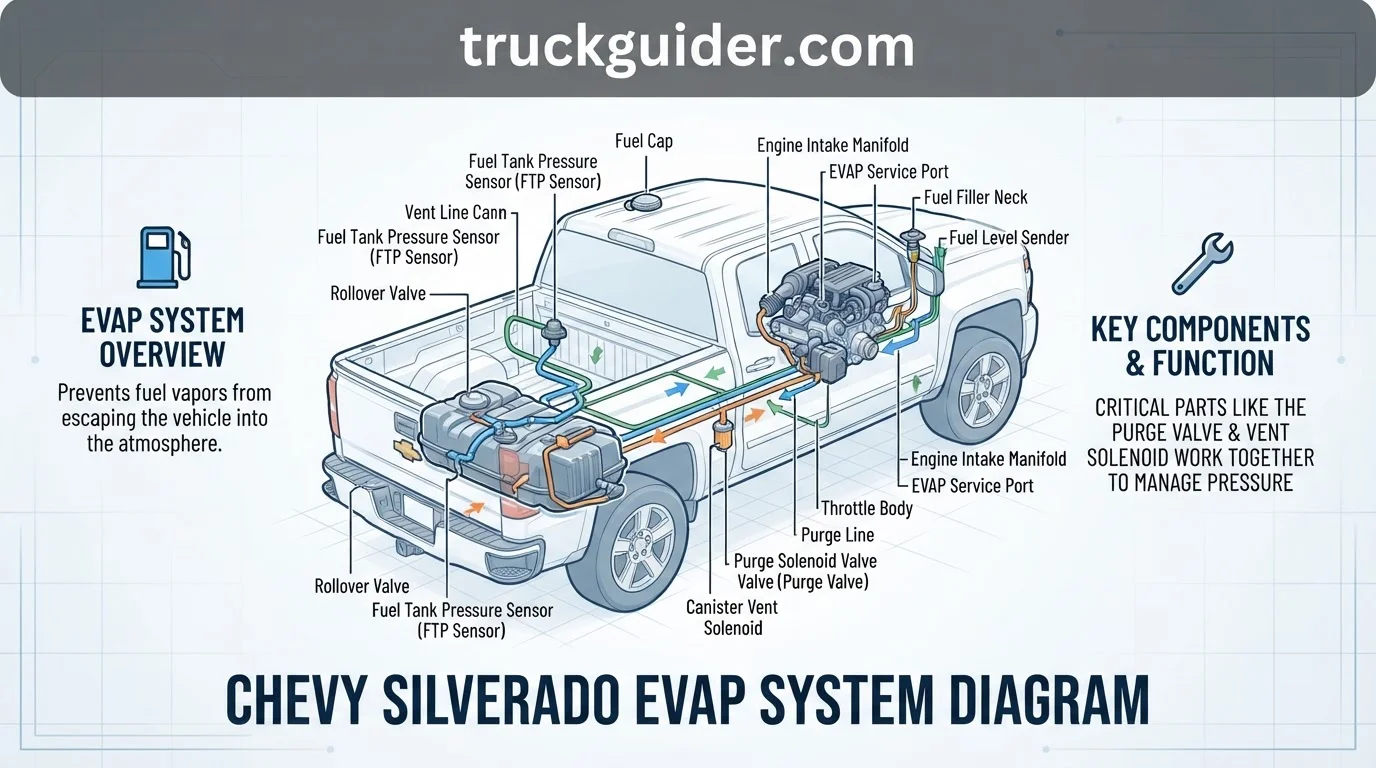
The table above outlines the four critical components found in most GM light-duty trucks from 1999 to 2013. The “Location” column provides a general orientation for your search, while the “Function” column summarizes why the PCM monitors these specific parts. Please note that exact locations can shift between Silverado generations; always consult your specific VIN-matched service manual for precise mounting hardware details if you are performing a complex repair.

Insights into the Chevy Silverado EVAP System Diagram
Modern Chevy Silverado emissions control relies on a sealed loop. The PCM (Powertrain Control Module) commands both the Purge Solenoid and the Vent Valve to open or close to test for leaks. By applying engine vacuum to the system and then closing the valves, the PCM can verify if the system holds a vacuum pressure over time.
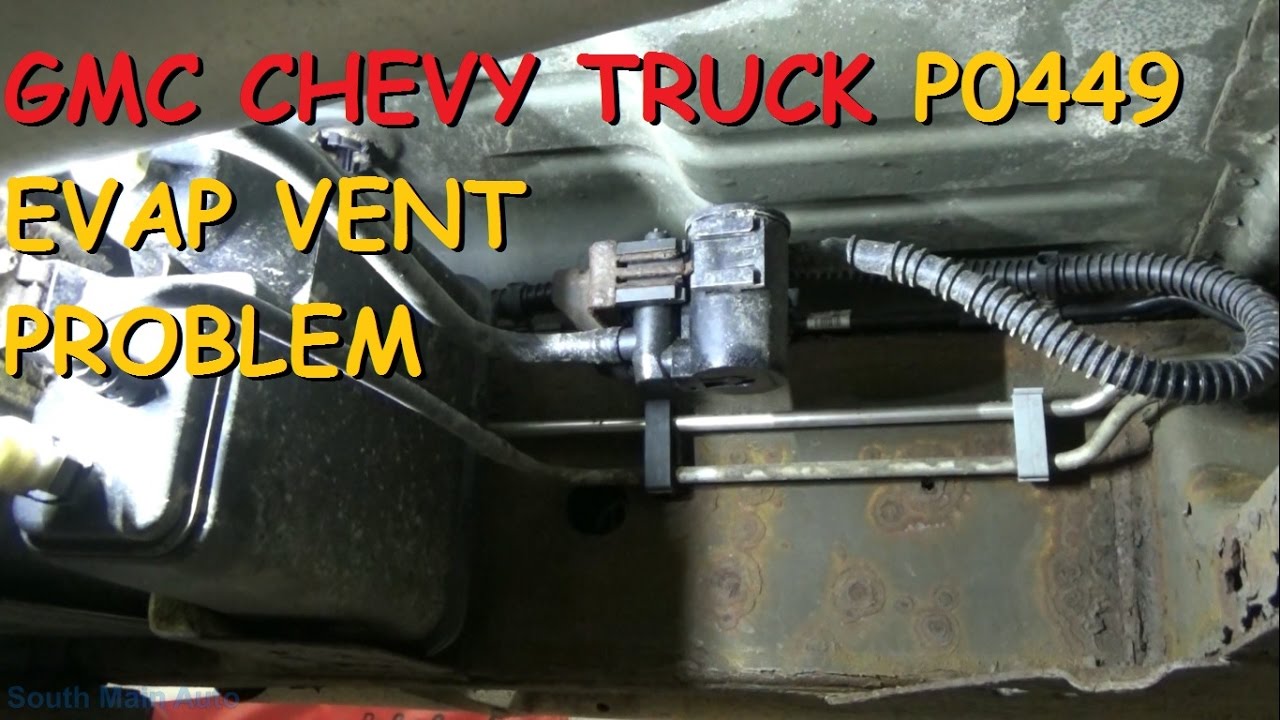
If the system cannot hold this vacuum, a diagnostic trouble code (DTC) is triggered. The facts remain consistent across most Gen III and Gen IV V8 engines used in these trucks. While minor routing differences exist based on whether your truck is a 1500 or 2500HD configuration, the logic of the closed-loop cycle remains identical for emissions compliance.

How to Find Your Specific EVAP Routing Details
Recommended Best Deal Products


To identify the exact routing for your vehicle, you must check the Vehicle Emissions Control Information (VECI) decal located under the hood. This sticker typically contains a simplified diagram of the vacuum lines. If the sticker is faded, you can utilize the VIN-specific build sheet provided by your local GM dealership parts department to request a printout of the emissions routing specific to your truck’s unique build date and engine code.
✨ Key Benefits of a Healthy EVAP System
Emissions Compliance
Keeps your vehicle street-legal by preventing raw fuel vapors from entering the atmosphere, ensuring you pass mandatory state inspections.
Fuel Efficiency
By capturing vapors and recycling them into the combustion cycle, the system ensures you aren’t wasting fuel that would otherwise evaporate.
Common Chevy Silverado Evap System Diagram Problems and Fixes
Recommended Best Deal Products

Before diving into diagrams, verify the seal on your fuel cap is not cracked or loose, as this is the most frequent cause of an EVAP leak code.
Visually trace the rubber lines from the canister to the engine. Look for dry rot, cracks, or disconnected ends that break the vacuum seal.
Pro Tips for System Maintenance
What If It Still Doesn’t Work?
If your check engine light persists after inspecting the lines and gas cap, the issue may be an electrical fault within the solenoid or a failed pressure sensor. Follow these steps:

Audible — Listen Free for 30 Days
One free credit a month and thousands of titles included.
Listen Free for 30 Days- Use an OBD-II scanner to pull specific codes (like P0442 or P0455).
- Verify electrical continuity to the purge valve using a multimeter.
- Perform a smoke test to identify micro-leaks in lines invisible to the naked eye.
If you lack a smoke machine or advanced diagnostic equipment, contact a professional mechanic. Diagnostic fees for EVAP systems generally range from $100 to $200, depending on your region and the complexity of the leak.
Summary
Maintaining your Chevy Silverado EVAP system is essential for both vehicle performance and environmental regulations. By referring to this guide and the provided data, you can narrow down most common faults, such as damaged vacuum lines or faulty valves. For further insights or when encountering persistent error codes, always cross-reference your specific model year’s service manual to ensure you are viewing the correct configuration. If issues remain, a professional inspection is the safest next step to protect your truck’s long-term health.
Key Takeaways
-
✓
Visualize component locations including the charcoal canister, vent solenoid, and purge valve. -
✓
Interpret common EVAP-related Diagnostic Trouble Codes (DTCs) to pinpoint system faults. -
✓
Follow a step-by-step diagnostic workflow to isolate leaks using professional testing methods. -
✓
Access estimated repair cost breakdowns for DIY versus shop-performed emissions services. -
✓
Utilize specific facts for different Silverado engine configurations and production years.
❓ Frequently Asked Questions
1
What is the Chevy Silverado EVAP system?
The Evaporative Emission Control (EVAP) system is a closed loop designed to trap harmful fuel vapors produced in the gas tank. It uses a series of hoses, a charcoal canister, and solenoids to recycle these vapors back into the engine to be burned during combustion instead of venting them externally.
2
How does the Silverado EVAP system work?
When the engine is off, the EVAP system stores fuel vapors in a charcoal canister. Once the engine reaches operating temperature, the purge valve opens, allowing the intake manifold vacuum to draw the stored vapors into the engine to be burned, keeping the system pressurized and emission-compliant.
3
Why is the EVAP system important?
The EVAP system is vital for environmental protection and vehicle performance. It prevents raw fuel odors, maintains proper fuel tank pressure, and ensures your Silverado passes state-mandated emissions testing. A failing system often triggers a Check Engine Light, which can prevent your truck from passing annual inspections.
4
What are the benefits of maintaining the EVAP system?
Regular maintenance prevents expensive secondary damage, such as a saturated charcoal canister or a seized vent solenoid. Proper care ensures optimal fuel economy, eliminates unpleasant fuel smells around your vehicle, and prevents the frustration of persistent engine fault codes that affect your truck’s drivability and resale value.
5
How can I get started with diagnosing an EVAP leak?
Start by scanning your Silverado for pending or active DTCs using an OBD-II scanner. Once identified, inspect the fuel cap and visible hoses for dry rot or disconnection. Use the provided diagram to locate the vent solenoid and charcoal canister, then perform a smoke test to identify the exact leak point.
6
Where is the charcoal canister located on a Silverado?
Typically mounted to the inside of the frame rail, usually on the driver’s side near the fuel tank.
Audible Premium Plus — Annual Membership
12 audiobook credits up front, plus the full Audible catalogue.
See Annual Plans