Fuel system 2004 Chevy Silverado fuel line diagram: Routed and Mapped for GMT800 Repairs

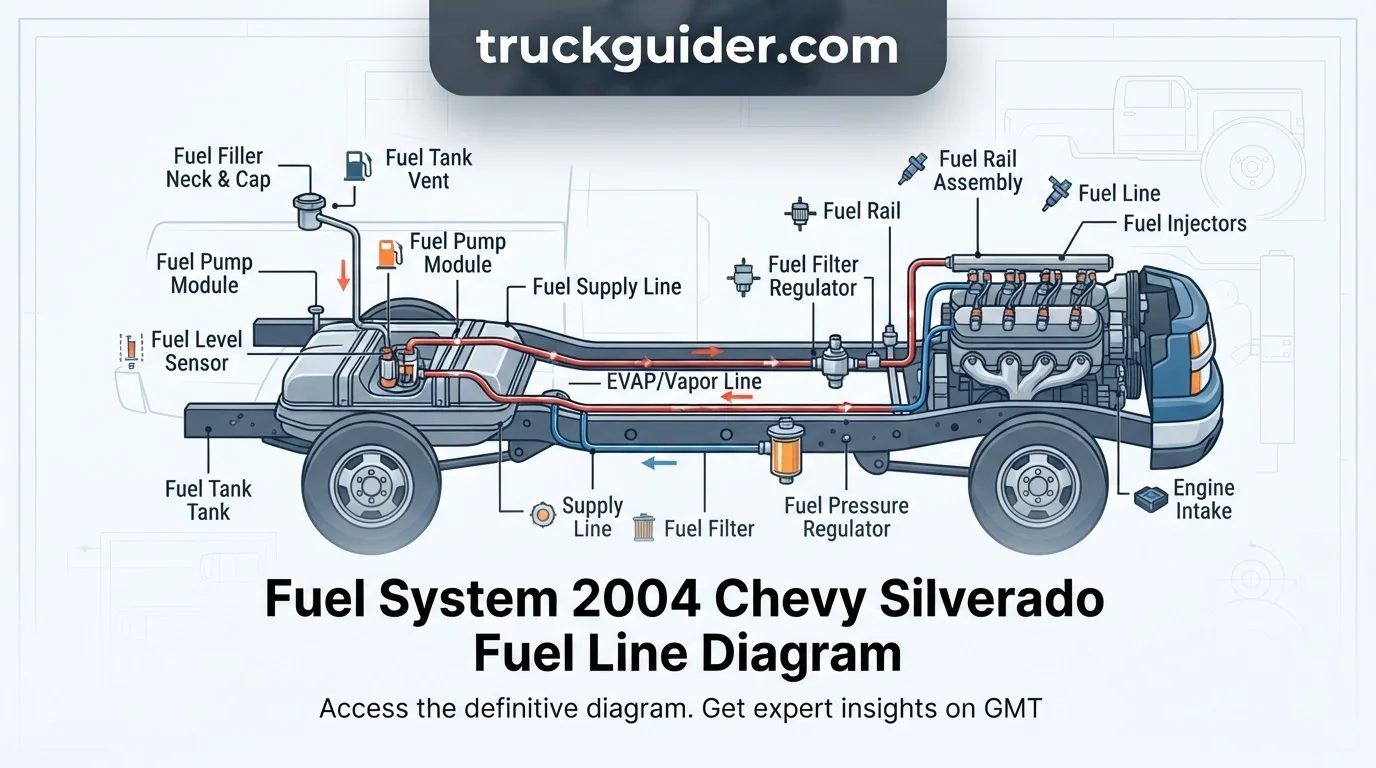
Finding an accurate fuel system 2004 Chevy Silverado fuel line diagram is essential for owners performing repairs on the GMT800 platform. Because this vehicle utilizes a returnless fuel system design, identifying the specific supply lines, quick-connect fittings, and fuel filter locations is critical for successful maintenance.
[IMG: Placeholder – Infographic showing the path from fuel pump assembly, through the fuel filter, to the fuel rail injectors]
Fuel System 2004 Chevy Silverado Fuel Line Diagram: Reference Overview
Recommended Best Deal Products

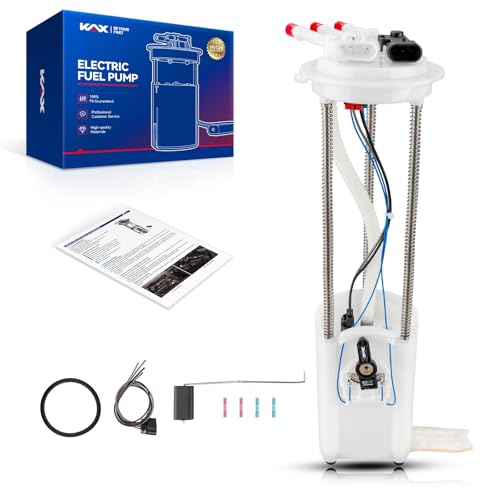
How to Read This Chart
This chart provides an essential summary of component placement within the 2004 fuel system architecture. The “Location” column specifies where you will find each part relative to the chassis frame or fuel tank.

The “Verification Status” indicates that while standard V8 and V6 engines share this layout, wheelbase variations (Regular, Extended, or Crew Cab) influence exact hose lengths. Always consult your specific VIN build sheet to confirm if your vehicle uses the standard or extended-range fuel tank configuration, as this alters the routing geometry.

Understanding the 2004 Silverado Returnless System
Unlike older mechanical return systems, the 2004 fuel system 2004 Chevy Silverado fuel line diagram reveals a pressurized single-line delivery. This design relies on the PCM to modulate fuel pump voltage based on demand rather than circulating excess fuel back to the tank.
This “returnless” approach reduces fuel temperature and evaporative emissions but makes the fuel pressure regulator’s role in the tank module critical. If you observe hard starts or lean-running conditions, focus your diagnostic efforts on the pump module pressure rather than looking for a regulator on the engine-mounted fuel rail.
Common Fuel System 2004 Chevy Silverado Fuel Line Diagram Problems
Recommended Best Deal Products


The most frequent issues involve corrosion of the steel lines where they clip to the frame rails, especially in climates where road salt is used. Over time, the plastic clips can hold moisture against the metal, leading to pinhole leaks that may not be immediately obvious.
Additionally, the nylon quick-connect retainers often become brittle. Attempting to force these connections without the proper release tool can damage the nylon locking tabs. If the tabs break, you must replace the section of the fuel line or utilize a high-pressure compression fitting as a temporary measure.
📋
How to Replace Lines Using the Fuel System 2004 Chevy Silverado Fuel Line Diagram
Remove the fuel pump fuse from the under-hood block and start the engine. Let it stall to ensure all residual pressure is bled from the high-pressure lines before starting work.
Use a standard plastic fuel line disconnect tool. Slide it into the fitting until the internal locking ring releases. Gently pull the line while twisting slightly to prevent tearing the internal O-ring.
Ensure the new lines are free of debris. Listen for a distinct “click” when pushing the new fitting onto the fuel filter or tank nipple to confirm the locking mechanism is fully engaged.
🔎 How to Find Your Fuel System Configuration (VIN Lookup)
Recommended Best Deal Products


To verify the specific line routing for your truck, locate the Service Parts Identification (SPI) sticker. It is typically found inside the glove box lid or on the driver-side door jamb. Look for the RPO code “L33,” “LM7,” or “LQ4,” which denotes your specific engine, as this significantly impacts the fuel rail feed configuration.
If you need the exact length of the lines, use a VIN-based parts lookup tool from a reputable automotive parts supplier. Because the fuel system 2004 Chevy Silverado fuel line diagram varies between the 1500 and 2500 series chassis, cross-referencing your wheelbase length (e.g., 143.5 inches) is mandatory for avoiding ill-fitting replacement parts.
The 2004 model year was part of the final transition period for the GMT800 platform. Some late-production 2004 units feature slightly updated fuel pump wiring connectors that differ from the early 1999-2002 models, making it essential to match your pump harness precisely if you are replacing the sender assembly.
✨ Key Benefits of Proper Fuel Line Maintenance
Improved Fuel Efficiency
Consistent fuel pressure ensures the injectors spray a precise atomized pattern, preventing the engine from running rich and wasting unburned fuel.
System Longevity
Replacing aging fuel filters prevents the pump from overworking, which can cause internal overheating and eventual catastrophic pump failure.
What If It Still Doesn’t Work?
If you have followed the fuel system 2004 Chevy Silverado fuel line diagram and the vehicle still won’t start or shows low pressure, consider these diagnostic fallbacks:
- Check the fuel pump relay in the fuse box; a failing relay can provide intermittent voltage.
- Inspect the electrical ground connection on the frame rail near the fuel tank. A corroded ground is a common “phantom” cause of pump failure.
- Confirm the fuel pressure at the test port on the fuel rail using a mechanical gauge; it should read approximately 55-62 PSI for this model year.
If these steps do not resolve the issue, professional diagnostic equipment like a scan tool capable of bi-directional control is required to test the fuel pump driver signal. Costs for professional repair range from $400 to $900 depending on labor and the cost of the OEM pump assembly.
Frequently Asked Questions
Can I bypass the fuel filter on my 2004 Silverado?
No. Bypassing the filter will result in immediate fuel injector clogging and potential damage to the high-pressure pump internals due to debris intake.
Are fuel lines interchangeable between years?
Only if the chassis configuration and tank size match exactly. Many 2004-2006 models share parts, but early 1999-2003 components may have different bend geometries.
What is the most common cause of a fuel line leak?
Corrosion from road salt at the frame mounting clips. Replacing these plastic clips with high-quality stainless steel alternatives can extend the life of your lines significantly.
This comprehensive overview provides the essential facts and insights required to service your vehicle’s fuel delivery system. Based on manufacturer specifications and common repair practices, these details should help you identify and resolve fuel system issues with confidence. For complex leaks or electrical gremlins that persist, always refer back to your official service manual or contact a certified technician to ensure your safety and vehicle reliability.
Key Takeaways
-
✓
Use the reference chart to identify supply, return, and EVAP line locations along the frame rail. -
✓
Master the quick-connect release process to avoid breaking brittle plastic retaining clips. -
✓
Understand the Vortec fuel rail layout, specifically the location of the pressure regulator. -
✓
Address common corrosion points near the fuel filter and frame mounting brackets. -
✓
Utilize expert insights for secure replacement line routing to prevent vibration-induced leaks.
❓ Frequently Asked Questions
1
What is the 2004 Chevy Silverado fuel line configuration?
The 2004 Chevy Silverado uses a two-line or three-line system depending on the engine size. It includes a supply line, a return line, and an EVAP vapor line. These lines run along the driver-side frame rail, secured by plastic clips, ending at the fuel filter and the engine fuel rail.
2
How does the fuel pressure regulator work on a 2004 Vortec engine?
On the 2004 Vortec engine, the fuel pressure regulator is integrated into the fuel rail assembly. It maintains a constant pressure differential across the fuel injectors by returning excess fuel to the tank. If the diaphragm fails, it can cause hard starting or rough idling due to improper fuel pressure.
3
Why is 2004 Silverado fuel line corrosion a common issue?
Corrosion occurs primarily at the fuel filter union and the frame-side mounting clips where moisture and road debris become trapped. Over time, the protective coating on the factory steel lines breaks down, leading to pinhole leaks that trigger check engine lights or cause fuel pressure loss.
4
What are the benefits of using nylon fuel line replacements?
Nylon fuel lines are increasingly preferred because they are completely immune to the external rust that plagues factory steel lines. They are flexible, easier to route through the chassis, and withstand high-pressure demands while significantly reducing the labor time required for installation compared to bending rigid metal.
5
How can I get started with fuel system repairs on my Silverado?
Start by identifying the specific leak point using the provided diagram and cleaning the area with degreaser. Gather your quick-connect release tools, safety glasses, and a fire extinguisher. Always perform repairs in a well-ventilated area away from any ignition sources to ensure safety while working with the fuel system.
6
Which line is the supply and which is the return?
The supply line is typically the larger diameter line, while the return is smaller. Check the fuel filter flow direction for guidance.
![2022 RAM 2500 Fender Flares: Top Styles & Fitment Guide [2026]](https://truckguider.com/wp-content/uploads/2026/03/2022-ram-2500-fender-flares-featured.webp)
![Best Aftermarket Rear Bumpers [2026]](https://truckguider.com/wp-content/uploads/2026/03/aftermarket-rear-bumper-featured.webp)
![Ram 2500 Fuel Tank Size: Specs & Fitment Guide [2026]](https://truckguider.com/wp-content/uploads/2026/03/ram-2500-fuel-tank-size-featured.webp)