Truck Bed Liner Repair Guide: Complete Fix Guide [2026]

Surface preparation is the most critical factor for a successful truck bed liner repair, as any grease or debris will prevent the new material from bonding. Most minor damage like cracks and gouges can be fixed with DIY patch kits, provided you address underlying rust issues immediately to prevent structural failure.
🎯 Key Takeaways
Recommended Best Deal Products


- Sanding the repair area is essential for creating a mechanical bond.
- Match your repair kit material to the original liner type for compatibility.
- Treat exposed metal with a rust inhibitor before applying any patch material.
- Feather the edges of the old liner to ensure a seamless repair.
- Avoid hauling heavy loads for at least 72 hours after applying repairs.
Repairing a damaged truck bed liner is entirely achievable if you have the right chemicals and a few hours of prep time. Most cracks, gouges, and peeling areas can be restored using a polyurethane-based repair kit that bonds directly to the existing material. The secret isn’t just the filler itself; it is the mechanical bond created by aggressive sanding and chemical cleaning. By addressing these weak spots now, you stop moisture from reaching the underlying steel, preventing localized rust that can eventually rot through your truck bed.
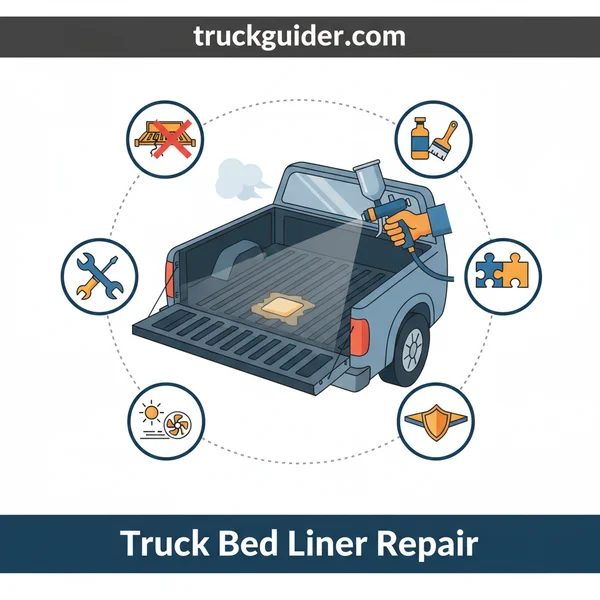
Whether you have a spray-on polyurea liner or a hard plastic drop-in, the repair process focuses on “feathering” the edges of the damage and applying a high-solids patch. This guide provides the technical steps to ensure your repair doesn’t just look better, but actually reinforces the integrity of your bed protection against future impacts and heavy cargo shifting. You don’t need a professional shop for these fixes, but you do need to follow a specific chemical sequence to ensure the patch doesn’t peel off within a month.

Prime for Young Adults — 6 Months Free
Students and 18–24s get six months of Prime free, then half price.
Start 6 Months FreeEssential Components of a Professional-Grade Repair Kit
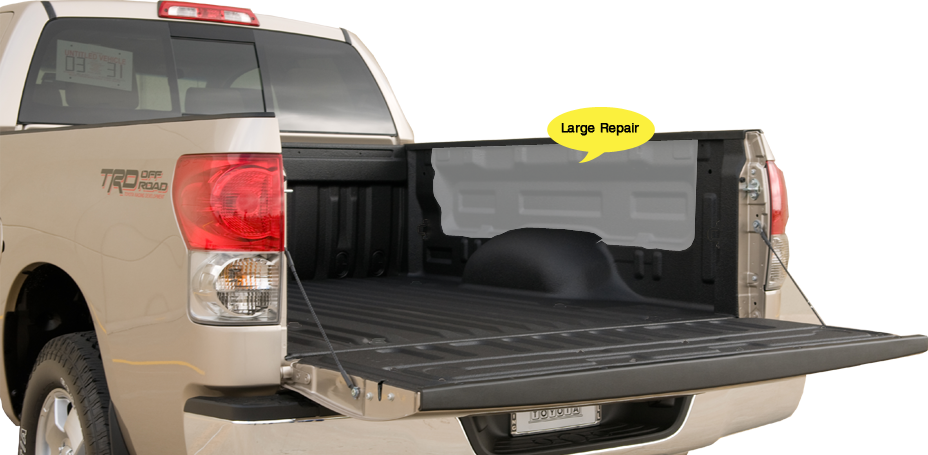
To achieve a repair that lasts the life of the truck, you cannot rely on generic spray paint or standard hardware store epoxy. You need a kit designed for high-impact automotive use. A professional-grade repair kit should contain specific materials that mimic the density and flexibility of the original liner. If you are piecing your own kit together, ensure you have these heavy-duty components ready before you start sanding.
The Chemical Bond: Resins and Solvents
The core of your repair kit is the coating material, usually a two-part polyurethane or a high-solids epoxy. Unlike regular paint, these materials create a thick, rubberized barrier that can withstand the scraping of plywood or metal tools. You also need a potent cleaning solvent to strip away waxes and oils that accumulate in the bed. Standard soap and water are insufficient for the chemical prep required for a permanent bond.
- Two-Part Polyurethane: Look for kits that use a resin and an activator. These cure harder and bond better to old liners than one-part aerosols.
- MEK (Methyl Ethyl Ketone) or Acetone: These are the only solvents strong enough to “soften” the edges of an old spray-on liner, allowing the new material to melt into the old.
- Adhesion Promoter: This is a clear primer specifically for plastics and rubbers. It acts as a chemical bridge between the old surface and the new patch.
Application Tools for a Seamless Finish
You cannot simply brush on a repair and expect it to blend in. Because most bed liners have a distinct “orange peel” or “granulated” texture, you need tools that can recreate that look. Without texture matching, your repair will look like a smooth, shiny scar on your truck bed. Your kit should include mechanical abrasive tools to provide the “tooth” necessary for the resin to grip the surface.
- 60 to 80-Grit Sandpaper: Fine-grit paper will not work. You need a coarse grit to create deep grooves in the existing liner.
- Texture Rollers: Small, high-density foam rollers with a stippled surface help you match the rugged look of the original installation.
- Wire Brush: Essential for digging out loose debris from deep gouges or narrow cracks where sandpaper cannot reach.
- Lint-Free Rags: Using standard paper towels will leave fibers behind, which will cause the patch to bubble and fail.
The Ultimate Truck Bed Liner Repair Walkthrough
Recommended Best Deal Products


Your truck’s bed liner is the first line of defense against heavy loads, abrasive materials, and the elements. However, over time, even the toughest spray-in or drop-in liners can suffer from gouges, peeling, or sun damage. This guide provides a comprehensive, professional-grade approach to restoring your truck bed’s integrity. Following these steps is crucial because neglected cracks or chips can trap moisture against the metal, leading to catastrophic rust and corrosion that can compromise the entire vehicle frame.
Step 1: Thorough Damage Assessment and Inspection
What you need: A bright LED work light, a flathead screwdriver, and a marking chalk or grease pencil.
Instructions: Park your truck in a well-lit area and begin by sweeping out all debris. Use your work light to inspect the entire bed, paying close attention to the corners, wheel wells, and the area near the tailgate. Use the flathead screwdriver to gently probe any areas where the liner looks bubbly or loose; if the liner flakes off easily, the damage is more extensive than a simple surface scratch. Use your chalk to circle every area that requires attention, including deep gouges that reach the bare metal and smaller “spider-web” cracks. Identifying whether you have a polyurea, polyurethane, or DIY roll-on liner will also help you select a compatible repair kit later.
Pro Tip: Look for “lifting” around the drain holes. If the liner has pulled away from these edges, it’s a sign that moisture has already begun to migrate underneath the coating, requiring a wider repair area than initially visible.
Step 2: Deep Cleaning and Degreasing
What you need: High-pressure washer, stiff-bristle nylon scrub brush, and a heavy-duty degreaser or Trisodium Phosphate (TSP) solution.
Instructions: Professional adhesion starts with a surgically clean surface. Begin by pressure washing the entire bed to remove loose dirt. Apply your degreaser liberally to the damaged areas and the surrounding six inches. Use the stiff nylon brush to scrub vigorously, ensuring you remove all oils, waxes, and fuel residues that may have spilled in the bed. This step is vital because even a microscopic layer of oil will prevent the new repair material from bonding to the old liner. Rinse the bed multiple times until the water sheets off without any signs of “beading.” Allow the bed to dry completely—ideally in the sun for 2 hours—before proceeding.

Audible — Listen Free for 30 Days
One free credit a month and thousands of titles included.
Listen Free for 30 DaysPro Tip: Avoid using “wash and wax” car soaps, as they leave behind a protective film that acts as a release agent for the new liner material.
Step 3: Mechanical Abrasion and Feathering
What you need: 80-grit sandpaper or a wire wheel attachment for a power drill, and an orbital sander (optional).
Instructions: You must create a “profile” for the new material to grip. Using 80-grit sandpaper, sand down the edges of the damaged area until they are “feathered.” This means the transition from the old liner to the bare metal or substrate is smooth and tapered, rather than a sharp, jagged cliff. Sand back at least 1 to 2 inches into the healthy liner surrounding the damage. If you see rust, you must sand or grind it down until you reach shiny, silver metal. A wire wheel is particularly effective for getting into the valleys of a corrugated truck bed. The goal is a rough, dull surface that feels like coarse sandpaper to the touch.
Pro Tip: When sanding, do not use high-speed grinders for too long in one spot, as the heat can melt the existing liner, creating a gummy mess that is difficult to coat.
Step 4: Surface Decontamination and Masking
What you need: Microfiber cloths, Isopropyl alcohol (90%+) or Acetone, blue painter’s tape, and masking paper or plastic sheeting.
Instructions: After sanding, the bed will be covered in fine dust. Blow out the bed with compressed air or a leaf blower, then wipe down the repair zones with a cloth soaked in Isopropyl alcohol or Acetone. This removes any lingering oils and fine dust. Once the surface is chemically clean, use your painter’s tape to mask off any areas you want to protect, such as the bed rails, tie-down hooks, or the truck’s exterior paint. If you are repairing a large section, use plastic sheeting to prevent overspray or accidental drips from reaching the cab or the rear bumper. Ensure the tape is pressed down firmly to prevent the repair liquid from seeping underneath.
Pro Tip: Always wipe in one direction with your solvent. Wiping in circles simply moves the contaminants around rather than lifting them off the surface.
Step 5: Priming Bare Metal Surfaces
What you need: Self-etching primer (spray can) or a dedicated liner adhesion promoter.
Audible Premium Plus — Annual Membership
12 audiobook credits up front, plus the full Audible catalogue.
See Annual PlansInstructions: If your repair has exposed bare metal, you cannot skip this step. Standard bed liner material does not always bond well to smooth steel and lacks the anti-corrosive properties of a true primer. Shake the self-etching primer can for at least two minutes. Apply two thin, even coats to the exposed metal, waiting about 5 to 10 minutes between coats. The primer contains an acid that chemically “bites” into the metal while providing a surface that the liner can stick to. Ensure the primer is dry to the touch (usually 30 minutes) before applying the liner material. If you are applying over old liner only, use an adhesion promoter instead of a primer.
Pro Tip: Only prime the bare metal. If you get primer on the surrounding old liner, wipe it off quickly, as it can actually interfere with the bond between the new and old liner layers.
Step 6: Mixing and Applying the Repair Material
What you need: Two-part bed liner repair kit (base and activator), mixing sticks, and a small disposable brush or foam roller.
Instructions: Most professional-grade repairs use a two-part epoxy or urethane system. Mix the base and the activator exactly according to the manufacturer’s ratio—ratios are critical for proper hardening. Once mixed, use a brush to “dab” the material into the deep gouges first, filling them until they are level with the surrounding area. For larger flat sections, use a foam roller to apply an even coat. It is better to apply two thin coats rather than one thick, heavy coat, which may sag or trap air bubbles. If the kit is a spray-on version, hold the nozzle about 12 inches away and use steady, sweeping motions to avoid “puddling” in the bed ribs.
Pro Tip: Work in small batches. Once the activator is mixed with the base, you usually only have 20 to 30 minutes of “pot life” before the material becomes too thick to work with.
Step 7: Texture Matching and Blending
What you need: A textured sponge or a “stippling” brush.
Instructions: To make the repair invisible, you must match the texture of the original liner. While the repair material is still tacky (usually 10-15 minutes after application), take a textured sponge or a stiff-bristled brush and gently tap the surface of the wet liner. This “pulls” the material up into small peaks, mimicking the rough look of a factory spray-in liner. If the original liner is very aggressive, you can hold the brush a few inches away and flick the bristles to create small droplets of material on the surface. Blend these droplets into the feathered edges you created in Step 3 to ensure there is no visible line where the old liner ends and the new one begins.
Pro Tip: If your texture looks too “sharp,” wait another 5 minutes and lightly roll over it with a dry foam roller to flatten the peaks slightly.
Step 8: Curing and Equipment Cleanup
What you need: Acetone (for cleanup) and patience.
Instructions: Remove the masking tape and plastic sheeting while the liner is still slightly tacky—this prevents the tape from “tearing” the edges of the new liner once it is fully hardened. Most liner repairs are dry to the touch in 2 to 4 hours, but they require a significantly longer time to fully cure. Do not place any heavy items in the truck bed for at least 24 to 48 hours. If the weather is cold or humid, extend this time to 72 hours. Clean your reusable tools immediately with Acetone; once the liner cures on a tool, it can usually only be removed by grinding or burning it off. Inspect the repair after 24 hours to ensure there are no soft spots or “tackiness.”
Pro Tip: Avoid getting the repair wet (rain or car washes) for the first 24 hours, as moisture can interfere with the chemical cross-linking of the urethane, leading to a cloudy or weakened finish.
✅ Final Checklist
- Adhesion Test: After 24 hours, try to catch the edge of the repair with a fingernail; it should feel like a single, solid piece with no lifting.
- Texture Match: Verify from a distance of 5 feet that the repair area doesn’t stand out as a “flat” or “shiny” spot compared to the rest of the bed.
- Edge Integrity: Ensure all feathered edges are smooth and there are no “lips” where water could get trapped.
- Color Consistency: Check that the black (or tinted) color of the repair matches the rest of the bed after it has dried completely.
Important Notes:
- Safety: Always wear a respirator and nitrile gloves when working with bed liner chemicals and solvents like Acetone. The vapors can be hazardous in enclosed spaces.
- When to seek professional help: If the truck bed has “rust-through” (holes in the metal), you may need structural welding or patch panels before a liner can be applied.
- Estimated Time and Cost: This project typically takes 4-6 hours of active work plus 24 hours of curing time. DIY kits and supplies usually cost between $60 and $150, depending on the size of the repair.
Damage Assessment: Spray-On vs. Drop-In Liner Issues
Before you begin the repair, you must identify what type of failure you are dealing with. The repair strategy for a spray-on liner (like Line-X or Rhino Liner) is fundamentally different from a plastic drop-in liner. Spray-on liners usually suffer from localized impact damage or “delamination” where the liner lifts away from the metal. Drop-in liners, conversely, tend to suffer from stress cracks or structural warping due to heat and weight.
Identifying Spray-On Delamination and Gouges
Gouges are common when sharp metal objects are dragged across the bed. These are usually “clean” wounds that just need filling. However, peeling or delamination is more serious. This occurs when the original installer didn’t prep the truck’s paint correctly. If you can stick a screwdriver under the edge of a peel and easily lift more of the liner, the entire bed may be compromised. For localized gouges, you only need to repair the immediate area, but for peeling, you must remove all loose material until you hit a section that is firmly bonded to the steel.
- Gouges: Deep scratches that reveal the metal underneath but have firm edges.
- Delamination: Large bubbles or sections where the liner feels “hollow” when tapped.
- Chalking: A powdery white surface caused by UV damage; this requires a top-coat rejuvenator rather than a structural patch.
Managing Cracks in Plastic Drop-In Liners
Plastic liners are prone to cracking near the wheel wells or at the tailgate edge. Because these liners are not bonded to the metal, they move and flex as the truck vibrates. A simple patch will often crack again if you don’t address the “stress points.” When assessing a crack in a plastic liner, look for signs of rubbing on the metal underneath. If the plastic has rubbed the truck’s paint down to the bare metal, you must treat the metal with a rust-inhibitor before patching the plastic liner itself.
- Stress Cracks: Usually found near bolt holes or sharp bends in the plastic.
- Warpage: Caused by extreme heat; these areas may need to be trimmed before a patch can be applied.
- Hardware Failure: Often, what looks like a liner failure is actually a broken plastic clip or tie-down bolt that has pulled through the material.
Once you have identified the damage type and gathered your high-grit abrasives and polyurethane resins, you are ready to begin the physical labor. The success of the next steps depends entirely on your willingness to sand further than the damage itself to ensure a wide, stable bonding surface.
Critical Factors Affecting Liner Adhesion and Longevity
Recommended Best Deal Products


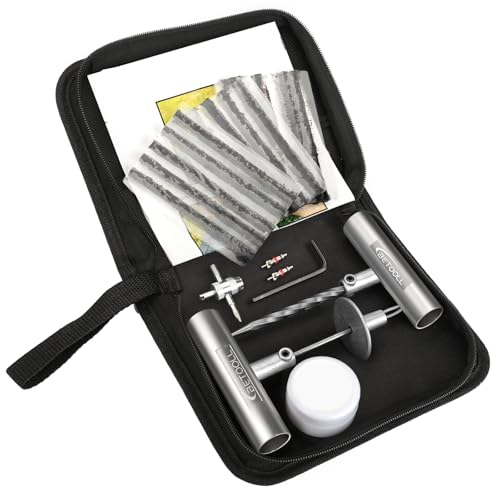
Repairing a truck bed liner is only half the battle; ensuring that the new material actually bonds to the old surface is where most truck owners struggle. If you don’t address the underlying reasons why a liner peels or cracks, your repair will likely be a temporary fix rather than a permanent solution. The goal is to create a seamless, integrated layer that can withstand the friction of sliding cargo and the expansion of the metal bed.
Mechanical Bonding and Surface Cleanliness
The most common cause of repair failure is poor surface preparation. Unlike paint, which can sometimes flow into small crevices, bed liner material is thick and requires a “mechanical tooth” to grip onto. This means the existing liner and any exposed metal must be scuffed or sanded to create a rough texture. Without this, the new material will simply sit on top and eventually flake away.
- Degreasing is non-negotiable: Even a tiny amount of residue from wax, oil, or diesel fuel will prevent the liner from bonding. Use a heavy-duty wax and grease remover specifically designed for automotive use.
- Dust management: After sanding, the area must be completely free of debris. Using compressed air or a tack cloth is essential to ensure the patch is applied to the liner, not a layer of dust.
- Feathering the edges: Tapering the edges of the existing liner around a gouge prevents the new material from having a “hard edge” that can be easily snagged or lifted.
Environmental Conditions and Chemical Compatibility
Liner materials are highly sensitive to the environment during the curing process. High humidity can cause certain polyurethane liners to bubble or develop a “milky” appearance, while extreme cold can prevent the chemical reaction needed for the liner to harden. It is also vital to match the repair chemistry to the original material. Using a solvent-based patch on a water-based DIY liner, or vice-versa, can result in a chemical rejection where the layers never truly fuse.
Costs and Comparisons: DIY Patching vs. Professional Respraying
Deciding whether to patch a few spots yourself or head back to a professional shop often comes down to a balance between your budget and the current state of the truck. If your liner looks like a patchwork quilt with dozens of small failures, a complete overhaul might actually be more cost-effective in the long run than constant minor repairs.
The Financial Investment
For most minor repairs, a DIY approach is significantly cheaper. A high-quality repair kit or a single quart of premium bed liner usually costs between $30 and $70. This is an excellent investment for fixing localized gouges or small areas of peeling caused by impact. In contrast, a professional “re-top” or a full respray can range from $400 to $700 depending on the size of the truck bed and the type of material used.
- DIY Patching: Best for cosmetic fixes and preventing rust on trucks with generally healthy liners.
- Professional Respray: Necessary when the original liner has lost its adhesion across more than 25% of the bed surface.
- Hidden Costs: Remember to factor in the cost of masking tape, sandpaper, and respirators if you are tackling the job at home.
When to Call the Pros
Sometimes, a repair isn’t enough. If you notice that the liner is lifting in large sheets, it indicates a total failure of the original application process. In these cases, patching is a waste of time. A professional shop can strip the failing material and apply a hot-pressured spray that offers a level of durability and UV resistance that most DIY “roll-on” kits simply cannot match. If your truck is a dedicated workhorse that hauls heavy machinery or abrasive gravel daily, the professional grade’s extra thickness is worth the premium price.
Conclusion
Repairing your truck bed liner is a vital maintenance task that protects your vehicle from the inevitable creep of rust and corrosion. Whether you are filling a deep gouge from a dropped tool or addressing a small patch of peeling material, the key to success lies in meticulous preparation and choosing the right materials for the job. By staying on top of these small repairs now, you can avoid the high cost of a full bed replacement or professional respray later.
Next Steps: Start by thoroughly washing your truck bed and inspecting every corner for signs of thinning or lifting. If you find damage, pick up a compatible repair kit and handle it over the weekend while the weather is dry and mild. Don’t wait for the metal to start showing through—act now to keep your truck bed in showroom condition!
💬 Quick Questions & Answers
Can I use regular spray paint to fix a bed liner?
No, regular paint lacks the thickness and impact resistance; you must use a dedicated polyurethane or polyurea patch kit.
Do I need to strip the entire bed for one small crack?
No, you can perform a localized repair by cleaning and scuffing the area approximately 2-3 inches around the damage.
Can I fix a Line-X or Rhino liner myself?
Yes, while these are professionally installed, small gouges can be repaired using compatible high-solids DIY polyurethane kits.
What happens if I ignore a peeling liner?
Moisture will trap underneath the coating, leading to hidden oxidation and eventual structural rust damage to the truck bed.
Is a heat gun necessary for liner repairs?
A heat gun is useful for removing loose, peeling sections but is not required for the actual bonding process of the new material.
❓ Frequently Asked Questions
How do I know if the damage is too structural for a simple patch?
If the metal underneath the liner is perforated by rust or has significant structural dents, a patch will only hide the problem. You must repair the underlying metal and ensure structural integrity before reapplying a protective coating.
What is the best product for repairing a spray-on bed liner?
Look for high-solids polyurethane kits like those from Raptor, Herculiner, or specialized manufacturer patch kits. These products offer the thickness and texture necessary to blend in with original spray-on applications.
Why is my liner peeling off in large chunks?
Peeling is typically caused by poor initial surface preparation or moisture contamination during the original installation. To fix this, you must remove all delaminated material until you reach a section that is still firmly bonded to the metal.
Can I repair a plastic drop-in liner that has cracked?
Plastic drop-in liners can be temporarily fixed with specialized plastic epoxies or plastic welding, but these repairs often fail due to the liner’s constant shifting. In most cases, replacing the liner is more cost-effective than a complex repair.
How long does a bed liner repair take to fully cure?
While many kits are dry to the touch within 1 to 2 hours, they usually require a full 24 to 72 hours to reach maximum chemical hardness. Loading heavy equipment too early can cause the new patch to compress or peel.
Will the color of the patch match my existing liner?
New patch material is often darker or glossier than an older, UV-faded liner. For a perfect visual match, you may need to apply a UV-resistant topcoat or a thin ‘refresh’ layer over the entire bed surface after patching.
![4.7 Dodge Engine Problems [2026]](https://truckguider.com/wp-content/uploads/2026/03/featured-47220cb4-768x403.webp)
![Remote Start Disabled: Causes & Fixes [2026]](https://truckguider.com/wp-content/uploads/2026/03/remote-start-disabled-start-vehicle-to-r-featured.webp)
![How to Tow a Car with a Truck Long Distance: Step-by-Step Guide [2026]](https://truckguider.com/wp-content/uploads/2026/03/how-to-tow-a-car-with-a-truck-long-dista-featured-1.webp)