Truck Bed Spare Tire Mounts – The Ultimate Guide in 2026

The pursuit of enhanced off-road capability inevitably leads to larger, more aggressive wheel and tire assemblies. As enthusiasts upgrade to 35-inch, 37-inch, and 40-inch maximum-terrain tires, the physical dimensions of these upgrades quickly outgrow the factory under-bed storage locations. Attempting to wedge an oversized tire into an original equipment manufacturer (OEM) hoist creates severe mechanical interference and compromises the vehicle’s ground clearance.
To mitigate this, the truck bed spare tire mount—once an exclusive modification for Baja 1000 chase trucks and desert racers—has become an essential structural upgrade for overland and off-road vehicles.
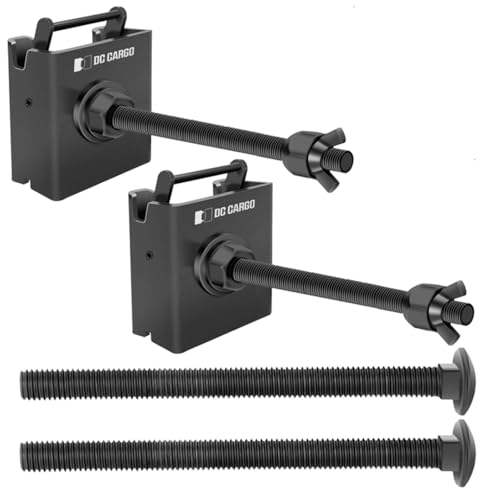


Relocating heavy rotational mass into the truck bed solves the clearance dilemma, but it also fundamentally alters payload distribution and cargo capacity. This report provides an exhaustive analysis of in-bed spare tire carriers, evaluating mounting geometry, top-tier market leaders, drill versus no-drill installation methodologies, and the physical dynamics of weight distribution.
THE ANATOMY OF TRUCK BED SPARE TIRE MOUNTS
A comprehensive data analysis on why overlanders are ditching the under-bed carrier, comparing upright, angled, and flat mounting solutions.
Why Relocate to the Bed?
Factory spare tire locations under the truck bed are designed for stock tire sizes. Once enthusiasts upgrade their wheel-and-tire packages for off-road capability, the factory location becomes obsolete. Our research indicates critical thresholds where bed mounting becomes mandatory.
Market Popularity by Mount Orientation
Not all bed mounts are created equal. The orientation of the tire significantly impacts the utility of your truck. Based on off-road market sales data and build threads, upright mounts dominate the daily-driver segment, while angled mounts rule the high-speed desert running category.
Data representing enthusiast build configurations (Sample size: 2,500 builds)
Performance Trade-off Matrix
Choosing a mount requires compromising between bed space, rearward visibility, and trail stability. Angled (pre-runner) styles offer incredible stability and look aggressive but destroy bed utility. Flat mounts retain visibility but cover valuable floor space.
Cost vs. Installation Complexity
Budget and mechanical skill dictate many purchasing decisions. Basic flat strap systems require little more than D-rings, whereas modular bedside rack systems demand drill-through installation and higher budgets.
Mounting Location Breakdown
| Location | Primary Benefit | Major Drawback | Structural Integrity |
|---|---|---|---|
| ▣ Front Bulkhead | Keeps heavy weight over the rear axle, improving traction. | Blocks rear cab window completely if mounting a 35″+ tire. | ★★★★☆ |
| ▣ Bedside Panel (Inner) | Leaves the center channel of the bed open for dirt bikes/lumber. | Can cause bed-side flex on corrugated beds without backing plates. | ★★★☆☆ |
| ▣ Flat on Floor | Safest center of gravity, easiest to drop in and strap down. | Tire acts as a massive obstacle for loading any other gear. | ★★★★★ |
| ▣ Tailgate Swing-Out | Opens up 100% of the internal bed space for camping/cargo. | Extremely expensive, alters truck departure angle. | ★★★★☆ |
Strategic Advantages of In-Bed Tire Carriers
Vehicle modification requires a calculated balance between handling, cargo capacity, and trail survivability. While roof racks and rear bumper swing-outs offer alternative storage solutions, the truck bed remains the most mechanically sound location for a heavy spare tire.
Center of Gravity and Vehicle Dynamics
A full-size off-road wheel and tire assembly frequently exceeds 100 pounds. Hoisting this mass onto a roof basket drastically raises the vehicle's center of gravity (CoG), inducing body roll and escalating the risk of rollover on off-camber trails. Conversely, securing the tire within the truck bed—either flat on the floor or vertically against the bulkhead—keeps the mass exceptionally low and positions it directly over or slightly ahead of the rear axle. This localized weight placement improves rear-wheel traction without subjecting the suspension to the aggressive leverage associated with rear-mounted setups.



Departure Angle and Undercarriage Clearance
Departure angle dictates the maximum incline a vehicle can descend without striking its rear bumper or undercarriage components. Factory under-bed spares act as massive, low-hanging skid plates that catch on rocky breakover obstacles. While hitch-mounted swing-out carriers (such as the RIG'd UltraSwing or Wilco Hitchgate) remove the tire from underneath the vehicle, their mounting extrusions extend horizontally from the receiver, which can still severely handicap departure angles. An in-bed mount eliminates these exterior protrusions entirely, granting the vehicle its maximum structural clearance.
Trail Accessibility and Operational Safety
Experiencing a catastrophic blowout in a mud pit or on a steep, uneven trail makes accessing an under-body spare dangerous, if not impossible. Furthermore, wrestling a heavy 37-inch tire down from a roof rack introduces severe physical liability. A bed-mounted carrier places the spare at waist-to-chest height, drastically reducing the physical exertion and risk required to unmount and deploy the tire during an emergency recovery.
Engineering Typology: Flat, Vertical, and Angled Mounts
The physical orientation of the tire within the truck bed dictates both the remaining cargo volume and the aesthetic profile of the truck. Manufacturers generally engineer mounts in three primary geometries: vertical, angled, and flat.
Vertical Bed Mounts
Vertical mounts secure the tire upright, typically against the bedside or the front bulkhead behind the cab. This configuration is designed for maximum space efficiency, leaving the majority of the bed floor available for flat cargo, plywood, or camping equipment. The assembly usually consists of a steel upright stanchion and a threaded rod with a winged wheel plate that passes through the wheel hub. While highly efficient, vertical mounts present a taller profile that can slightly obstruct rear-window visibility and may interfere with folding tonneau covers.
Angled (Pre-Runner/Slant) Mounts
Inspired by the aggressive aesthetics of desert pre-runners, angled mounts cradle the tire at a slanted trajectory. This design significantly lowers the top edge of the tire compared to a vertical mount, improving aerodynamics and rear visibility while allowing for rapid, ergonomic deployment. The primary drawback of a slant mount is its large footprint; the angled brace consumes a substantial volume of the truck bed, limiting standard utility hauling.
Flat Mounts and Rapid Strap Systems
Flat systems anchor the tire horizontally directly to the bed floor. Advanced iterations, such as rapid strap systems, utilize heavy-duty steel floor brackets paired with a specialized Y-strap or three-point ratchet mechanism to lock the rubber down securely. This setup achieves the lowest possible center of gravity and allows for easy loading, but it entirely monopolizes the floor space beneath the tire.
Table 1: Geometric Comparison of In-Bed Tire Carriers
| Mounting Geometry | Primary Engineering Advantage | Primary Drawback | Optimal Use Case |
| Vertical | Maximizes usable bed floor space. | High lateral leverage on bedside; visibility reduction. | Overlanding with heavy gear; daily utility. |
| Angled (Slant) | Lowers CoG while maintaining accessibility. | Consumes significant central cargo volume. | Desert running; aggressive off-road builds. |
| Flat (Strap) | Lowest possible CoG; zero aerodynamic drag. | Tire consumes entire floor footprint. | Utility beds; high-speed race rigs. |
Top Brands and Market Analysis (2026)
The aftermarket auto parts industry offers an expansive catalog of engineered solutions tailored to specific vehicle platforms and payload capacities. The following represents an elite cross-section of the truck bed spare tire mount market.
1. Rough Country Universal Bed Mount (99073)
Rough Country provides a benchmark angled carrier known for its rugged 3.5mm powder-coated steel construction. Designed as a universal fit, it accommodates a massive 40-inch diameter tire with a maximum width of 14 inches. The mount features adjustable sliders to account for varying wheel offsets and multiple bolt patterns (including 5x5.5, 6x5.5, and 6x135). Installation requires drilling into the bed floor, but the carrier is highly regarded for its structural rigidity and accessible price point of approximately $199 to $249.


2. Wilco Offroad Bed Rail Mount
Wilco Offroad is highly respected in the overland community for developing robust, vehicle-specific storage solutions. Their Bed Rail Mount specifically targets mid-size and full-size trucks equipped with factory utility rails, such as the 2005+ Toyota Tacoma and 2014+ Tundra. Weighing only 11 pounds, this minimalist bracket supports up to a 37-inch tire vertically against the bedside utilizing a true "no-drill" installation via sliding T-slot nuts. The system is also compatible with secondary cable locks to deter theft.
3. N-Fab Rapid Strap (BM1TS)
N-Fab delivers a race-inspired, minimalist flat-mounting system designed for high-speed desert running. The Rapid Strap system eschews heavy steel tubing in favor of low-profile bed-floor brackets and a robust, three-lead polyester-webbing ratchet strap. Available with black or red webbing, it accommodates tires up to 40 inches tall and is incredibly easy to remove when full bed access is required.
4. DV8 Offroad Adjustable Bed Mount (TCGL-03)
DV8 Offroad integrates tire storage with broader overlanding utility. Originally designed for the Jeep Gladiator but universally adaptable, this 3.5mm steel vertical carrier supports up to a 40x13.50 tire. Its standout feature is modularity: the carrier width is adjustable, allowing it to double as a motorcycle chock, while integrated side MOLLE panels permit the mounting of shovels, axes, and Rotopax fluid containers. It also features four L-track quick-disconnect tie-down rings for securing adjacent cargo.
5. Extreme Max In-Bed Spare Tire Mount (5001.5828)
Targeting the budget-conscious consumer, Extreme Max offers a rudimentary but effective universal vertical mounting solution. Priced around $40, it requires drilling into both the bed floor and the bedside. Consumers should note that the supplied M10 x 140 mm carriage bolt is occasionally too short for modern, wide-offset 18-inch wheels, frequently requiring DIY adaptations such as longer aftermarket bolts or treated wood spacers to prevent vibration-induced "slop". Furthermore, the manufacturer explicitly warns against installation in aluminum truck beds without heavy structural reinforcement to prevent metal fatigue.
Installation Methodologies: Drill vs. No-Drill Dynamics
The methodology of securing an in-bed tire carrier dictates the longevity of the mount. A 100-pound wheel assembly subjected to the intense dynamic forces, corrugations, and lateral side-loads of off-roading will rapidly exploit any weakness in the mounting hardware.
The Structural Reality of Drilling
The vast majority of heavy-duty universal mounts require drilling directly through the corrugated sheet metal of the truck bed. When executing a drill installation, distributing the structural load is critical. Bolting a heavy carrier directly to thin sheet metal without a backing plate can lead to severe stress fractures and tear-out under high-vibration conditions. Premium kits frequently utilize Snaptoggle anchors or heavy-gauge steel backing plates positioned beneath the bed to disperse the kinetic energy.
Installers must also exercise extreme caution with composite beds (such as those found in modern Toyota Tacomas) to avoid drilling through the structural support webbing underneath the bed floor. Furthermore, installing raw steel mounts into aluminum truck beds (like late-model Ford F-150s) introduces the risk of galvanic corrosion; appropriate nylon washers or rubber isolators must be used to separate the dissimilar metals. DV8 Offroad addresses the difficulty of under-bed access by utilizing specialized carriage bolts equipped with welding wire leads, allowing for a blind "drop-in" installation from the top side of the bed.
No-Drill Bed Rail Systems
For vehicle owners averse to permanently modifying their truck's sheet metal, "no-drill" systems are highly desirable. Vehicles equipped from the factory with utility rail systems (such as the Toyota Deck Rail System or Nissan Utili-track) can utilize specially engineered T-slot nuts. The Wilco Offroad Bed Rail Carrier leverages this exact OEM extrusion rail, allowing the carrier to clamp securely to the bedside utilizing simple 16mm socket wrenches. For trucks lacking factory rails, some aftermarket fabricators provide "no-drill adapter kits" that utilize robust aluminum pinch clamps to grip the inner lip of the truck bed, allowing vertical brackets to be mounted securely without permanent penetration.
People Also Ask
Does an in-bed spare tire carrier reduce my vehicle's payload capacity?
Yes. Both the weight of the steel carrier itself (varying from 11 lbs for aluminum rail mounts up to 80+ lbs for heavy steel tubing) and the massive wheel/tire assembly directly subtract from the vehicle's Gross Vehicle Weight Rating (GVWR) and payload capacity. Unlike towing capacity, payload includes all cargo resting within the chassis. Overlanding builds must carefully calculate this localized weight to avoid over-stressing the rear suspension, which can lead to negative handling traits.


How do you secure a bed-mounted spare tire from theft?
Because open-bed mounts expose expensive aftermarket wheels and tires to the public, security is a paramount concern. Most professionally engineered carriers feature specialized mounting studs that accept standard locking lug nuts, mimicking a factory axle. Additionally, tubular frames typically feature integrated cutouts or D-rings designed to route heavy-duty, vinyl-coated steel cable locks directly through the wheel hub and the carrier base, providing a secondary layer of theft deterrence.
Can I mount two spare tires in my truck bed?
Yes. Extreme overlanding, remote expedition travel, and Baja racing often demand strict redundancy. Many universal flat strap systems and vertical mounts are modular by design, allowing two independent carriers to be installed side-by-side or fore-and-aft within the bed. While dual setups offer unparalleled off-road security, they will consume the vast majority of the bed's available cargo space, requiring other gear to be relocated to a roof rack or interior storage.
Strategic Conclusions
The transition to oversized, maximum-traction tires fundamentally alters the mechanical logistics of a vehicle. Relying on an OEM under-body hoist is an exercise in futility for serious off-road applications, rendering the tire vulnerable to trail damage and exceedingly difficult to access during dynamic recovery situations.
The truck bed spare tire mount remains the most mechanically sound, cost-effective solution for securing heavy rotational mass while preserving critical departure angles. For users prioritizing maximum cargo floor retention, a vertical system like the Wilco Bed Rail mount offers an elegant, no-drill solution that integrates seamlessly with factory hardware. For pre-runner builds and enthusiasts demanding rapid deployment, angled carriers like the Rough Country 99073 provide unbeatable structural rigidity and aggressive visual appeal. Conversely, for utility-focused builds, the minimalist footprint of an N-Fab Rapid Strap ensures the absolute lowest center of gravity.
Ultimately, selecting the correct carrier requires a calculated assessment of the vehicle's bed composition, the specific off-road application, and a willingness to execute permanent modifications. Properly engineered and installed, an in-bed tire carrier transforms a logistical liability into a secure, accessible, and ruggedly capable asset.

![Dodge Dakota Towing Capacity Guide: 1987-2011 Ratings [2026]](https://truckguider.com/wp-content/uploads/2026/03/dodge-dakota-tow-capacity-featured.webp)