5.7 Hemi Engine Coolant Flow Direction: Optimize Engine Performance

Understanding the coolant flow direction in a 5.7 Hemi engine is crucial. It ensures your engine runs efficiently and avoids overheating.
The 5. 7 Hemi engine is known for its power and performance. But like any engine, it needs proper cooling to function well. Coolant flow plays a key role in maintaining optimal engine temperature. Knowing the path it takes can help you diagnose issues and perform maintenance.


In this blog post, we will explore the coolant flow direction in a 5. 7 Hemi engine. This knowledge can aid in keeping your engine healthy and prolong its lifespan. Let’s dive into the specifics of how coolant travels through this powerful engine.
Introduction To 5.7 Hemi Engine
The 5.7 Hemi engine is known for its power and performance. Car enthusiasts appreciate its robust design and reliability. This engine is a popular choice in many vehicles, especially trucks and muscle cars. Understanding its specifications and coolant flow is key to maintaining its performance.
Engine Specifications
The 5.7 Hemi engine has eight cylinders. It features a displacement of 5.7 liters. The engine delivers impressive horsepower and torque. It uses a hemispherical combustion chamber design. This design enhances airflow and combustion efficiency. The engine is built with durable materials. This ensures long-lasting performance.
Importance Of Coolant Flow
Coolant flow in the 5.7 Hemi engine is crucial. It helps regulate the engine’s temperature. Proper coolant flow prevents overheating. It also ensures the engine runs smoothly. Blockages in the coolant flow can cause serious issues. Regular maintenance of the coolant system is essential. This includes checking for leaks and ensuring proper flow direction.
Credit: www.tundras.com
Coolant Flow Basics
Understanding the coolant flow in your 5.7 Hemi engine is crucial for maintaining peak performance. It’s like knowing the secret recipe for your favorite dish – once you grasp the basics, everything else falls into place. Let’s dive into the essentials of how coolant flows and why it’s so important for your engine.
What Is Coolant?
Coolant, sometimes referred to as antifreeze, is a fluid that helps regulate the temperature of your engine. It’s a mix of water and chemicals like ethylene glycol or propylene glycol. You might think of it as the lifeblood of your engine. Without it, things can get hot – too hot, in fact, leading to serious damage.
Here’s a simple breakdown:
- Water: Helps in transferring heat.
- Chemicals: Prevent freezing in cold weather and overheating in hot weather.
Have you ever tried to cool down on a hot day without any breeze? That’s what your engine feels like without proper coolant flow.
Role In Engine Performance
Coolant isn’t just about keeping things cool – it plays a vital role in the overall performance of your 5.7 Hemi engine. Imagine trying to run a marathon in the middle of summer without any water. Sounds exhausting, right? Your engine feels the same way.
Here’s why coolant is essential:
- Temperature Control: Maintains optimal engine temperature, preventing overheating.
- Lubrication: Helps lubricate moving parts, reducing friction and wear.
- Corrosion Prevention: Protects engine components from rust and corrosion.
Think of coolant as your engine’s best friend – always there to ensure it runs smoothly and efficiently.
Here’s a quick personal anecdote: I once neglected to check my coolant levels before a long drive. Halfway through, my engine overheated, and I had to call for roadside assistance. Lesson learned – always keep an eye on your coolant levels!
So, next time you pop open the hood, take a moment to appreciate the coolant. It’s the unsung hero keeping your 5.7 Hemi engine in top shape.
Coolant Flow Direction
The coolant flow direction in a 5.7 Hemi engine is crucial for maintaining optimal engine performance and preventing overheating. Understanding how the coolant moves through the engine can help you diagnose issues and ensure your vehicle runs smoothly. Let’s dive into the specifics of the coolant flow direction in this powerful engine.

![VIPCAR 01108 Professional Water Pump for Dodge [5.7L V8 HEMI] Engine, 2009-2018…](https://m.media-amazon.com/images/I/312eBpGsdNL._SS500_.jpg)

Pathway Through The Engine
The coolant starts its journey from the radiator, where it has been cooled down. It then travels through the hoses to the engine block, absorbing heat along the way. The coolant circulates around the cylinders, which is where most of the heat is generated. This ensures that the engine temperature stays within the optimal range.
After absorbing heat from the engine block, the coolant moves to the cylinder heads. Here, it continues to absorb heat before traveling back to the radiator. The cycle repeats, continuously cooling the engine and preventing overheating. It’s like the engine’s personal cooling system, always at work to keep things running smoothly.
Critical Components Involved
Several key components play a vital role in the coolant’s journey through the engine:
- Radiator: This is where the coolant starts and ends its journey. It cools down the hot coolant before it returns to the engine.
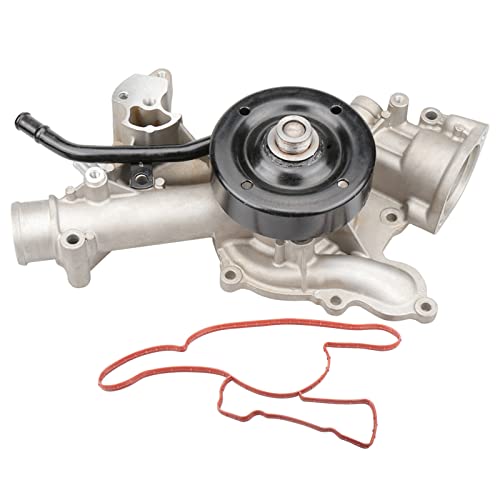
- Water Pump: The water pump ensures that the coolant is circulated efficiently throughout the engine. It’s like the heart of the cooling system.
- Thermostat: The thermostat regulates the flow of coolant based on the engine temperature. It opens and closes to maintain the optimal temperature.
- Hoses: These are the pathways that the coolant travels through, connecting the various components of the cooling system.
Imagine trying to keep your cool on a hot summer day without a fan or air conditioner. It would be impossible, right? The same goes for the 5.7 Hemi engine. Without these critical components, the engine would overheat and suffer damage.
Now, you might be wondering, why is understanding the coolant flow direction important? Well, knowing how the coolant moves can help you identify leaks, blockages, or malfunctioning parts. It’s like being able to read the signs before they become serious problems.
In conclusion, the coolant flow direction in a 5.7 Hemi engine is a dance of precision and efficiency. Each component plays its part to keep the engine cool and running smoothly. So next time you pop the hood, take a moment to appreciate the intricate system working tirelessly to keep your ride in top shape.
Credit: www.tundras.com
Factors Affecting Coolant Flow
Understanding the 5.7 Hemi engine coolant flow direction is essential. Several factors can impact the flow of coolant in your engine. These factors can influence engine performance and longevity. Let’s explore some of these factors in more detail.
Temperature Variations
Temperature variations significantly affect coolant flow. When the engine temperature rises, the thermostat opens. This allows coolant to flow through the engine. If the temperature drops, the thermostat closes. This restricts the flow of coolant. Proper temperature regulation ensures efficient engine operation. It also prevents overheating or freezing.
Engine Load
The engine load also impacts coolant flow. Higher engine loads generate more heat. This requires increased coolant flow to maintain optimal temperatures. Conversely, lower engine loads produce less heat. This reduces the need for coolant flow. Maintaining the right balance is crucial for engine health.
Optimizing Coolant Flow
Optimizing the coolant flow in your 5.7 Hemi engine is essential. Proper flow helps maintain engine temperature and improves performance. Focusing on the coolant flow direction ensures your engine runs smoothly.
Upgrading Components
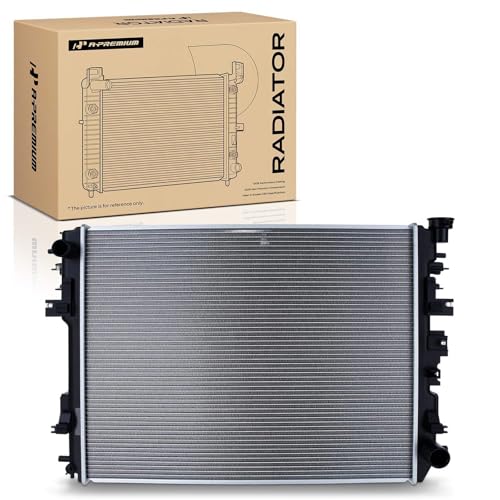
Upgrade your water pump for better coolant circulation. High-performance pumps deliver a steady flow. Consider a radiator with more cooling capacity. It helps in dispersing heat efficiently.
Using high-quality hoses and clamps prevents leaks. Ensure the thermostat is reliable. A good thermostat regulates coolant flow based on engine temperature. These upgrades make a significant difference.
Regular Maintenance Tips
Regularly check coolant levels. Low levels cause overheating. Monitor the radiator for any blockages. Clean it if needed. Inspect hoses for wear and tear. Replace them if they are cracked or brittle.


Flush the coolant system periodically. This removes old coolant and contaminants. Use the right type of coolant for your 5.7 Hemi engine. Follow the manufacturer’s guidelines. Regular maintenance keeps your engine in top shape.
Common Coolant Flow Issues
Owning a car with a 5.7 Hemi engine is like having a beast under the hood. It’s powerful, reliable, and an absolute thrill to drive. But, just like any other powerful machine, it’s not immune to problems. One of the more common issues you might encounter involves the coolant flow. If your engine’s coolant isn’t flowing correctly, it can lead to overheating and other serious damage. Let’s dive into two common coolant flow issues: blockages and leaks.
Blockages
Blockages in your coolant system are like roadblocks; they stop the flow dead in its tracks. These blockages can be caused by a number of things:
- Debris: Sometimes, small particles of rust or dirt can accumulate and create a blockage.
- Old Coolant: If the coolant hasn’t been changed in a while, it can thicken and cause clogging.
- Thermostat Issues: A stuck thermostat can restrict coolant flow.
To avoid blockages, it’s important to regularly check and flush your coolant system. Think of it as a spa day for your car – it needs it to stay in top shape!
Leaks
Leaks are another common issue and can be a real headache. They cause a drop in coolant levels, leading to overheating. Here are some common causes of leaks:
- Worn Hoses: Over time, hoses can crack and wear out, causing leaks.
- Water Pump Problems: If the water pump is failing, it can cause coolant to leak.
- Radiator Issues: A damaged or corroded radiator can also be a source of leaks.
To spot a leak, keep an eye out for puddles under your car or a sudden drop in coolant levels. A quick visit to the mechanic can save you from bigger problems down the road.
In conclusion, keeping an eye on these common coolant flow issues can help you avoid major headaches and costly repairs. Regular maintenance is key – after all, your 5.7 Hemi engine deserves the best care to keep roaring on the road!
Signs Of Improper Coolant Flow
Imagine driving your car on a hot day, only to realize that the engine is overheating. This could be a sign of improper coolant flow in your 5.7 Hemi engine. Coolant ensures that your engine runs smoothly by preventing it from getting too hot. When there are issues with coolant flow, your engine could face serious problems. Let’s explore some common signs that indicate your coolant isn’t flowing correctly.
Overheating Symptoms
One of the first things you’ll notice is your engine’s temperature gauge climbing higher than usual. This is a clear sign that something is wrong. Here are some other symptoms:
- Warning lights: Keep an eye on your dashboard. If the temperature warning light comes on, take action immediately.
- Steam from the hood: Seeing steam is a definite red flag. It means your engine is too hot, and you need to stop your car.
- Engine noise: An overheated engine might make ticking or thumping sounds. These noises are cries for help!
Overheating can cause long-term damage to your engine. So, if you notice any of these symptoms, don’t ignore them.
Engine Performance Decline
Another sign of improper coolant flow is a decline in engine performance. Your car might not run as smoothly as it used to. Here are some performance issues to watch out for:
- Reduced power: If your car feels sluggish and doesn’t accelerate like it used to, coolant flow issues might be the culprit.
- Poor fuel efficiency: Are you visiting the gas station more often? Improper coolant flow can make your engine work harder, using more fuel.
- Rough idling: Does your car shake or vibrate when idling? This could be due to uneven cooling of the engine.
Remember, your engine’s performance is like its heartbeat. Any irregularities should be checked by a professional to prevent further issues.
In short, keeping an eye on your car’s temperature and performance can help you spot coolant flow issues early. This way, you can take action before things get worse. A healthy 5.7 Hemi engine is key to smooth and safe driving.
Credit: www.reddit.com
Coolant Flow Enhancements
Enhancing the coolant flow in a 5.7 Hemi engine can improve its performance and longevity. Effective coolant flow ensures that the engine maintains optimal temperatures, reducing the risk of overheating. Here are some methods to enhance the coolant flow:


Performance Additives
Performance additives can significantly improve coolant flow. These additives reduce friction and enhance heat transfer. They ensure the coolant moves smoothly through the engine components. By doing so, they prevent hotspots and maintain a consistent temperature.
Advanced Cooling Systems
Advanced cooling systems offer another way to enhance coolant flow. High-performance radiators are one example. These radiators have larger surface areas and better heat dissipation. This means the engine stays cooler even under heavy loads.
Electric water pumps also contribute to improved coolant flow. They provide a constant and adjustable flow rate. This helps maintain the ideal engine temperature, regardless of the driving conditions. Advanced cooling systems are especially beneficial for high-performance or modified engines.
Frequently Asked Questions
Which Direction Does Engine Coolant Flow?
Engine coolant flows from the radiator to the engine block. It then circulates through the cylinder head and returns to the radiator. This cycle helps regulate the engine’s temperature, preventing overheating.
What Is The Order Of The Coolant Flow?
Coolant flows from the radiator to the engine. Then it moves to the water pump and back to the radiator. This cycle repeats.
In What Direction Is The Coolant Pump?
The coolant pump direction depends on the vehicle model. Typically, it operates clockwise. Check your car’s manual for specifics.
How Does A Coolant System Flow?
Coolant flows through the engine, absorbing heat. It then moves to the radiator, where it cools down. The coolant repeats the cycle.
Conclusion
Understanding the 5. 7 Hemi engine coolant flow direction is crucial. It helps maintain engine temperature. Proper coolant flow prevents overheating. This ensures your engine runs efficiently. Regular maintenance is key. Always check coolant levels and flow. Keeping your engine cool extends its lifespan.
Remember, a well-maintained engine performs better. Stay informed and keep your vehicle in top shape. Happy driving!