6.7 Cummins Grid Heater Delete Pros and Cons (2026): Cold-Start Guide

A 6.7L Cummins grid heater warms intake air for cold starting. Removing or bypassing it can worsen cold starts and white smoke, and a vehicle-specific repair or approved replacement is usually the safer decision. This guide compares the trade-offs rather than selling unrelated block-heater cords.
Options Compared


| Path | Purpose | Check |
|---|---|---|
| Keep and inspect factory heater | Preserves intended cold-start aid | Inspect relay, wiring and intake hardware by VIN |
| Repair faulty heater | Restores intended system | Use model-specific service procedure |
| Delete or bypass | May address a particular hardware concern | Cold-start and compliance implications need specialist review |
Grid Heater Options and Trade-Offs


Complete Buying Guide for 6.7 Cummins Grid Heater Delete Pros And Cons


If a fault is present, identify the exact relay, wiring, element or intake hardware issue with a VIN-specific service procedure before ordering parts.
Essential Factors We Consider
A component change should preserve safe cold-start operation and the truck’s legal configuration. Consult a qualified diesel technician for an approved solution.
- No dyno result or measured airflow gain was available for this article. Treat horsepower claims as unverified until supported by a controlled test.
- Cold-weather starting behavior varies with ambient temperature, battery condition and engine state. Use the Ram manual procedure and inspect the existing system.
- The grid heater is an intake-air cold-start aid. Keeping it functional is the reference choice when the hardware and electrical circuit are sound.
- If a fault is present, identify the exact relay, wiring, element or intake hardware issue with a VIN-specific service procedure before ordering parts.
- A component change should preserve safe cold-start operation and the truck’s legal configuration. Consult a qualified diesel technician for an approved solution.
- No dyno result or measured airflow gain was available for this article. Treat horsepower claims as unverified until supported by a controlled test.
The “Killer Bolt”: Why This Discussion Exists at All

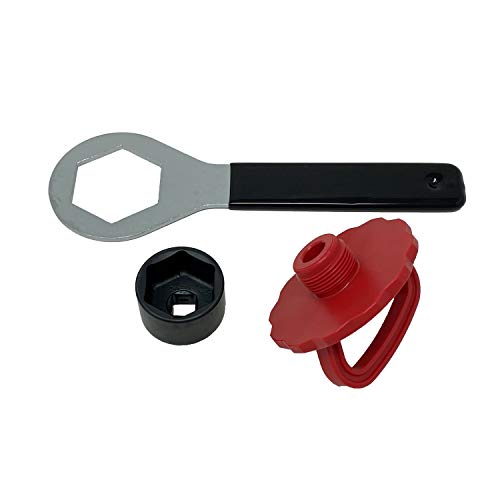


Owners call the factory grid-heater terminal hardware the “killer bolt” (or “killer nut”) for one reason: the bolt/stud assembly lives inside the intake path, and over many heat cycles, vibration, electrical load, and corrosion exposure it can loosen, overheat, melt, or break. If hardware drops into the intake, airflow and gravity funnel it toward the rear of the plenum — cylinder #6 is the cylinder most often cited in owner reports — where it can damage the piston, valve, cylinder head, or worse. Most trucks never experience this failure; it is a low-frequency, high-consequence risk, and damaged hardware should be treated as an inspection finding, not proof that every factory heater will fail. See our 6.7 Cummins grid heater problems guide for the failure signs in detail.
Warning signs to stop and inspect — do not keep driving on them:
- Intake-air heater trouble codes: P2609, P0542, P2607, or P2608.
- Factory remote start stops working — the ECM disables it when an emissions or heater-circuit fault is active.
- Visible hot spots, arcing marks, a loose terminal, melted insulation, or abnormal voltage drop at the heater terminal.
- Rougher cold starts or white smoke that is new for the truck.
The decision, honestly: deleting the heater assembly removes that specific hardware-ingestion risk, but it does not remove every intake or engine risk, and it trades away cold-start help, can set heater codes (P2609 and friends) unless the circuit is handled correctly, and carries compliance and warranty implications. A heater-retaining upgrade — a replacement intake that removes the factory post but keeps a heating element — preserves cold starts while removing the factory hardware; it is the middle path for cold-climate daily drivers. For warm-climate trucks, or trucks already getting intake work, a delete plate is the option owners most often weigh. Whatever the path, inspect first: many trucks need nothing more than a terminal inspection and a healthy relay and wiring. The law, plainly: the grid heater is part of the factory cold-start and emissions-calibration strategy, so removing or defeating emissions-related equipment on a road vehicle can violate the Clean Air Act (42 U.S.C. § 7522(a)(3)) — “off-road use only” labels do not create an exemption for a road truck. Confirm local requirements before modifying, as our 6.7 Cummins delete-kit legal repair guide explains.
Budget Planning


Cold-weather starting behavior varies with ambient temperature, battery condition and engine state. Use the Ram manual procedure and inspect the existing system.
Final Thoughts



The grid heater is an intake-air cold-start aid. Keeping it functional is the reference choice when the hardware and electrical circuit are sound.
Q: What are the warning signs of grid heater bolt failure?


A: Intake heater codes (P2609, P0542, P2607, P2608), factory remote start stopping, and visible heat or arcing damage at the heater terminal. Any of these means inspect before driving on — the hardware sits in the intake path.
Frequently Asked Questions


Q: What is the 6.7 Cummins grid heater for?
A: The intake-air heater helps the diesel start and reduces white smoke in cold conditions. Confirm the operating strategy in the Ram owner manual for the exact year.
Q: Why do people delete the 6.7 Cummins grid heater?
A: Owners may investigate the intake heater because of wiring, relay or hardware concerns. Diagnose the specific failure first; a concern alone does not establish that removal is the right repair.
Q: What are the pros of a 6.7 Cummins grid heater delete?
A: Removal can eliminate one physical component, but claimed airflow or horsepower gains were not independently established here. Any change needs a vehicle-specific engineering and compliance review.
Q: What are the cons of a 6.7 Cummins grid heater delete?
A: Loss of cold-start assistance, possible white smoke, fault codes and legal or warranty consequences depend on the truck and configuration.
Q: Will deleting the grid heater affect my truck’s performance?
A: No measured performance gain is presented. Confirm the exact failure and evaluate a compatible repair or approved replacement before changing the intake-air system.
Q: Are grid heater deletes legal?
A: Rules vary by jurisdiction and configuration. Confirm requirements with the appropriate regulator and a qualified diesel specialist; do not assume a broad off-road exemption.
Q: What are alternatives for cold weather starting if I delete the grid heater?
A: Keep and repair the factory intake heater, inspect its electrical control and use the manufacturer-recommended cold-weather starting procedure.
No dyno result or measured airflow gain was available for this article. Treat horsepower claims as unverified until supported by a controlled test.
Official reference: Vehicle or EPA guidance. Check the latest service information for the exact VIN.