Ford 2.7 EcoBoost Sensor Location Diagram: 2026 Full Guides

Every sensor on the 2.7L EcoBoost V6 sits in one of three zones, and the zone tells you how big the job is. The top of the engine holds the MAP, MAF, boost, and camshaft sensors. The intake valley hides the knock sensors, the original coolant sensor, and the fuel rail sensors.
The crank, oil pressure, head temperature, and oxygen sensors sit low, at the rear, or in the exhaust. Most location guides online are written for the 3.5L EcoBoost, and the 2.7L does not share every spot.


The diagram below maps all of them in one view, with the Gen 1 and Gen 2 differences called out.
2.7L EcoBoost Sensor Location Map


Ford F-150, 2015 and newer. Top view, radiator at top.
Schematic, not to scale. Red markers sit under the intake manifold.
- 1MAP with built-in IATTop of intake, behind throttle body
- 2MAF and IATIntake path after the air box
- 3Boost pressure (TIP)Charge pipe ahead of throttle body
- 4Camshaft position x4Rear of each valve cover, 2 per bank
- 5Knock sensors x2Engine valley under intake
- 6ECT, original spotUnder intake manifold
- 7ECT, TSB 21-2168 relocatedUpper heater hose, 2018 to 2020
- 8High pressure fuel railRear driver side, under intake
- 9Low pressure port railGEN 2Port injection rail, under intake
- 10Crankshaft positionRear passenger side, via RH splash shield
- 11Oil pressureLower front, passenger side
- 12Cylinder head temperatureRear of passenger cylinder head
- 13Oxygen sensors x42 upstream, 2 downstream of cats
Where Every 2.7 EcoBoost Sensor Sits on the F-150


Use the numbers on the diagram to match each sensor to the table below it. The view is from above, with the radiator at the top of the image.
On the F-150, Bank 1 is the passenger side and holds cylinders 1, 2, and 3, numbered front to rear. Bank 2 is the driver side and holds cylinders 4, 5, and 6.
This quick reference table lists each sensor, where it mounts, and how much you have to remove to reach it.
| # | Sensor | Location | Access | Generation |
|---|---|---|---|---|
| 1 | MAP with built-in IAT | Top of intake manifold, directly behind the throttle body | Easy | Both |
| 2 | MAF and IAT | Intake air path right after the air filter box | Easy | Both |
| 3 | Boost pressure (TIP) | Charge air pipe ahead of the throttle body | Easy | Both |
| 4 | Camshaft position x4 | Rear of each valve cover, two per bank | Easy | Both |
| 5 | Knock sensors x2 | Engine valley under the intake manifold | Intake off | Both |
| 6 | ECT, original spot | Under the intake manifold | Intake off | Both |
| 7 | ECT, TSB relocated | Upper heater hose | Easy | 2018 to 2020 TSB repair |
| 8 | High pressure fuel rail | Rear of engine, driver side, under the intake | Intake off | Both |
| 9 | Low pressure port fuel rail | Port injection rail under the intake | Intake off | Gen 2 only |
| 10 | Crankshaft position | Low at the rear passenger side, near the bellhousing | Moderate | Both |
| 11 | Oil pressure | Lower front of the engine, passenger side | Moderate | Both |
| 12 | Cylinder head temperature | Rear of the passenger side cylinder head | Moderate | Gen 1 confirmed |
| 13 | Oxygen sensors x4 | Two upstream and two downstream of the catalysts | Moderate | Both |
The layout above follows a published 2017 F-150 2.7L EcoBoost sensor map and owner-confirmed locations for 2018 and newer trucks. Which of these sensors your truck carries depends on whether it has the Gen 1 or the Gen 2 engine.
How Gen 1 and Gen 2 2.7 EcoBoost Sensor Layouts Differ

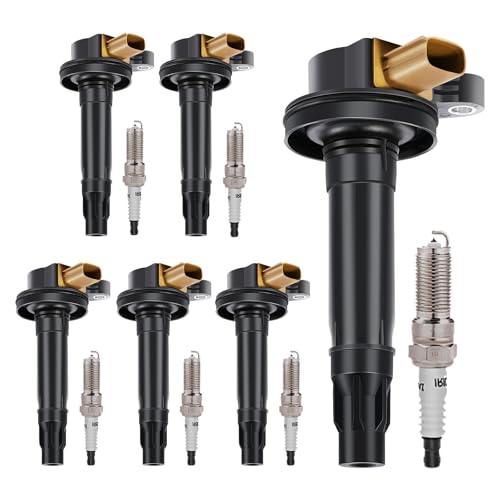
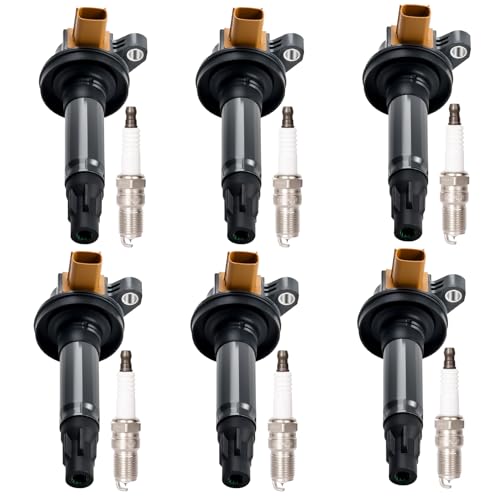

Ford redesigned the 2.7L EcoBoost for the 2018 F-150, and that redesign added hardware that 2015 to 2017 trucks do not have. Ford’s own 2018 F-150 specification page confirms dual port and direct injection on the second-generation 2.7L.


Here is how the two generations compare on the parts that affect sensor work.
| Feature | Gen 1, 2015 to 2017 | Gen 2, 2018 and newer |
|---|---|---|
| Fuel injection | Direct injection only | Port plus direct injection |
| Fuel pressure sensors | One high pressure rail sensor | High pressure rail sensor plus a low pressure port rail sensor |
| EGR (Exhaust Gas Recirculation) | No high pressure EGR system | New high pressure EGR system |
| Turbo wastegates | Not electronically controlled | Electronically controlled |
| Peak torque | 375 lb-ft | 400 lb-ft |
| Transmission | 6-speed automatic | 10-speed automatic |
Replacement parts follow that split. AmericanTrucks lists its oil pressure sensor for 2015 to 2017 2.7L trucks only, while its intake camshaft sensor covers 2015 to 2018. Enter your exact model year before you order anything.
The extra 25 lb-ft also raised what Gen 2 trucks can pull, and our Ford towing capacity chart breaks those ratings down by year. With your generation confirmed, start with the sensors you can reach without pulling anything major.
4 Top of Engine 2.7 EcoBoost Sensors You Can Reach Easily


These four sensors sit on or near the top of the engine. Most of them come out with the engine cover off and basic hand tools.



MAP and IAT Sensor Behind the Throttle Body
The MAP (Manifold Absolute Pressure) sensor sits on top of the intake manifold, directly behind the throttle body, under the engine cover. It has an IAT (Intake Air Temperature) element built in, so it reads both pressure and temperature after the turbos and intercooler.
Codes P0106 through P0108 point to this sensor or its circuit. Pull the engine cover straight up, unplug the connector, and remove the sensor from the manifold.
MAF and IAT Sensor After the Air Box
The MAF (Mass Air Flow) sensor and the first IAT sensor sit in the intake air path right after the air filter box. They measure the air entering the engine before it reaches the turbochargers.
This sensor is the easiest one on the engine to reach. A MAF fault usually shows up as hesitation, poor fuel economy, or lean codes.



Boost Pressure Sensor in the Charge Pipe


The 2.7L uses a separate TIP (Throttle Inlet Pressure) sensor to read boost before it reaches the throttle body. Aftermarket boost tuner instructions for the 2.7L treat it as a different sensor from the MAP on the manifold.
OpenLaborProject lists 15 Nm (11 lb-ft) as the boost pressure sensor torque for the 2015 to 2020 F-150 2.7L. A P0236 code points to this sensor’s range or performance.
Camshaft Position Sensors on Each Bank
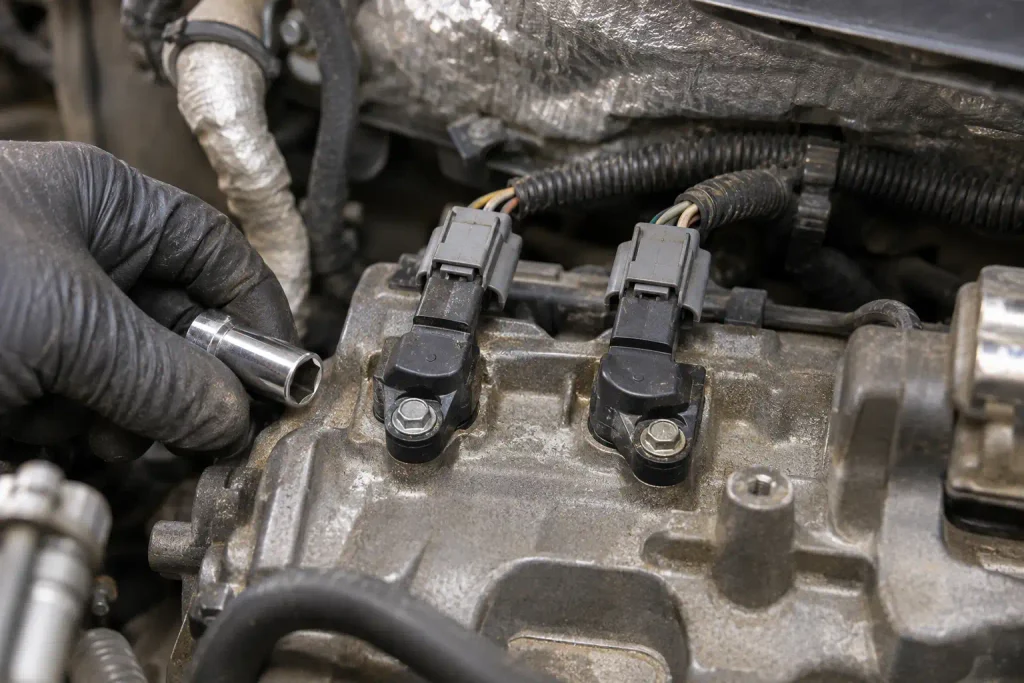
The 2.7L EcoBoost has four CMP (Camshaft Position) sensors, one intake and one exhaust on each cylinder head. All four mount at the rear of the valve covers, near the firewall, and become visible once the engine cover is off.
The silver cylinders at the front of the valve covers are VCT (Variable Camshaft Timing) solenoids, not cam sensors. Owners confuse the two often. On the passenger side, the lower of the two rear sensors is the Bank 1 exhaust sensor, which Ford calls sensor B.
Each sensor uses one bolt and a single connector. Repair data for the 3.5L EcoBoost lists 10 Nm (7 lb-ft) for the CMP bolt, but we could not find a published 2.7L figure, so confirm it in the workshop manual. AmericanTrucks sells the intake CMP sensor for 2015 to 2018 2.7L trucks at $38.99.
The next four sensors are a different job entirely.
4 Buried 2.7 EcoBoost Sensors Under the Intake Manifold


Four sensors on the 2.7L EcoBoost sit under the intake manifold, and none of them come out without pulling it. If you are already removing the manifold, check all four while it is off.
Two Knock Sensors in the Engine Valley
Ford placed two knock sensors in the valley between the cylinder heads, under the entire intake manifold. Replacement ranks as a 5 out of 5 difficulty job and takes about 4 hours of labor.
Repair data for the 3.5L EcoBoost and 5.0L lists 20 Nm (15 lb-ft) for knock sensors and warns that over or under torque causes false knock readings. We could not confirm a 2.7L-specific figure, so verify it in the manual before you tighten anything.
Because labor drives the cost, replace both sensors while the intake is off. Our guide on how long a knock sensor lasts explains what shortens their life.
Original Coolant Temperature Sensor Location
The ECT (Engine Coolant Temperature) sensor on the 2.7L sits under the intake manifold, a spot that exposes it to heat and vibration. Owners of 2015 trucks confirm the manifold has to come off to replace it.
Repair databases list the original-location job at 8 or more hours. RepairPal’s 2023 F-150 estimate puts an ECT sensor replacement at $686 to $813, and that figure is not specific to the 2.7L.
For 2018 to 2020 trucks, Ford offers a cheaper path. TSB (Technical Service Bulletin) 21-2168 replaces the heater hose with one that carries a relocated ECT sensor and adds a jumper harness.
| Repair path | Main part | Approximate labor |
|---|---|---|
| ECT in the original spot | Sensor, about $24 at AmericanTrucks | 8 or more hours |
| TSB 21-2168 relocation | Kit ML3Z-14A411-H, about $75 to $120 | About 2 hours |
One trap: the CHT (Cylinder Head Temperature) sensor at the rear of the passenger head often gets mistaken for the ECT. Confirm the part before you order.
High Pressure Fuel Rail Pressure Sensor


The FRP (Fuel Rail Pressure) sensor sits at the rear of the engine on the driver side, mounted on the direct injection fuel rail under the intake manifold. Parts catalogs list the same direct injection rail location for 2021 to 2024 F-150 2.7L trucks.
Codes P0191 through P0193 point to this sensor’s circuit. AmericanTrucks sells a replacement that fits 2015 to 2020 2.7L, 3.5L, and 5.0L trucks for $59.99.
Compare the scan tool reading against a mechanical fuel pressure gauge before you condemn the sensor. A failing high pressure fuel pump can set similar codes.
Low Pressure Port Fuel Rail Sensor on Gen 2
Gen 2 trucks add a low pressure sensor for the port injection system. Owners of Gen 2 3.5L EcoBoost trucks report it on the port injector fuel rail under the intake, beside a separate fuel temperature sensor.
We could not find a 2.7L-specific confirmation of that position. Check the workshop manual or a dealer parts diagram for your VIN before you pull the manifold. The remaining sensors sit low on the engine, at the rear, or in the exhaust.
4 Lower and Rear 2.7 EcoBoost Sensors and Where to Find Them
The crankshaft position sensor is the one 2.7L owners struggle to find most, because it does not sit where 3.5L guides put it. It and three other sensors are covered below.
Crankshaft Position Sensor Behind the Fender Liner
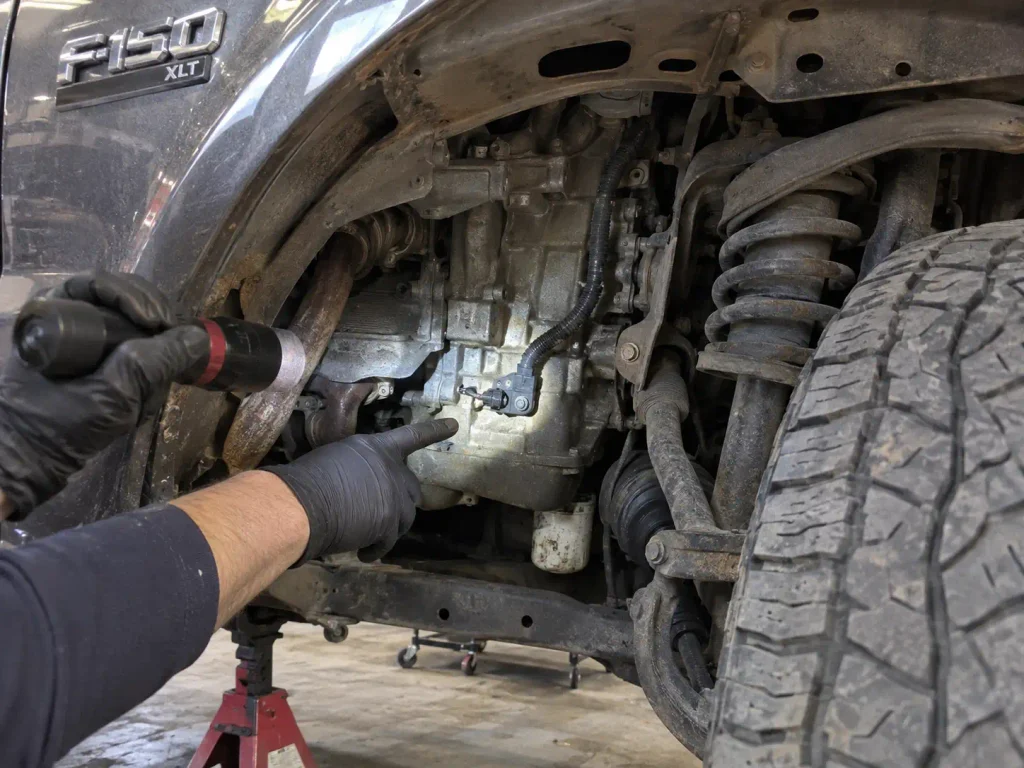
The CKP (Crankshaft Position) sensor sits low at the rear of the engine block on the passenger side, near the bellhousing. A mechanic answering a 2016 F-150 2.7L question on 2CarPros places it behind the right-hand fender splash shield.
- Remove the right-hand front fender splash shield.
- Unplug the CKP sensor electrical connector.
- Remove the retainer and pull the sensor straight out.
- Install the new sensor and tighten the retainer to 10 Nm (about 7 lb-ft).
- Reinstall the splash shield.
- Run the Misfire Monitor Neutral Profile Correction routine with a scan tool.
Step 6 is part of Ford’s procedure, so budget for a scan tool that supports it. Codes P0335 through P0339 point to this sensor.
Oil Pressure Sensor Near the Filter Housing
The oil pressure sensor sits at the lower front of the engine on the passenger side, around the corner from the top-mounted oil filter housing. AmericanTrucks lists a replacement for 2015 to 2017 2.7L trucks at $48.99.
Codes P0520 through P0524 point here. Confirm low oil pressure with a mechanical gauge before you replace the sensor.
Ford service message SSM 47922 tells technicians to inspect the 2.7L oil filter housing center stem and replace its O-rings at every filter change. One 2.7L F-150 owner cleared a P0524 code by replacing a bad O-ring on that housing.
Cylinder Head Temperature Sensor on the Passenger Head


The CHT sensor threads into the rear of the passenger side cylinder head. It reports metal temperature, which the PCM (Powertrain Control Module) uses alongside the ECT to protect the engine from overheating.
Owners hunting for the coolant sensor often find this one first. Confirm which sensor your code names before you order a part.
Upstream and Downstream Oxygen Sensors
The 2.7L has four oxygen sensors: two upstream before the catalytic converters and two downstream after them. The Bank 1 upstream sensor, labeled HO2S11, sits in the passenger side exhaust.
Some parts cross over between engines. The Motorcraft DY1303 upstream left sensor fits both the 2.7L and 3.5L EcoBoost and lists at $157.99 on AutoParts.com.
If an upstream code like P0131 or P0151 returns after a new sensor, inspect the exhaust manifold for a crack. Our F-150 exhaust system diagram shows how the manifolds, cats, and pipes connect.
If you have a code but do not know which sensor it points to, use the map below.
Which Trouble Codes Point to Each 2.7 EcoBoost Sensor
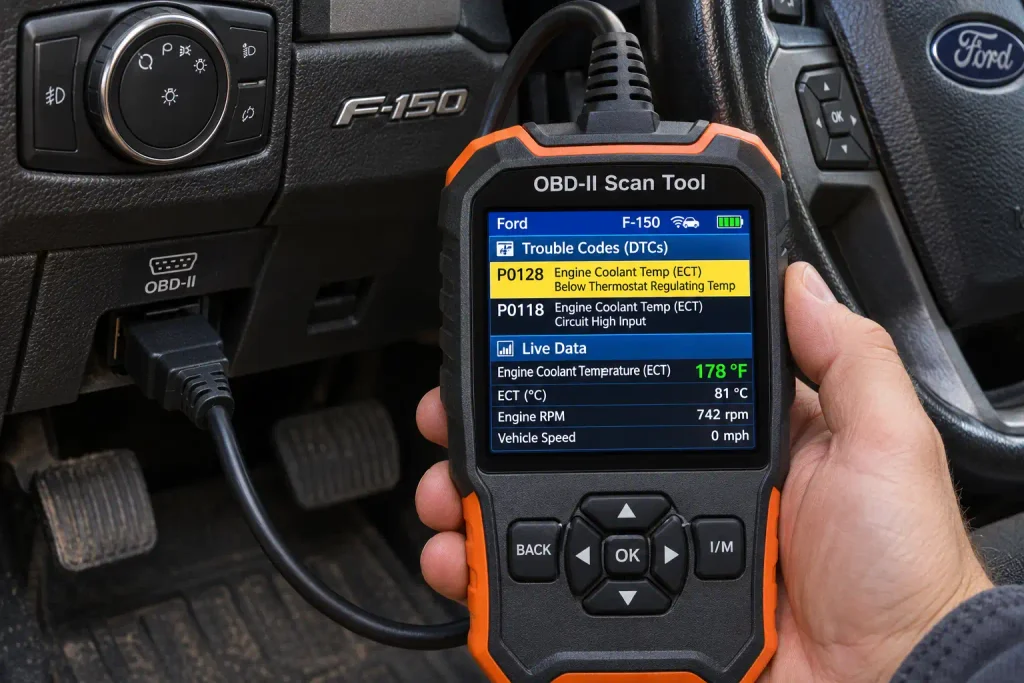
A trouble code tells you the circuit, not the failed part, so use this table to find the sensor and then confirm with live data.
| Code range | What it reports | Sensor to check |
|---|---|---|
| P0106 to P0108 | MAP circuit | MAP behind the throttle body |
| P0116 to P0119, P0128, P0217, P1299 | Coolant temperature and over temperature | ECT, check TSB 21-2168 first |
| P0191 to P0193 | Fuel rail pressure sensor circuit | FRP on the direct injection rail |
| P0236 | Boost sensor range | TIP sensor in the charge pipe |
| P0325 to P0334 | Knock sensor circuits | Knock sensors in the valley |
| P0335 to P0339 | Crank sensor circuit | CKP near the bellhousing |
| P0340 to P0349, P0365 to P0394 | Cam sensor circuits | CMP sensors at the rear of the heads |
| P0520 to P0524 | Oil pressure | Oil pressure sensor |
| P0130 to P0161 | Oxygen sensor circuits | Upstream or downstream O2 sensors |
A P0217 on the 2.7L is often a false overheat caused by the ECT sensor or its wiring. Check the coolant level and watch live ECT data before you assume the engine is overheating.
To bench test a suspect sensor, compare it against published coolant temperature sensor resistance values at a known temperature. Ford has also issued bulletins that change where a technician should look first.
3 Ford Bulletins Every 2.7 EcoBoost Owner Should Check
Before you buy a single sensor, check these Ford bulletins. They cover some of the most common 2.7L warning lights.
TSB 21-2168 for 2018 to 2020 Coolant Sensor Faults
This bulletin covers 2018 to 2020 F-150 trucks with the 2.7L EcoBoost. The TSB 21-2168 summary lists codes P0116 through P0119, P0128, P0217, P0330, P1026, and P1299 and blames an intermittent drop in ECT voltage.
The fix is the relocated ECT heater hose and jumper harness described above. Give the TSB number to your dealer when you book the repair.
TSB 24-2441 for 2024 Over Temperature Warnings
This bulletin covers the 2024 F-150 with the 2.7L EcoBoost. Affected trucks show an engine over temperature warning and a lit MIL with P1299 and/or P2C39, while the fan works and the truck loses no coolant.
According to the Ford TSB 24-2441 document filed with NHTSA, the cause is PCM software, and the fix is a 0.3-hour reprogram. No sensor gets replaced, so do not buy one for this warning on a 2024 truck.
TSB 18-2270 for Early 2018 Misfire and Lean Codes
This bulletin covers 2018 F-150 2.7L trucks built on or before July 12, 2018, with more than 500 miles. Codes include P0300 through P0306, P0316, P2196, P2198, P0171, and P0174.
P2196 and P2198 can look like oxygen sensor faults, but Ford’s fix is replacing the direct injection fuel injectors. Check this bulletin before you buy O2 sensors for an early 2018 truck.
Most failed sensor repairs on this engine come down to a handful of avoidable mistakes.
5 Common Mistakes When Replacing 2.7 EcoBoost Sensors
These five mistakes account for most repeat sensor jobs on the 2.7L.
- Following a 3.5L video. The crank sensor, sensor access, and part numbers differ, so use 2.7L-specific procedures.
- Mixing up the banks. Bank 1 is the passenger side on the F-150, and the code tells you which bank failed.
- Skipping the crank sensor relearn. Ford’s CKP procedure ends with a misfire profile correction in a scan tool.
- Replacing the sensor before the connector. Pins that are loose or contaminated set the same codes as a dead sensor and cost nothing to check.
- Buying a cheap sensor for a buried location. When labor runs 4 to 8 hours, saving a few dollars on the part is not worth a second teardown.
Finding the Right 2.7 EcoBoost Sensor the First Time
A 2.7 EcoBoost sensor location diagram only helps if you start with the right engine generation. Confirm whether your truck is a 2015 to 2017 Gen 1 or a 2018 and newer Gen 2, then match the code to the sensor using the table above.
Check the Ford bulletins before you spend money, especially for coolant and over temperature warnings. Sensors on top of the engine are driveway jobs, while anything under the intake deserves a quote from a shop that knows the 2.7L.
2.7 EcoBoost Sensor Location FAQ
Where is the crankshaft position sensor on a 2.7 EcoBoost?
It sits low at the rear of the engine on the passenger side, near the bellhousing. You reach it by removing the right front fender splash shield. Ford calls for a misfire profile correction with a scan tool after replacement.
How many knock sensors does the 2.7 EcoBoost have?
The 2.7L EcoBoost uses two knock sensors. Both sit in the engine valley under the intake manifold, so the manifold must come off to replace either one. Plan on about 4 hours of labor, and replace both while the intake is off since the labor is the expensive part.
Do you have to remove the intake to replace the 2.7 EcoBoost coolant temp sensor?
In the original location, yes. On 2018 to 2020 F-150 trucks, TSB 21-2168 relocates the ECT sensor to the upper heater hose. That cuts the job to about 2 hours, and the kit part number is ML3Z-14A411-H. Ask your dealer about the bulletin first.
Which side is Bank 1 on a 2.7 EcoBoost F-150?
Bank 1 is the passenger side, which holds cylinders 1, 2, and 3. Cylinder 1 sits closest to the radiator. Bank 2 is the driver side with cylinders 4, 5, and 6. Every bank-specific code, from cam sensors to O2 sensors, follows this layout.
Are 2.7 EcoBoost sensor locations the same in the Bronco and Ranger?
The 2021 and newer Bronco and the 2024 and newer Ranger use the Gen 2 2.7L, and parts catalogs list shared sensors such as the direct injection fuel rail pressure sensor. Access differs because of packaging, and TSB 21-2168 applies only to the F-150.
Does the 2.7 EcoBoost share sensors with the 3.5 EcoBoost?
Some parts interchange. The DY1303 upstream left O2 sensor and the 2015 to 2018 intake cam sensor fit both engines. Sensor locations and access steps differ, especially for the crankshaft position sensor. Always buy by engine size and model year, not by engine family.