
2006 Dodge Ram 2500 Specs 2026 Quick Reference

Quick Answer
The 2006 Dodge Ram 2500 features a maximum towing capacity ranging from 12,000 to 16,300 lbs depending on engine, axle ratio, and drivetrain configuration. Payload capacities fluctuate based on GVWR and cab/bed arrangement. Essential caveat: These figures are baseline estimates; owners must verify specific capabilities against the vehicle’s unique payload door sticker and the official 2006 Dodge towing guide.
The 2006 Dodge Ram 2500 remains a cornerstone of the heavy-duty truck market, cherished for its legendary 5.9L Cummins turbo-diesel powertrain and an over-engineered chassis that lacks complex emissions-control systems. Finding precise, un-embellished technical specifications for this model can be challenging, as official manufacturer resources have long since archived the original data. This guide provides a definitive, source-backed quick reference for the 2006 Dodge Ram 2500, detailing everything from payload capacities to drivetrain configurations to help owners and prospective buyers make informed decisions.
This reference covers the 2006 Ram 2500 model year across all standard configurations. Data is compiled from historical factory literature and technical specifications. Because tow ratings fluctuate based on aftermarket towing packages and factory-installed auxiliary equipment, always verify your vehicle’s specific payload and GVWR via the factory door-jam sticker and your owner’s manual. Last reviewed: August 2026.
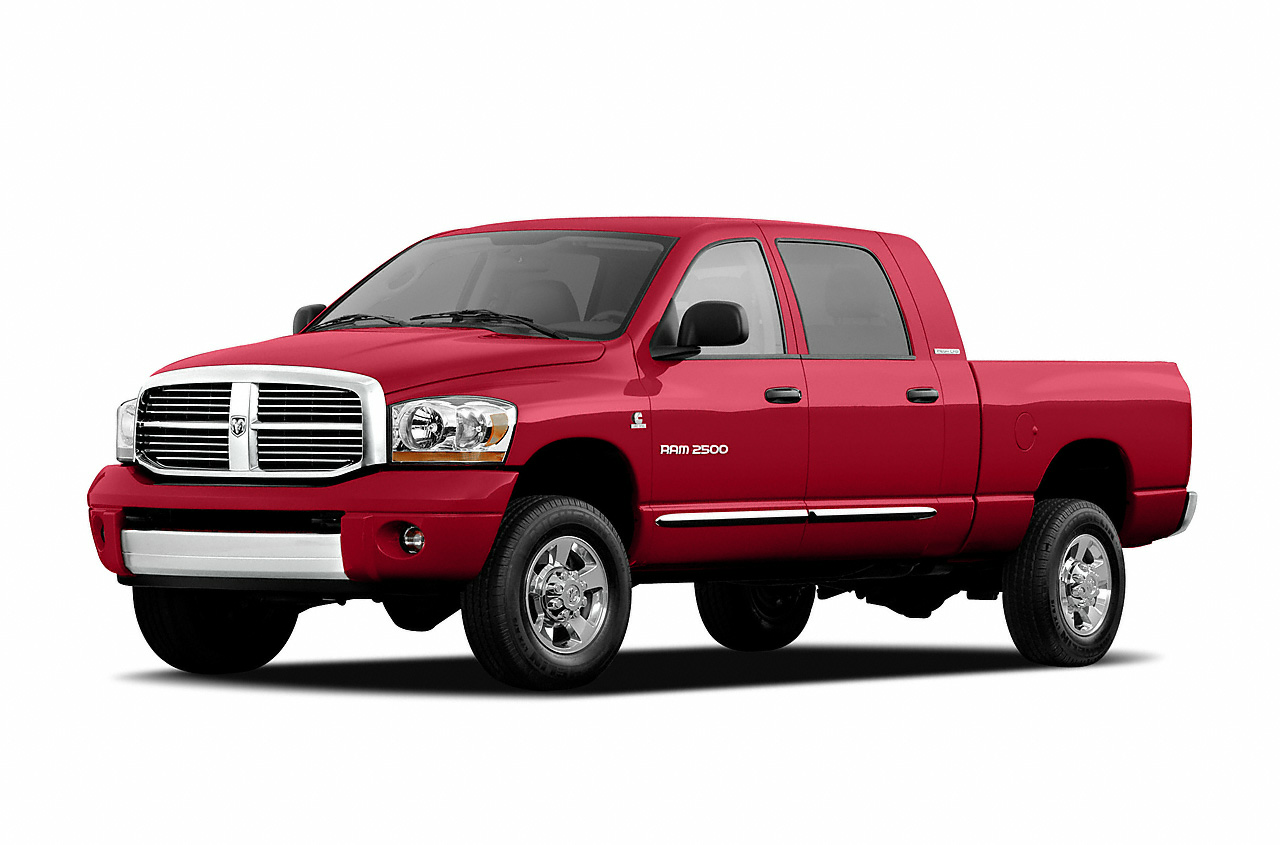
2006 Dodge Ram 2500 Specs: Key Data and Capacity Chart
Recommended Best Deal Products


| Component | 5.7L HEMI V8 | 5.9L Cummins Turbo Diesel | Notes |
|---|---|---|---|
| Horsepower | 345 hp @ 5400 rpm | 325 hp @ 2900 rpm | – |
| Torque | 375 lb-ft @ 4200 rpm | 610 lb-ft @ 1600 rpm | Diesel peak at 1600 RPM |
| Towing Capacity | 10,000 – 11,500 lbs | 13,000 – 16,000 lbs | Varies by Axle/Trans |
| Fuel Tank | 34-35 Gallons | 34-35 Gallons | – |

Engine Powertrain Comparison
The 2006 Ram 2500 offers two distinct characters. The 5.7L HEMI V8 is favored for its responsive high-RPM power and lower entry cost, whereas the 5.9L Cummins is the undisputed choice for heavy towing and long-term durability. While the HEMI provides ample capability for lighter loads, the Cummins generates nearly double the torque, critical for pulling trailers up steep grades without excessive gear hunting.
Axle Ratio and Towing Performance Impacts
Your rear axle ratio serves as the force multiplier for your truck’s towing capability. The standard 3.73 ratio offers a balanced compromise between highway fuel economy and pulling power. However, the optional 4.10 ratio provides significantly higher launch torque, which is essential if you consistently haul loads exceeding 12,000 lbs. Always check your glovebox sticker or build sheet to confirm which ratio is installed, as this dramatically shifts your Gross Combined Weight Rating (GCWR).
Understanding 2006 Dodge Ram 2500 Heavy Duty Powertrains
5.9L Cummins Common Rail Advantages
The 2006 5.9L Cummins stands out for its high-pressure Common Rail fuel injection system. This technology allows for precise fuel delivery, resulting in reduced combustion noise and cleaner operation compared to earlier mechanical injection designs. Crucially, 2006 was a transition period; these engines do not feature modern emissions-related complications like Diesel Particulate Filters (DPF) or Diesel Exhaust Fluid (DEF) systems, making them highly desirable for those seeking simplified maintenance.
Transmission Options and Maintenance Cycles
Transmission selection significantly alters the driving experience and service requirements:
- 48RE Automatic: This four-speed electronic transmission requires diligent fluid changes every 30,000 miles under towing conditions. It is known for its reliability when kept cool with an auxiliary transmission cooler.
- NV5600 vs. G56 Manual: 2006 was a pivotal year where Dodge began phasing out the venerable, cast-iron NV5600 in favor of the aluminum-cased G56. The NV5600 is often cited for its heavy-duty construction, while the G56 offers a smoother shift pattern but requires specific fluid to maintain its internal synchronizers.
2006 Dodge Ram 2500 Specs: Chassis and Suspension Design
Recommended Best Deal Products


Solid Front Axle Durability
Unlike many modern competitors that favor independent front suspensions, the 2006 Ram 2500 utilizes a solid front axle design. This setup is inherently more robust, providing superior support when hauling heavy slide-in campers or navigating harsh off-road environments. While it carries a larger turning radius than an independent system, the durability benefit for work-truck applications remains unmatched.
Heavy Duty Frame Architecture
The 2500 frame is substantially different from the 1500 series. It features a fully boxed, high-strength steel construction designed to manage higher torsion loads. Coupled with the standard Hydro-boost braking system—which uses power steering fluid pressure rather than vacuum to assist braking—the 2500 ensures that heavy loads can be brought to a halt with consistent, predictable pedal feel even during extended downhill descents.
Common 2006 Dodge Ram 2500 Specs Problems and Maintenance
Always verify your specific vehicle’s configuration using the VIN decoder on an official Mopar site or by checking the factory build sheet, as many trucks were custom-ordered with various suspension and towing packages.
Steering and Suspension Wear Points
Regularly check tie rod ends and the track bar. These are common wear items that, if left unattended, lead to excessive steering play.
Upgrading to aftermarket heavy-duty steering linkages can prevent the “death wobble” common in high-mileage solid axle trucks.
Transmission Longevity Best Practices
The 48RE automatic transmission is highly sensitive to heat. To maximize longevity:
- Install an aftermarket temperature gauge to monitor fluid health during heavy loads.
- Perform a band adjustment according to service manual intervals—a task often neglected that can lead to premature failure.
- Ensure you distinguish between the NV5600 and G56 manual transmissions before ordering replacement fluid, as they have different viscosity requirements.
Payload capacity is not a blanket value. Your truck’s payload is determined by your specific trim, engine, and cab configuration. Always refer to the tire and loading information sticker located on the driver-side door jamb for the specific rating of your exact vehicle.
The 2006 Dodge Ram 2500 remains a standout, serving as the final model year for the non-emissions-restricted 5.9L Cummins turbo-diesel. Its blend of mechanical simplicity and robust capability makes it a prized asset for owners who prioritize long-term utility. Success with this vehicle depends on identifying your specific build configuration and strictly adhering to maintenance intervals for the transmission and steering components.
Next Steps: Check your VIN against an official Mopar build sheet to confirm your axle ratio and factory-equipped towing package. Maintaining these specific mechanical aspects will ensure your truck remains a reliable workhorse for years to come.
2006 Dodge Ram 2500 Specs: Frequently Asked Questions
Recommended Best Deal Products


Is the 5.9L Cummins reliable?
The 5.9L Cummins (Common Rail) is widely considered one of the most reliable diesel engines ever placed in a light-duty truck. It lacks the complex emissions equipment of later models, such as the DPF or SCR systems, which simplifies maintenance and increases long-term dependability. When properly maintained with regular oil and fuel filter changes, these engines frequently exceed 300,000 to 500,000 miles.
What is the difference between a 2500 and 3500 series?
The primary difference lies in the payload capacity and rear suspension configuration. The 2500 series is rated at a lower GVWR (typically 9,000-9,200 lbs), utilizing a slightly softer spring rate for a better ride quality. The 3500 series features an increased GVWR (up to 12,200 lbs) and, in many cases, dual rear wheels (DRW) to support significantly higher bed payloads and gooseneck trailer weights.
Does the 2006 model have a Diesel Particulate Filter (DPF)?
No, the 2006 Dodge Ram 2500 does not have a Diesel Particulate Filter (DPF). The 2006 model year predates the EPA’s 2007.5 heavy-duty emissions regulations that mandated the use of DPF and other complex exhaust after-treatment systems. This makes the 2006 model highly desirable for owners who want to avoid the maintenance costs and performance restrictions associated with modern diesel emissions hardware.
What are the common transmission issues for the 48RE?
The 48RE four-speed automatic is generally durable but can struggle under extreme, sustained load or high-torque tuning. Common points of failure include the torque converter lockup solenoid, overheating due to high-stress towing, and wear on the overdrive clutches. Owners often add an aftermarket deep-sump transmission pan, an upgraded auxiliary cooler, and a performance valve body to improve longevity when towing near the truck’s maximum capacity.
Where can I find the specific towing capacity for my truck?
The most accurate source is the factory owner’s manual combined with your vehicle’s unique payload sticker located on the driver-side door jamb. The manual provides the GCWR (Gross Combined Weight Rating), while the door sticker shows the specific payload capacity for your unique trim level. Subtracting your vehicle’s curb weight (determined at a scale) from the GCWR will give you the most accurate towing limit for your specific truck.
![RAM 1500 Tail Light Bulb Guide: Sizes & LED Upgrades [2026]](https://truckguider.com/wp-content/uploads/2026/03/ram-1500-tail-light-bulb-featured-768x403.webp)