2012 Ram 2500 6.7 Cummins Specs 2026 Verified Specs

Quick Answer
The 2012 Ram 2500 6.7L Cummins produces 350 hp and 800 lb-ft of torque (automatic) or 650 lb-ft (manual). These specifications remain highly sought after due to the reliable EGR/DPF emissions integration present in this model year. Owners must verify exact towing capacities via the vehicle’s specific payload sticker and GCWR, as these vary significantly based on cab configuration, axle ratio, and drivetrain.
Finding accurate, verified data for your truck can be the difference between a successful haul and a costly mechanical failure. Many online sources blend 3rd-generation data with 4th-generation realities or incorrectly assume all 2012 configurations are identical. This guide provides the verified 2012 Ram 2500 6.7 Cummins specs, helping you understand your specific build’s capabilities and maintenance requirements. Whether you are managing fleet performance or personal towing needs, the following data provides the authoritative baseline for the 2012 model year.

Prime for Young Adults — 6 Months Free
Students and 18–24s get six months of Prime free, then half price.
Start 6 Months FreeThis article covers the 2012 Ram 2500 6.7L Cummins Turbo Diesel. Data is based on manufacturer service manuals and factory towing guides. Always confirm payload via the door jamb sticker, as options and trim levels significantly alter curb weight and GCWR. Last reviewed: August 2026.
2012 Ram 2500 6.7 Cummins Specs: Official Performance Data Table
Recommended Best Deal Products


| Specification Category | Value | Notes |
|---|---|---|
| Engine Configuration | Inline-6, Turbo Diesel | 6.7L Displacement |
| Bore x Stroke | 107mm x 124mm | Factory Standard |
| Peak Horsepower | 350 HP @ 3,000 RPM | Consistent across transmissions |
| Peak Torque (68RFE) | 800 lb-ft @ 1,600 RPM | Automatic Transmission |
| Peak Torque (G56) | 650 lb-ft @ 1,500 RPM | Manual Transmission |
Understanding Factory Power Output
The 2012 Ram 2500 utilizes the 6.7L Cummins, a legendary powerplant known for its robust bottom-end architecture. The performance gap between the 68RFE automatic (800 lb-ft) and the G56 manual (650 lb-ft) exists primarily to protect the clutch and transmission longevity in manual configurations.
Axle Ratio and Towing Capacity Factors
Towing capacity is not a static number; it is a calculation based on the GCWR (Gross Combined Weight Rating) minus the actual weight of the truck. A 3.73 axle ratio is standard for most configurations, offering a balance between highway fuel economy and pulling power, while a 4.10 ratio provides superior torque multiplication for heavier loads.
Internal Dynamics of the 2012 Ram 2500 6.7 Cummins Engine
The 6.7L Cummins inline-six is built for industrial-grade endurance. By utilizing a heavy-duty iron block and forged connecting rods, this engine handles high thermal loads during long-duration towing sessions.
VGT and Boost Management Explained
The BorgWarner Variable Geometry Turbocharger (VGT) is the heart of the engine’s drivability. By adjusting the angle of the internal vanes, the turbo manages exhaust backpressure to build boost rapidly at low RPMs, significantly reducing turbo lag compared to traditional fixed-geometry turbos.
Common Rail Fuel System Integrity
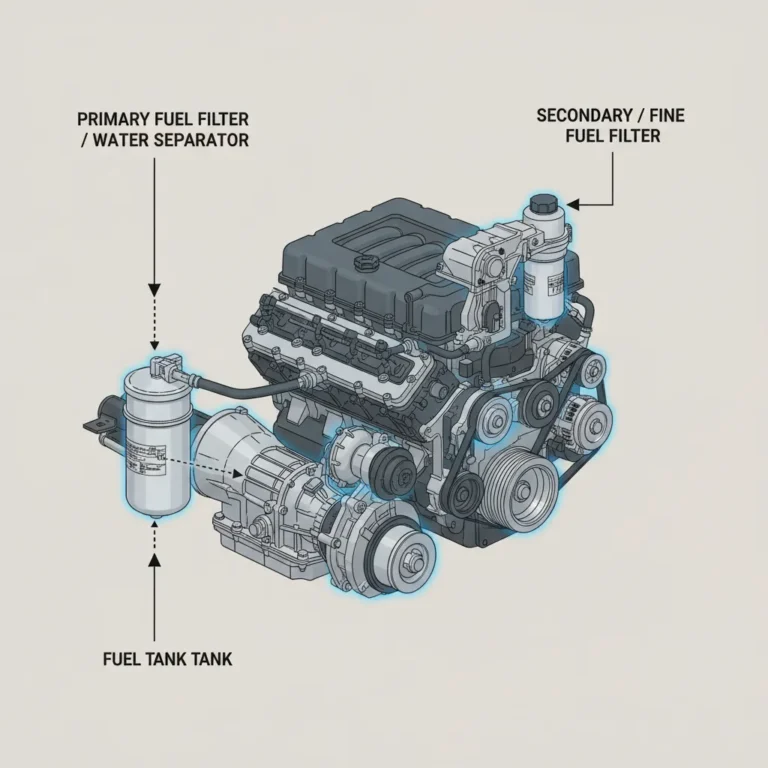
The high-pressure common rail injection system delivers precise atomization of diesel fuel, optimizing combustion efficiency. However, this system is extremely sensitive to fuel quality. Using high-quality fuel filters and changing them at the manufacturer’s recommended intervals is mandatory to prevent damage to the high-pressure fuel pump and injectors.
Replace your crankcase ventilation (CCV) filter every 67,500 miles to prevent pressure buildup and oil leaks.
Emissions Equipment Maintenance for 2012 Ram 2500 Owners
Recommended Best Deal Products


The 2012 model year represents a specific milestone in emissions technology. It utilizes a Diesel Particulate Filter (DPF) and Exhaust Gas Recirculation (EGR), but crucially, it does not use Diesel Exhaust Fluid (DEF).

Audible — Listen Free for 30 Days
One free credit a month and thousands of titles included.
Listen Free for 30 DaysDPF Regeneration Processes
The DPF captures soot from the exhaust stream. During passive or active regeneration, the truck increases exhaust gas temperatures to burn off the accumulated soot. If your driving patterns consist of frequent short trips, the system may struggle to complete these cycles, eventually leading to a “Service Required” warning.
Identifying EGR Clogging Symptoms
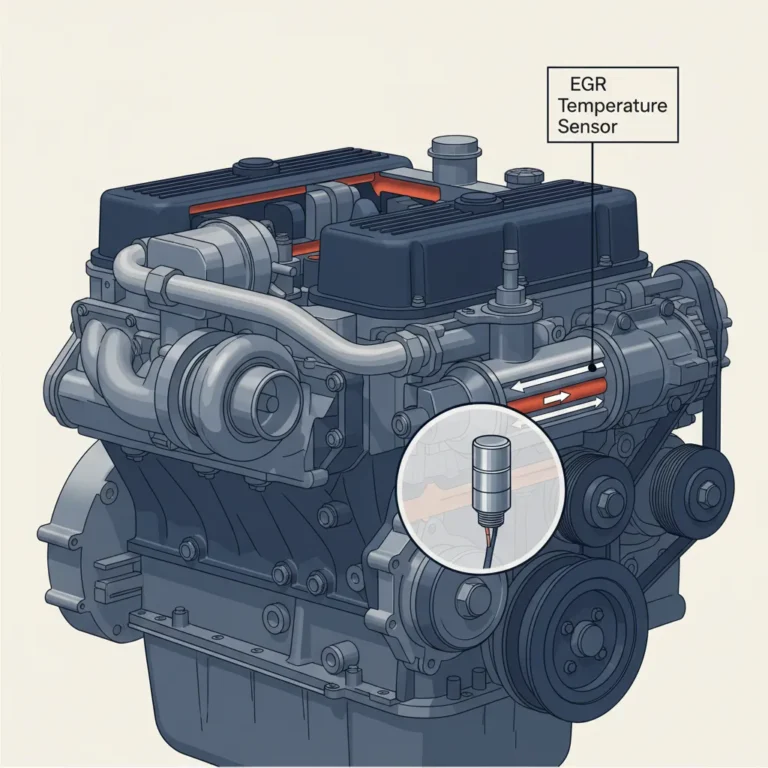
The EGR system recirculates a portion of exhaust gases back into the intake to lower combustion temperatures and reduce NOx emissions. Over time, carbon buildup can restrict airflow, causing sluggish performance, rough idling, or “check engine” lights related to mass airflow sensor errors. Keeping the EGR valve clean is essential for long-term engine performance.
Modifying or “deleting” emissions components is a violation of federal Clean Air Act regulations and may result in significant legal and environmental consequences.
Transmission Comparison: 68RFE Automatic vs G56 Manual Specs
Your choice of transmission fundamentally alters how your truck handles power and towing duties.
Maximizing Performance with Tow/Haul Mode
The 68RFE automatic transmission is equipped with a sophisticated “Tow/Haul” mode. This logic alters shift points, keeps the torque converter locked longer to reduce heat, and provides engine braking on descents.
Maintenance: Fluid changes are recommended every 30,000–60,000 miles, depending on the severity of your towing usage.
G56 Clutch and Gear Ratios
The G56 manual transmission is preferred by many for its mechanical simplicity. However, the factory dual-mass flywheel and clutch assembly are known to be the weak points when “hot-rodding” or towing near maximum capacity.
Performance: The G56 offers a direct mechanical connection, which is excellent for control but requires strict adherence to fluid change intervals (typically using manual transmission fluid designed for the G56’s aluminum case).
How to Verify Your 2012 Ram 2500 6.7 Cummins Specs Correctly
Recommended Best Deal Products

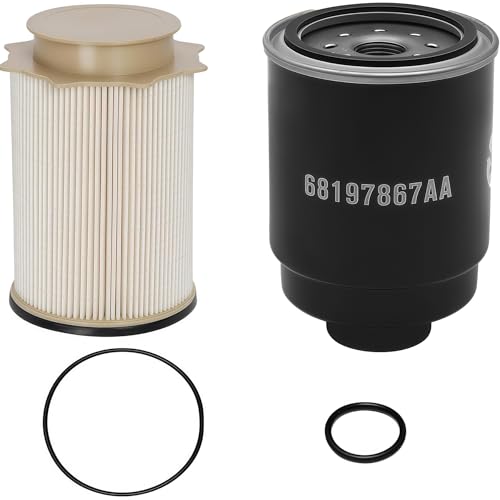
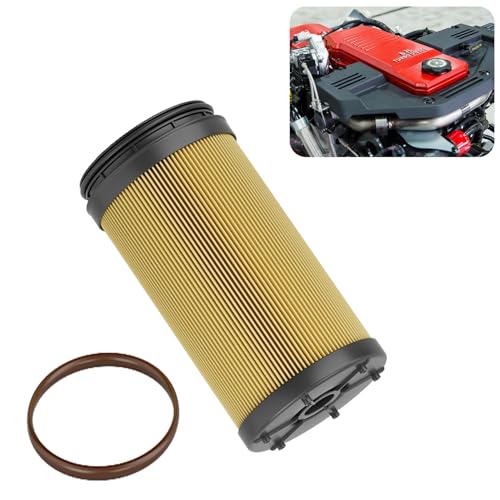
To get the exact numbers for your specific truck, do not rely on forum averages or generic brochures. Follow these steps:
Locate the sticker on the driver’s side door jamb. This lists your specific GVWR and provides the payload capacity unique to your factory-installed options.
Audible Premium Plus — Annual Membership
12 audiobook credits up front, plus the full Audible catalogue.
See Annual PlansUse an official Mopar VIN decoder to identify your rear axle ratio and suspension package, both of which are critical for calculating your GCWR.
2012 was the final year before significant 4th-gen interior and structural refinements. Always ensure your replacement parts are marked for the 2012 model year specifically to avoid compatibility issues with 2013+ DEF-equipped systems.
Conclusion
The 2012 Ram 2500 remains a standout in the heavy-duty truck market, serving as the final refined iteration of the non-DEF 4th-generation platform. By understanding that your performance specs—specifically torque ratings—depend on your transmission choice, and that maintenance of emissions components is non-negotiable for longevity, you can keep your truck operational for the long haul. Always prioritize the data found on your vehicle’s physical tags over online consensus to ensure you are operating within safe, factory-rated limits. Check your specific door sticker and owner’s manual today to align your maintenance schedule with your truck’s unique configuration.
2012 Ram 2500 6.7 Cummins Specs: Frequently Asked Questions
Is the 2012 6.7 Cummins a reliable year?
The 2012 model is widely considered highly reliable. It features the robust 6.7L Cummins block with an EGR and DPF system that is less intrusive than the later SCR/DEF systems introduced in 2013. Provided the oil is changed at 7,500-mile intervals and the CCV filter is replaced, the engine is capable of exceeding 300,000 miles with minimal internal repairs.
Does the 2012 model have DEF (Diesel Exhaust Fluid)?
No, the 2012 Ram 2500 6.7L Cummins does not utilize Diesel Exhaust Fluid (DEF). It relies solely on Exhaust Gas Recirculation (EGR) and a Diesel Particulate Filter (DPF) to meet emissions standards. This makes the 2012 model a preferred choice for those looking to avoid the maintenance, storage, and cost associated with filling a DEF reservoir.
What are common fuel system issues with this model?
The primary concern with the 2012 fuel system is the CP3 high-pressure fuel pump. If the fuel filter is not changed every 15,000 miles, contaminants can damage the pump, leading to metal debris entering the fuel injectors. Using a high-quality fuel additive and replacing the fuel filter consistently with OEM-spec filters significantly mitigates this risk.
Should I delete the emissions equipment?
From an authoritative standpoint, tampering with or deleting emissions equipment (EGR/DPF) is a violation of federal Clean Air Act regulations and may lead to legal consequences or failure to pass local inspections. Furthermore, removing these components voids the factory powertrain coverage. We recommend maintaining the factory-installed emissions systems and ensuring they are regularly serviced to preserve both legality and engine longevity.
![RAM 2500 Rear Suspension: Specs & Fitment Guide [2026]](https://truckguider.com/wp-content/uploads/2026/03/ram-2500-rear-suspension-featured.webp)
![2019 Ram 2500 Oil Capacity And Lubricant: Full Specs & Data [2026]](https://truckguider.com/wp-content/uploads/2026/03/featured-1657b7c0-768x768.webp)