2016 Ram 2500 Delete Kit Technical Specifications [2026]

For owners of the 2016 Ram 2500, the 6.7L Cummins engine represents the pinnacle of heavy-duty power, yet it is often throttled by restrictive emissions hardware. Factory-installed Diesel Particulate Filter (DPF) and Exhaust Gas Recirculation (EGR) systems frequently lead to decreased fuel economy, increased maintenance costs, and potential engine-clogging soot buildup that compromises long-term reliability. These systems, while designed for compliance, often force the engine to work against itself, creating excessive backpressure and heat. In this comprehensive guide, we will provide an expert analysis of the components, performance benefits, and technical requirements for a 2016 Ram 2500 delete kit, ensuring you have the professional knowledge needed for an informed modification.
Core Components of a Professional 2016 Ram 2500 Delete Kit
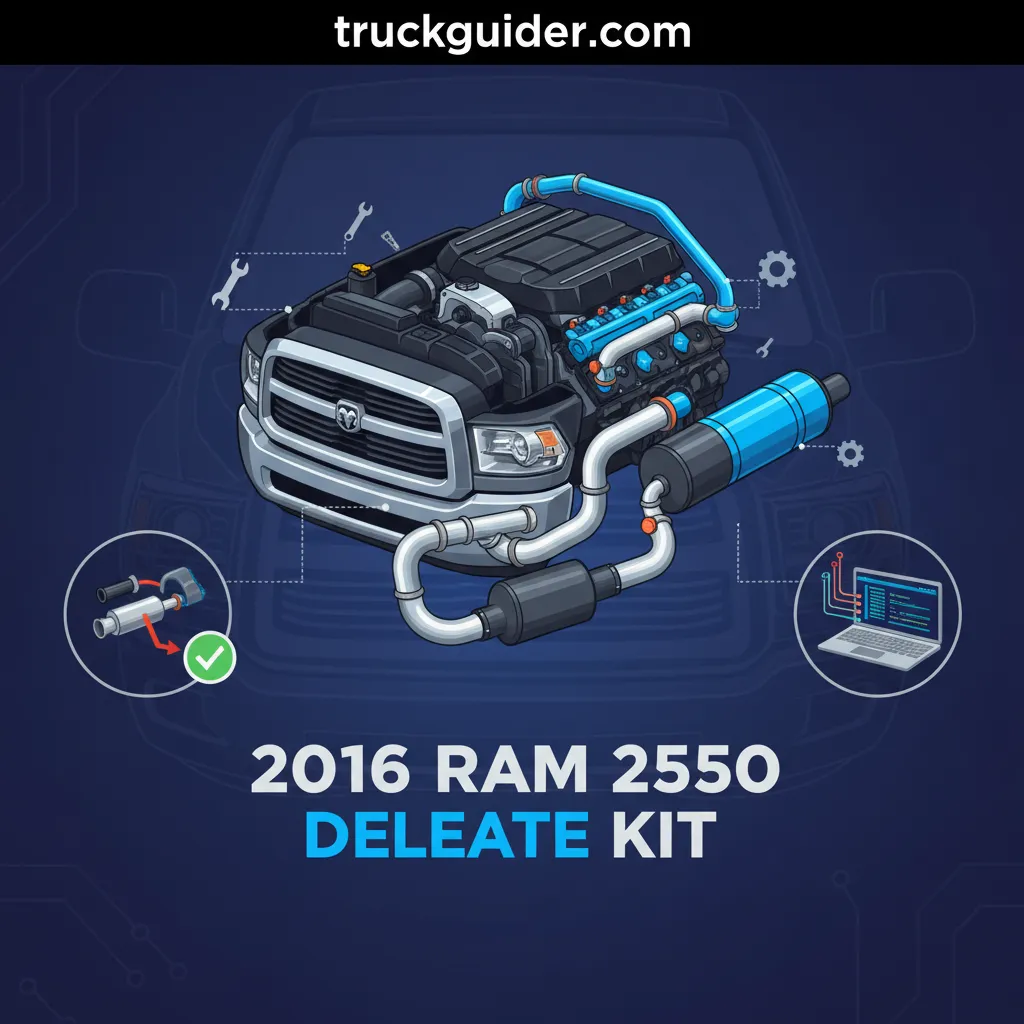
A successful 6.7L Cummins modification relies on the quality of the hardware selected. The 2016 model year features a complex emissions suite that includes the DPF, EGR, and Selective Catalytic Reduction (SCR) systems. To properly bypass these, a complete hardware kit must address each restriction point with precision-engineered components.
📤 Share Image
DPF and SCR Delete Pipes
The factory DPF on a 2016 Ram 2500 is a massive, restrictive unit that can weigh over 80 lbs. Replacing this with a straight-through delete pipe is the most impactful physical change. Owners must choose between 4-inch and 5-inch diameters. While 5-inch pipes offer a deeper exhaust note, a 4-inch reliable stainless steel pipe is often sufficient for most street and towing applications, maintaining adequate exhaust velocity.
EGR Removal and Gasket Integrity
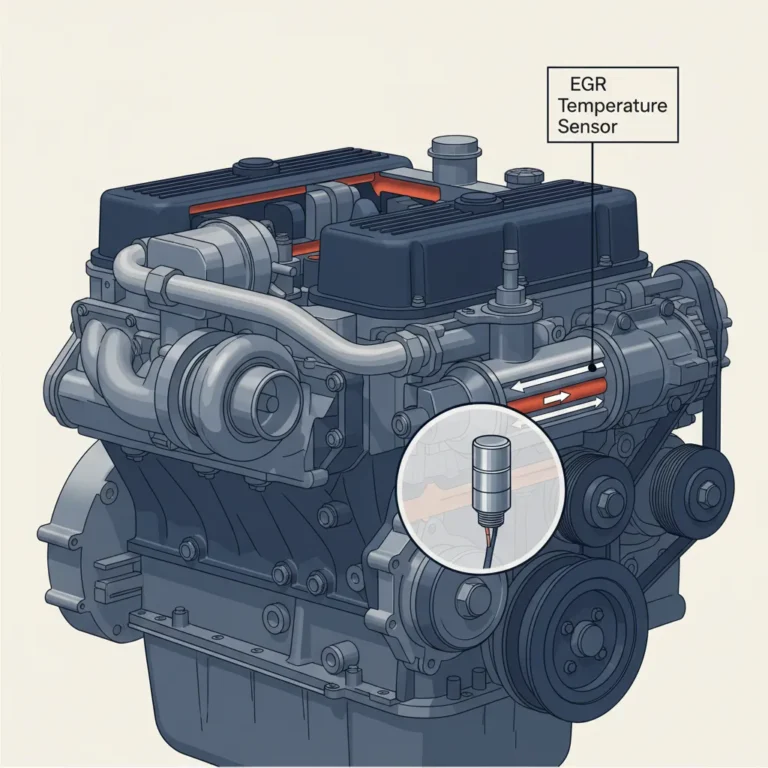
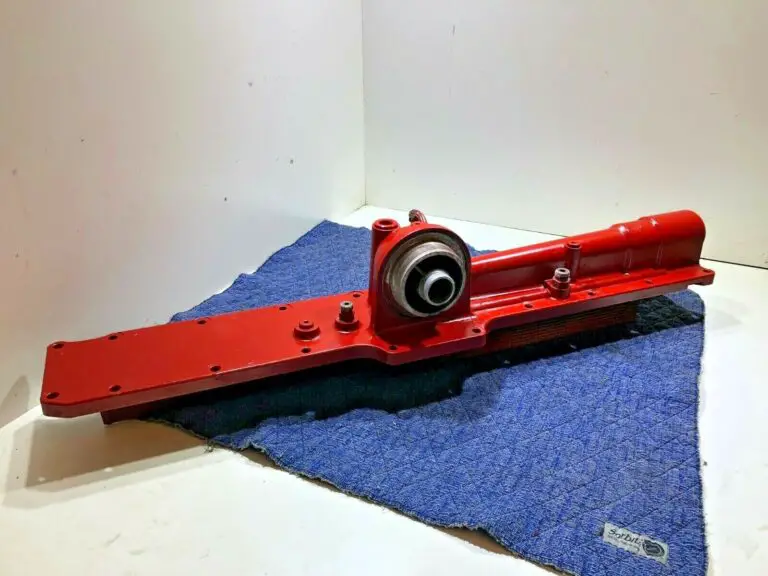
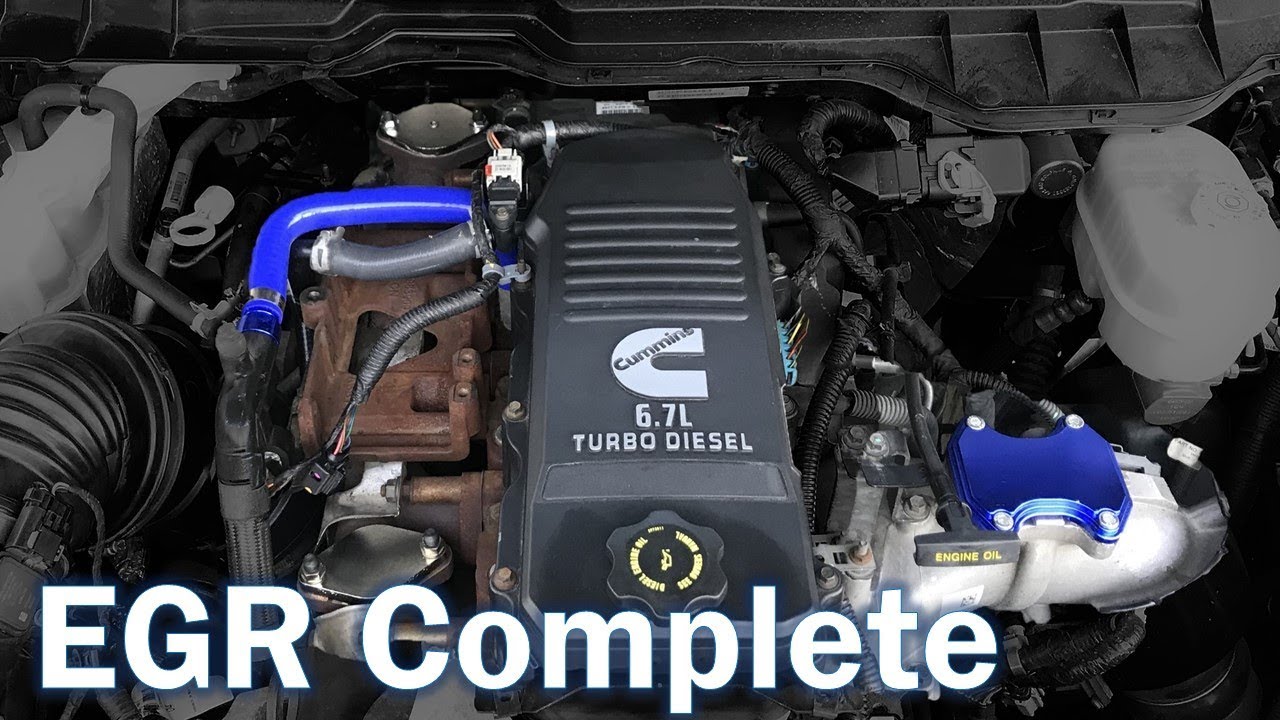
The EGR system recirculates hot, soot-laden exhaust gases back into the intake manifold. A professional delete kit includes CNC-machined block-off plates to seal the intake and exhaust manifolds. Using Grade 8 hardware and high-temperature multi-layer steel (MLS) gaskets is non-negotiable. Cheap, paper-thin gaskets are a common pitfall, often leading to annoying exhaust leaks and soot spray across the engine bay within the first 1,000 miles.
Advanced Throttle Valve Options
Expert-level setups often include a throttle valve delete. The factory butterfly valve is designed to create a vacuum to pull in EGR gases. Once the EGR is removed, this valve becomes an unnecessary intake restriction. Replacing it with a high-flow intake horn or a simple delete spacer ensures the 6.7L Cummins receives maximum air volume, improving low-end spool up.
Electronic Tuning and Software Calibration for the 6.7L Cummins
Installing physical hardware without software calibration is a recipe for disaster. On the 2016 Ram 2500, the Engine Control Unit (ECU) monitors hundreds of parameters related to emissions. Deleting without a tuner will result in immediate ‘See Dealer’ messages and a 5-mph speed limitation (Limp Mode) within 50 miles of driving.
Dominant Tuning Platforms
For the 2016 model year, three platforms stand out as trusted industry standards:
- EZ LYNK: A cloud-based platform that allows for real-time updates and direct communication with a technician. It is highly valued for its user-friendly dashboard.
- RaceME Ultra: A comprehensive standalone tuner that includes its own display and does not require an external phone or tablet to function.
- EFI Live: The choice for those seeking expert-level custom tuning. It offers the most granular control over fuel tables and timing.
If your truck has the 68RFE transmission, do not settle for a “box” tune. Ensure your kit includes Transmission Control Module (TCM) tuning. Increasing the line pressure from the factory 160 PSI to 225 PSI is essential to prevent clutch slippage when adding horsepower and torque.
Monitoring Vitals Post-Modification
A professional installation is never “set and forget.” Using digital gauges to track Parameter IDs (PIDs) is vital. Most modern tuners allow you to monitor Exhaust Gas Temperatures (EGTs), Boost Levels, and Fuel Rail Pressure. Monitoring EGTs is particularly critical when towing; even a deleted truck can melt pistons if the driver ignores the heat generated during a long climb.
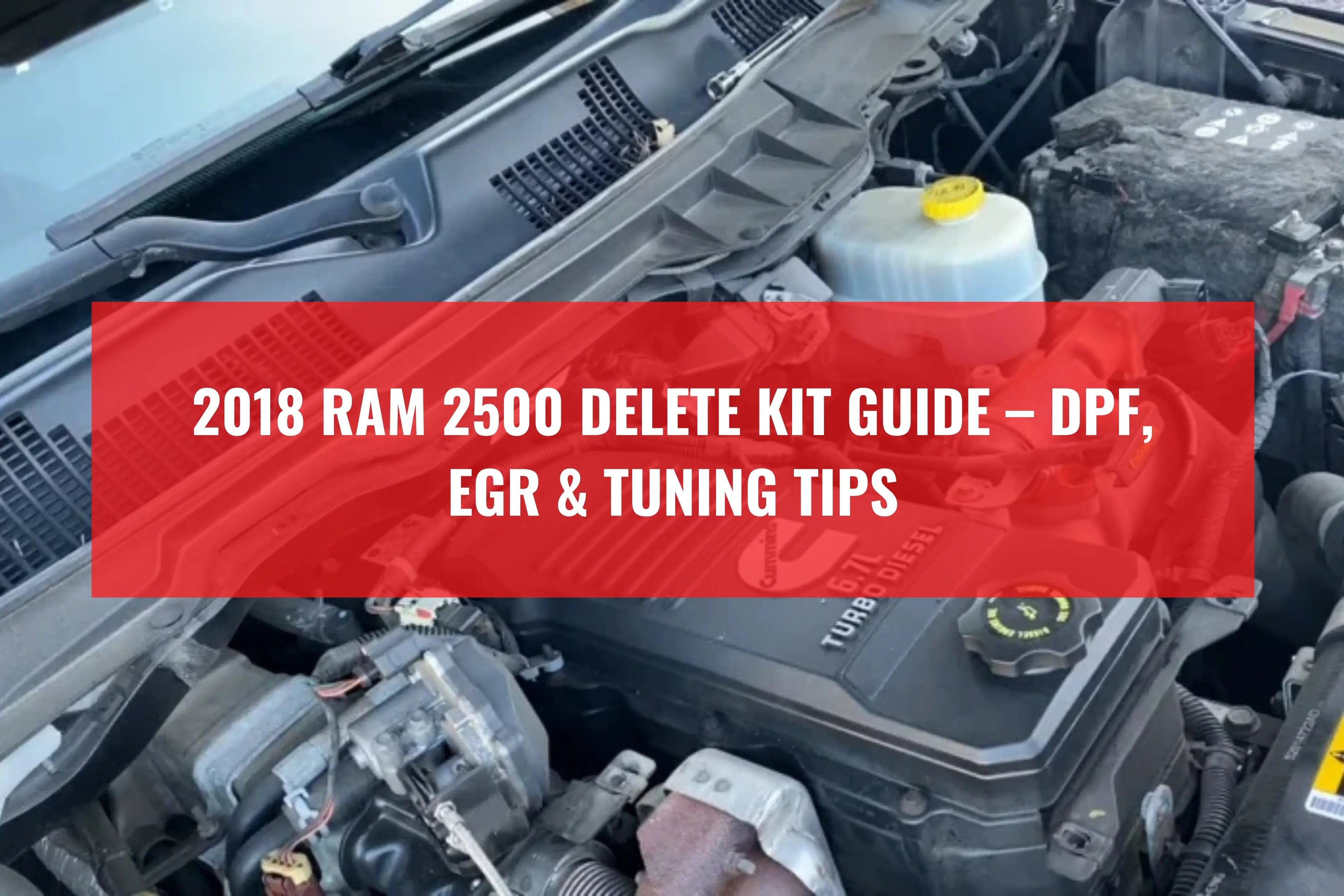
Mechanical Benefits and Performance Efficiency Gains
The technical advantages of a delete kit extend far beyond just “more power.” By removing the restrictions and the “active regeneration” cycles, you are fundamentally changing the engine’s operating environment for the better.
MPG Improvement
Owners typically see a 2-4 MPG increase. This is achieved by eliminating the fuel-heavy regeneration cycles which can consume up to 1 gallon of diesel per cycle.
Thermal Efficiency
Removing the DPF allows the turbo to breathe, yielding an immediate 10-15% increase in thermal efficiency and significantly lower sustained EGTs.
Oil Longevity and Internal Cleanliness
In a stock 2016 Cummins, EGR flow introduces abrasive soot into the combustion chamber, which eventually migrates into the engine oil. This results in the oil turning jet-black almost immediately after a change. Expert oil analysis reports show that deleted engines maintain a higher Total Base Number (TBN) and lower soot concentrations over a 5,000-mile interval, directly contributing to the 500,000-mile-plus lifespan these engines are famous for.
Towing Performance
When tackling a 6% grade with a heavy trailer, a deleted Ram 2500 performs with much higher composure. Without the backpressure of the DPF, the turbo spools faster and stays in its efficiency window longer. This prevents the “shuttling” feeling often experienced when the ECU tries to balance emissions limits with power demands during high-load scenarios.
Regulatory Compliance and Operational Considerations
While the performance gains are undeniable, it is professional responsibility to address the legal landscape. The Clean Air Act, enforced by the EPA, prohibits the tampering of emissions control devices on vehicles used on public roads. These kits are strictly designated for ‘Off-Road Use Only’, such as dedicated race trucks, farm equipment, or competition vehicles.
The EPA has significantly increased enforcement against manufacturers and installers of ‘defeat devices’ since 2019, with fines reaching six figures for commercial shops. Always understand your local and state regulations before proceeding.
Warranty and Resale Reality
Installing a delete kit will void the manufacturer’s powertrain warranty. While the ‘Magnuson-Moss Warranty Act’ protects consumers from having a warranty denied for unrelated parts, a delete kit fundamentally alters the engine’s operation. If you have a turbo failure or a spun bearing, the dealership will almost certainly deny coverage. Furthermore, trade-in values at franchised dealerships (like RAM or Ford) may be significantly lower, as they cannot legally resell a deleted vehicle on their lot. Private sales to trusted buyers who value the modifications are the typical exit strategy for modified truck owners.
Professional Installation Best Practices for the 2016 Ram 2500
A comprehensive installation takes between 4 to 6 hours for an experienced mechanic. Rushing the process often leads to broken sensors or coolant leaks that are difficult to fix once the truck is reassembled.
📋
Installation Checklist
Apply penetrating oil to EGT and NOX sensors 24 hours prior. Carefully remove and store them; they are fragile and expensive to replace if you ever need to return the truck to stock.
During EGR removal, ensure the coolant crossover tube is securely fastened and the O-rings are seated. This is the most common site for “mystery” coolant weeping post-install.
Check for at least 1-inch of clearance between the new delete pipe and the spare tire/brake lines. Heat shielding should be reused or added where necessary.
Post-Installation Software Verification
Once the hardware is in place, flash the ECU with your trusted tuning file before starting the engine. After the first heat cycle, check for a P0401 (EGR Flow Insufficient) code. If this appears, it usually indicates the tuner was not flashed correctly or the block-off plates have a microscopic leak. Ensure the DEF pump is fully drained if the truck will sit in freezing temperatures, as stagnant urea can crystallize and damage the pump internals even when deactivated.
By The Numbers
Efficiency Gain
Weight Reduction
Average EGT Drop
In summary, a high-quality 2016 Ram 2500 delete kit consists of both physical bypass hardware and sophisticated electronic tuning. The operational benefits include lower EGTs, improved MPG, and enhanced engine oil purity by eliminating soot recirculation. However, compliance remains a critical factor, as these modifications are legally restricted to off-road and competition use. Consult with a trusted diesel technician to evaluate your vehicle’s specific needs and ensure your 6.7L Cummins is optimized for maximum reliability and performance.
Frequently Asked Questions
What is the primary benefit of a 2016 Ram 2500 delete kit?
The primary benefit is a significant increase in engine reliability and efficiency. By removing the DPF and EGR systems, you eliminate the source of soot buildup in the intake and reduce backpressure on the turbocharger. This leads to cooler operating temperatures, better throttle response, and a typical fuel economy improvement of 2-4 MPG.
Do I need a tuner to install a delete kit on my 2016 Ram?
Yes, a professional electronic tuner is an absolute requirement. Without a tuner to recalibrate the ECU, the vehicle will immediately enter ‘limp mode’ because it will detect the absence of exhaust backpressure and sensor readings. Quality tuners like EFI Live or RaceME are essential for a reliable installation that prevents dashboard warning lights.
Will a delete kit cause my truck to smoke excessively?
Not necessarily. While a deleted truck can produce visible smoke under heavy acceleration, a professional-grade tune is designed to optimize the air-fuel ratio. Expert tuners focus on ‘clean power,’ ensuring that the fuel is burned efficiently, which minimizes particulate output while still providing the performance gains associated with a delete kit.
How long does it take to install a full delete kit on a 6.7L Cummins?
For a professional mechanic, a full EGR and DPF delete typically takes between 4 and 6 hours. This timeframe includes the removal of the heavy factory exhaust, the installation of the new bypass piping, the EGR block-off plates, and the time required to flash the new software onto the vehicle’s Engine Control Unit.
Is it legal to drive a deleted 2016 Ram 2500 on the street?
Technically, removing emissions equipment violates the federal Clean Air Act. Therefore, these kits are sold and marketed for ‘off-road use only,’ such as on farms or at sanctioned racing events. You should check your specific state and local regulations regarding visual inspections and emissions testing before proceeding with these modifications.

![2017 Ram 2500 Transmission Specifications, Maintenance, [2026]](https://truckguider.com/wp-content/uploads/2026/03/featured-9b105d51-768x768.webp)