2019 Ram 1500 TPMS Reset Button Location: Debunking and Advanced Troubleshooting Guides

The primary inquiry for many owners seeking to address an illuminated Tire Pressure Monitoring System (TPMS) light revolves around locating the manual reset button. For drivers of the 2019 Ram 1500, particularly those familiar with other makes and models, the generalized advice regarding a physical reset switch can lead to significant frustration. The definitive technical analysis confirms that the 2019 Ram 1500, encompassing both the newer DT (All-New) and the older DS (Classic) platforms, does not feature a physical TPMS reset button.
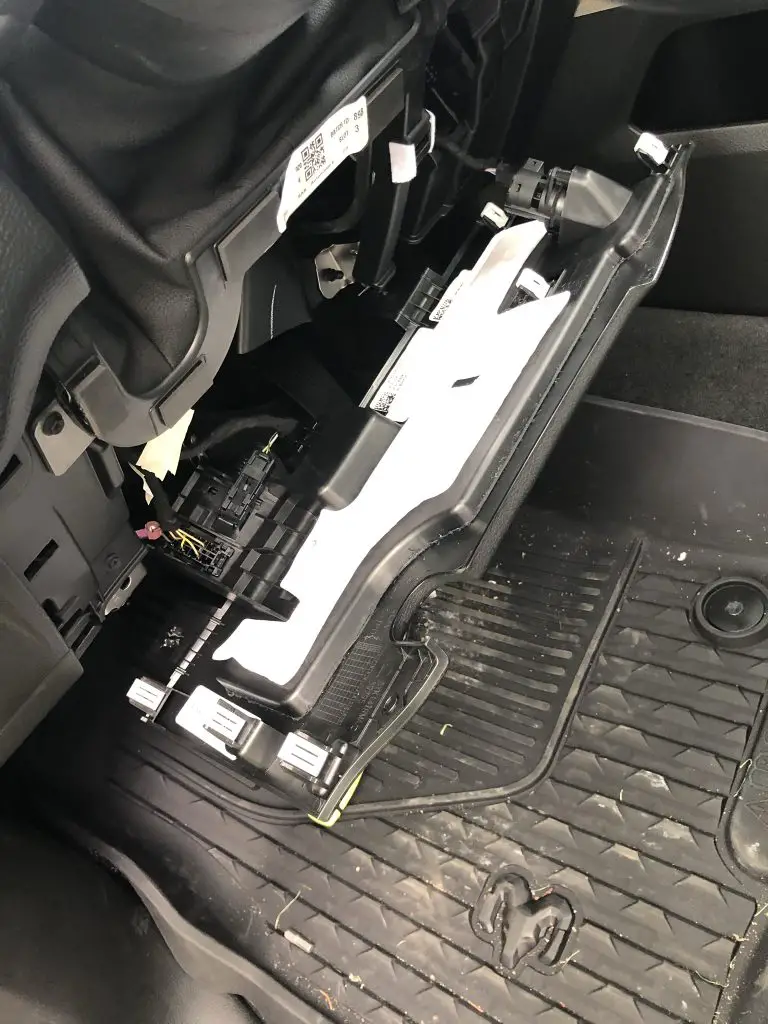
Generalized automotive repair guides and tips frequently suggest that the TPMS reset button is typically located beneath the steering wheel. While this placement is common across various vehicle manufacturers and older designs, it fundamentally does not apply to the advanced TPMS architecture utilized by Ram trucks. Owners have confirmed, after years of searching, that this button simply does not exist on the 2010 through 2019 and newer Ram 1500 models. This crucial distinction is paramount: the 2019 Ram 1500 was engineered for automatic sensor recalibration. Searching for a non-existent button is a time-consuming and ultimately futile endeavor.
2019 Ram 1500 TPMS Guide
Stop looking for the button. The 2019 Ram 1500 uses an advanced Direct TPMS system. Here is the data on how it works, why it triggers, and how to fix it.
Physical Reset Buttons
Unlike older models, the 2019 Ram 1500 (both DT and Classic) has no physical button to reset the Tire Pressure Monitoring System. It uses an Auto-Relearn procedure.
Common TPMS Triggers
The TPMS light doesn’t always mean a puncture. Here is the breakdown of common causes for the warning light in 5th Gen Ram trucks.
Auto-Relearn Workflow
Since there is no button, follow this strict drive cycle to wake up the sensors and clear the dashboard light.
1. Adjust Pressure
Inflate all 4 tires (and spare) to the PSI listed on the driver’s door B-pillar placard.
2. Drive Vehicle
Drive the truck at a speed of 15 mph (24 km/h) or higher continuously.
3. Wait 20 Mins
Maintain speed for up to 20 minutes. The system will ping sensors and auto-clear the light.
The “Winter Drop” Effect
Did your light come on the first cold morning? Tire pressure drops significantly as temperature decreases (Gay-Lussac’s Law).
Classic (DS) vs. New Body (DT)
Ram sold two versions of the 1500 in 2019. Knowing which one you own is critical for buying replacement sensors.
| Feature | Classic (DS) | New Body (DT) |
|---|---|---|
| Sensor Freq | 433 MHz | 433 MHz (New Protocol) |
| Reset Method | Auto-Relearn | Auto-Relearn |
| Fill Alert | No | Yes (Honks when full) |
| Display | Basic EVIC | Detailed Uconnect |
Understanding Ram’s Automatic TPMS Relearn System
Ram engineers designed the TPMS in the 2019 1500 to automatically self-relearn and recalibrate, relying on a direct monitoring system. This system utilizes individual sensors mounted inside each wheel and tire assembly that wirelessly transmit data—specifically, pressure and temperature—to a central receiver module, typically operating on a 433 MHz frequency.
The system's reliance on driving to initiate a reset reflects a shift in design philosophy. By eliminating a manual reset function, the system’s integrity is safeguarded; if the light illuminates, it confirms either a genuine low-pressure condition or a component failure. The system's intelligence monitors the pressure deviation against the manufacturer's specified threshold (the placard PSI) and is programmed to confirm the sensor location and pressure readings automatically once a specified driving cycle is completed following a pressure adjustment.
The absence of a manual calibration option indicates the manufacturer's confidence in the direct measurement system’s ability to accurately detect and confirm tire pressure conditions without user intervention.
The Path Forward: Troubleshooting and Technical Compliance
Since manual resetting via a button is impossible, addressing an illuminated TPMS light in a 2019 Ram 1500 requires a methodical troubleshooting approach. The driver must first ensure that the tire pressures are set precisely to the correct specifications (detailed in Section II). If the light persists, the issue requires forcing a system recalibration through one of the proven driving or hard reset procedures (detailed in Section III), or diagnosing an underlying hardware failure, such as a faulty sensor or a critical system compliance issue, which includes checking for relevant safety recalls (detailed in Section V).
Stage One: The Essential Pre-Reset Check (Setting Correct PSI)
The effectiveness of the automatic TPMS relearn process is entirely contingent on the accuracy of the baseline pressure settings. Incorrect pressure—even if seemingly close—will prevent the system from registering as "correctly inflated" and will cause the warning light to remain on.
Locating the Factory Cold Tire Pressure Specification
The singular, authoritative source for the required tire pressure is the Tire Placard, commonly a sticker affixed to the driver's side door jamb. It is imperative that this pressure is measured when the tires are cold. Cold tire measurement is defined as having driven the vehicle for less than a mile, or after the vehicle has been stationary for at least three hours. Checking this placard is a mandatory first step before attempting any reset procedure. The owner's manual for the 2019 Ram 1500 also details TPMS information, beginning around page 208, and reinforces the importance of the placard data.
2019 Ram 1500 Recommended Cold Tire Pressure Values
The ideal pressure for the Ram 1500 is not a single, fixed number but rather a range that depends heavily on the vehicle's specific configuration, tire type, and load. The TPMS system is primarily focused on safety compliance, requiring the tires to operate within the parameters specified on the door jamb sticker for the vehicle's maximum load rating, rather than simply maximizing ride comfort.
For standard daily driving and light loads, the recommended cold tire pressure for the 2019–2025 Ram 1500 generally falls within the range of 32–38 PSI for both the front and rear axles. However, the 1500 platform is a utility vehicle, and specific configurations—especially those used for towing or heavy hauling—may dictate significantly higher pressures, potentially reaching 55 PSI for the front tires and 45 PSI for the rear tires.
If a driver typically runs the truck at a lower, unladen pressure (e.g., 34 PSI) but then transports a heavy load, they must increase the PSI to accommodate the weight and prevent structural damage to the tire. If they fail to adjust the pressure for the heavier load, the TPMS is functionally correct in identifying the current pressure as "low" relative to the vehicle's placard specifications, which assumes maximum capacity usage. The TPMS warning threshold is typically activated when the tire pressure drops approximately 25% below the recommended placard PSI.
The Spare Tire and TPMS Compliance
In some Ram TPMS configurations, the spare tire may also be equipped with a sensor. If the system monitors the spare, it must be checked and inflated to its specified pressure, as an underinflated spare tire can trigger or prevent the resetting of the primary TPMS warning light.11 This comprehensive check ensures that the entire system reports accurately and that the warning light can finally be deactivated.
2019 Ram 1500 Recommended Cold Tire Pressure Guidelines
| Condition | Typical Range (Standard Load) | Heavier Load/Utility (Check Placard) | Safety Threshold |
| Front Tires | 32–38 PSI | Up to 55 PSI | Warning triggered at $\sim 25\%$ below placard PSI. |
| Rear Tires | 32–38 PSI | Up to 45 PSI | Warning triggered at $\sim 25\%$ below placard PSI. |
| Source Authority | Driver's Side Door Jamb Placard | Driver's Side Door Jamb Placard | Federal Motor Vehicle Safety Standard (FMVSS) |
The Three Proven Reset Procedures for the 2019 Ram 1500
Once the tire pressures have been meticulously set to the cold PSI specified on the door placard, the following validated procedures can be employed to prompt the Ram 1500's automatic system to recognize the change and recalibrate itself. These methods are necessary because the system requires confirmation of the pressure change through active sensor transmission.
Procedure 1: The Automatic Drive Cycle Relearn (The Primary Reset)
This is the least invasive and most common method for resetting the TPMS light after a simple pressure adjustment.
- Preparation: Verify that all tire pressures are set correctly according to the placard specifications (Section II).
- Driving: Drive the vehicle for a sustained period. The sensors typically activate and transmit data efficiently at speeds above 15 mph.
- Optimal Conditions: For reliable and rapid relearn, maintaining speeds around 50 mph (80 km/h) for approximately 3 to 10 minutes is often sufficient.
- Confirmation: The Ram 1500 should begin the self-relearn process, confirmed by a blinking light on the dash for about a minute, which will then turn off, and the display should show four accurate pressure readings.
Procedure 2: The Pressure Cycling Hard Reset (Forcing Sensor Activation)
If the light fails to extinguish after the primary drive cycle, the sensors may be in a low-power mode or resistant to recalibration. This procedure forces a massive pressure differential to "wake up" the sensors and ensure a strong signal transmission.
- Over-Inflation: Inflate all tires (including the spare, if monitored) approximately 3 PSI over the recommended placard pressure.
- Complete Deflation: Deflate all tires entirely until they are empty or nearly flat. This forces the sensors to register an extreme pressure deviation.
- Reinflation: Reinflate all tires precisely to the correct placard PSI.
- Final Drive: Immediately execute the Automatic Drive Cycle Relearn (Procedure 1). The dramatic pressure swing from over-inflated to flat, followed by the correct pressure, often successfully reboots the entire TPMS system.
Procedure 3: The Battery Disconnect System Reset (ECU Hard Reset)
This method should be reserved for situations where Procedures 1 and 2 have failed, indicating a potential memory lock, transient electrical fault, or residual power issue within the vehicle’s Electronic Control Unit (ECU).
- Power Down: Turn the engine off. Locate the battery under the hood.
- Disconnect: Use a wrench to disconnect the negative battery cable (typically black with a minus sign).
- Residual Power Drain: Turn the ignition to the 'On' position (without starting the engine). Press and hold the horn for approximately 3 seconds to safely discharge any residual power stored in the vehicle’s capacitors, effectively clearing volatile memory.
- Reconnect and Drive: Wait at least one minute, then securely reconnect the negative battery cable, ensuring a tight fit. Start the truck and perform the Drive Cycle Relearn (Procedure 1).
These three methods address the entire spectrum of likely TPMS faults, moving from resolving sensor positioning errors (P1) to addressing sensor communication errors (P2) and finally, clearing persistent computer memory errors (P3).
Advanced Troubleshooting: When the TPMS Light Blinks or Stays Solid
When the TPMS light persists after successfully completing the pressure checks and reset procedures, the diagnosis shifts from calibration error to system component failure. The specific behavior of the warning light—solid versus flashing—provides critical information about the nature of the fault.
Flashing TPMS Light Diagnosis (System Malfunction)
The most serious indication is a light that flashes upon startup (usually for 60 seconds) and then remains constantly illuminated. This pattern signals that the TPMS system itself has detected a fault and is currently unable to monitor tire pressure, which is a significant safety hazard.
The likelihood of a system malfunction is increasing as the 2019 model year ages. TPMS sensors rely on internal batteries (with a typical lifespan of 5–10 years), and a flashing light is often the first sign that a sensor battery has depleted, preventing signal transmission. Another common cause is the installation of aftermarket sensors that are incompatible with the vehicle. The 2019 Ram 1500 strictly requires the 433 MHz frequency. If an incorrect 315 MHz sensor is installed, the system will immediately fail to communicate and display a system malfunction.
Diagnostic Trouble Codes (DTCs) often accompany a flashing light. A specific documented issue is the C15CE-31 (Tire Pressure Sensor 7 - No Signal), which pinpoints a communication failure with a specific sensor.15 DTCs of this nature indicate that simple resets are ineffective and the faulty sensor, or the main receiver module, must be replaced by a qualified technician.
Persistent Solid Light Diagnosis (Physical Failures)
A persistent solid light, which does not flash upon ignition, typically confirms a genuine low-pressure condition. This means that even after adding air, the pressure is either still below the threshold or the tire is actively leaking. Physical failures commonly include a tire puncture, damage to the valve stem, or wheel corrosion that prevents the tire bead from sealing properly against the rim. If a driver consistently sees a solid light despite repeated inflation attempts, a thorough inspection for slow leaks, including the valve stems and rims, is necessary.
Critical Safety Alert: 2019 Ram 1500 TPMS Sensor Recall (NHTSA 19V-887)
For all owners of the 2019 Ram 1500, a critical safety mandate requires attention: the NHTSA Recall VE1 / 19V-887 concerning the Tire Pressure Monitor System. Including this information elevates the technical authority of the maintenance guide by connecting routine troubleshooting to federal safety compliance.
Recall Overview
This safety recall affects specific 2019 Ram 1500 Pickup vehicles (models designated DS/DX). The condition identified was that a limited number of vehicles were incorrectly assembled with sensors that were incompatible with the vehicle's application.
The safety consequence of this manufacturing error is severe: the incorrect sensor causes the TPMS to immediately illuminate a system malfunction indicator. This consistent malfunction prevents the system from displaying the necessary indicator if an actual low tire pressure event occurs. When a vehicle cannot properly warn the driver of low pressure, it fails to meet the safety requirements of Federal Motor Vehicle Safety Standard (FMVSS) No. 49 CFR 571.138. Undetected low pressure can severely degrade vehicle handling performance and significantly increase the risk of a crash.
Required Dealer Repair and Action
FCA US requires specific remedial action for all affected vehicles:
- Full Replacement: All four TPMS sensors must be removed and replaced.
- Required Part: The mandatory replacement part is the Tire Pressure Sensor Kit, Part Number CSAKVE11AA.
- Procedure: The dealership is instructed to remove all wheels, replace all four sensors, balance the wheel assemblies, set the correct placard pressure, and program the four new sensors.
FCA US performs this repair free of charge, covering both parts and labor. The estimated labor time is 1.5 hours (Labor Operation Number 22-VE-11-82), with a total customer visit time estimated at approximately two hours.
Any owner experiencing persistent, unexplained TPMS issues on a 2019 Ram 1500 should immediately verify their Vehicle Identification Number (VIN) against this recall. If the vehicle is covered, no DIY troubleshooting should be attempted, as the malfunction is due to a factory defect that requires specialized dealer intervention to ensure regulatory compliance and safety. This structural component failure—the incorrect sensor—highlights that professional inspection sometimes supersedes DIY efforts.
TPMS Sensor Replacement and Wheel Service Specifications
When the diagnosis confirms that a sensor must be replaced—due to battery death, damage, or as part of the safety recall—adhering to precise technical specifications is mandatory. This ensures both system functionality and vehicle safety.
TPMS Sensor Technical Specifications
The 2019 Ram 1500 relies on the transmission capabilities of its sensors, making frequency a non-negotiable requirement. The replacement sensors must operate at the standard Ram frequency of 433 MHz. The common OEM replacement part number utilized for these sensors is 68293199AA.
It is essential to note that sensors operating at the older 315 MHz frequency, used in some earlier models, are incompatible and will result in immediate system malfunction. Before purchasing any replacement sensor, the operating frequency and the OEM part number must be confirmed against the vehicle's specific requirements.
Wheel Installation Safety (Lug Nut Torque)
Any procedure that involves removing and reinstalling the wheel—such as tire rotation, flat repair, or sensor replacement—requires the lug nuts to be tightened to the manufacturer's specified torque value. Neglecting this step is a severe safety risk that can lead to wheel separation.
For 2014 through 2023 Ram 1500 models, the required lug nut torque specifications are consistent and dependent on the hardware type :
- Cone-Type Lug Nuts: 130 ft-lbs.
- Flanged Lug Nuts: 140 ft-lbs.
These high structural torque requirements contrast sharply with the delicate torque specifications required for the sensor components themselves, underscoring the necessity of using a calibrated torque wrench for all wheel service.
TPMS Sensor Nut Torque Specification
The sensor assembly, which includes the valve stem and its retention nut, is a precision electronic component. Unlike the extreme force required for lug nuts, the small union nut that secures the sensor valve stem to the rim requires very low, precise torque.
If the sensor nut is over-tightened, the housing of the sensor can be easily cracked, rendering the new sensor inoperable and immediately returning the vehicle to a system malfunction state. While specific values vary by sensor kit, aftermarket specifications often require extremely low torque, sometimes around 4 N.m (approximately 35 in-lbs). Technicians must consult the specific documentation provided with the replacement sensor kit and use a low-range inch-pound torque wrench to ensure proper installation without damage.
2019 Ram 1500 Wheel Service Specifications
| Component | Specification | Implication for Service |
| TPMS Sensor Frequency | 433 MHz | Ensures communication with the ECU. |
| OEM Sensor Part Number | 68293199AA | Confirms OE-level quality and fitment. |
| Cone-Type Lug Nut Torque | 130 ft-lbs | Mandatory structural safety requirement. |
| Flanged Lug Nut Torque | 140 ft-lbs | Mandatory structural safety requirement. |
| Sensor Valve Nut Torque | Consult Kit/Specific Sensor (e.g., $\sim 35$ in-lbs) | Extremely precise, low torque required to prevent sensor damage. |
Conclusions and Recommendations
The expert analysis confirms that the resolution to an illuminated TPMS light in the 2019 Ram 1500 requires abandoning the search for a manual reset button and adopting a systematic, data-driven approach to diagnosis and recalibration.
The automatic nature of the Ram 1500 TPMS system implies that if the warning light persists, the truck is conveying a genuine message about pressure or component integrity. The successful deactivation of the light hinges first on precisely setting the cold tire pressure using the driver's door placard as the authoritative source. If the light remains, one of the three established procedures—the Automatic Drive Cycle, the Pressure Cycling Reset, or the Battery Disconnect Hard Reset—must be executed sequentially.
Critically, if the warning light displays a flashing pattern, the issue is internal and likely involves a failed sensor battery or, more importantly, a potential non-compliance issue related to the NHTSA Recall 19V-887. Owners of 2019 models are strongly advised to check for this recall immediately, as a malfunction prevents the TPMS from fulfilling its life-saving role of alerting the driver to dangerously low pressure.
For long-term system health, the TPMS should be factored into the truck's overall maintenance schedule, coordinating sensor checks with routine tire inspections and rotations that occur during 8,000-mile oil changes and more extensive inspections at 20,000 miles. When component replacement is necessary, technicians must strictly adhere to the 433 MHz sensor requirement, the high structural lug nut torque (130-140 ft-lbs), and the delicate, low-force torque required for the sensor's own retaining nut to ensure both safety and operational reliability.