2019 Ram 2500 Diesel Problems: Diagnosed & Fixed

Owning a 2019 Ram 2500 with the 6.7L Cummins offers unmatched towing power, but it comes with a complex emissions and transmission system that demands attention. Drivers often find themselves stranded in limp mode or facing expensive dealer diagnostic bills for what are sometimes simple sensor or maintenance issues. This guide provides the diagnostic steps to identify and resolve common 2019 Ram 2500 diesel problems, saving you time and money.
Identifying Common 2019 Ram 2500 Diesel Problems
Recommended Best Deal Products


Distinguishing Mechanical Failures from Maintenance Neglect
When troubleshooting your truck, the first step is separating legitimate mechanical catastrophes from simple maintenance oversights. A 6.7L Cummins engine is built to handle extreme loads, but it is sensitive to fuel and air quality. Many reported issues—such as loss of power or reduced engine performance—are frequently misidentified as catastrophic failures when they are actually related to fuel filter clogging or basic sensor degradation.
Industry data indicates that fuel system failures in 2019 models are overwhelmingly linked to poor fuel quality or water contamination, not factory defects by Cummins Inc. or Stellantis. Before assuming the worst, check your fuel-water separator. A simple failure like a blown fuse can trigger a limp mode that feels like a terminal engine problem. Distinguishing between a hard mechanical fault (such as a metal-on-metal noise) and an electrical glitch (such as a check engine light combined with a stable engine idle) is the foundation of effective diagnosis.
Why Modern Electronics Cause False Error Codes
The 5th generation Ram platform utilizes a sophisticated CAN-bus architecture that is highly sensitive to voltage fluctuations. If your batteries are not performing at peak capacity—providing anything less than 12.6V at rest—the Engine Control Module (ECM) can interpret low voltage as a variety of sensor failures. This often leads to “ghost codes” where the truck displays multiple warnings that seemingly contradict each other. Always verify your electrical system health before attempting to replace expensive components like injectors or sensors.
The Reality of Cummins 6.7L Reliability
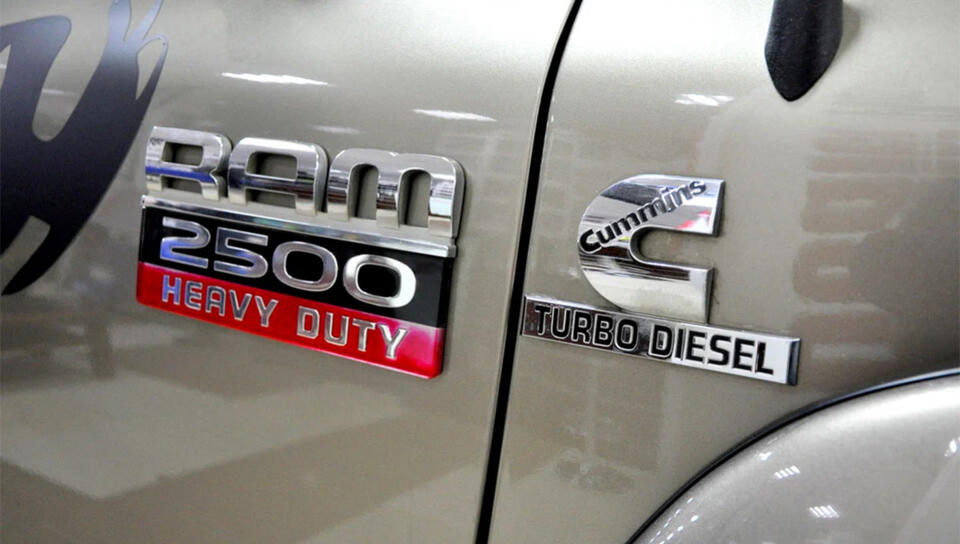
The Cummins 6.7L is widely regarded as one of the most reliable heavy-duty diesel engines in existence. However, in the 2019 model year, the integration with complex emissions hardware means reliability is now a shared responsibility between the engine and the exhaust after-treatment system. Most “problems” are not engine-centric; they are emissions-centric. Understanding this distinction is vital to maintaining your vehicle’s longevity.
Industry Data: Fuel and Maintenance
Cases caused by maintenance
Required resting battery voltage
Diagnosing 68RFE Transmission and Drivetrain Issues
Torque Converter Shudder Symptoms
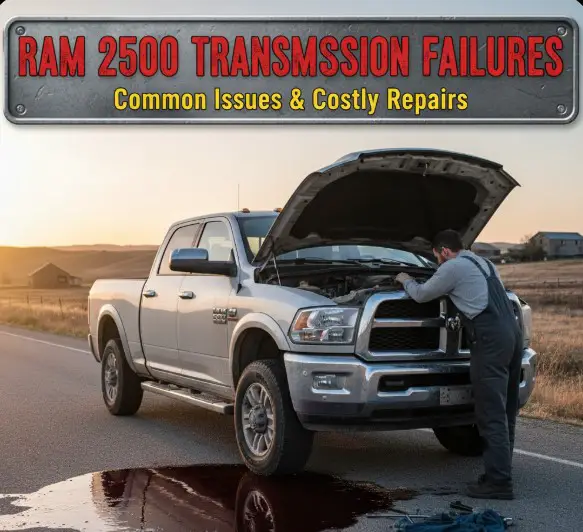
The 68RFE transmission is a known weak point when pushed beyond its designed torque threshold without adequate cooling. A common symptom is “torque converter shudder,” which feels like driving over rumble strips at 40-50 mph, usually under light-to-moderate acceleration. This is often caused by fluid degradation or the torque converter clutch failing to lock/unlock smoothly. Ignoring this will accelerate internal wear.
Managing Fluid Temps Under Heavy Load
If you use your truck for towing, monitoring transmission temperatures is non-negotiable. Using an OBDII reader, you should watch your fluid temps during mountain passes. If you see temperatures consistently exceeding 200°F during normal towing, you are effectively “cooking” your transmission fluid. Heat is the primary cause of premature 68RFE failure.
68RFE Internal Component Stress Limits
The 68RFE is capable, but it has internal stress limits. If you have modified the truck for more horsepower, the factory valve body and clutch packs may reach their limit. For those who tow heavy loads frequently, upgrading the transmission cooler and utilizing synthetic fluid rated for the 68RFE is the best workaround to extend the service life of the unit.
Resolving 2019 Ram 2500 Diesel Emissions System Failures
Recommended Best Deal Products


The Selective Catalytic Reduction (SCR) and Diesel Particulate Filter (DPF) systems are the most frequent sources of frustration for 2019 Ram owners.
- Preventing DPF Clogging: The DPF requires active or passive regeneration to burn off soot. Excessive idling prevents exhaust gas temperatures from reaching the necessary threshold. If your truck is used primarily for short, urban trips, the DPF will clog. Solution: Perform a 30-minute highway drive at constant RPM at least twice a month.
- DEF Crystallization: Diesel Exhaust Fluid (DEF) is notorious for crystallizing if the system isn’t maintained. These crystals can block injectors and sensors. Always keep your DEF tank topped off with fresh fluid and ensure the cap is sealed to prevent evaporation.
- Forced Regeneration Procedure: If you receive a ‘Regen Required’ message, do not ignore it. The truck will attempt to clean the filter while driving. If the message persists, you may need a dealer or a professional scan tool to initiate a forced static regeneration.
- NOx Sensor Faults: NOx sensors are highly sensitive and often trigger “Check Engine” lights. Before replacing, inspect the wiring harness for signs of chafing, as this is a common failure point that mimics a failed sensor.
If you frequently drive in cold climates, use a fuel additive to prevent gelling and keep your DPF and injectors clean. This minor investment is the best way to avoid expensive emissions system repairs.
Step-by-Step Fixes for 2019 Ram 2500 Diesel Problems
📋
Diagnostic Procedures
Recommended Best Deal Products

With the engine at operating temperature, remove the oil fill cap while the engine is idling. A small amount of pressure is normal. If the cap dances aggressively or you see significant smoke, this indicates blow-by. A healthy 6.7L should have minimal pressure.
Use a high-quality multimeter to test your batteries at rest. If you find voltage below 12.4V, charge the batteries individually. If the problem persists, perform a load test. 80% of random electrical “codes” disappear once battery voltage is normalized.
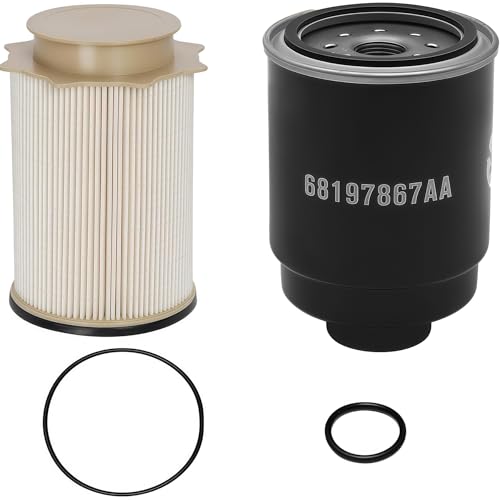
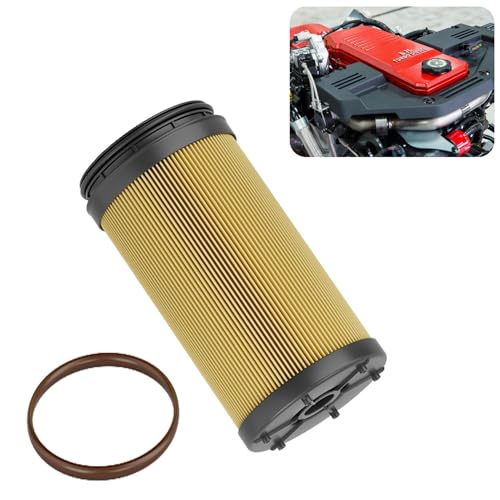
Locate the filter housing near the frame rail. Use a fuel filter wrench to loosen the canister. Have a drain pan ready as fuel will spill. Ensure the O-ring is seated correctly before tightening. Always prime the system by cycling the ignition to ‘Run’ without cranking three times to purge air.
Never use ‘quick-start’ or ether on the 6.7L Cummins engine. The high compression ratio and grid heater can cause catastrophic damage, including piston failure and severe engine block cracking. Always diagnose the root cause of hard starts rather than using chemical starters.
Summary of Maintenance Best Practices
The 2019 Ram 2500 is a powerful machine, but it requires an owner who is proactive about its specific needs. Consistent, long-haul driving is the best medicine for the DPF system, as it allows the engine to naturally incinerate soot accumulation without needing forced intervention. Prioritize transmission cooling by installing a higher-capacity cooler if you frequently tow, which will drastically extend the lifespan of the 68RFE. Furthermore, maintain stable battery voltage to prevent the erratic sensor error codes that often plague the 5th Gen electronics system. Finally, never treat the fuel-water separator maintenance as optional—it is the single most important defense against total fuel system failure.
If your dash lights persist after troubleshooting these common areas, contact a certified Cummins technician to avoid long-term engine damage. Proper diagnostics today will prevent a roadside failure tomorrow.
2019 Ram 2500 Diesel Problems: Frequently Asked Questions
Is the 2019 Ram 2500 Cummins reliable?
The 2019 Ram 2500 Cummins is widely considered highly reliable, particularly regarding the internal engine architecture. While it is a robust platform, the complexity of modern emissions-control hardware, such as the DPF and SCR systems, can result in minor nuisance issues. With religious adherence to maintenance schedules and the use of high-quality diesel fuel and DEF, this engine is routinely capable of exceeding 300,000 miles.
Why is my Ram 2500 in limp mode?
Limp mode is a fail-safe programmed by the ECU to prevent engine damage when it detects a critical fault. In the 2019 Ram 2500, this is most commonly caused by clogged DPF filters, a malfunctioning NOx sensor, or low-quality DEF fluid. When the system detects these variables, it limits power and RPMs to protect the catalytic converter and turbocharger until the diagnostic code is cleared.
Are there common electrical gremlins in 5th Gen Rams?
Yes, 5th Gen Rams frequently exhibit minor electrical anomalies, typically involving the Uconnect infotainment system, remote start features, or power steering assist intermittent failure. These are often traced back to either outdated module firmware that requires a dealer reflash or, more commonly, auxiliary battery voltage drops. Properly maintaining the dual-battery setup is the primary solution to preventing these frustrating, intermittent electrical symptoms.
How often should I check my DEF levels?
You should check your DEF levels every 3,000 to 5,000 miles, or whenever the vehicle displays a low-fluid warning. Unlike fuel, DEF is consumed based on engine load; therefore, if you are towing heavy trailers frequently, you will deplete the reservoir much faster than daily commuting. Always ensure you are using API-certified DEF to avoid contamination that can cause SCR system failures and limp mode.
Can I perform a forced DPF regeneration myself?
Standard owner-level OBD-II tools generally cannot trigger a forced DPF regeneration for safety reasons, as this process generates extremely high exhaust temperatures. If your DPF is persistently clogged, you must take the vehicle to a professional service center. They use dealer-grade diagnostic software to safely command a stationary regeneration, which clears the soot accumulation that passive highway driving failed to burn off.