2021 ram 1500 transmission problems: Diagnosed & Resolved

Is your 2021 Ram 1500 struggling to find the right gear, or is it just ‘learning’ your driving style? Many owners are frustrated by jerky 1-2 shifts, occasional hesitation, and erratic gear selection, often fearing a complete transmission failure. The reality is that modern heavy-duty drivetrains are complex ecosystems where software often dictates physical performance. In this guide, we break down the reality of 2021 Ram 1500 transmission problems, helping you distinguish between minor software glitches and serious mechanical repairs.
Identifying Root Causes of 2021 Ram 1500 Transmission Problems
Recommended Best Deal Products


How TCM Logic Shapes Your Driving Experience
The 2021 Ram 1500 utilizes the highly regarded ZF 8HP series transmission. While this unit is engineered for precision, its performance is entirely governed by the Transmission Control Module (TCM). The TCM uses complex algorithms to determine shift points based on throttle input, engine load, and vehicle speed. In many cases, what an owner perceives as a transmission failure—such as a “clunky” 1-2 shift—is actually the TCM attempting to balance fuel economy with immediate power delivery. When the software logic misinterprets driver intent, the result is a jerky shift sensation.

The Role of Hydraulic Pressure in the Valve Body
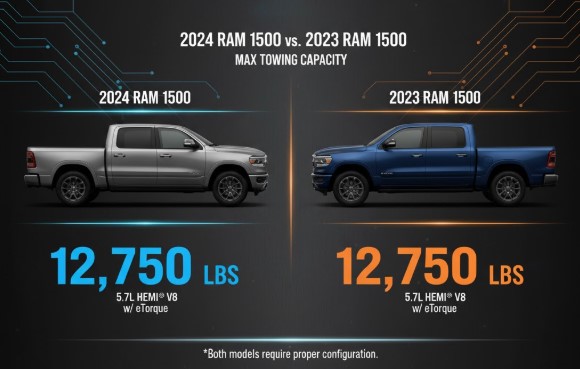
Inside the ZF transmission, the valve body acts as the hydraulic brain. It directs fluid pressure to engage clutches and gears. If the TCM sends a slightly delayed signal, the hydraulic pressure may build or drop at the wrong millisecond, leading to shift flare (where RPMs rise between gears) or a harsh engagement. This is not necessarily a sign of a broken internal component; it often points to a mismatch between software signals and mechanical response, especially under the heavy load conditions typical of the 5.7L HEMI or the eTorque mild-hybrid system.
Distinguishing Software Bugs from Hardware Failures
It is vital to differentiate between electronic control errors and mechanical breakdown. A mechanical failure—such as a worn clutch pack or a broken solenoid—will usually present with consistent, worsening symptoms and specific diagnostic trouble codes (DTCs). Conversely, software bugs often appear intermittently, disappearing after a ignition cycle or a simple TCM reset. The eTorque system introduces additional complexity, as the regenerative braking and electric assist can sometimes mask or amplify perceived transmission hesitations during low-speed deceleration.
Step-by-Step Guide to Diagnosing 2021 Ram 1500 Transmission Problems
Before assuming the worst, check with your local dealership for any outstanding Technical Service Bulletins (TSBs) related to TCM software updates. Many 2021 models have had their shift logic improved via firmware updates provided by FCA.
Use a high-quality OBDII scanner capable of accessing the proprietary Chrysler/Ram data bus. Generic scanners often miss “U” or “P” codes specific to the TCM, which are necessary to distinguish between a software glitch and a physical solenoid failure.
If you recently disconnected the battery or bought the truck used, the transmission might be struggling with “stale” learned data. A professional scan tool can clear the transmission’s adaptive tables, forcing it to relearn your specific driving style.
Proven Solutions for 2021 Ram 1500 Transmission Problems
Recommended Best Deal Products


Applying TCM Reflash Updates for Smoother Shifting
The most effective, non-invasive solution to transmission hesitation is the application of the latest TCM software. These updates often optimize the shift schedule to prevent premature upshifting or late downshifting during normal driving conditions. This is the first step in any professional repair workflow. By ensuring the software is current, you effectively “debug” the transmission control logic, often resolving complaints without removing a single bolt.
Fluid Management and Inspection
While the ZF 8HP uses a “lifetime” fluid specification, “lifetime” is a subjective term defined by the manufacturer’s warranty period. For owners intending to keep their trucks beyond 100,000 miles, an inspection of the transmission fluid for signs of metallic debris or oxidation is advisable. While a full flush is rarely required unless contamination is present, replacing the pan/filter unit—which is integrated into the ZF system—can resolve issues related to restricted hydraulic flow or failing seals.
Avoid using generic, non-ZF approved transmission fluids. The 8HP transmission is extremely sensitive to fluid viscosity and additive packages; using the incorrect fluid will accelerate clutch wear and cause permanent damage to the valve body.
Industry Data: Comparing Transmission Performance
By The Numbers
Forward Gears (ZF 8HP)
Avg Shift Time
Ram TorqueFlite 8 vs. Ford 10R80 Performance
The Ram TorqueFlite 8 (ZF 8HP) is widely considered the gold standard for shift quality in the half-ton segment. While Ford and GM’s 10-speed transmissions (10R80 and 10L80) prioritize having more gears to keep the engine in its power band during heavy towing, the Ram’s 8-speed design focuses on reducing shift hunting. Because the Ram has fewer gear changes to perform during acceleration, it often feels more composed in city traffic, whereas the 10-speeds can sometimes feel “busy” as they cycle through closely spaced ratios.
Conclusion
Recommended Best Deal Products


Addressing 2021 Ram 1500 transmission problems requires a calm, methodical approach. Most shifting concerns in these trucks are software-related, not catastrophic hardware failures. Before committing to expensive mechanical overhauls, ensure your TCM is updated with the latest manufacturer firmware, clear the adaptive learning tables, and verify that your vehicle isn’t triggering specific electronic trouble codes. Adaptive learning is a standard feature designed to tailor the truck to your needs, but it can occasionally create a temporary “learning curve” that mimics a fault. If these diagnostic steps do not resolve your concerns, consult an authorized service center for a deeper investigation into the valve body or torque converter health.
2021 Ram 1500 Transmission Problems: Frequently Asked Questions
Why does my truck hesitate when shifting from 1st to 2nd?
Hesitation between 1st and 2nd gear is often caused by the transmission’s ‘adaptive learning’ logic attempting to optimize fuel economy. When the TCM (Transmission Control Module) holds a gear too long or hesitates to engage the next, it is usually due to outdated shift-point mapping. An official software update from your dealership typically recalibrates this logic to provide smoother, more responsive shifting transitions.
Is a transmission fluid flush a cure for hard shifting?
In most cases, no. While clean fluid is essential for longevity, hard shifting in the 2021 Ram 1500 is rarely caused by fluid age alone, especially given the low mileage of these vehicles. Hard shifting is more frequently tied to hydraulic pressure regulation within the valve body or incorrect software parameters. A flush should only be performed if the fluid is burnt or contaminated by debris.
Does the warranty cover software updates for the transmission?
Yes, if your vehicle is within the 5-year/60,000-mile powertrain warranty period and the software update is an official manufacturer remedy for a reported concern, the dealership will typically perform the flash at no cost. It is essential to present your specific symptoms to the service advisor to ensure they cross-reference your VIN against active Technical Service Bulletins (TSBs) to qualify for warranty coverage.
Are these shifting issues usually software or mechanical?
The vast majority of reported issues for the 2021 model year are electronic. The ZF 8HP transmission is highly reliant on sophisticated software to manage hydraulic pressure. When symptoms like erratic shifting occur, it is usually because the TCM has ‘learned’ poor habits or the factory software has a known calibration bug. Mechanical failures, such as internal clutch pack wear, are significantly less common in this specific model year.
What should I do if a TCM reset doesn’t fix the problem?
If a TCM reset and software flash fail, you must escalate the diagnostic process. Ask your technician to check for hydraulic pressure leaks within the valve body and inspect the wiring harness for terminal fretting. If the hardware is deemed faulty, consult your service history to ensure you are eligible for a warranty-backed transmission inspection or component replacement by an authorized Ram technician.