6.7 Cummins Turbo Actuator Problems Diagnosed & Fixed

Is your 6.7 Cummins stuck in limp mode or struggling to build boost under load? You are likely dealing with a failure in the Variable Geometry Turbocharger (VGT) system. The 6.7 Cummins turbo actuator is a frequent point of failure, often leading owners to mistakenly replace the entire turbocharger assembly when the issue is confined to the electronic control module. In this guide, we break down the causes of 6.7 Cummins turbo actuator problems and provide a professional path to diagnosis and repair.
Understanding the Root Causes of 6.7 Cummins Turbo Actuator Problems
Recommended Best Deal Products
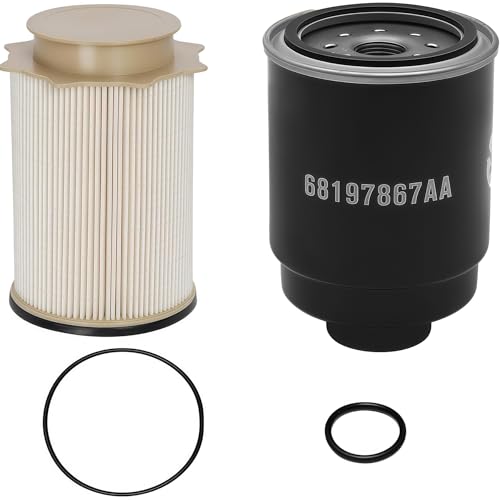
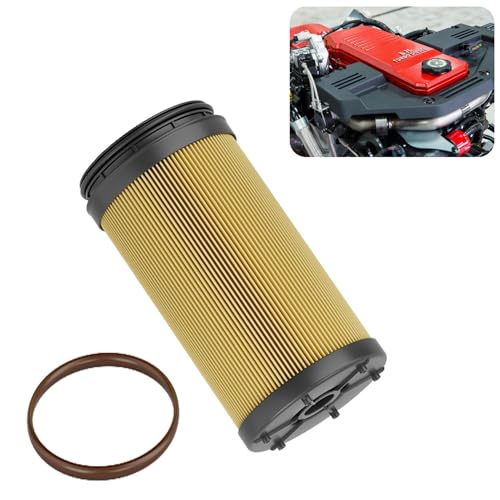

The 6.7 Cummins VGT turbo actuator is a sophisticated electromechanical device designed to adjust the turbocharger’s vane angle, optimizing boost pressure across the entire RPM range. When it fails, the results are immediate and performance-limiting.

Thermal Degradation of Control Circuitry
The electronic control circuitry inside the actuator is subjected to extreme thermal cycling. Positioned directly on the hot side of the turbocharger, the actuator experiences significant heat soak after engine shutdown when oil and coolant circulation cease. Over years of operation, this intense heat breaks down the solder joints and internal capacitors, leading to erratic communication with the Engine Control Module (ECM) or total module burnout.

Carbon Fouling and Mechanical Vane Resistance
Mechanical resistance is a leading catalyst for motor failure. The VGT vanes inside the turbine housing can become seized due to soot accumulation, particularly in trucks that spend significant time idling or running at low loads. When the actuator attempts to sweep the vanes and encounters physical resistance, the internal DC motor draws excessive current, eventually burning out the H-bridge circuitry responsible for vane positioning. A common symptom of this is a scan tool reporting ‘vane position not reached’—this is often the actuator attempting to overcome a mechanical blockage.
Wiring Harness and CAN Bus Communication Errors
While the actuator itself is a frequent failure point, external factors such as connector corrosion or frayed wiring harnesses can mimic internal actuator failure. Moisture intrusion into the connector can lead to terminal oxidation, creating high-resistance points that disrupt the CAN Bus communication between the ECM and the actuator. Before condemning the unit, always inspect the pins for signs of green corrosion or heat-related melting.
Diagnosing 6.7 Cummins Turbo Actuator Problems Effectively
A systematic diagnostic approach is essential to avoid “parts-cannon” syndrome. You must isolate the electronic control from the physical turbo assembly.
By The Numbers
Cases Involving Carbon Seizure
Common Operating Temps
Identifying Underboost Symptoms and Limp Mode
Typical indicators of a failing actuator include:
- Limp Mode: The truck severely restricts fueling to prevent turbo overspeed.
- Turbo Underboost Codes: Diagnostic Trouble Codes (DTCs) such as P003A or P2262.
- Loss of Power: Noticeable lag or inability to reach target boost pressure under load.
How to Perform a VGT Vane Sweep Test
Using a high-end scan tool, initiate a ‘VGT Actuator Sweep Test’ with the engine off but the key in the ‘Run’ position. Listen closely to the turbo area. You should hear the actuator motor moving the internal linkage. If the scan tool shows the ‘Commanded Vane Position’ changing but the ‘Actual Vane Position’ remains static, the issue lies in either a dead actuator motor or, more commonly, a physically seized mechanical linkage inside the turbo housing.
Checking for Oil and Soot Contamination
Remove the actuator and check the mating surface for oil or soot seepage. If oil is found inside the actuator housing or on the worm gear, it indicates that the turbocharger’s internal shaft seals are failing. This contamination often causes the actuator to short out, meaning replacing the actuator alone is only a temporary fix—the underlying turbocharger must be replaced.
Replacing and Calibrating 6.7 Cummins Actuator Units
Once you have confirmed that the actuator is at fault and the mechanical vanes are free, replacement is straightforward. However, the initialization process is where most DIYers fail.
📋
Step-by-Step Guide
Disconnect batteries. Remove the electrical connector and the three bolts securing the actuator to the turbo center section. Carefully slide the unit away, ensuring the worm gear linkage clears the turbo internal arm.
Align the new actuator arm with the turbo linkage slot. Do not force the housing. Ensure the cooling plate (if equipped) is correctly seated.
Connect an OEM-level scanner. Perform the ‘VGT Learn’ or ‘VGT Calibration’ procedure. The ECM will command the actuator to its physical stops to map the range. Skipping this will result in immediate ‘Performance’ codes.
Troubleshooting Persistent 6.7 Cummins Turbo Actuator Problems
If you have replaced the actuator and completed the calibration, but the truck still throws codes or lacks boost, the issue is likely deeper in the powertrain.
When to Replace the Full Turbocharger
If there is significant shaft play in the turbo, or if the VGT vanes remain stiff after being cleaned, the entire turbocharger assembly is likely compromised. A new actuator cannot fix a physically worn or seized turbocharger. In cases where the vanes are pitted from carbon, the precision required for modern emissions compliance is lost.
Addressing EGR-Related Turbo Contamination
The Exhaust Gas Recirculation (EGR) system is the primary source of soot in the turbine housing. If your turbo experiences frequent vane sticking, it is highly recommended to inspect the EGR valve and cooler. A leaking EGR cooler can introduce coolant into the exhaust stream, which accelerates carbon buildup on the vanes, turning soot into a hard, cement-like deposit.
Electrical System Ground and Power Checks
Finally, verify the electrical integrity of the vehicle. The actuator requires a clean, stable 12V supply and a solid ground. A corroded engine block ground wire can cause intermittent voltage drops, which the sensitive electronics inside the actuator will register as a system fault, causing the truck to trigger an emergency shutdown or limp mode.
Never attempt to force the VGT linkage by hand using extreme leverage. The internal mechanism is delicate; excessive force will strip the gear teeth within the turbo housing, necessitating an immediate turbo replacement.
Proper maintenance of the 6.7 Cummins turbo system requires distinguishing between mechanical vane seizing and purely electronic actuator failure. Always inspect the turbo for soot buildup and oil leaks before installing a new module. Never skip the mandatory calibration learning procedure, as the ECM must synchronize with the new unit to function correctly. If the diagnostic steps outlined above do not resolve your boost issues, consult a certified diesel technician to verify your turbo linkage and ECM communication status, as deep-seated electrical or mechanical issues may require professional bench testing.
6.7 Cummins Turbo Actuator Problems: Frequently Asked Questions
Can I replace just the actuator, or do I need a whole new turbo?
You can absolutely replace just the actuator, provided the internal turbo vanes are not mechanically seized. If the VGT vanes move freely by hand, replacing the electronic actuator is a viable solution. However, if the turbocharger housing linkage is jammed due to extreme carbon buildup, replacing only the actuator will likely cause the new unit to fail quickly under the stress.
Do I need to calibrate or ‘learn’ the new actuator after installation?
Yes, calibration is mandatory. Once the new actuator is bolted on, you must use a professional-grade scan tool (such as an OEM WiTECH or high-end aftermarket equivalent) to perform a ‘VGT Turbo Calibration’ or ‘Actuator Learn’ procedure. This allows the truck’s ECM to map the actuator’s open and closed positions, ensuring the vanes operate within the correct parameters.
Is the actuator failure usually electronic or mechanical?
It is usually a combination of both. Most failures occur because the electronic circuit board inside the actuator overheats (heat soak), or the internal drive gears strip. However, the root cause is often secondary: a mechanical resistance from carbon-seized turbo vanes puts excessive load on the actuator’s motor, eventually causing the internal gears or electronics to burn out prematurely.
What is the primary difference between cheap aftermarket actuators and OEM units?
The primary difference lies in the quality of the electronic components and the sealing of the housing. OEM units are designed to withstand high under-hood temperatures and vibration. Cheap aftermarket actuators often suffer from poor soldering, inferior internal plastic gears, and weak seals that allow moisture entry, leading to premature failure and potentially damaging the truck’s communication bus.
Can I drive the truck with a failed turbo actuator?
Driving with a failed actuator is not recommended. If the vanes are stuck closed, you risk excessive EGTs (Exhaust Gas Temperatures), which can damage the engine and turbo. If they are stuck open, you will have virtually no boost, leading to significant power loss and heavy smoke. It is safest to minimize driving until the component is replaced or the system is serviced.