
Best Aftermarket Rear Bumpers [2026]

Selecting the right aftermarket rear bumper is essential for maximizing off-road protection and recovery utility for your truck or SUV. Modern designs prioritize verified vehicle fitment and integrated features like swing-away tire carriers and heavy-duty recovery points to enhance trail performance.
🎯 Key Takeaways
Recommended Best Deal Products


- Verify exact vehicle fitment to avoid expensive freight return shipping costs.
- Heavy-duty steel bumpers significantly improve departure angles for off-road driving.
- Look for integrated features like swing-away tire carriers and LED light mounts.
- Powder-coated finishes offer the best resistance against corrosion and trail debris.
- Ensure compatibility with factory blind-spot and parking sensors before purchasing.
When selecting an aftermarket rear bumper, you are usually looking to solve three specific problems: weak recovery points, poor departure angles, and the inability to carry an oversized spare tire. A high-quality steel or aluminum upgrade typically costs between $800 and $2,200. The right choice depends on whether you prioritize maximum body protection for rock crawling or a lightweight setup that preserves your fuel economy and payload capacity.

Prime for Young Adults — 6 Months Free
Students and 18–24s get six months of Prime free, then half price.
Start 6 Months Free
Practically, this upgrade serves as your vehicle’s last line of defense. Standard factory bumpers are often made of thin plastic or light-gauge stamped steel that crumples upon the slightest impact. By switching to an aftermarket unit, you gain structural integrity that can withstand trail impacts and provide a secure mounting point for recovery gear. This guide breaks down the top-rated options by vehicle category, ensuring you find a Verified Fit that matches your specific frame and utility needs.
Comparing High-Clearance vs. Full-Width Rear Bumper Designs
Your choice between high-clearance and full-width designs dictates how your vehicle handles steep obstacles and rear-end impacts. High-clearance bumpers often require “cutting” the lower portion of your rear quarter panels. This modification significantly increases your departure angle, preventing the bumper from dragging when you descend off ledges or steep rocks. Conversely, full-width bumpers offer maximum protection, extending to the edges of your fenders to shield the body from side swipes and grocery-cart dings.
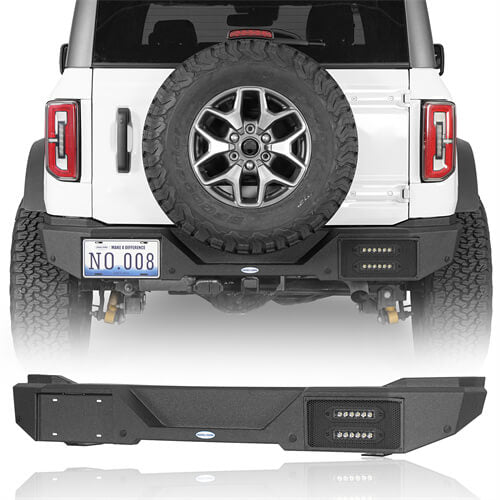
Verified Fit Catalog: Top Aftermarket Options by Vehicle Type
Below is a curated list of high-performing rear bumpers categorized by vehicle type. Each of these models is verified for fitment and structural integrity.
- Full-Size Trucks (Ford F-150, RAM 1500, Silverado):
- ADD Stealth Fighter: Low-profile steel construction, integrated shackle mounts, and backup sensor compatibility. Estimated Cost: $1,600 – $1,900.
- Warn Ascent: Precision-cut steel designed to maintain high ground clearance while offering heavy-duty recovery points. Estimated Cost: $1,100 – $1,400.
- Jeep Wrangler (JL/JK) & Gladiator:
- Poison Spyder Bruiser: A classic high-clearance design with recessed light mounts and a textured black powder coat. Estimated Cost: $900 – $1,200.
- Smittybilt XRC Gen2: Features raised corners for better exit angles and includes permanent bolt-on D-ring mounts. Estimated Cost: $650 – $850.
- Mid-Size SUVs & Overlanders (4Runner, Bronco, GX460):
- CBI Offroad Classic: Offers a wrap-around design for total quarter-panel protection and optional swing-away tire carriers. Estimated Cost: $1,800 – $2,400.
- ARB Summit: Provides a massive increase in rear-end protection with a focus on towing compatibility and aesthetics. Estimated Cost: $1,300 – $1,600.
Material Choice: Steel vs. Aluminum
Most Verified Fit bumpers come in either 3/16-inch plate steel or 1/4-inch aircraft-grade aluminum. Steel is the standard for durability; it can take a beating on the rocks and be hammered back into shape. However, it is heavy, often adding 100-150 pounds to your rear end. Aluminum options cut that weight by nearly 50%, which is ideal for overlanders concerned about Gross Vehicle Weight Rating (GVWR), though they generally cost 20-30% more and are less “repairable” after a hard hit.
Essential Utility Features: Tire Carriers, Recovery Points, and Lighting
Recommended Best Deal Products


An aftermarket rear bumper is more than just a piece of metal; it is a utility hub. When you move to larger tires (35-inch or 37-inch), your factory tailgate hinges or under-chassis mount will likely fail under the stress. This is where a bumper-mounted tire carrier becomes essential. These systems transfer the weight of the spare tire directly to the vehicle’s frame, preventing tailgate sagging or frame fatigue over time.
Swing-Away Carriers and Weight Management
Modern rear bumpers often feature modular swing-away systems. You can choose to add a single arm for a tire or a dual-swing setup that holds fuel cans (RotopaX), Hi-Lift jacks, and recovery boards. Pro-Tip: Look for carriers that use tapered roller bearings at the hinge point. This ensures the arm swings smoothly even when loaded with 150 pounds of gear. These systems usually add $500 to $1,000 to the base price of the bumper but are mandatory for serious long-distance travel.
Integrated Lighting and Recovery Systems
Visibility and recovery are the secondary pillars of a great rear bumper. Most high-end aftermarket options include the following features as standard or easy add-ons:
- Flush-Mount Light Pods: Pre-cut holes for 2×2 or 3×3 LED pods. These are game-changers for reversing on dark trails or setting up camp at night.
- Heavy-Duty D-Ring Tabs: Look for tabs that are welded through the face of the bumper and directly to the frame mounting brackets. Avoid “surface-welded” tabs for heavy snatch recoveries.
- Integrated Hitch Receivers: Many aftermarket bumpers include a Class IV-rated hitch. This often improves clearance because the hitch sits higher than the factory assembly hanging below the frame.
- Parking Sensor Compatibility: Ensure the bumper has pre-drilled holes for your factory ultrasonic sensors to avoid constant “blind spot” or “backup” warnings on your dashboard.
Beyond simple utility, consider the finish durability. A two-stage powder coat—consisting of a zinc primer and a textured topcoat—is the gold standard. It prevents the road salt and moisture from creeping under the paint and causing structural rust, especially in the tight crevices around recovery points and light mounts.
Material Selection and Finish Durability for Longevity
Choosing the right material for your aftermarket rear bumper is about more than just looks; it’s about finding the balance between weight, strength, and environmental resistance. Most off-road enthusiasts gravitate toward steel because of its sheer impact resistance, but aluminum has carved out a significant niche for those watching their vehicle’s gross weight.

Audible — Listen Free for 30 Days
One free credit a month and thousands of titles included.
Listen Free for 30 DaysSteel vs. Aluminum: Strength vs. Weight
Steel is the gold standard for maximum protection. If you anticipate dragging your rear end over rocks or using your bumper as a recovery point, 3/16-inch or 1/4-inch plate steel is your best friend. However, steel is heavy, which can lead to rear-end sag and decreased fuel economy. Aluminum bumpers, on the other hand, offer excellent corrosion resistance and can weigh up to 50% less than steel. While they won’t take the same level of abuse on a rock crawl, they are perfect for overlanders who need to stay under their vehicle’s payload capacity.
- Steel: Best for heavy-duty rock crawling and high-stress recoveries.
- Aluminum: Ideal for beach driving, salty environments, and maintaining better handling.
- Practical Tip: If you choose steel, ensure your rear suspension is rated to handle an extra 100–200 pounds of static weight.
Powder Coating and Corrosion Prevention
The finish on your bumper is its first line of defense against the elements. Most aftermarket bumpers come with a multi-stage powder coat. This is far more durable than standard spray paint, but not all powder coats are created equal. Look for manufacturers that use a zinc-rich primer before applying the final texture. This prevents a single scratch from turning into a spiderweb of rust underneath the coating.
- Textured Finishes: Great for hiding trail scuffs and minor scratches.
- Raw Steel Options: Some brands sell “bare” metal so you can color-match your vehicle or apply a local professional-grade bedliner.
- Pro Tip: Check the warranty specifically for the finish. Many companies offer lifetime structural warranties but only 90 days for the powder coat.
Cost Analysis and Freight Shipping Considerations
Recommended Best Deal Products


Buying an aftermarket rear bumper is a significant investment. Beyond the sticker price, there are logistical costs that can catch first-time buyers off guard. Understanding the price tiers and the “hidden” costs of delivery will help you budget accurately for your upgrade.
Decoding Price Tiers: What Are You Paying For?
You can find rear bumpers ranging from $400 to well over $2,500. A budget-friendly bumper ($400–$800) usually offers basic protection and maybe a couple of D-ring mounts. As you move into the premium tier ($1,200+), you are paying for integrated features like swing-away tire carriers, built-in LED light pods, and compatibility with factory backup sensors. Precision fitment and better weld quality are also hallmarks of these high-end American-made brands.
The Freight Reality: Managing Shipping Costs
Rear bumpers are bulky and heavy, meaning they cannot be shipped via standard parcel services like UPS or FedEx Ground. They arrive via LTL (Less Than Truckload) freight on a wooden pallet. Shipping costs can range from $150 to $400 depending on your distance from the warehouse.
- Commercial Delivery: Shipping to a business address with a loading dock is almost always cheaper than residential delivery.
- Terminal Pickup: You can often save money by picking the bumper up yourself at the local freight terminal.
- Liftgate Fees: If you ship to your house, expect an extra fee for the truck to use a hydraulic lift to get the pallet to the ground.
Conclusion
Upgrading to an aftermarket rear bumper is one of the most impactful modifications you can make. It provides essential protection for your vehicle’s bodywork, improves your departure angles, and adds versatile recovery points for sticky situations. Whether you choose the rugged durability of steel or the lightweight efficiency of aluminum, prioritizing a quality finish and understanding the total cost of ownership will ensure you are happy with your purchase for years to come.
Next Steps: Start by measuring your current rear-end clearance and identifying if you need to relocate your spare tire. Once you have a shortlist of brands, check for sensor compatibility to ensure your modern safety features still work perfectly. Ready to transform your rig? Grab your gear and start exploring the best options for your specific build today!
💬 Quick Questions & Answers
Do I need to cut my frame for installation?
Most are bolt-on, but high-clearance models may require minor trimming of the rear quarter panels.
Audible Premium Plus — Annual Membership
12 audiobook credits up front, plus the full Audible catalogue.
See Annual PlansWill an aftermarket bumper affect my towing capacity?
Many include integrated hitches, but you must ensure they are rated for your vehicle’s specific towing capacity.
Can I keep my factory backup sensors?
Yes, many modern designs include pre-drilled holes or adapters to relocate factory parking sensors.
How much heavier is a steel rear bumper?
Steel bumpers typically add 60 to 150 pounds depending on the inclusion of a tire carrier.
Does the bumper include recovery points?
Most heavy-duty options feature shackle mounts or D-ring tabs welded directly to the internal frame.
❓ Frequently Asked Questions
What is the benefit of a swing-away tire carrier?
It removes the weight of oversized tires from the tailgate, preventing hinge damage while providing easier access to the cargo area. This is especially vital for Jeeps and SUVs with larger-than-stock tires.
How do I choose between steel and aluminum rear bumpers?
Steel offers maximum impact protection and is easier to repair if damaged, while aluminum significantly reduces weight to help maintain fuel economy and payload capacity. Your choice should depend on how much rock crawling you intend to do.
Are aftermarket rear bumpers street legal?
Most are legal as long as they do not obscure the license plate or required lighting and remain within the vehicle’s width limits. You may need to install a license plate relocation kit if the new bumper covers the original mount.
Will I need to upgrade my suspension after installing a rear bumper?
If you choose a heavy steel model with a full-size spare tire carrier, you may need stiffer rear springs or a leveling kit to prevent rear-end sag. It is important to calculate the total added weight against your vehicle’s payload.
How do I maintain the finish on my aftermarket bumper?
Regularly wash off road salt and mud, and use a matching touch-up paint or spray on any scratches to prevent surface rust. Most powder-coated finishes are durable but can chip if struck by large rocks on the trail.
Do aftermarket bumpers come with a warranty?
Reputable manufacturers typically offer a limited lifetime structural warranty and a one-to-three-year warranty on the powder-coated finish. Always check the specific brand’s policy regarding off-road use and impact damage.
![2019 Ram 2500 Grill: Expert Review [2026]](https://truckguider.com/wp-content/uploads/2026/04/featured-chiesma-front-grille-trim-kit-fit-for-dodge-ram-25-768x403.webp)
![Motorola MA1 Wireless Android Auto Adapter: Full Comparison [2026]](https://truckguider.com/wp-content/uploads/2026/03/motorola-ma1-wireless-android-auto-car-a-featured.webp)
![275/55R20 vs 33×12.50R20: Specs & Fitment Guide [2026]](https://truckguider.com/wp-content/uploads/2026/03/275-55r20-vs-33x12-50r20-featured.webp)