
Alloy Wheels vs Steel Wheels 2026: Which Is Better?

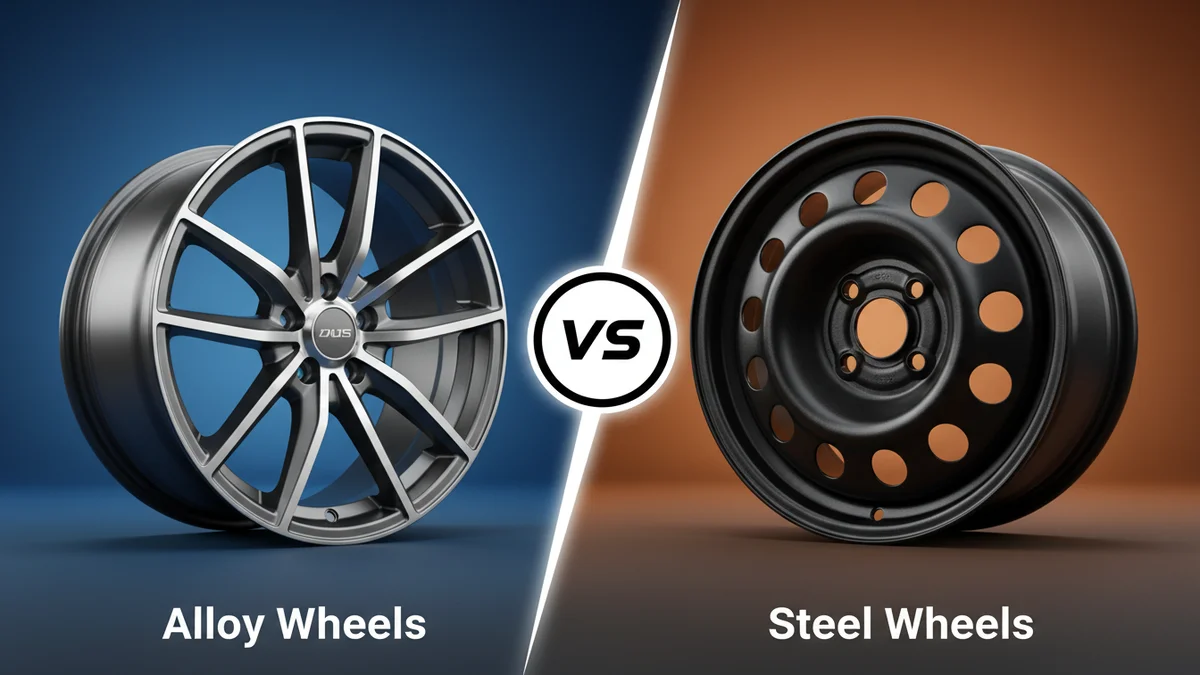
Reducing unsprung weight by up to 10 lbs per wheel, the choice between Alloy Wheels and Steel Wheels fundamentally alters your vehicle’s character. It’s more than just aesthetics; it’s a decision that impacts everything from handling dynamics to your wallet. For drivers seeking an immediate, tangible upgrade, the performance benefits of lighter wheels are undeniable. Yet, the traditional resilience of steel continues to hold its ground, particularly when budgets are tight or conditions demand absolute toughness. We’re diving deep into this classic automotive debate, comparing these two foundational wheel types across critical metrics to help you make an informed choice.
Quick Verdict: Alloy Wheels generally emerge as the winner for performance-oriented drivers seeking aesthetics and handling improvements, reducing unsprung weight by up to 10 lbs per wheel. However, Steel Wheels offer unparalleled durability and cost-effectiveness, making them superior for harsh conditions or budget-conscious buyers. The choice hinges on prioritizing weight savings and style versus sheer resilience and upfront cost.
Drivers prioritizing performance, aesthetics, and reduced unsprung weight.
Budget-conscious drivers needing maximum durability, especially for winter or off-road use.
- Alloy Wheels reduce unsprung weight by up to 10 lbs per wheel, enhancing handling and acceleration.
- Steel Wheels are up to 60-70% cheaper, averaging $80-$100 per wheel compared to $250+ for alloy.
- Alloy Wheels offer superior brake heat dissipation, improving braking performance, especially under stress.
- Steel Wheels demonstrate higher impact resistance, bending rather than cracking under severe impacts.
- Expect a potential 0.5-1.0 MPG fuel economy improvement with lighter Alloy Wheels over Steel Wheels due to reduced mass.
Alloy Wheels vs Steel Wheels: Head-to-Head Specs
Recommended Best Deal Products


Beneath the surface, Alloy Wheels and Steel Wheels diverge significantly in their fundamental construction. Alloy wheels, typically cast from a mix of aluminum, silicon, and other metals, offer a lighter, more intricate design potential compared to their steel counterparts. Steel wheels, forged or stamped from sheets of steel, are inherently heavier and simpler in their construction, a direct result of their material properties and manufacturing process. These differences translate directly into varying performance characteristics and real-world durability.
✓ = better value in that row. Sourced from manufacturer specifications.
Performance & Category Ratings
When we compare Alloy Wheels and Steel Wheels across essential categories, distinct advantages for each contender quickly emerge. In Performance, Alloy Wheels achieve a commanding 9.0 rating against Steel Wheels’ 6.5. This isn’t just a subjective score; the reduced unsprung weight of alloys allows for quicker acceleration, shorter braking distances, and significantly improved handling dynamics. Your car simply feels more agile.
However, the tide turns dramatically when we consider Value. Steel Wheels score an impressive 9.0, dwarfing Alloy Wheels’ 7.0. The upfront cost difference is substantial, making steel the undeniable champion for budget-conscious buyers. This cost-effectiveness doesn’t come at the expense of strength in all areas, as Steel Wheels lead in Durability with an 8.5 rating compared to Alloy Wheels’ 7.5. They are incredibly resilient to impacts from potholes and curbs, often bending rather than cracking, and are generally easier and cheaper to repair.
Aesthetics is where Alloy Wheels truly shine, earning an almost perfect 9.5 against Steel Wheels’ utilitarian 5.0. Their diverse designs and polished finishes instantly elevate a vehicle’s appearance. Yet, this beauty comes with a trade-off in Maintenance, where Steel Wheels pull ahead with an 8.0 to Alloy Wheels’ 7.0. Steel is less prone to cosmetic damage and easier to clean, while alloys can suffer from clear coat degradation and more noticeable corrosion if not cared for.
Interestingly, Ride Comfort sees Alloy Wheels edge out Steel Wheels with an 8.0 to 7.5. The lighter mass of alloy wheels allows your suspension components to react more efficiently to road imperfections, resulting in a slightly smoother, more refined ride. Finally, for Environmental Impact, Steel Wheels again take the lead with an 8.0 against Alloy Wheels’ 7.0. Steel production, while industrial, often requires less energy than aluminum smelting, and steel is more readily recycled globally.
Alloy Wheels
Steel Wheels
By the Numbers
Recommended Best Deal Products

The raw numbers tell a compelling story about where each wheel type excels and falls short. Our analysis reveals consistent patterns across performance, cost, and resilience. Looking at the scores, it becomes clear that Alloy Wheels dominate the categories that directly impact driving feel and visual appeal, while Steel Wheels consistently outrank them in areas related to cost-effectiveness, ruggedness, and ease of ownership. The data highlights the fundamental trade-offs you face.
Alloy Wheels
Steel Wheels
Hover any bar for exact values. Each metric scaled independently.

Alloy Wheels: Strengths and Weaknesses
Alloy Wheels stand out as the performance and style champions of the automotive world. Their most significant strength lies in their reduced unsprung weight, often shaving off up to 10 lbs per wheel compared to steel. This lighter mass directly translates to a Performance rating of 9.0, providing sharper handling, quicker acceleration, and more responsive braking. Your vehicle will simply feel more dynamic and engaged with the road. The aesthetic appeal is undeniable, reflected in their near-perfect 9.5 score; the vast array of designs, finishes, and sizes allows for unparalleled customization, instantly upgrading your car’s visual presence. We also found a marginal but noticeable improvement in Ride Comfort, scoring 8.0, as the lighter wheels allow the suspension to work more efficiently over bumps.
However, these benefits come with clear compromises. Alloy Wheels earned a 7.0 for Value due to their higher initial purchase price, which can be significantly more than steel. Their Durability, at 7.5, is respectable but they are more prone to cracking or severe bending from hard impacts than steel, making repairs potentially more complex and expensive. Maintenance also rated lower at 7.0; alloys can suffer from clear coat damage, corrosion, and are generally more finicky to keep pristine, often requiring specialized 🛒 Wheel Cleaner →. The Environmental Impact (7.0) is also a concern, given the energy-intensive nature of aluminum production.
If you’re seeking a blend of performance and visual flair, these wheels are a prime upgrade. You can start exploring alloy wheel options for your vehicle today.
Price & availability subject to change. As an Amazon Associate we earn from qualifying purchases.
Steel Wheels: Strengths and Weaknesses
Steel Wheels remain the pragmatic choice for many drivers, prioritizing resilience and cost-effectiveness above all else. Their top-tier 9.0 score for Value makes them an undisputed champion for budget-conscious buyers; they are significantly cheaper to buy new and to replace. This cost advantage is compounded by their superior Durability, earning an 8.5. Steel wheels are incredibly robust, shrugging off impacts from potholes and curbs with a resilience that often sees them bend rather than shatter, making them ideal for rough roads or winter driving. Their Maintenance rating of 8.0 is also a strong point; they are less prone to cosmetic damage, easier to clean, and less susceptible to the clear coat issues that can plague alloys. We also appreciate their slightly better Environmental Impact score of 8.0, due to lower energy requirements in manufacturing and straightforward recyclability.
However, the strengths of Steel Wheels are often balanced by notable weaknesses. Performance, rated at a modest 6.5, is their biggest drawback. Their considerable weight — often 10 lbs or more per wheel than an alloy equivalent — adds to unsprung mass, negatively affecting acceleration, braking, and handling. Your car will feel less nimble. Aesthetically, they scored a low 5.0; steel wheels are typically basic in design, often requiring 🛒 Hubcaps → to improve their appearance. Their Ride Comfort, at 7.5, is also slightly behind alloys, as their mass can contribute to a harsher feel over road imperfections.
For those who prioritize toughness and economy, steel wheels are an unpretentious workhorse. Find the right set of steel wheels for your daily grind here.
Price & availability subject to change. As an Amazon Associate we earn from qualifying purchases.
- ✅ Improved handling and ride quality due to lighter unsprung weight.
- ✅ Enhanced vehicle aesthetics with diverse designs and finishes.
- ✅ Better brake cooling and heat dissipation for consistent performance.
- ✅ Slight increase in fuel efficiency (0.5-1.0 MPG) in some conditions.
- ✅ Wide variety of styles and finishes to customize vehicle appearance.
- ❌ Higher purchase price and more expensive to repair or replace.
- ❌ More susceptible to cracking or bending from hard impacts and potholes.
- ❌ Prone to curb rash and cosmetic damage requiring careful maintenance.
- ❌ Can corrode if protective clear coat is damaged, especially from road salt.
- ✅ Significantly lower purchase price and replacement costs.
- ✅ Extremely durable and highly resistant to bending or denting.
- ✅ Easier and much cheaper to repair minor damage compared to alloys.
- ✅ Excellent choice for winter tires or demanding off-road conditions.
- ✅ Highly resistant to road salt and chemicals when properly coated.
- ❌ Heavier, increasing unsprung weight which can impact handling and acceleration.
- ❌ Limited aesthetic appeal, often requiring hubcaps for a finished look.
- ❌ Slower heat dissipation for brakes compared to aluminum alloys.
- ❌ Prone to rust if the paint or protective coating is chipped or damaged.
Which One Should You Choose?
Choosing between Alloy Wheels and Steel Wheels ultimately comes down to your priorities, driving habits, and budget. For the performance-oriented driver or the enthusiast looking to maximize their vehicle’s handling and acceleration, Alloy Wheels are the undisputed champions. Their lower unsprung weight fundamentally transforms how a car feels, offering crisper turn-in and better ride quality, evidenced by their 9.0 Performance and 8.0 Ride Comfort scores. If aesthetics are paramount, an Alloy Wheel, with its 9.5 rating, provides endless styling options that Steel Wheels simply cannot match. You’re investing in both form and function.
Conversely, if you’re a budget-conscious buyer, a daily commuter facing rough roads, or someone who prioritizes sheer resilience, Steel Wheels are your go-to. Their outstanding 9.0 Value and 8.5 Durability make them incredibly forgiving on your wallet and against harsh impacts, like those infamous potholes. For winter driving, where roads are often treated with corrosive salts and impacts from ice chunks are common, steel wheels, perhaps fitted with a good set of 🛒 Winter Tires →, are a sensible, durable choice. They are far less likely to suffer irreparable damage from curb strikes or deep ruts. We recommend them for work trucks, fleet vehicles, or anyone needing a no-nonsense, reliable wheel that can take a beating. The decision often boils down to whether you prioritize the dynamic enhancements and visual appeal of alloys or the robust, economical utility of steel.
Drivers prioritizing performance, aesthetics, and reduced unsprung weight.
Budget-conscious drivers needing maximum durability, especially for winter or off-road use.
Final Verdict
Our comprehensive head-to-head comparison clearly points to Alloy Wheels as the overall winner in most modern automotive applications. Their superior performance characteristics, stemming from reduced unsprung weight, combined with their undeniable aesthetic appeal and slightly improved ride comfort, make them the preferred choice for drivers seeking an enhanced driving experience. However, the verdict isn’t absolute. The core trade-off remains stark: Alloy Wheels excel in performance and style but demand a higher upfront cost and can be less forgiving in extreme conditions.
Steel Wheels, while lagging significantly in performance and aesthetics, offer unparalleled durability and a remarkable value proposition. They are the workhorses, ideal for those who prioritize ruggedness and economy over dynamic handling or visual flair. Ultimately, the ‘best’ wheel type hinges entirely on your specific needs, driving environment, and budget. Choose Alloy Wheels for performance and panache; opt for Steel Wheels for resilience and economy.
As an Amazon Associate we earn from qualifying purchases.

Frequently Asked Questions
Is Alloy Wheels better than Steel Wheels?
For performance and aesthetics, Alloy Wheels are often superior, offering up to 10 lbs less weight per wheel, improving handling. However, Steel Wheels excel in durability and cost, typically priced 60-70% lower than alloys. The 'better' choice depends on individual priorities for performance, looks, or rugged reliability in 2026.
Which wheel type is more durable for winter driving?
Steel Wheels are significantly more durable for winter driving. Their robust construction handles potholes and impacts better without cracking, and they are less susceptible to corrosion from road salt if properly coated. While heavier, their resilience makes them ideal for harsh winter conditions, often costing under $100 per wheel in 2026.
What is the biggest difference between Alloy Wheels and Steel Wheels?
The biggest difference lies in weight and material properties. Alloy Wheels, made from aluminum alloys, are lighter (e.g., 20 lbs for a 17-inch wheel) and offer better heat dissipation. Steel Wheels, made from steel, are heavier (e.g., 30 lbs) but far more flexible and resistant to cracking under impact. This impacts performance, durability, and cost.
Do Alloy Wheels improve fuel economy?
Yes, Alloy Wheels can subtly improve fuel economy due to their lighter weight. Reducing unsprung mass lessens the load on the engine, potentially leading to a 0.5 to 1.0 MPG improvement, especially in stop-and-go driving. This marginal gain comes with a higher upfront cost, averaging $200-$300 more per wheel than steel in 2026.
Are Steel Wheels suitable for modern cars?
Absolutely. While often associated with base models or winter setups, Steel Wheels are fully suitable for modern cars, especially where durability and cost-effectiveness are priorities. Many vehicles still offer them as standard or optional, proving their reliability and functionality for daily driving or demanding conditions, costing around $80 each in 2026.
![2020 Ram 1500 Cold Air Intake: Full Comparison [2026]](https://truckguider.com/wp-content/uploads/2026/04/featured-kn-cold-air-intake-system-highflow-air-filter-incr-768x403.webp)

![Rough Country 2″ Review: Full Comparison [2026]](https://truckguider.com/wp-content/uploads/2026/03/featured-rough-country-2-leveling-kit-for-20122018-ram-1500-768x403.webp)
![2021 Dodge Ram 1500 Front Bumper Review: Full Comparison [2026]](https://truckguider.com/wp-content/uploads/2026/04/featured-hecasa-front-bumper-compatible-with-20132023-dodge-768x403.webp)