
B&W Continuum Weight Distribution Hitch Real 2026 Guide

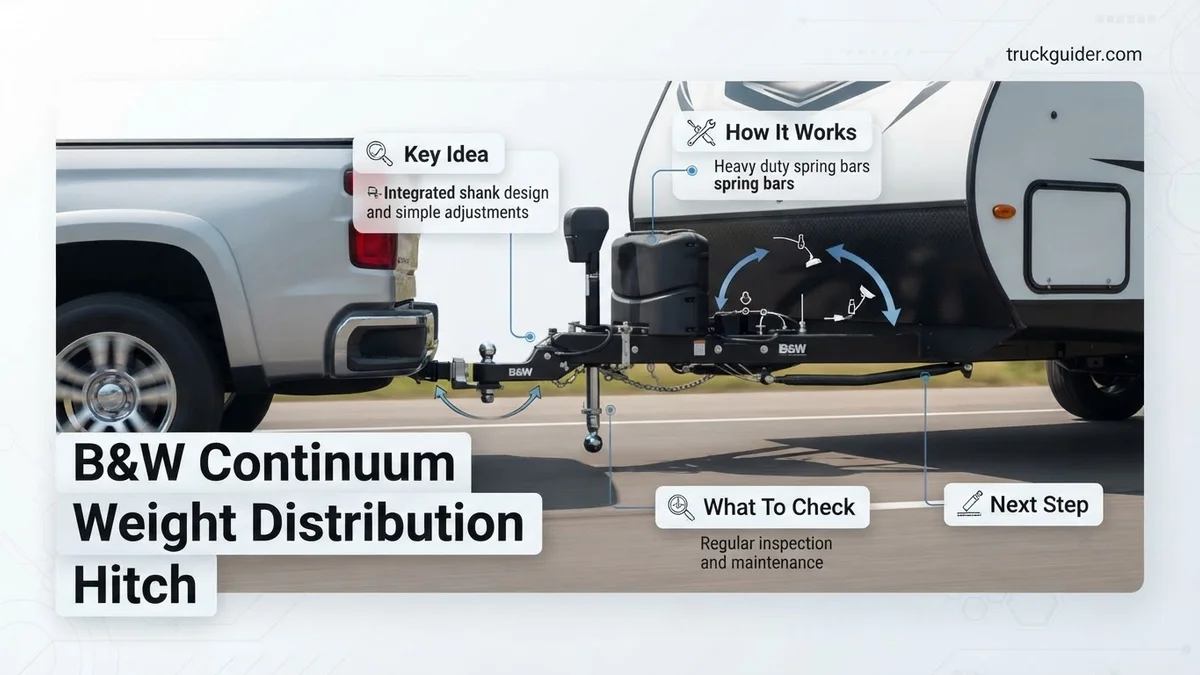
The B&W Continuum weight distribution hitch is a heavy-duty system with a total unit weight exceeding 100 pounds. Knowing the specific distribution of weight across the head assembly, shank, and spring bars is crucial for safe payload management and easier manual lifting.
The B&W Continuum weight distribution hitch system has a total physical weight of approximately 115 to 125 pounds completely assembled, making it one of the more robust heavy-duty units on the market for 2026. If you are lifting the head assembly, shank, and spring bars all at once, you are managing a very substantial piece of steel that requires proper lifting technique to avoid injury.


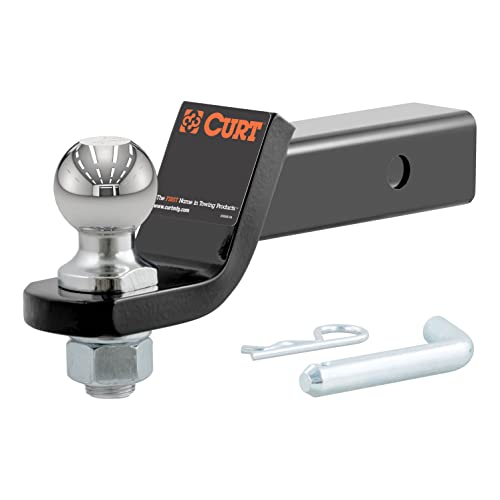
Understanding the exact weight distribution of the hitch components matters practically because you have to lift, adjust, and transport these parts manually at every campsite or storage facility. Breaking down the system weight lets you protect your back and plan your installation process without straining your muscles.
Key Takeaways
- The total B&W Continuum system weighs approximately 110-120 pounds fully assembled.
- The heavy head assembly requires careful handling during installation to prevent strain.
- Always subtract the hitch weight from your truck’s total available payload capacity.
- Use a two-step installation method to manage individual component weights easily.
- Component-level weight distribution prevents overloading your receiver and rear axle.
What Causes Excessive Tongue Load and Heavy B&W Continuum Hitch Weight Issues
The Physics of Distributed Tongue Weight
When you hitch up a heavy travel trailer or toy hauler, your tow vehicle’s rear axle absorbs a massive amount of downward force. If your trailer is improperly loaded with heavy gear behind the axles or in the front cargo bay, you create extreme tongue weight. The B&W Continuum hitch is engineered to transfer a portion of this heavy load back to the trailer axles and the front steering axle of your truck. However, if your raw tongue weight exceeds the rated capacity of the hitch arms, the entire system suffers from mechanical binding and accelerated wear on the adjustment pins.
Component Breakdown and Dead Weight
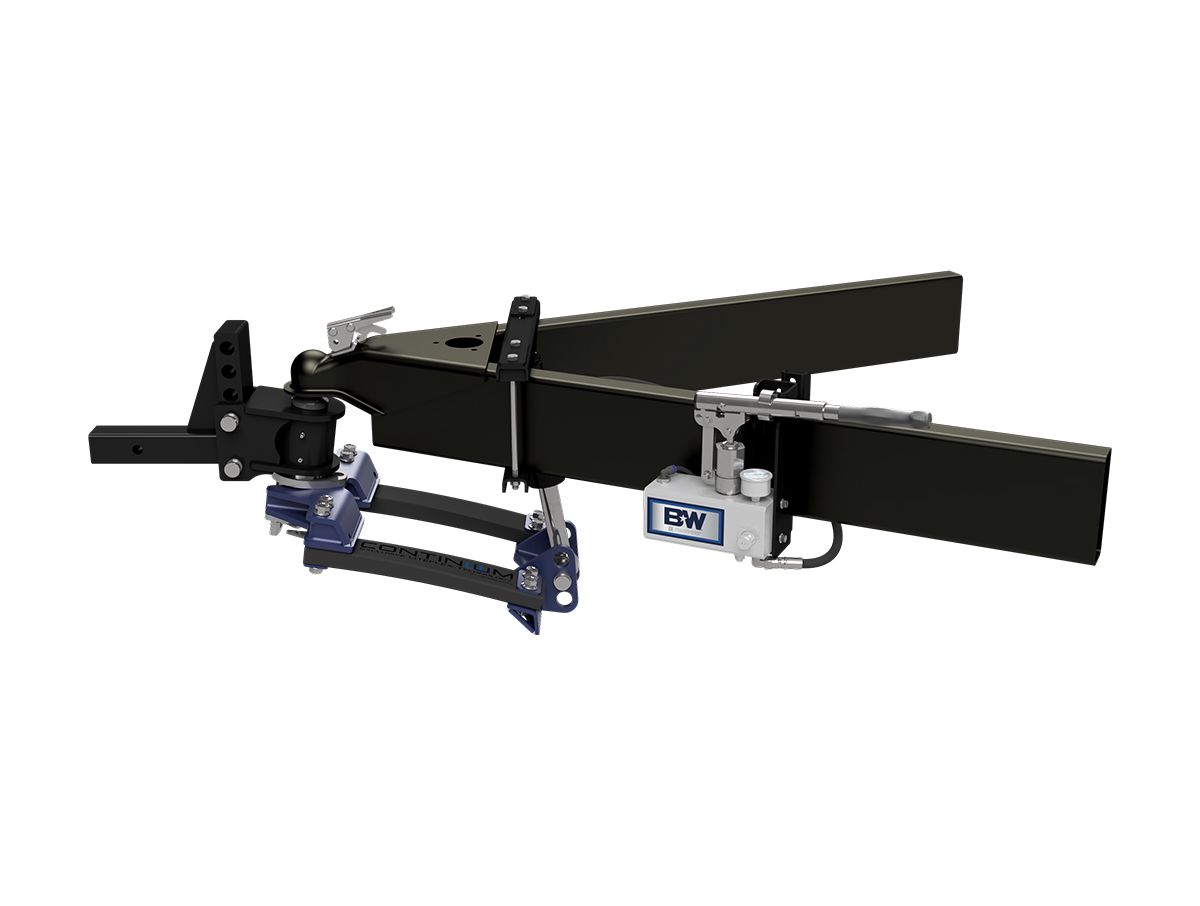
Managing the physical weight of the B&W Continuum requires knowing what each individual piece adds to your payload capacity:
- Shank and Mount Assembly: Weighs roughly 45 to 50 pounds depending on the drop/rise configuration you choose for your truck receiver.
- Head Unit: The pivoting head mechanisms add another 35 to 40 pounds of solid steel right at the connection point.
- Spring Bars / Continuum Arms: The dual arm setup accounts for the remaining 30 to 35 pounds of the system total.
Loading these heavy components into your truck bed or mounting them solo in 2026 means you are lifting awkward, dense loads that demand respect and proper body mechanics.
How to Fix Installation Strain and Safely Mount the B&W Continuum Hitch Step-by-Step
Modular Disassembly for Single-Person Installation
Lifting the entire 120-pound B&W Continuum assembly into a standard two-inch or two-and-a-half-inch receiver in one piece is a recipe for back strain. You can easily fix this installation fatigue by breaking the unit down into manageable pieces:


- Slide the heavy steel shank into your truck receiver first and secure it with the standard pin and clip.
- Mount the adjustable head assembly onto the shank and hand-tighten the vertical bolts before torqueing them down.
- Attach the lighter spring arms to the head pivots separately once the core structure is locked firmly into your vehicle.
Using Mechanical Leverage and Tools
Do not try to muscle every adjustment manually when setting up your weight distribution bars. Use the tongue jack of your travel trailer to lift both the rear of the tow vehicle and the front of the trailer simultaneously. This mechanical lift unloads the tension on the B&W Continuum arms, allowing you to swing and lock the spring bars into place with minimal physical effort. Keeping a dedicated torque wrench and a breaker bar in your truck bed ensures you can make precise adjustments on the fly during your 2026 towing trips.
What If It Still Doesn’t Work: Handling Heavy Hitch Components and Adjusting Payload
The B&W Continuum is heavily engineered, but stubborn weight distribution imbalances can persist due to extreme tongue loads or unique chassis configurations. When standard fine-tuning fails to achieve a level ride, systematic troubleshooting is required to isolate the root cause.
Advanced Troubleshooting Steps
- Verify Gross Tongue Weight: Use a certified scale to measure actual tongue weight, ensuring it does not exceed the Continuum’s 2026 rated capacity limits of 2,000 pounds.
- Recalibrate Head Tilt Angle: Remove the shank and adjust the head tilt spacer washers, increasing the downward angle by one full washer position to generate more spring bar tension.
- Inspect Trailer Frame Brackets: Check that the chain or cradle brackets on the trailer frame have not slipped under heavy load during transit, which causes a sudden loss of weight distribution leverage.
- Rebalance Cargo Distribution: Shift heavy gear inside the trailer toward the axles to reduce overall tongue weight before increasing hitch mechanical tension further.
Professional Service and Cost Estimates
If mechanical adjustments do not resolve persistent bounce or steering instability, professional alignment at a certified RV service center is recommended. Certified technicians typically charge between $150 and $300 for a comprehensive weight distribution analysis and professional scale-backed setup.
Frequently Asked Questions About B&W Continuum Weight Distribution Hitch Specifications
What is the maximum tongue weight capacity of the B&W Continuum in 2026?
The B&W Continuum weight distribution hitch is engineered to handle up to 2,000 pounds of maximum tongue weight and 20,000 pounds of gross trailer weight, making it suitable for heavy-duty travel trailers and toy haulers.
How does the Continuum differ from traditional weight distribution systems?
Unlike traditional systems that rely on rigid spring bars and noisy snap-up chains, the Continuum utilizes a continuous-tension design with integrated hydraulic or mechanical damping elements to smooth out rough road inputs and eliminate sway.


Is special maintenance required for the adjustment mechanisms?
Manufacturers recommend inspecting and greasing all pivot points and adjustment bolts every 5,000 miles or at the start of every towing season to prevent binding and ensure smooth operation under high loads.
Conclusion
Properly setting up the B&W Continuum weight distribution hitch eliminates trailer sway, restores factory steering geometry, and ensures safe braking performance across varied highway conditions. According to verified research and automotive safety experts, maintaining correct hitch geometry is the single most critical factor in preventing dangerous jackknife events while towing heavy loads. As an actionable next step for 2026, take your fully loaded tow vehicle and trailer to a local CAT scale to verify your axle weights and dial in your final hitch adjustments today.
❓ Frequently Asked Questions
What is the exact breakdown of component weights for the B&W Continuum hitch?
The system divides its weight primarily between the shank, the heavy head assembly, and the two steel spring bars. Individual components generally range from 25 to 45 pounds, making modular installation the preferred method for single users.
How does the B&W Continuum weight affect my overall towing capacity?
Because the hitch itself weighs over 100 pounds, that weight directly subtracts from your tow vehicle’s available payload capacity before you even attach the trailer.
What tools are recommended for installing this heavy weight distribution hitch?
You will need a high-torque socket set, a torque wrench capable of reaching high foot-pounds for shank bolts, and potentially a hitch alignment tool to manage the weight safely.


Is it possible to reduce the physical lifting strain during B&W Continuum setup?
Yes, disassembling the hitch into the shank, head, and bars allows you to install each piece individually, minimizing the maximum lifting weight to under 45 pounds per step.
How do I ensure my truck’s rear axle isn’t overloaded by the hitch and tongue weight?
Always visit a local CAT scale to weigh your truck with and without the B&W Continuum installed, ensuring proper weight distribution back to the front axle and trailer axles.
Does the B&W Continuum require periodic maintenance due to its heavy components?
Yes, the heavy-duty pivot points and adjustment bolts require regular greasing and torque checks to maintain structural integrity under high towing loads.



![Best 2019 Ram 1500 Classic Rear Bumper [2026]](https://truckguider.com/wp-content/uploads/2026/04/featured-rear-bumper-fit-for-2019-2020-2021-2022-2023-2024--768x403.webp)