Car Alarm Shock Sensor Location: Find It Easily and Securely

Finding the car alarm shock sensor location is essential for effective security. This small component detects impacts and vibrations, triggering the alarm to protect your vehicle.
Understanding the location of your car alarm shock sensor can be crucial. It ensures that your vehicle’s security system functions properly. This tiny sensor is the heart of the alarm system, detecting any unauthorized attempts to tamper with your car.
Without it, your alarm might not activate when needed. In this blog post, we will explore where to find this important part in your vehicle. Knowing its location can help you maintain your car’s security system, giving you peace of mind. Let’s dive in and learn more about the car alarm shock sensor location.
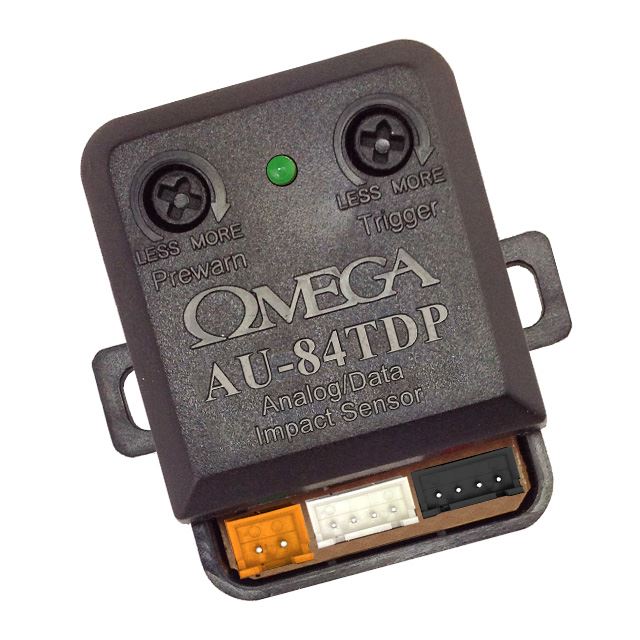
Credit: www.caralarm.com
Types Of Shock Sensors
Understanding the types of shock sensors can help you choose the best car alarm system. Shock sensors detect impacts and vibrations, triggering the alarm if your car is tampered with. There are two main types: single stage and dual stage shock sensors. Each type has its own unique features.
Single Stage Shock Sensors
Single stage shock sensors detect significant impacts or vibrations. They are designed to trigger the alarm if a strong force is detected. They are suitable for basic security needs. These sensors are usually less expensive and easier to install. They provide a simple, yet effective, layer of protection.
Dual Stage Shock Sensors
Dual stage shock sensors offer two levels of sensitivity. The first stage senses light impacts, such as a knock on the window. This triggers a warning chirp, alerting potential intruders. The second stage detects stronger impacts and sets off the full alarm. Dual stage sensors provide a more comprehensive security solution. They can differentiate between minor disturbances and serious threats. They are ideal for those seeking enhanced protection for their vehicle.

Credit: www.electroschematics.com
Locating The Shock Sensor
Locating the shock sensor in your car is crucial for ensuring optimal security. The shock sensor detects impacts and vibrations, alerting you to potential threats. Knowing its exact location helps in maintenance and troubleshooting.
Under The Dashboard
The shock sensor is often under the dashboard. This area protects the sensor from tampering and damage. To find it, look below the glove compartment. It might be mounted near the fuse box. Use a flashlight to spot it easily.
Near The Steering Column
Another common location for the shock sensor is near the steering column. This area is central and sensitive to vibrations. Check around the ignition switch and steering wheel. You might need to remove some panels to access it. Look for a small box with wires connected.
Tools Needed
Installing a car alarm shock sensor requires the right tools. Having the correct tools makes the process easier and ensures a proper installation. This guide will help you gather everything you need.
Basic Tools
First, gather some basic tools. You will need a screwdriver set. Both flathead and Phillips are necessary. A wire stripper and cutter are also essential. These help with managing and connecting wires. A voltage tester ensures your connections are correct and safe. Lastly, have some electrical tape to secure your wiring.
Specialized Equipment
Next, consider specialized equipment. A multimeter is valuable for checking electrical circuits. It provides a more detailed analysis than a voltage tester. A soldering iron is useful for secure connections. It ensures wires stay connected and reduces the risk of faults. Finally, a mounting bracket or adhesive pads help position the shock sensor. This keeps it stable and effective.
Step-by-step Guide
Locating the shock sensor in your car alarm system can be a bit of a puzzle, but with the right steps, it becomes a straightforward task. This guide is designed to walk you through the process, ensuring you find the sensor without any hiccups. Let’s dive in!
Preparation
Before you start hunting for the shock sensor, make sure you have all the necessary tools. You’ll need a flashlight, a screwdriver, and possibly a pair of gloves. It’s also helpful to have your car’s manual on hand, as it can provide valuable insights.
- Flashlight: To see into dark corners.
- Screwdriver: For removing panels.
- Gloves: To protect your hands.
- Car Manual: For specific details about your model.
Once you have your tools ready, ensure your car is parked in a safe, well-lit area. You don’t want to be doing this in the dark or in a place where you might get interrupted.
Finding The Sensor
The shock sensor is usually located under the dashboard or near the steering column. Start by carefully removing the panels under the dashboard. Use your flashlight to look around and identify the small, box-like component that’s typically connected to the alarm system wiring.
- Open your car’s door and sit in the driver’s seat.
- Locate the screws on the dashboard panels and remove them with your screwdriver.
- Gently pull off the panels to reveal the wiring and components underneath.
- Using your flashlight, look for a small box connected to the alarm system wiring – this is likely your shock sensor.
Finding the sensor might take a bit of patience, especially if it’s tucked away. Don’t rush; take your time to ensure you don’t damage any components while searching.
Testing The Sensor
Once you’ve found the shock sensor, it’s important to test it to ensure it’s working correctly. You can do this by gently tapping near the sensor while the alarm system is armed. If the alarm goes off, the sensor is functioning properly.
- Arm your car’s alarm system as you normally would.
- Using a small tool or your fingers, gently tap around the sensor.
- If the alarm triggers, the sensor is in good working order.
- If nothing happens, you may need to adjust the sensitivity settings or consider replacing the sensor.
Testing the sensor is crucial as it ensures your alarm system is responsive to shocks and vibrations, protecting your vehicle from potential theft or damage.
And there you have it – a simple, step-by-step guide to locating and testing your car alarm’s shock sensor. Remember, patience and careful handling are key to ensuring you don’t damage any components while carrying out these steps. Happy hunting!
Securing The Sensor
Installing a car alarm shock sensor can be a bit daunting, especially if you’re new to car maintenance. But don’t worry, securing the sensor properly is crucial to ensure your car is protected against any unwanted bumps or tampering. In this section, we’ll cover some essential steps to mount the sensor correctly and avoid common pitfalls.
Proper Mounting Techniques
Let’s start with the basics. You want to mount the sensor in a place where it can detect vibrations effectively. This usually means attaching it to a solid part of your car’s body. Here’s a quick guide:
- Choose a sturdy location, like the frame or a thick metal panel.
- Make sure the surface is clean and dry before installation.
- Use the provided adhesive or screws for a secure fit.
- Double-check that the sensor is firmly in place and not wobbly.
Proper mounting ensures that the sensor can accurately detect any shocks or impacts, triggering the alarm when necessary.
Avoiding Common Mistakes
Even the best of us can make mistakes. Here are a few common ones to avoid:
- Mounting on a Flexible Surface: If the sensor is on a flexible part, it may give false alarms or miss real threats.
- Ignoring Instructions: Always read the manual. Each sensor model might have specific requirements.
- Not Testing After Installation: After securing the sensor, always test it to ensure it’s working properly.
By steering clear of these common mistakes, you can ensure that your car alarm shock sensor functions as intended, keeping your vehicle safe.
Maintaining Your Shock Sensor
Locate the car alarm shock sensor under the dashboard or near the steering column. Regularly check its position to ensure proper functioning. Proper maintenance helps in detecting any issues early.
Your car’s shock sensor is crucial. It helps protect your vehicle from theft. Regular maintenance ensures it works well. Neglecting it can lead to false alarms or it not working. Here’s how to keep it in top condition.Regular Checks
Check your car alarm shock sensor regularly. Look for any signs of wear and tear. Test the sensor to ensure it detects vibrations. If it doesn’t, it might need adjustment or replacement. Keeping it clean also helps it function better.Troubleshooting Tips
If your car alarm goes off randomly, the shock sensor could be too sensitive. Adjust the sensitivity settings. If the alarm does not trigger, it might not be sensitive enough. Check the wiring. Loose connections can cause problems. If these steps do not work, consult a professional. “`
Credit: www.youtube.com
Frequently Asked Questions
Where Is The Car Shock Sensor?
The car shock sensor is typically located near the alarm system, usually under the dashboard or near the steering column.
What Is The Shock Sensor On A Car Alarm?
A shock sensor detects vibrations or impacts on a car, triggering the alarm to deter theft or vandalism. It enhances vehicle security.
Where To Mount A Shock Sensor?
Mount a shock sensor near the vehicle’s ignition, doors, or windows. Ensure it’s securely attached to a stable surface.
How Do You Turn Off Car Alarm Sensors?
To turn off car alarm sensors, locate the control panel. Use the key fob or dashboard button to disable the system. Consult your car’s manual for specific instructions.
Conclusion
Finding your car alarm’s shock sensor is crucial for better security. Locate it under the dashboard or near the engine bay. Check your car manual for exact details. Ensure proper installation for optimal performance. Regular maintenance helps in keeping the sensor efficient.
Stay alert and keep your car safe. Understanding the sensor’s location gives peace of mind. Happy and safe driving!