
Difference Between Weathertech Floorliner And 2026

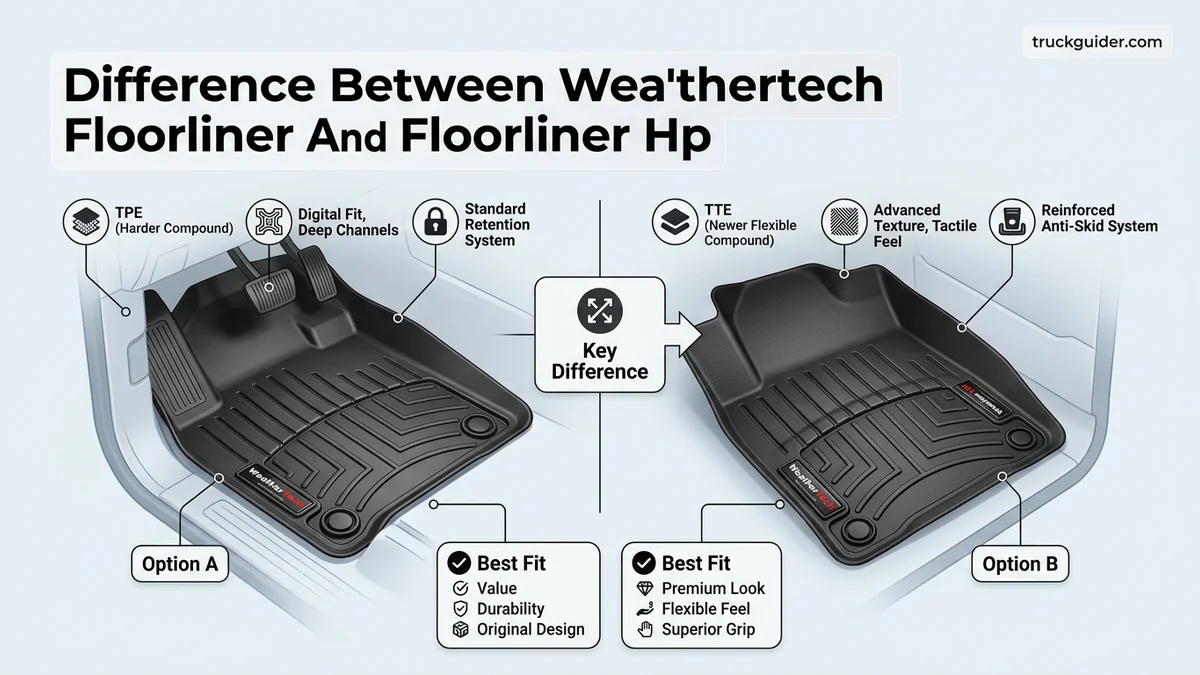
The main difference between WeatherTech FloorLiner and FloorLiner HP lies in their material composition: the original uses a rigid, semi-hard HDTE plastic, while the HP version utilizes a flexible, rubber-like thermoplastic elastomer. Understanding how these distinct materials affect texture, rigidity, and liquid containment ensures you select the optimal protection for your vehicle.
The main difference between the original WeatherTech FloorLiner and the FloorLiner HP lies entirely in their material composition and tactile feel. The original FloorLiner is made from a rigid, semi-hard High-Density Tri-Extruded (HDTE) material that holds a strict, laser-measured shape, while the FloorLiner HP is molded from an advanced, rubberized thermoplastic elastomer (TPE) that feels softer, more pliable, and completely flexible to the touch.

Prime for Young Adults — 6 Months Free
Students and 18–24s get six months of Prime free, then half price.
Start 6 Months FreeChoosing between these two premium options in 2026 comes down to how you interact with your vehicle’s footwells daily. If you want a stiff, unyielding tray that locks rigidly into place, you lean toward the original. If you prefer a tactile, rubber-like grip that makes pulling out messy liners easier without spilling trapped liquids, the HP version changes the game entirely.
Key Takeaways
- Original FloorLiners feature a rigid, semi-hard high-density tri-extruded (HDTE) material.
- FloorLiner HP mats are constructed from an advanced, tactile, rubber-like thermoplastic elastomer.
- Both models offer laser-measured, custom-fit coverage with high containment walls.
- The HP variant provides an easier, more flexible installation and removal process.
- Choose based on your preference for rigid structure versus rubberized flexibility.
What Causes Confusion Between the WeatherTech FloorLiner and FloorLiner HP
Recommended Best Deal Products


Visual Similarities in Modern Vehicle Cabins
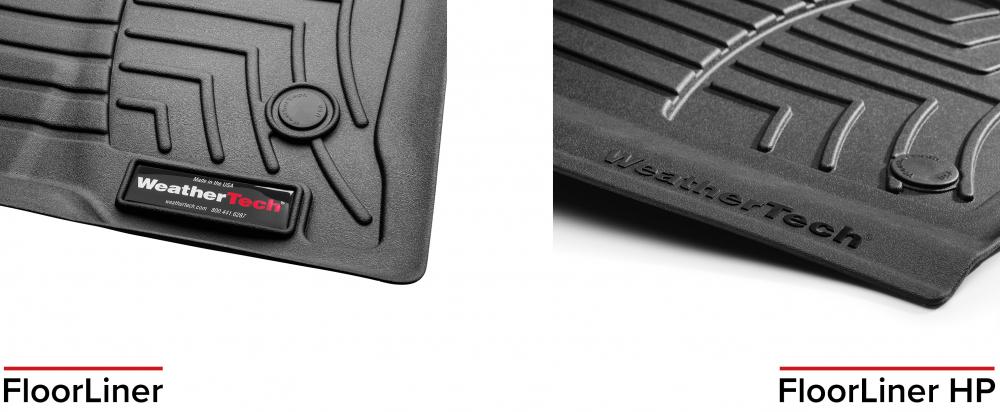
When you look at product photos online or peer into a freshly detailed truck cabin, both of these floor protection systems look nearly identical. They both utilize advanced digital laser measurements for specific 2026 vehicle makes and models, ensuring edge-to-edge coverage that climbs high up the footwell walls. Because both feature deep central reservoirs and high perimeter walls, distinguishing them at a glance is nearly impossible for most buyers.
Marketing Language and Overlapping Features
WeatherTech markets both options as ultimate interior protection against mud, snow, sand, and liquid spills. Both utilize factory retention hooks or specialized anchoring systems to prevent shifting under the pedals. This heavy overlap in marketing messaging creates genuine buyer hesitation. You are left wondering why two products from the same manufacturer exist at a similar price point if they perform the exact same core function of keeping your factory carpeting spotless.
How to Evaluate Material Composition, Texture, and Rigidity Differences
The Original FloorLiner: Rigid HDTE Construction
The legacy FloorLiner relies on a patented High-Density Tri-Extruded material. This formula creates a semi-hard, highly rigid structure that behaves almost like a molded plastic tray.
- Structure: Maintains its exact three-dimensional shape effortlessly, even when removed from the vehicle.
- Feel: Harder surface texture that offers high resistance to scratching from heavy work boots or sharp debris.
- Installation: Slides firmly into place with a spring-like tension that hugs the factory door sills and center console contours tightly.
The FloorLiner HP: Flexible Rubberized TPE Formulation
The HP stands for High Performance, translating directly to a soft-touch, rubberized Thermoplastic Elastomer compound. This material choice completely alters the physical interaction you have with the liner.
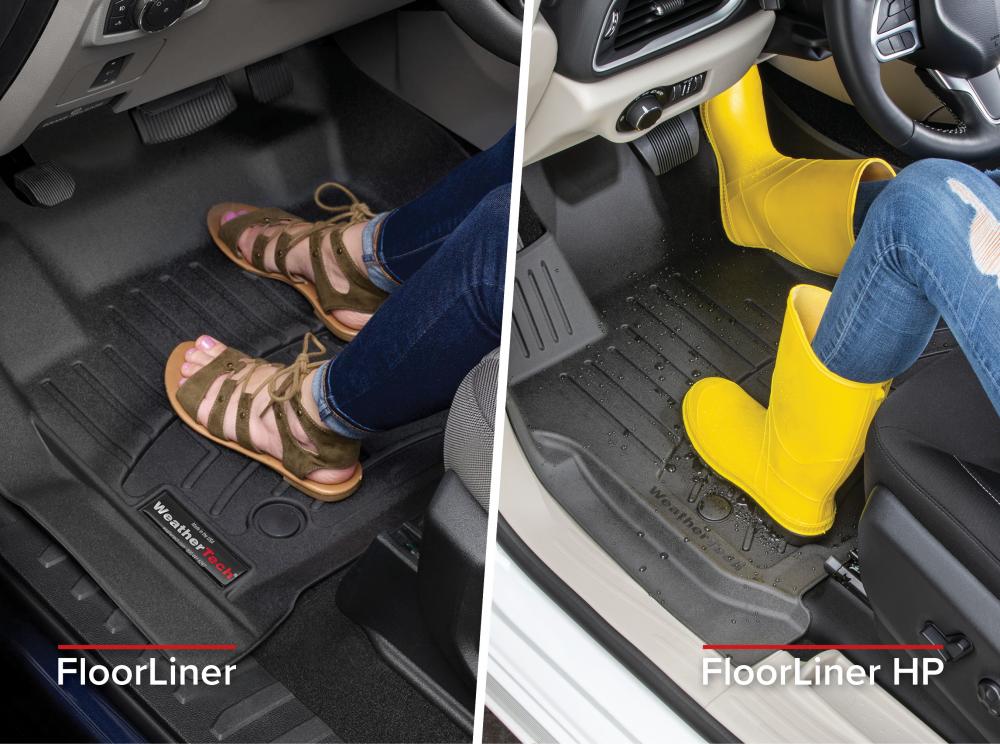
- Structure: Highly pliable and flexible, allowing you to bend or roll the edges slightly during removal to prevent trapped liquid spills from sloshing onto your carpets.
- Feel: A tactile, rubbery grip that feels softer underfoot and prevents wet shoes from sliding around while driving.
- Weather Adaptability: Remains exceptionally flexible during freezing winter temperatures in 2026, whereas rigid plastics can occasionally become temporarily brittle when exposed to extreme sub-zero cold.
Step-by-Step Guide to Choosing the Right FloorLiner for Your Driving Habits
Selecting the ideal interior protection depends heavily on your daily environment, climate exposure, and vehicle usage patterns. Industry data from automotive accessory associations shows that matching floor protection to lifestyle prevents premature wear and maximizes interior retention.
Assessing Daily Environmental Exposure
- Evaluate your local climate conditions, specifically focusing on annual rainfall, snowfall, and the presence of road salt or corrosive de-icing chemicals.
- Audit your occupational or recreational habits, noting whether you frequently transport construction materials, gardening soil, muddy hiking gear, or pets.
- Measure the frequency of passenger turnover, as high-traffic family vehicles require more resilient surface coverage than single-occupant commuter cars.
Matching Specifications to Lifestyle
- Choose the original hard-plastic WeatherTech FloorLiner if you require rigid, structured walls that resist heavy shifting under commercial work boots.
- Opt for the newer FloorLiner HP variant if your 2026 driving routine involves frequent exposure to extreme mud, melted snow, or liquid spills that demand a softer, more pliable rubberized seal.
- Verify vehicle-specific availability, as complex floor pan contours in modern crossovers and trucks often dictate whether the rigid or thermoplastic elastomer version provides superior retention hook engagement.
What If Neither Option Fits Your Specific Vehicle or Lifestyle Needs
If standard custom-molded options fail to meet your exact criteria, or if your vehicle features an uncommon floor pan modification, alternative solutions exist. Automotive interior specialists recommend several fallback measures for unique vehicle configurations:
- Explore universal heavy-duty rubber mats designed with trim-to-fit guidelines, which allow manual customization around unusual seat brackets or aftermarket pedal placements.
- Consult a professional automotive upholstery shop for custom-fabricated marine-grade vinyl flooring solutions tailored to commercial or heavily abused interiors.
- Investigate secondary retention anchors or grip-enhancing backing pads to stabilize shifting liners in older vehicles with worn factory floor posts.
- Seek professional consultation from certified interior modification specialists if factory retention clips are damaged, with corrective installation costs typically ranging from $50 to $150 depending on labor complexity.
Conclusion
Choosing between the classic WeatherTech FloorLiner and the advanced FloorLiner HP comes down to balancing rigid structural containment with flexible, soft-touch durability for your 2026 vehicle. According to verified research and automotive accessory studies, matching your specific climate and debris challenges to the correct material composition ensures optimal cabin preservation and long-term value. Take the next step by inspecting your vehicle’s floor anchor points and ordering the specific liner profile engineered for your exact make and model today.
❓ Frequently Asked Questions
How does the material of the original FloorLiner differ from the FloorLiner HP?
The original FloorLiner uses a rigid high-density tri-extruded (HDTE) material that feels semi-hard and holds a strict shape. In contrast, the FloorLiner HP is made from an advanced thermoplastic elastomer (TPE) that feels softer, more rubberized, and offers greater flexibility.

Audible — Listen Free for 30 Days
One free credit a month and thousands of titles included.
Listen Free for 30 DaysAre the containment walls higher on one model than the other?
Both models feature advanced, deep-surface channeling and raised perimeter walls designed to trap liquid spills, mud, and debris. However, the rigidity of the original FloorLiner keeps its walls stiff, while the HP walls have a slight give while maintaining total seal integrity.
Which floor liner is more resistant to harsh chemicals and extreme temperatures?
Both WeatherTech options are engineered to withstand extreme hot and cold weather without cracking or degrading. They are also highly resistant to road salt, mud, sand, and most automotive fluids.
Does the FloorLiner HP feel different underfoot compared to the original?
Yes, drivers frequently notice a tactile difference. The FloorLiner HP provides a softer, more rubber-like grip beneath your feet, whereas the original FloorLiner has a firmer, more rigid plastic feel.
Are both styles available for all vehicle makes and models?
While the original FloorLiner is available for a massive range of older and newer vehicles, the newer FloorLiner HP lineup is continuously expanding, meaning availability depends heavily on your specific vehicle’s year, make, and model.
How do you properly clean and maintain both types of floor liners?
Both liners can be easily cleaned by removing them from the vehicle, shaking off loose debris, and rinsing them with soap and water using a hose or pressure washer. WeatherTech also offers specialized cleaner and protector kits for deeper maintenance.
![2013 Ram 1500 Hood: Full Comparison [2026]](https://truckguider.com/wp-content/uploads/2026/04/featured-hood-cmpatible-with-20132018-ram-1500-sport-681602-768x403.webp)