Dodge Ram 1500 ECM Problems: Diagnosed & Resolved

Is your Ram acting like it’s possessed? From erratic transmission shifting to engines that crank without firing, electrical gremlins are the bane of the modern truck owner. Many Dodge Ram 1500 owners frequently misdiagnose these persistent electrical faults as catastrophic Engine Control Module (ECM) failures, leading to the unnecessary replacement of perfectly functional hardware. Before you commit thousands of dollars to a dealership repair, it is essential to understand the distinction between a failed computer module and simple ground circuit degradation. This guide provides the expert perspective needed to diagnose real module failures, distinguish them from TIPM issues, and ensure your repairs are executed correctly the first time.
Identifying Symptoms of Dodge Ram 1500 ECM Problems
Recommended Best Deal Products


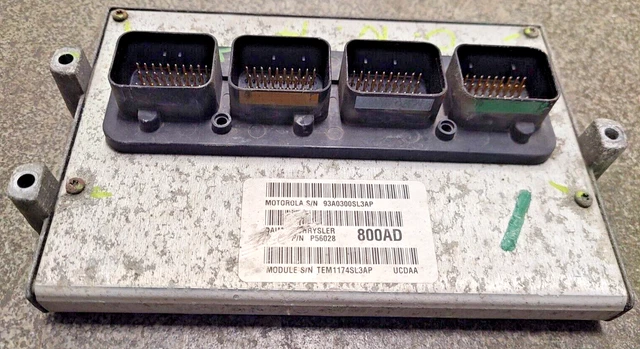
When an ECM fails, it effectively stops communicating with the vehicle’s internal nervous system. However, distinguishing between engine-specific mechanical failures and electrical communication errors requires an understanding of how the microprocessor interacts with the CAN bus.
Identifying Communication Errors (CAN Bus)
The CAN bus (Controller Area Network) is the data highway for your truck. When the ECM fails to broadcast, you will often see “U-codes” (e.g., U0100) on your scanner, indicating a loss of communication with the ECM. If the gear indicator on your dash disappears or the dash lights illuminate like a Christmas tree while the engine runs, you are likely looking at a bus communication collapse, not a mechanical engine failure.
Engine Stalling and No-Start Conditions
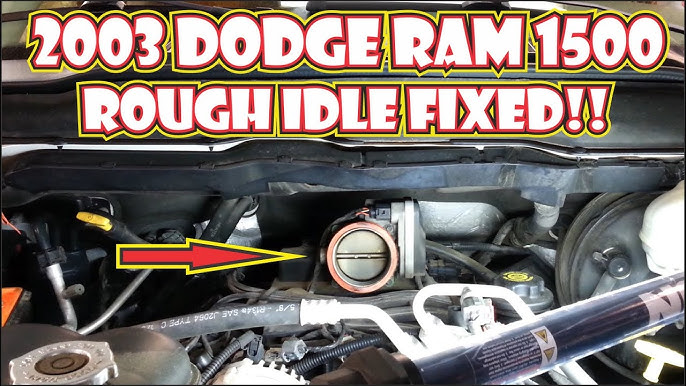
A classic “ECM failure” scenario involves the engine cranking perfectly but refusing to fire. This occurs because the internal flash memory or EEPROM has become corrupted, preventing the ECM from calculating fuel maps or ignition timing. Before condemning the unit, ensure the crankshaft position sensor is providing a signal; a dead sensor can cause identical “crank-no-start” symptoms, leading many to incorrectly blame the computer.
Erratic Transmission and Fuel Mapping Symptoms
When the ECM’s internal logic circuits degrade, you may experience erratic transmission shifting, as the module no longer receives coherent data from the Transmission Control Module (TCM) or fails to send command signals. If your fuel mileage suddenly tanks or the engine idles inconsistently despite clean injectors and good plugs, the ECM’s fuel mapping parameters may have drifted due to hardware heat stress.
Root Causes Behind Dodge Ram 1500 ECM Problems
Understanding why these modules fail is the key to preventing a recurring issue. A replaced ECM will suffer the same fate as the original if the external source of the electrical trauma remains unaddressed.
Electrical Overload and Voltage Spikes
The voltage regulator—typically integrated into the alternator—is designed to keep the system at a stable 13.5–14.5V. If this fails and allows voltage to spike, it can “cook” the delicate internal motherboard of the ECM. Industry data consistently shows that alternator voltage surges are one of the most common causes of ECM hardware damage in the RAM 1500.
Ground Faults and Sensor Shorting
Corroded chassis grounds create high resistance. When the engine seeks a ground path, it may attempt to route current back through the sensitive sensor ground circuits of the ECM. This excess current can fry the internal traces of the board. Similarly, a shorted sensor (like an O2 sensor with frayed wires touching the exhaust) can send an unregulated voltage spike directly into the ECM’s input pin, destroying the driver circuit.
Software Corruption vs Hardware Damage
There is a fundamental difference between a physical burn-out (hardware) and a corrupted memory state (software). Hardware failure requires physical replacement. Software corruption can sometimes be resolved by a dealer re-flash, though in many cases, if the EEPROM has failed, it will no longer accept a “write” command from the diagnostic tool.
Before assuming your ECM is dead, perform a “voltage drop test” on your ground cables. A clean, factory-spec ground is the most effective way to prevent future module damage.
Diagnostic Procedures for Dodge Ram 1500 ECM Problems
Recommended Best Deal Products


Before you order a replacement, you must follow a systematic diagnostic flow to verify power, ground, and communication integrity.
Using OBD-II Scanners for Accurate Diagnosis
Do not just look for a “Check Engine” light. Use a high-quality OBD-II scanner to pull both generic and manufacturer-specific DTCs. If the scanner cannot “see” the ECM, it is either a power/ground issue, a severed CAN line, or a completely dead module.
Is it the TIPM or the ECM?
The TIPM (Totally Integrated Power Module) distributes power to the entire truck. It is notorious for internal relay failures that cause no-start conditions, fuel pump cutouts, and dash cluster blackouts—symptoms frequently and incorrectly attributed to the ECM.
Verifying Power and Ground Inputs
- Check Connectors: Physically inspect the pins at the ECM connector for “green death” (corrosion) or bent terminals.
- Voltage Supply: Using a multimeter, probe the B+ and ignition-switched power wires going into the ECM. Ensure they show battery voltage.
- Verify Grounds: Measure the resistance between the ECM chassis ground and the vehicle chassis. Anything above 0.5 ohms suggests a poor ground that must be cleaned.
- Sensor Logic: Check for 5V reference signals from the ECM. If the ECM cannot output the 5V reference required by sensors (like the crankshaft position sensor), it cannot manage the engine.
How to Replace and Program a Dodge Ram 1500 ECM
Replacing an ECM is not a simple plug-and-play task for modern Dodge trucks. The module must be synchronized with the vehicle’s security system.
Procuring Pre-Programmed Modules
It is highly recommended to purchase a module that is pre-programmed to your specific VIN. This ensures that the EEPROM/Flash Memory already contains the correct vehicle configuration and security keys, bypassing the need for advanced dealership-level tooling.
Step-by-Step Installation Guide
Recommended Best Deal Products


Always disconnect the negative battery terminal to prevent shorting pins during extraction.
Remove the harness connectors carefully. Use electronics cleaner on the harness side to ensure no oxidation is transferred to the new unit.
Connect a scan tool and perform the “Write VIN” procedure. If the VIN in the module doesn’t match the truck, the security system will initiate a “No-Start” state.
Verifying VIN and Firmware Synchronization
After the hardware is mounted, you must perform a flash update if necessary. Firmware synchronization is vital because an ECM with outdated software may not communicate properly with other updated modules in the vehicle, resulting in ghost codes.
Never attempt to force an incompatible module into your truck. The risk of bricking your SKIM (Sentry Key Immobilizer Module) is high, which will render the vehicle completely immobile.
By The Numbers
Instances where “ECM failure” was actually a ground or wiring issue.
The maximum safe voltage threshold for protecting the ECM board.
In summary, the path to resolving your truck’s electrical instability begins with logical troubleshooting, not parts-swapping. Always verify the state of your TIPM and ground wires before condemning the ECM. A meticulous scan for specific diagnostic codes will save you significant time and expense. If you must proceed with an ECM replacement, ensure the unit is pre-programmed to your specific VIN and mileage to avoid persistent security-related “No-Start” conditions. Voltage spikes remain the silent killers of circuit boards; testing your alternator’s output should be a standard component of any electrical repair process. Check your TSBs and verify your power supply today to avoid unnecessary costs.
Dodge Ram 1500 Ecm Problems: Frequently Asked Questions
How do I know if my RAM 1500 ECM is bad?
A bad ECM typically results in an OBD-II scanner’s inability to establish communication with the vehicle. Other signs include multiple ‘hidden’ faults that don’t clear with a reset, random engine stalls, or failure to trigger the fuel pump and ignition coils during the crank cycle. If your scan tool shows ‘No Link’ consistently despite full battery power, the module’s internal circuitry is likely compromised.
Can a bad ECM cause the truck to not start?
Yes, absolutely. The ECM is the brain of your truck; it controls the fuel injectors, spark timing, and signal to the fuel pump relay. If the internal board fails to process the signal from the Crankshaft Position Sensor, the ECM will not pulse the injectors or ignite the coils, resulting in a ‘crank but no start’ condition that feels exactly like a dead fuel pump.
Do I need to reprogram a new ECM?
Yes. A new or remanufactured ECM contains ‘blank’ or generic software. You must use a J2534 flash tool or dealer software to upload your truck’s specific VIN, gear ratio, and tire size configuration. Furthermore, you must perform a security handshake between the PCM and the Immobilizer module (SKIM/RF Hub) to enable the truck to recognize your key and start the engine.
Is my TIPM the actual problem instead of the ECM?
It is a very high probability. Dodge Ram 1500s are notorious for internal TIPM (Totally Integrated Power Module) failures, where relays soldered to the internal board fail. Because the TIPM distributes power to the ECM, a faulty TIPM often produces identical ‘no-start’ symptoms. Always perform a voltage check on the fuel pump circuit at the TIPM output before concluding the ECM itself has failed.
Can I perform an ECM ‘reset’ at home?
Yes, you can perform a hard reset by disconnecting the battery and touching the positive and negative cables together (away from the battery) for 30 seconds to drain residual capacitor energy. This can resolve minor logic errors or temporary communication glitches. If the symptoms persist after the reset and a drive cycle, the underlying issue is likely hardware-related rather than a software lock-up.