Dodge Ram 3500 Transmission Problems: Diagnosed & Fixed

Is your transmission shifting hard, or have you noticed a sudden shudder while towing heavy loads? Ram 3500 transmission problems—especially with the 68RFE—can escalate from minor fluid issues to complete mechanical failure without notice. Whether you operate a Cummins turbo-diesel workhorse or a gas-powered hauler, the transmission is the most critical link in your powertrain. In this guide, we break down the causes, warning signs, and professional-grade fixes to ensure your truck stays on the road and out of the shop.


Root Causes of Dodge Ram 3500 Transmission Problems
The heavy-duty nature of the Ram 3500 places immense stress on the drivetrain. Understanding why these components fail requires looking at the interplay between heat, pressure, and mechanical load.

Thermal Breakdown and Cooling Limitations
Automatic Transmission Fluid (ATF) functions as both a hydraulic medium and a coolant. When transmission temperatures consistently spike above 210 degrees Fahrenheit—common during sustained mountain climbs under load—the fluid begins to oxidize. This thermal breakdown causes the rubber seals and O-rings inside the transmission to harden and shrink, leading to internal pressure leaks. Once these seals fail, the transmission loses the ability to clamp clutch packs effectively, resulting in the dreaded “flaring” or slipping between gears.
Valve Body and Solenoid Block Failures
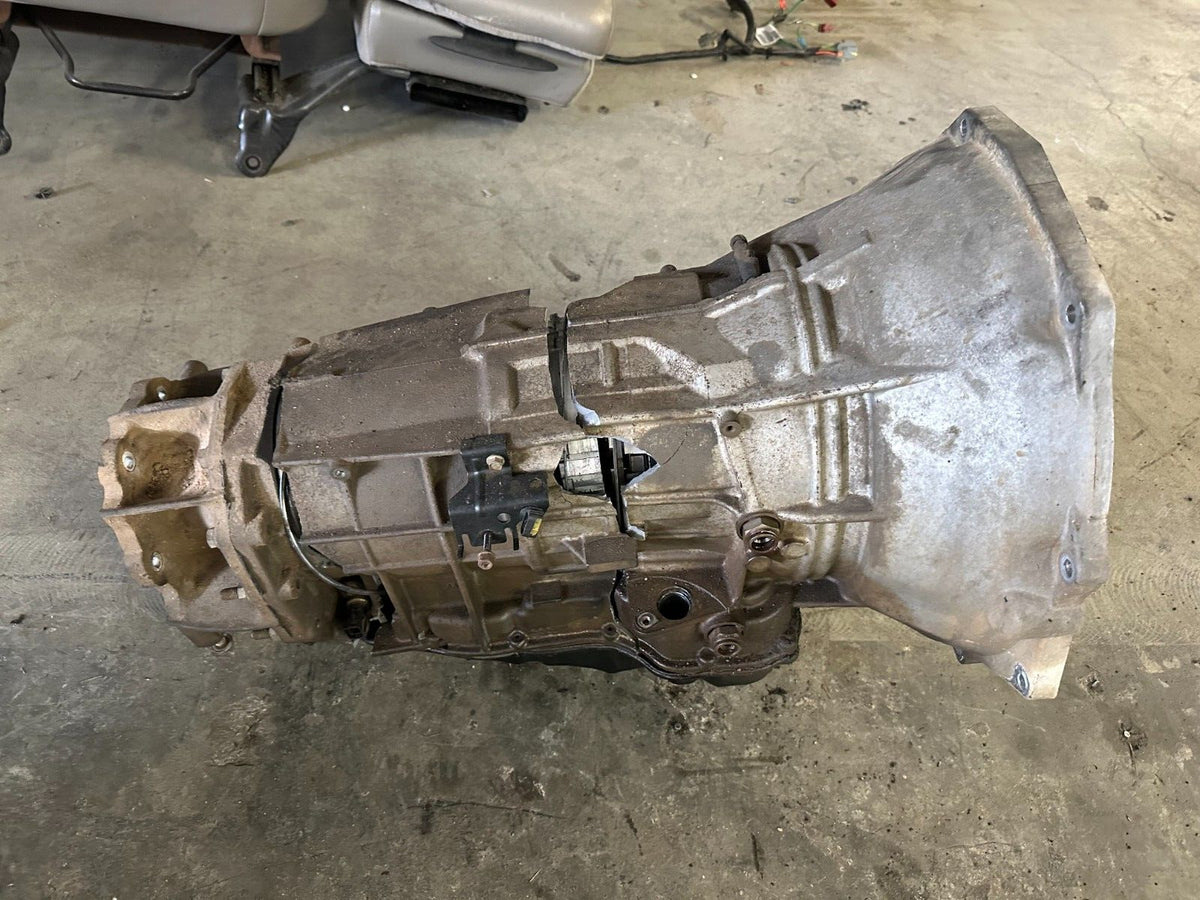
The valve body acts as the “brain” of the transmission, directing hydraulic pressure to the appropriate gear sets. In the 68RFE, the solenoid block is a frequent failure point. High line pressures, often caused by dirt accumulation or electronic glitches, can cause the solenoid valves to stick. When these valves fail to respond to the Transmission Control Module (TCM), you experience delayed engagements, erratic shifting, or a complete loss of specific gears.
Torque Converter Lock-up Stress
The torque converter is designed to fluid-couple the engine to the transmission, but it also features a lock-up clutch for efficiency. Heavy-duty towing subjects this clutch to extreme shear forces. If the lock-up clutch begins to chatter or slip, it introduces fine metallic debris into the fluid. This debris acts as an abrasive, circulating through the valve body and further accelerating the wear of sensitive internal components.
The Impact of Performance Tuners
Many owners attempt to increase output using aftermarket power tuners. While these devices can provide significant gains in horsepower and torque, they often exceed the structural limitations of the factory transmission. Research indicates that pushing torque output significantly beyond OEM specifications without reinforcing the input shafts or clutch packs is the fastest path to catastrophic failure.
Industry Data Summary
Critical Temp Threshold
Failures linked to heat/pressure
Comparing 68RFE vs. Aisin AS69RC Failure Modes
The Ram 3500 has utilized two primary heavy-duty automatic transmissions, each with distinct architectures. Identifying which unit is in your truck is the first step toward a correct diagnosis.
68RFE Typical Failure Modes
The 68RFE is a highly capable unit but is notoriously sensitive to fluid contamination and heat. Common issues include “hunting” for gears under load, delayed shifts, and total TCM communication loss. Because it is electronically controlled, many “mechanical” issues are actually valve body or solenoid block malfunctions.


Aisin AS69RC Heavy-Duty Characteristics
The Aisin AS69RC is a commercial-grade transmission designed for higher torque ratings. It is more robust than the 68RFE but is more expensive to repair when failures do occur. You can identify the Aisin transmission by the physical identification tag on the passenger side of the transmission case, which will clearly list “Aisin.”
How to Diagnose Dodge Ram 3500 Transmission Problems
Diagnosing transmission issues early can often save you from a complete unit replacement. Follow this systematic approach to monitor the health of your system.
- Monitor Fluid Health: Check the transmission fluid at every engine oil change. Fresh ATF should be translucent and reddish. If it appears dark brown, cloudy, or emits a burnt, acrid smell, you have likely experienced overheating.
- Analyze Limp Mode Indicators: If the TCM detects a critical failure, it will lock the transmission into a single gear (usually 3rd) to prevent further damage. This is a protective safety feature. If this occurs, do not drive the vehicle; clear the error codes using an OBD-II scanner to identify the specific valve or sensor trigger.
- Listen for Shudders: Low-speed shuddering or vibration while accelerating—particularly when the transmission is cold—is often a sign of torque converter clutch wear.
- Observe Shift Quality: Sudden, harsh shifts (banging into gear) indicate high-pressure spikes, while mushy or long-duration shifts indicate slipping clutch packs or low hydraulic pressure.
If your truck enters “limp mode,” don’t assume the transmission is dead. Often, a faulty TCM or a frayed wiring harness to the transmission connector can trigger the same symptoms as a catastrophic internal mechanical failure.
Fixing Dodge Ram 3500 Transmission Problems
Repairing these issues requires a disciplined approach to maintenance and, when necessary, targeted component upgrades.
📋
Step-by-Step Resolution
Replace transmission fluid and filters every 30,000 miles if you tow frequently. Always use OEM-spec ATF+4 to ensure seal compatibility and correct viscosity.
Install a deep-sump aluminum transmission pan and an auxiliary transmission cooler. This increases fluid capacity and significantly lowers operating temperatures under load.



If you experience hard shifting, replace the factory solenoid block with a high-performance, calibrated valve body. These units often feature upgraded separator plates and solenoids that handle pressure better than stock components.
Avoid “flush” machines at quick-lube shops. These machines can force debris into delicate passages. Always perform a pan-drop, filter change, and fluid replacement to avoid damaging internal components.
Summary and Recommendations
Managing your transmission is about understanding your duty cycle. If you push your Ram 3500 to its limits, the transmission will eventually demand more than what the factory provided. By monitoring shift quality, managing heat through auxiliary cooling, and adhering to strict maintenance schedules, you can extend the service life of your drivetrain significantly.
Key points to remember:
- Early detection of shift quality changes saves thousands in repair costs.
- Respect the duty-cycle limits of your specific transmission (68RFE vs. Aisin).
- Manage heat through upgraded cooling, especially if you tow regularly.
- Avoid “power adders” that exceed stock transmission torque limits.
Don’t ignore the signs of a slipping transmission. Check your fluid color and level today or visit a certified shop if you detect consistent shuddering. Proactive maintenance is the only way to ensure your truck is ready for the long haul.
Dodge Ram 3500 Transmission Problems: Frequently Asked Questions
Why does my transmission overheat when towing?
Transmission overheating during towing is typically caused by excessive friction in the torque converter or an undersized factory cooling system. When towing heavy loads, the fluid works harder to transfer power, generating immense heat. If the cooling system is clogged or if you are lugging the engine in high gears, temperatures can spike rapidly, leading to fluid breakdown and internal component failure.
Should I install an aftermarket transmission cooler?
Yes, if you regularly tow heavy trailers, an aftermarket transmission cooler is highly recommended. The factory cooler may struggle to dissipate heat during sustained grades or high-load conditions. An auxiliary cooler with an integrated fan helps maintain optimal fluid temperatures, significantly reducing the risk of ‘limp mode’ and extending the overall service life of the transmission internals.


Is a transmission flush better than a fluid change?
A traditional fluid and filter change is generally preferred for the Ram 3500 over a high-pressure flush. A flush can sometimes dislodge sediment, causing it to clog delicate passages within the valve body or solenoid block. By dropping the pan, you remove the filter and allow for a manual inspection of the fluid for metal debris, which is vital for early diagnosis.
Can a tuner cause transmission failure?
Yes, aftermarket tuners that increase horsepower and torque beyond factory specifications can accelerate transmission failure. The stock 68RFE and Aisin transmissions are engineered for specific load limits. Exceeding these limits causes excessive clutch slippage and hydraulic pressure fluctuations, which can burn out clutch packs and damage the torque converter rapidly, especially under heavy towing strain or aggressive acceleration.
What are the early signs of transmission failure?
Early signs often include delayed engagement when shifting from Park to Drive or Reverse, ‘flaring’ or RPM spikes during shifts, and shuddering under light acceleration. You may also notice dark, burnt-smelling fluid during routine checks or intermittent ‘limp mode’ where the transmission locks into a single gear to prevent further damage. Addressing these symptoms immediately can often prevent a complete rebuild.