Resetting Your Dodge Ram Climate Control: Quick & Easy Fix

The climate control system in your Dodge Ram is your trusty sidekick for staying comfortable on the road. Whether you’re battling summer heat or winter chills, it regulates temperature, airflow, and humidity inside your truck. But when it starts acting up—say, blowing hot air when you’ve cranked the AC or refusing to respond to your commands—a reset might be the quick fix you need.
Resetting the climate control system is like giving your truck’s HVAC a fresh start. However, the process varies depending on your Dodge Ram’s model year. To help you out, we’ve revamped this guide with up-to-date info, clear steps, and handy troubleshooting tips. Here’s what you’ll find:
- A table breaking down reset methods by model year.
- Step-by-step instructions with visuals (placeholders included).
- Solutions for common climate control hiccups.
- A heads-up on when to call in the pros.
Let’s get your Dodge Ram’s climate control back in gear!
Why Reset Your Dodge Ram’s Climate Control System?
Before jumping into the how-to, let’s talk about why you might need a reset. Over time, your climate control system can glitch due to software hiccups, electrical issues, or component wear. Here are some signs it’s time for a reset:
- Unresponsive controls: Buttons or dials don’t do anything.
- Wrong temperature: Hot air blasts out when you’ve set it to cool, or vice versa.
- Display issues: The screen freezes or shows error codes.
- Fan problems: Airflow stays weak no matter the setting.
A reset can often resolve these annoyances without a trip to the mechanic. If it doesn’t, we’ve got troubleshooting tips later on to keep you covered.
Reset Methods by Model Year
Not all Dodge Rams reset the same way—model years matter! We’ve put together a table to match your truck with the right method. Check it out below:
| Model Year | Reset Method | Notes |
|---|---|---|
| 2009–2012 | Press and hold the power button for 10 seconds | Works for most 2009–2012 models with manual climate control. |
| 2013–2015 | Disconnect the battery for 10 minutes | Have your radio code ready—other systems might reset too. |
| 2016–2018 | Use the reset button on the control panel | Look near the temperature knobs for the reset button. |
| 2019–2025 | Access the Uconnect engineering menu | Requires software reset; check your owner’s manual for exact steps. |
Quick Tip: These methods are general guidelines. Your specific trim or features might tweak the process, so peek at your owner’s manual to confirm.
Step-by-Step Reset Instructions
Ready to reset? Follow the steps below for your Dodge Ram’s model year. We’ve kept it simple and added placeholders for visuals to guide you along.
For 2009–2012 Models
- Turn off the engine and pull the key out of the ignition.
- Find the power button on your climate control panel.

- Press and hold the power button for 10 seconds.
- Let go and wait a few seconds for the system to reboot.
For 2013–2015 Models
- Switch off the engine and remove the key.
- Pop the hood and locate the battery.
- Disconnect the negative battery cable (the black one).
- Wait 10 minutes to let the system fully reset.
- Reconnect the cable and close the hood.
Heads-Up: This might reset your radio or clock too, so jot down any codes beforehand.
For 2016–2018 Models
- Turn off the engine and take out the key.
- Spot the reset button on the climate control panel.
[Insert image of climate control panel with reset button highlighted] - Press and hold the reset button for 5 seconds.
- Release it and give the system a moment to reset.
For 2019–2025 Models
- Turn the ignition on (don’t start the engine).
- Open the Uconnect system and head to the settings menu.
- Look for “Climate Control” or “Vehicle Settings” (varies by model).
- Select the reset or recalibration option.
- Follow the on-screen instructions to finish up.
Pro Tip: Newer models might need a software update for full functionality. Visit your dealer or the Mopar Owner’s Manual site for details.ystem should be reset, and the display should be restored to its default settings.
Dodge Ram No Heat – How To Calibrate The A/C
Additional Tips and Troubleshooting for Dodge Ram Climate Control
Maintaining Your Climate Control System

Regular maintenance is key to keeping your Dodge Ram climate control system in optimal condition. Here are some tips to help you maintain your system:
- Check and replace the cabin air filter regularly to ensure clean airflow.
- Keep the area around the temperature sensor clean and free of debris.
- Avoid setting the temperature too low or too high, as this can strain the system.
- Use the defrost setting sparingly, as it puts a lot of strain on the system.
Other Potential Causes of Climate Control Issues
While a climate control reset can fix many issues, there may be other underlying causes of climate control problems. Here are some other potential issues and how to address them:
Low refrigerant levels:
If your air conditioning is blowing warm air, it could be due to low refrigerant levels. A professional can recharge the system and check for leaks.
Broken blower motor:
If you’re experiencing weak airflow, it could be due to a broken blower motor. A professional can replace the motor if needed.
Electrical issues:
Climate control problems can sometimes be caused by electrical issues, such as a blown fuse or a faulty control module. A professional can diagnose and fix these issues.
Dodge Ram Climate Control Problems: Causes and Solutions
As a Dodge Ram owner, you rely on your climate control system to keep you comfortable while driving. However, like any other system in your vehicle, it can experience issues from time to time.
Here are some of the most common problems you may encounter with your Dodge Ram climate control system and what you can do to fix them.
Blowing Hot or Cold Air
One of the most common issues with climate control systems is the inability to blow hot or cold air. This can be a frustrating problem, especially during extreme temperatures. Here are some potential causes and solutions:
- Low refrigerant levels: Low refrigerant levels can cause your air conditioning to blow warm air. A professional can recharge the system and check for leaks.
- Broken compressor: A broken compressor can cause your air conditioning to blow hot air. A professional can replace the compressor if needed.
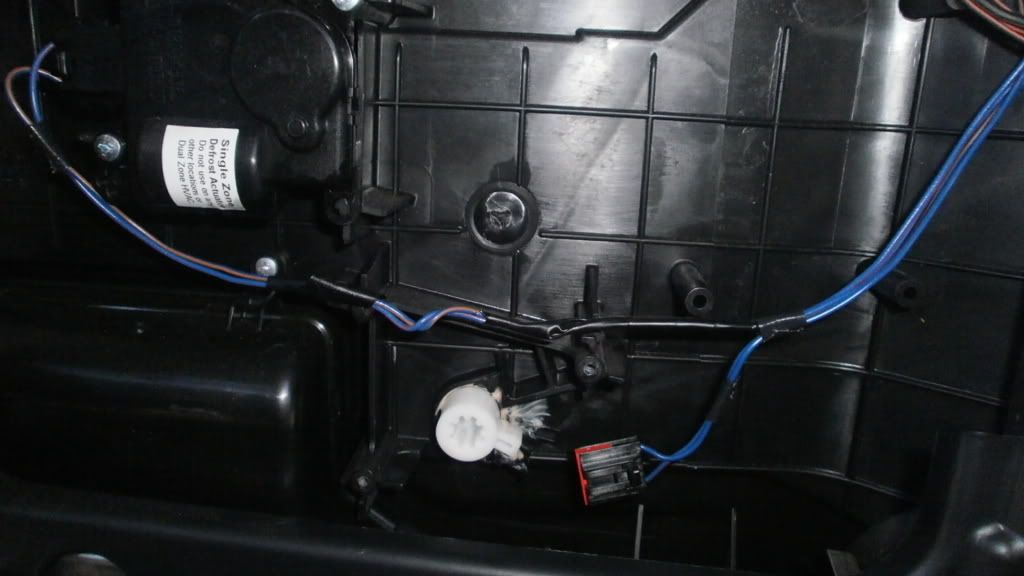
- Faulty blend door actuator: A faulty blend door actuator can prevent the system from switching between hot and cold air. A professional can replace the actuator if needed.
Weak Airflow
If you’re experiencing weak airflow from your climate control system, there are several potential causes and solutions:
- Dirty cabin air filter: A dirty cabin air filter can restrict airflow. Check and replace the filter if needed.
- Broken blower motor: A broken blower motor can prevent proper airflow. A professional can replace the motor if needed.
- Blockage in the ducts: A blockage in the ducts can restrict airflow. A professional can clean out the ducts if needed.
Unusual Noises or Smells
Strange noises or smells coming from your climate control system can indicate a problem. Here are some potential causes and solutions:
- Mold or bacteria growth: Mold or bacteria growth in the system can cause foul odors. A professional can clean and disinfect the system if needed.
- Loose parts: Loose parts can cause rattling or clunking noises. A professional can tighten or replace the parts if needed.
- Faulty blower motor: A faulty blower motor can cause unusual noises. A professional can replace the motor if needed.
Climate Control Panel Not Responding
If your climate control panel isn’t responding, there may be an issue with the control module or wiring. Here are some potential causes and solutions:
- Blown fuse: A blown fuse can cause the control panel to stop working. Check and replace the fuse if needed.
- Faulty control module: A faulty control module can prevent the panel from responding. A professional can diagnose and replace the module if needed.
- Wiring issues: Wiring issues can cause communication problems between the panel and other components. A professional can diagnose and repair the wiring if needed.
Remember, proper maintenance and prompt attention to climate control issues can keep you comfortable and safe while driving your Dodge Ram. If you’re experiencing any of these problems, be sure to seek professional help to diagnose and fix the issue.
Dodge Ram Climate Control Sensor
If you own a Dodge Ram truck, you may have experienced issues with your climate control system. One of the components that can cause problems is the climate control sensor. In this article, we’ll take a closer look at what the climate control sensor is, how it works, and what you can do if you’re having issues with it.
What is a Climate Control Sensor?
The climate control sensor is a part of your truck’s HVAC system. It is responsible for measuring the temperature inside your cabin and sending that information to the climate control module. The module then adjusts the system to maintain the temperature you have selected.
How Does the Climate Control Sensor Work?
The climate control sensor uses a thermistor, which is a resistor that changes its resistance based on temperature. The thermistor is located in the HVAC system and measures the temperature of the air that is passing over it.
The resistance of the thermistor changes as the temperature changes and this change in resistance is converted into an electrical signal that is sent to the climate control module.
Common Issues with Climate Control Sensors
If you’re experiencing issues with your climate control system, it could be due to a faulty sensor. Some of the most common issues with climate control sensors include:
- Inaccurate temperature readings
- Unresponsive system
- Incorrect system operation
- Blowing hot or cold air
Troubleshooting Common Climate Control Issues
If the reset doesn’t do the trick, don’t sweat it—here are some common problems and fixes to try:
- System not responding:
- Check the fuses: A blown fuse might be the culprit. Swap it out with one of the same amperage.
- Inspect wiring: Look for loose or damaged connections.
- Blowing hot air instead of cold:
- Recalibrate: Follow your owner’s manual to reset the system’s calibration.
- Check refrigerant: Low levels can stop the AC from cooling—time for a refill.
- Blowing cold air instead of hot:
- Top off coolant: Low coolant means no heat. Add more if needed.
- Blend door actuator: If it’s stuck, you might need a replacement.
- Weak airflow:
- Swap the cabin air filter: A clogged filter restricts air—replace it if dirty.
- Clear ducts: Debris can block airflow, so give them a quick check.
Still stumped? Dodge Ram forums like 5thGenRams are goldmines for model-specific advice.
When to Call a Professional
Sometimes, a reset isn’t enough. Head to a mechanic if:
- The system still misbehaves after resetting.
- You hear weird noises (grinding, clicking) from the unit.
- Electrical gremlins pop up, like flickering lights or repeated fuse blowouts.
- Error codes stick around post-reset.
A pro can diagnose deeper issues and keep your truck running smoothly.
Credit: www.ramforumz.com
FAQs
How do I know if my Dodge Ram’s climate control sensor is malfunctioning?
Can a faulty climate control sensor cause other issues in my truck?
Is it safe to reset the climate control system on my Dodge Ram myself?
How often should I have my climate control system checked for potential issues?
What kind of professional should I consult if I’m experiencing climate control problems in my Dodge Ram?
4TH GEN DODGE RAM 2500 HVAC RESET
Conclusion
In conclusion, the climate control system in your Dodge Ram is a critical component that ensures a comfortable driving experience. If you encounter any issues with the system, such as improper temperature regulation, poor air circulation, or strange noises, it may be time to reset the system.
By following the simple steps outlined in this guide, you can quickly and easily reset your Dodge Ram’s climate control system and avoid potential issues. However, if the problems persist or you are unsure about performing the reset yourself,
It is always best to consult a professional. Remember, taking care of your vehicle’s climate control system is essential for your comfort and safety on the road.
See More: