
Exhaust Pressure Sensor Specifications: Essential Features Explained

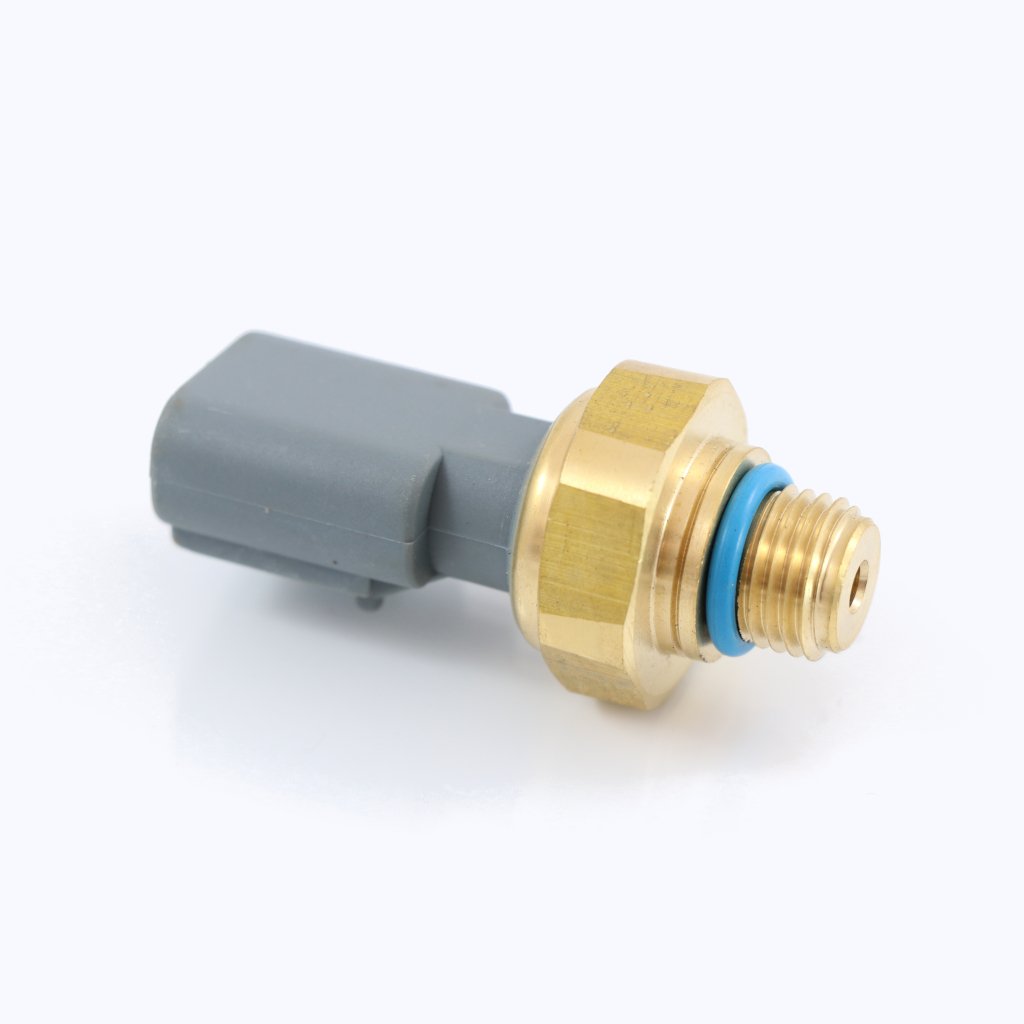
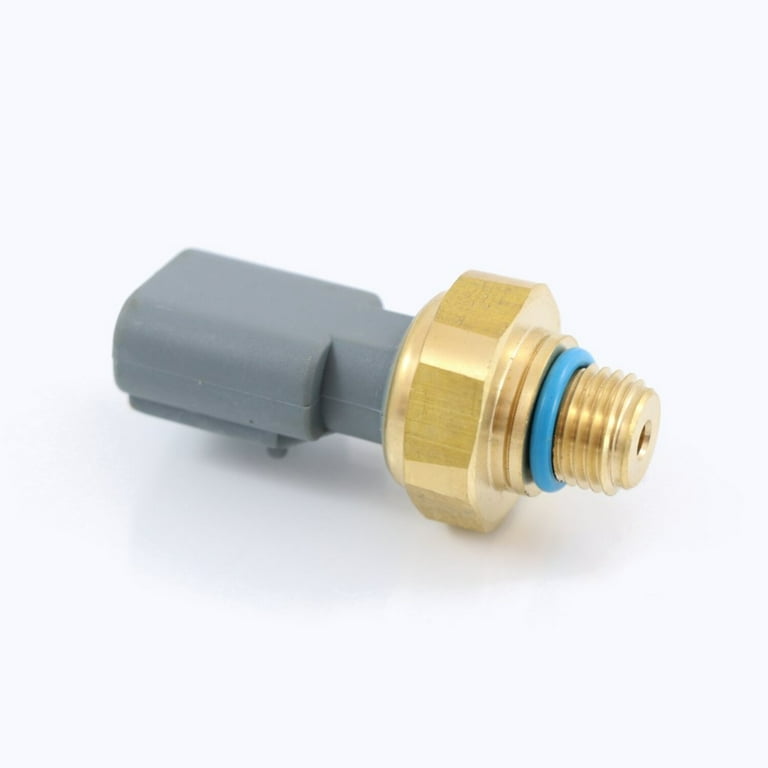
Exhaust pressure sensors are crucial in modern vehicles. They monitor exhaust system pressure.
Understanding exhaust pressure sensor specifications is essential for vehicle performance. These sensors help optimize engine efficiency and reduce emissions. They play a vital role in maintaining the vehicle’s health. Knowing the right specifications ensures your vehicle runs smoothly and meets environmental standards.
In this post, we’ll explore the key specifications of exhaust pressure sensors. This will help you make informed decisions when selecting or replacing these components. Stay tuned to learn how these sensors impact your vehicle’s performance and longevity.

Credit: www.amazon.com
Introduction To Exhaust Pressure Sensors
Exhaust pressure sensors might sound technical, but they play a simple yet vital role in vehicle health. Imagine your car’s engine as a heart. Just as a heart needs to pump blood efficiently, an engine needs to manage exhaust gases properly. That’s where exhaust pressure sensors come in. Let’s delve deeper into their world.
Purpose And Importance
So, what exactly do these sensors do? Simply put, they monitor the pressure in your car’s exhaust system. Why is this important? Well, incorrect exhaust pressure can affect your engine’s performance. It can lead to increased emissions, which isn’t great for the environment or your wallet.
Here’s a quick list of why these sensors are crucial:
- Engine Efficiency: They ensure your engine runs smoothly.
- Reduced Emissions: They help keep the air cleaner.
- Fuel Economy: They help you save on fuel costs.
Common Applications
You might be wondering, “Where are these sensors used?” Well, they are found in various vehicles and machinery. Here’s a quick rundown:
| Application | Example |
|---|---|
| Cars | Modern sedans and SUVs |
| Trucks | Heavy-duty and commercial trucks |
| Construction Equipment | Bulldozers, excavators |
Whether it’s your family car or a construction vehicle, these sensors ensure everything runs smoothly. Next time you see a big truck or a construction machine, you’ll know there’s more to it than meets the eye!
Credit: www.fortprousa.com
Key Specifications
When it comes to understanding exhaust pressure sensor specifications, knowing the key aspects can make a world of difference. These sensors are crucial components in modern vehicles, ensuring the engine runs efficiently and emissions are kept in check. Today, we’ll dive into the Key Specifications that every car enthusiast should be aware of. From accuracy and precision to measurement range, we’ve got you covered.
Accuracy And Precision
Accuracy and precision are paramount when discussing exhaust pressure sensors. Imagine driving a car where the sensor readings are off by even a small margin; it could lead to inefficient fuel consumption or higher emissions. Most exhaust pressure sensors boast an accuracy level within ±1% of the full-scale reading. This means that if the sensor’s range is 100 PSI, its readings will be within 99-101 PSI.
Precision, on the other hand, refers to the consistency of the sensor’s readings. A high-precision sensor will give you nearly identical readings when measuring the same pressure repeatedly. This consistency is vital for maintaining optimal engine performance. Look for sensors with high precision to ensure your vehicle’s engine operates smoothly.
Measurement Range
The measurement range of an exhaust pressure sensor is another critical specification. It defines the span of pressure levels the sensor can accurately measure. For most vehicles, a range between 0-100 PSI is sufficient. However, high-performance or specialized vehicles might require sensors with broader ranges, such as 0-200 PSI.
Choosing the right measurement range depends on your vehicle’s needs. If you’re unsure, consult your vehicle’s manual or a trusted mechanic. Remember, a sensor with a broader range isn’t necessarily better if your car doesn’t require it.
Here’s a quick summary of typical measurement ranges:
- Standard Vehicles: 0-100 PSI
- High-Performance Vehicles: 0-200 PSI
- Specialized Vehicles: Custom ranges based on specific requirements
Understanding these key specifications can help you make informed decisions when selecting or replacing an exhaust pressure sensor. The right sensor ensures your vehicle runs efficiently, saving you money on fuel and reducing harmful emissions. So, next time you’re at the auto shop, you’ll know exactly what to look for!
Do you have any quirky experiences with exhaust pressure sensors? Share them in the comments below! We love hearing your stories.
Sensor Types
Understanding the different types of sensors is crucial when dealing with exhaust pressure sensors. These sensors play a key role in monitoring and controlling engine performance. Let’s dive into the specifics of two main types: Absolute Pressure Sensors and Gauge Pressure Sensors.
Absolute Pressure Sensors
Absolute pressure sensors measure the total pressure exerted by the gas or liquid, including atmospheric pressure. Think of it as measuring the pressure at sea level, where the atmospheric pressure is part of the total pressure. These sensors are incredibly accurate and provide precise readings regardless of external conditions.
- Usage: Often used in applications where precision is essential, such as in scientific research or high-performance engineering.
- Advantages: Ensures consistency in measurements, unaffected by altitude or weather changes.
- Example: Perfect for monitoring exhaust pressure in high-altitude environments where atmospheric pressure varies significantly.
Imagine you’re hiking up a mountain. As you ascend, the air pressure drops. An absolute pressure sensor will still give you an accurate reading of the exhaust pressure, regardless of your altitude. It’s like having a reliable friend who tells you the truth no matter where you are!
Gauge Pressure Sensors
Gauge pressure sensors measure the pressure relative to the atmospheric pressure. They are like the everyday tools we use to measure tire pressure. These sensors subtract the atmospheric pressure from the total pressure to give you the reading.
- Usage: Commonly used in automotive applications, industrial processes, and HVAC systems.
- Advantages: Easy to use, straightforward, and ideal for everyday applications.
- Example: Handy for checking the pressure in your car’s exhaust system, ensuring it runs smoothly.
Ever checked the pressure in your bike tires? That’s a gauge pressure sensor in action. It tells you how much more than the surrounding air pressure your tires are exerting. Similarly, gauge pressure sensors in exhaust systems help maintain optimal pressure levels, ensuring your vehicle runs efficiently.
Choosing the right sensor depends on your specific needs. Whether you need the precision of an absolute pressure sensor or the practicality of a gauge pressure sensor, understanding these types will help you make an informed decision. Now that you’re equipped with this knowledge, you’re ready to tackle any exhaust pressure issues with confidence!
Installation Considerations
Proper installation of an exhaust pressure sensor is crucial for accurate readings. It ensures the sensor functions efficiently and lasts long. Let’s explore key installation considerations for your exhaust pressure sensor.
Mounting Location
The sensor’s location affects its performance. Place it close to the exhaust manifold. This spot provides precise pressure readings. Ensure it is away from intense heat sources. High temperatures can damage the sensor.
Choose a stable and vibration-free location. Vibrations can lead to inaccurate readings. Secure mounting also prevents physical damage. Regularly inspect the sensor for any signs of wear.
Connection Requirements
Proper connection is essential for the sensor’s operation. Use high-quality wiring to connect the sensor. Ensure the connections are tight and secure. Loose connections can cause erratic readings.
Follow the manufacturer’s instructions for wiring. Incorrect wiring can damage the sensor. Proper insulation of connections is crucial. It prevents short circuits and enhances durability.
Check for any signs of corrosion on the connections. Clean them regularly to maintain optimal performance. Reliable connections ensure the sensor functions accurately and efficiently.
Material And Durability
When it comes to exhaust pressure sensors, their material and durability are crucial factors. These sensors must endure harsh conditions while maintaining accuracy and reliability. In this section, we will dive into the details of their environmental resistance and overall lifespan, ensuring you understand why quality materials matter.
Environmental Resistance
Exhaust pressure sensors operate in demanding environments. They are exposed to extreme temperatures, moisture, and corrosive substances. Therefore, the materials used must be robust and resilient. Typically, these sensors are made from stainless steel or high-grade plastics, which offer excellent resistance to corrosion and thermal stress.
Ever wondered why your car’s sensor never seems to break down despite the rough conditions? It’s all about the materials. Stainless steel, for example, can withstand high temperatures and resist rust. So, even if you drive through rain, snow, or dusty roads, your sensor keeps on ticking.
Lifespan And Reliability
How long can you rely on your exhaust pressure sensor? The answer lies in its construction. A well-made sensor can last for years, often outliving the vehicle itself. Manufacturers design these sensors to be long-lasting, knowing that reliability is key for vehicle performance.
Think of it like this: a reliable sensor is like a trustworthy friend; it’s always there when you need it. With proper materials, these sensors can handle millions of pressure cycles, ensuring your engine runs smoothly and efficiently.
Here’s a quick rundown of what makes a sensor durable:
- High-Quality Materials: Stainless steel, ceramics, and high-grade plastics.
- Advanced Manufacturing: Precision engineering and stringent quality checks.
- Protective Coatings: Anti-corrosive layers to withstand harsh conditions.
In summary, the material and durability of exhaust pressure sensors are pivotal for their performance. Understanding these aspects helps ensure you get a sensor that lasts, providing reliable data for your engine’s optimal performance.
Electrical Characteristics
When diving into the world of exhaust pressure sensors, understanding their electrical characteristics is crucial. These sensors play a vital role in monitoring and controlling the exhaust pressure in engines, ensuring they run smoothly. In this section, we will explore the Voltage and Current Ratings and the various Signal Output Types that these sensors offer. Let’s get started!
Voltage And Current Ratings
The voltage and current ratings of an exhaust pressure sensor determine how it interacts with the vehicle’s electrical system. Typically, these sensors operate within a specific voltage range to ensure accurate readings and effective performance. Most commonly, they work within a voltage range of 5V to 12V. This range is suitable for most automotive applications.
Current ratings are equally important. They indicate how much current the sensor can handle without getting damaged. Usually, exhaust pressure sensors have a low current consumption, often around 20mA to 50mA. This low current draw ensures the sensor does not put an unnecessary load on the vehicle’s electrical system.
Here’s a quick overview:
| Parameter | Typical Values |
|---|---|
| Voltage Range | 5V – 12V |
| Current Consumption | 20mA – 50mA |
Signal Output Types
Exhaust pressure sensors can provide various signal output types, depending on the design and application. The most common types are:
- Analog Output: This type of sensor provides a continuous voltage signal that varies with the pressure. It’s simple and widely used.
- Digital Output: These sensors convert the pressure into a digital signal, often using protocols like I2C or SPI. They offer higher precision and are less susceptible to noise.
- PWM (Pulse Width Modulation): Here, the pressure is represented by the duty cycle of a square wave. It’s efficient and can be used in various control systems.
Each signal output type has its pros and cons. For instance, while analog outputs are straightforward and easy to use, digital outputs provide better accuracy and noise immunity. PWM signals offer a good balance between simplicity and performance, making them popular in modern applications.
In conclusion, understanding the electrical characteristics of exhaust pressure sensors, including their voltage and current ratings as well as signal output types, is essential for ensuring optimal performance and longevity of your vehicle’s engine. So, next time you think about your car’s exhaust system, remember these tiny yet powerful sensors working behind the scenes!
Performance Metrics
Understanding the performance metrics of an exhaust pressure sensor is crucial. These metrics determine how effectively the sensor functions. They also impact the overall performance of your vehicle.
Response Time
Response time is a key metric for exhaust pressure sensors. It measures how quickly the sensor reacts to changes in exhaust pressure. Faster response times ensure more accurate readings. This leads to better engine performance and fuel efficiency.
Temperature Stability
Temperature stability is another important factor. Exhaust pressure sensors must work in extreme temperatures. They need to provide consistent readings despite temperature changes. High temperature stability ensures reliable performance in all conditions.
Credit: www.walmart.com
Maintenance And Troubleshooting
Exhaust pressure sensors are essential for a vehicle’s performance. Keeping them in good condition ensures optimal engine function. Proper maintenance and troubleshooting can prevent issues and save you money.
Regular Checks
Regularly check your exhaust pressure sensor. Look for signs of wear and damage. This can prevent future problems. Clean the sensor to remove dirt and debris. Use a soft cloth and mild cleaner. Avoid harsh chemicals. Inspect the wiring for frayed or broken areas. Replace damaged wires immediately. Ensure the sensor is securely mounted. Loose sensors can give inaccurate readings.
Common Issues And Fixes
Faulty readings are a common issue. They can be caused by dirt buildup. Clean the sensor thoroughly. If the problem persists, consider replacing it. Wiring problems can also occur. Check the connections. Tighten any loose wires. Replace any damaged ones. Sensor failure is another issue. This can be due to age or damage. Replace the sensor if it fails. It is a simple process. Follow the manufacturer’s guidelines.
Industry Standards And Compliance
When it comes to exhaust pressure sensors, meeting industry standards and compliance is crucial. It ensures the sensors are reliable, safe, and perform optimally under various conditions. This section delves into the regulatory requirements and the certification and testing processes that these sensors must undergo. Let’s explore what makes an exhaust pressure sensor compliant with industry standards and why it’s important for manufacturers and users alike.
Regulatory Requirements
Exhaust pressure sensors must adhere to several regulatory requirements to ensure they meet industry standards. These regulations are put in place to ensure that the sensors function correctly and safely in automotive systems. Here are some key points to consider:
- Environmental Standards: Sensors must be tested to withstand various environmental conditions such as temperature extremes, humidity, and exposure to chemicals.
- Safety Regulations: They must comply with safety standards to ensure they do not pose any hazards to the vehicle’s occupants or the environment.
- Performance Criteria: Sensors need to meet specific performance criteria to ensure they provide accurate and reliable readings under all operating conditions.
Certification And Testing
To guarantee that exhaust pressure sensors meet regulatory requirements, they must undergo rigorous certification and testing processes. This ensures their quality, reliability, and performance. Here’s how it typically works:
- Initial Testing: Manufacturers conduct initial tests in controlled environments to ensure the sensor meets basic operational standards.
- Independent Certification: Third-party organizations certify the sensors by testing them against established industry standards. This adds an extra layer of credibility.
- Ongoing Compliance: Even after certification, sensors are periodically tested to ensure they continue to meet regulatory standards. This is crucial for maintaining long-term reliability.
These processes might seem rigorous, but they are essential. Just think about it: would you trust a sensor that hasn’t been thoroughly tested to perform accurately in your vehicle? Probably not. This thorough vetting process ensures that only the best and most reliable sensors make it to the market.
In conclusion, understanding the industry standards and compliance for exhaust pressure sensors is essential for both manufacturers and users. It’s not just about following rules; it’s about ensuring safety, reliability, and optimal performance. So next time you think about exhaust pressure sensors, remember the importance of regulatory requirements and certification and testing processes.
Frequently Asked Questions
What Psi Should Exhaust Back Pressure Be?
Exhaust back pressure should be between 1. 5 to 2. 5 psi for optimal engine performance. Too high or low can cause issues.
What Should A Dpf Pressure Sensor Read?
A healthy DPF pressure sensor typically reads between 0. 5 to 1. 5 PSI at idle. Higher readings indicate potential blockage. Regular checks are essential.
How Do I Know If My Exhaust Pressure Sensor Is Bad?
A faulty exhaust pressure sensor shows symptoms like poor engine performance, reduced fuel efficiency, and check engine light.
What Are The Pressure Sensor Parameters?
Pressure sensor parameters include pressure range, accuracy, sensitivity, response time, temperature range, and output type.
Conclusion
Understanding exhaust pressure sensor specifications is crucial for vehicle performance. These sensors ensure efficient engine operation. Always check your vehicle’s manual for specific requirements. Proper maintenance extends the sensor’s lifespan. Investing in quality sensors saves money in the long run.
Regular inspections prevent unexpected breakdowns. Knowledge about these sensors helps you make informed decisions. Stay informed, and keep your vehicle running smoothly.