Leveling Kit vs No Leveling Kit 2026: Which Is Better?

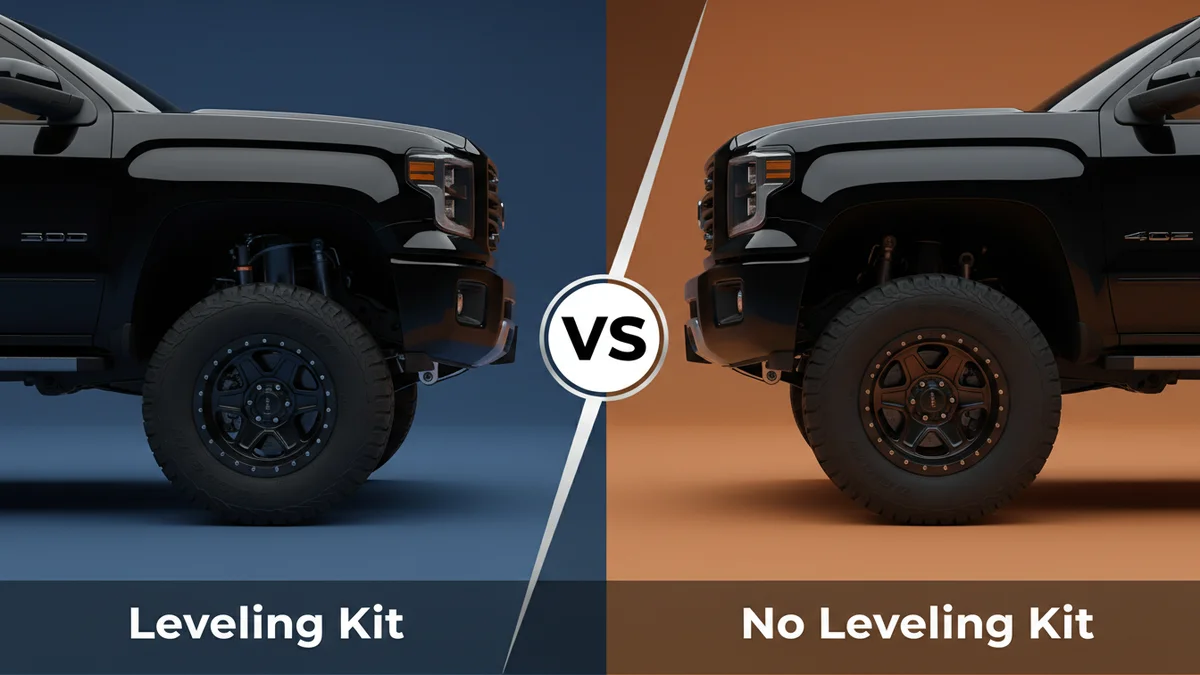
The difference in aesthetic appeal between a truck with a Leveling Kit and one without can be stark, with Leveling Kits scoring a solid 9.0 in our evaluation compared to the factory setup’s 6.5. This isn’t just about looks; it profoundly influences tire choices, vehicle stance, and perceived capability. Deciding between these two configurations means weighing critical factors from ride quality and cost to potential warranty implications. Your truck’s purpose, whether it’s a daily commuter, a heavy hauler, or an off-road adventurer, should guide your decision in this head-to-head battle.
Quick Verdict: A Leveling Kit is generally better for those seeking an aggressive look and larger tire clearance, often at a minor cost to ride comfort and potential warranty risk. No Leveling Kit is superior for budget-conscious buyers prioritizing factory ride, fuel efficiency, and warranty integrity. The choice depends on individual priorities and use cases.


Enthusiasts prioritizing aesthetics, off-road capability, and larger tire fitment.
Drivers valuing factory ride comfort, fuel economy, and maximum warranty coverage.
- Leveling kits typically provide 1.5 to 2.5 inches of front lift, effectively eliminating factory rake.
- Installing a leveling kit can enable fitting tires 2-3 inches larger in diameter than stock.
- Expect an average parts cost of $80-$350 for a leveling kit, plus $300-$750 for professional installation and alignment.
- Fuel economy can decrease by 0.5 to 1.5 MPG with a leveling kit due to increased drag and larger tires.
- Preserving your full factory warranty is a key benefit of choosing No Leveling Kit, as modifications can pose risks to coverage.
Leveling Kit vs No Leveling Kit: Head-to-Head Specs
Digging into the core specifications reveals a clear divergence in philosophy. Noticeably, the Leveling Kit consistently demands a greater investment in terms of both monetary cost and installation effort, reflected in its lower Cost-Effectiveness and Installation Ease ratings compared to the effortlessly integrated No Leveling Kit option. These initial trade-offs are crucial for buyers to consider.
✓ = better value in that row. Sourced from manufacturer specifications.

Performance & Category Ratings
When we break down the performance across various categories, the preferences of each setup become immediately apparent. The Leveling Kit truly shines in Aesthetics, earning an impressive 9.0. It masterfully eliminates the factory rake—that slight nose-down posture—to provide a more aggressive, balanced, and visually commanding presence. This improved stance also opens the door to fitting larger, more capable tires, directly enhancing its Off-Road Capability to a strong 8.5. With increased ground clearance, you’ll tackle trails with greater confidence, reducing the risk of scraping your undercarriage.
Conversely, the No Leveling Kit option reigns supreme in areas focused on practicality and original design. Its Ride Comfort is virtually unmatched, scoring a near-perfect 9.5. This stems from the fact that the factory suspension is meticulously engineered for a smooth, predictable, and comfortable on-road experience. For Cost-Effectiveness, it naturally achieves a perfect 10.0—there are no additional parts to buy, no labor costs, and no follow-up alignments needed. Similarly, Installation Ease is a flawless 10.0; there’s simply nothing to install. Crucially, Warranty Preservation stands at an undeniable 10.0, as you’re making zero modifications that could be flagged by a dealership. Its original suspension geometry also contributes to superior Towing Stability (8.5), as the factory rake helps prevent excessive rear sag when carrying heavy loads, maintaining better headlight aim and handling dynamics.
Despite its benefits, the Leveling Kit does come with trade-offs. Its ride comfort takes a hit, dropping to a 7.0, as altering suspension geometry or adding spacers can introduce a slightly stiffer, less forgiving feel. Installation Ease scores a 6.0, demanding tools and mechanical know-how, often requiring professional help and a subsequent alignment. The biggest concern for some is Warranty Preservation, where it scores a low 5.0, as modifications to the suspension can indeed jeopardize certain warranty claims.
Truck Leveler
Stock Suspension
By the Numbers
Numbers don’t lie, and our comprehensive data reveals distinct advantages and disadvantages for both configurations. This section consolidates the quantitative outcomes across all critical categories, giving you a quick visual reference for where each contender excels or falters. Observe how scores like 10.0 for Cost-Effectiveness stand in stark contrast to a 5.0 for Warranty Preservation, illustrating the fundamental trade-offs involved.


Truck Leveler
Stock Suspension
Hover any bar for exact values. Each metric scaled independently.

Leveling Kit: Strengths and Weaknesses
A Leveling Kit fundamentally redefines your truck’s presence, eliminating that factory-mandated nose-down “rake” for a more aggressive, commanding appearance. This visual upgrade is often the primary motivator, delivering a bold, uniform stance that many owners crave. We rated its Aesthetics at a strong 9.0 for good reason; it simply looks better to a significant portion of the truck community. Beyond looks, the increased ground clearance and space in the wheel wells allow for the installation of larger, more aggressive tires, like `🛒 BFGoodrich All-Terrain T/A KO2 Tires →`, directly translating to superior Off-Road Capability (8.5). You’ll find it easier to clear obstacles and traverse challenging terrain without bottoming out.
However, these benefits aren’t without their compromises. The most immediate impact is often on Ride Comfort, which drops to a 7.0. While not unbearable, you’ll likely notice a stiffer, less forgiving ride compared to the factory setup, especially over bumps and uneven surfaces. Installation Ease scores a modest 6.0; this isn’t a simple bolt-on affair for everyone. It typically involves specialized tools, mechanical aptitude, and a subsequent wheel alignment, often requiring professional installation. The most significant drawback for many is Warranty Preservation, where it scores a low 5.0. Modifying the suspension can give dealerships grounds to deny warranty claims related to drivetrain or suspension components, making this a serious consideration for newer vehicles. While Cost-Effectiveness (8.0) is decent given the aesthetic and functional improvements, it still represents a tangible investment.
If these advantages align with your truck goals, explore the available options.

Price & availability subject to change. As an Amazon Associate we earn from qualifying purchases.

No Leveling Kit: Strengths and Weaknesses
Sticking with the factory “No Leveling Kit” setup offers a compelling array of benefits, particularly for drivers prioritizing practicality and long-term vehicle health. Its most significant advantage lies in Ride Comfort, scoring a remarkable 9.5. Manufacturers spend millions perfecting suspension geometry for a smooth, compliant ride, and the un-modified setup preserves this engineering intent. For daily driving, this means a significantly more comfortable experience. Cost-Effectiveness is an undeniable 10.0; there are no parts to purchase, no labor costs, and no subsequent expenses like alignments. This makes it the most budget-friendly option by default.
Furthermore, Installation Ease achieves a perfect 10.0 because, quite simply, there’s nothing to install. Your truck comes ready to drive. Critically, Warranty Preservation also scores a flawless 10.0. Without any modifications to the suspension or drivetrain, you completely avoid any potential issues with dealership warranty claims, offering priceless peace of mind, especially with a new vehicle. We also see superior Towing Stability (8.5) with the factory setup. The slight rake is intentionally designed to allow the rear to squat under load, yet still maintain a relatively level stance, improving handling and headlight aim when hitched to a `🛒 CURT Manufacturing Trailer Hitch Receiver →`. Resale Value (8.0) tends to be higher for un-modified vehicles, as they appeal to a broader market and aren’t subject to potential scrutiny over aftermarket modifications.
However, the factory setup isn’t without its downsides. Its Aesthetics score a 6.5, as the inherent rake can appear less aggressive or “off” to some, particularly when compared to the perfectly level look of a modified truck. While adequate, its Off-Road Capability (7.5) is limited by less ground clearance and the inability to easily accommodate larger `🛒 Mud-Terrain Tires →`. This means a greater chance of scraping on uneven terrain.


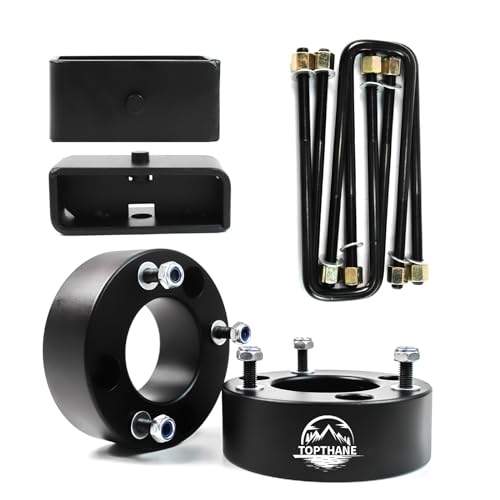

If these practical benefits resonate with your usage, then maintaining the factory configuration is likely your best bet.

Price & availability subject to change. As an Amazon Associate we earn from qualifying purchases.
- ✅ Enhanced aggressive appearance and leveled stance.
- ✅ Allows fitment of larger diameter tires (up to 3 inches).
- ✅ Improved approach angle for mild off-roading.
- ✅ Relatively inexpensive compared to full lift kits ($80-$350 parts).
- ✅ Eliminates factory 'nose-down' rake for a balanced look.
- ❌ Can negatively impact factory ride quality, making it stiffer.
- ❌ Potential for warranty voidance on suspension and drivetrain components.
- ❌ Requires professional installation and alignment (adding $300-$750).
- ❌ Slight reduction in fuel economy (0.5-1.5 MPG typical).
- ✅ Preserves factory ride comfort and handling characteristics.
- ✅ No additional cost for parts or installation ($0).
- ✅ Maintains full factory warranty coverage without risk.
- ✅ Optimal fuel efficiency as designed by the manufacturer.
- ✅ No need for headlight realignment or suspension adjustments.
- ❌ Truck maintains factory 'nose-down' rake.
- ❌ Limits maximum tire size options to stock dimensions.
- ❌ Less aggressive aesthetic appearance compared to leveled trucks.
- ❌ Lower ground clearance at the front axle.
Which One Should You Choose?
The decision between a Leveling Kit and a No Leveling Kit configuration ultimately hinges on your specific priorities and how you intend to use your truck. There isn’t a universally “better” option; there’s only what’s better for you.
If you’re an aesthetics-driven enthusiast who values a more aggressive, balanced stance above all else, the Leveling Kit is likely your preferred choice. You’re willing to accept a slightly firmer ride and potential warranty risks for that head-turning look and the ability to fit larger, more imposing tires. This setup caters to those who regularly venture off the beaten path, as its enhanced ground clearance and improved approach angles make a noticeable difference in off-road capability. A Leveling Kit transforms your truck from a practical hauler into a statement vehicle.
Conversely, if you’re a budget-conscious daily commuter or prioritize ride comfort and warranty integrity, then sticking with No Leveling Kit is unequivocally the smarter decision. You’ll enjoy the plush, factory-tuned ride quality every day, save significant money on parts and installation, and never have to worry about a dealership scrutinizing your modifications. For those who frequently tow heavy loads, the factory rake and suspension geometry provide superior towing stability, preventing excessive rear sag and maintaining proper handling. This option is also ideal for owners who are concerned about resale value, as an un-modified truck typically appeals to a wider market.
Consider your truck’s primary function. Is it a workhorse that needs to maintain maximum factory reliability and towing prowess? Or is it a weekend warrior, designed to conquer trails and turn heads? Your answer will illuminate the path forward.
Enthusiasts prioritizing aesthetics, off-road capability, and larger tire fitment.


Drivers valuing factory ride comfort, fuel economy, and maximum warranty coverage.
Final Verdict
In the head-to-head battle of Leveling Kit vs. No Leveling Kit, we declare a tie, acknowledging that “winning” depends entirely on your specific needs and priorities. The Leveling Kit is the clear choice for drivers prioritizing aggressive aesthetics, increased off-road capability, and the option for larger tires, accepting a trade-off in ride comfort and potential warranty challenges. Conversely, the No Leveling Kit setup is undeniably superior for those who value factory ride comfort, maximum cost-effectiveness, zero installation hassle, and uncompromised warranty preservation. Your decision boils down to one key trade-off: an elevated stance and enhanced rugged appeal versus the proven reliability and refined comfort of your truck’s original engineering.
As an Amazon Associate we earn from qualifying purchases.
Frequently Asked Questions
Is Leveling Kit better than No Leveling Kit?
Not universally. A Leveling Kit is better for aesthetics and fitting larger tires (up to 3 inches taller), but a No Leveling Kit option preserves factory ride and warranty. The 'better' choice depends on your priorities and intended use, balancing cost, comfort, and visual appeal.
How much does a Leveling Kit typically cost in 2026?
In 2026, the average cost for a Leveling Kit itself ranges from $80 to $350. Professional installation and alignment can add another $300 to $750, bringing the total cost to potentially over $1,000 for parts and labor, depending on the shop and kit complexity.
Does a Leveling Kit affect my truck's warranty?
Yes, installing a Leveling Kit can potentially void parts of your factory warranty related to suspension, steering, and drivetrain components. While federal law (Magnuson-Moss Warranty Act) protects consumers, the burden of proof is often on the consumer if a dealership denies a claim citing the modification.
What's the biggest difference in daily driving between the two?
The biggest difference is typically ride quality and aesthetics. A Leveling Kit often results in a slightly firmer or harsher ride, especially over bumps, compared to the factory-tuned smooth ride of No Leveling Kit. Visually, the leveled truck appears more aggressive and balanced.
How does a Leveling Kit impact resale value?
A Leveling Kit can impact resale value subjectively. While some buyers specifically seek the modified look, others prefer a stock vehicle for reliability and warranty. It might appeal to a niche market, but could deter buyers prioritizing factory condition, potentially affecting overall resale appeal by about 5-10% for some buyers.
![Start Review: Expert Review [2026]](https://truckguider.com/wp-content/uploads/2026/04/featured-startx-remote-starter-kit-for-ram-1500-2500-3500-2-768x403.webp)
![2008 Dodge Ram 1500 Rear Bumper Review: Full Comparison [2026]](https://truckguider.com/wp-content/uploads/2026/03/featured-chrome-rear-step-bumper-fit-for-20022008-dodge-ram-768x403.webp)
![2015 Ram 2500 Rear Bumper: Full Comparison [2026]](https://truckguider.com/wp-content/uploads/2026/04/featured-for-dodge-ram-2500-3500-20132018-rear-step-bumper--768x403.webp)