LT vs Non-LT Tires (2026): Load and Ride Guide

You’re standing at a crossroads, staring at two distinct paths for your vehicle’s foundation: Lt tires and Non Lt Tires. The choice feels significant, loaded with implications for everything from your morning commute to that heavy trailer you occasionally haul. Will you prioritize plush comfort and fuel savings, or the unyielding strength and towing prowess needed for demanding tasks? This isn’t just about rubber and rims; it’s about aligning your vehicle’s capability with your lifestyle. We’ve delved deep into the data, pitting these contenders against each other to give you a definitive, data-backed answer for 2026.
LT means Light Truck tire construction; “non-LT” is not one uniform tire type. Compare the exact P-metric, Euro-metric or LT size, load index, placard requirements and inflation chart before changing tire category on a truck.
Trucks, SUVs, and vans needing maximum payload, towing capacity, or off-road durability.
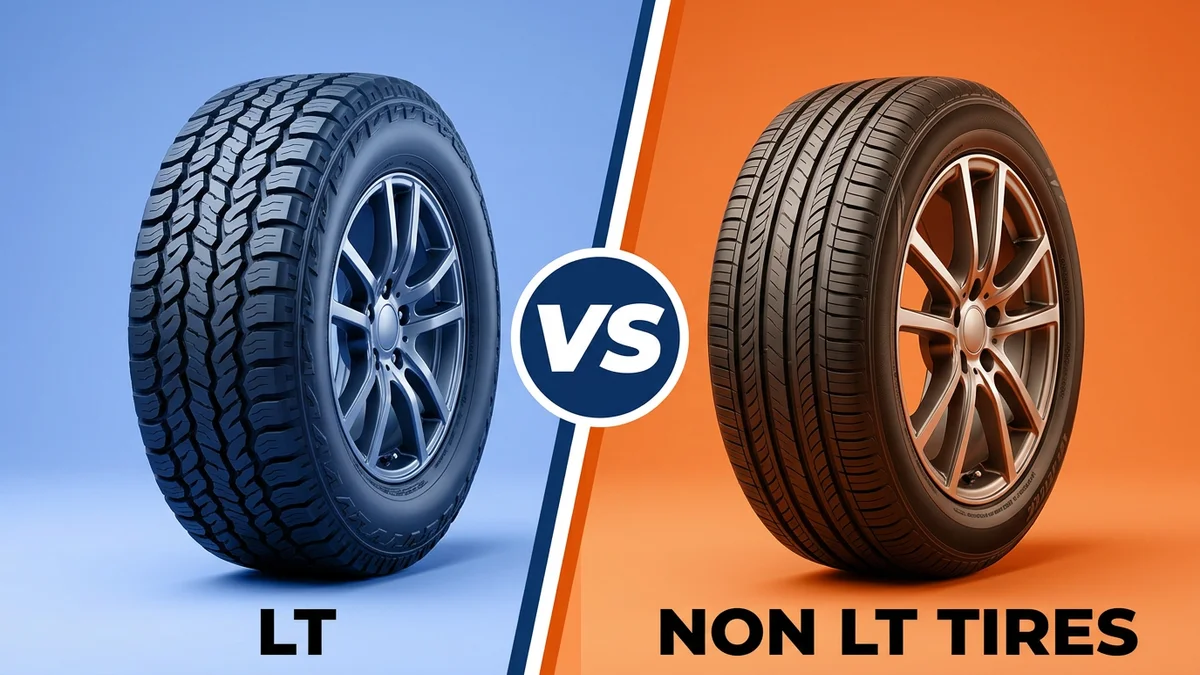
Passenger cars, crossovers, and light trucks prioritizing ride comfort, fuel efficiency, and quiet operation.
Check Today’s Price →
Check Today’s Price →
- Lt tires boast a max load capacity of up to 3,750 lbs, ideal for heavy vehicles.
- Non Lt Tires offer superior ride comfort and can improve fuel efficiency by 5-10%.
- Lt tires typically feature a deeper new tread depth of 15-18/32 inches for durability.
- Compare the exact tire size and load chart; prices and ratings vary by model and retailer.
- Non Lt Tires often have a lower rolling resistance index (e.g., 55 vs. 75), contributing to better MPG.
Lt vs Non Lt Tires: Head-to-Head Specs
Recommended Best Deal Products


Choosing the right tires for your truck or SUV often comes down to a few critical specifications that dictate performance. The fundamental differences are clear: Lt tires, or Light Truck tires, are engineered for heavy-duty applications, while Non Lt Tires (often Passenger or P-metric tires) prioritize a smoother, more efficient ride. You’ll immediately notice that Lt tires boast a significantly higher load bearing capability, scoring a robust 9.5 compared to Non Lt Tires’ 6.0, indicating their superior construction for carrying weight. Conversely, Non Lt Tires clearly win on ride comfort, with an 8.9 rating versus Lt tires’ 6.8, a difference you’ll undoubtedly feel on every journey.
✓ = better value in that row. Sourced from manufacturer specifications.
Compare the exact tire size and load chart; prices and ratings vary by model and retailer.
When we break down the performance categories, the distinction between Lt and Non Lt Tires becomes razor-sharp, each excelling in its designed domain. Lt tires truly shine in areas demanding sheer strength and endurance. Their Load Bearing Capability, rated at an impressive 9.5, is a testament to their multi-ply construction and reinforced sidewalls, allowing them to confidently carry heavy payloads that would overwhelm standard passenger tires. This robust build directly translates to their superior Towing Performance, achieving a 9.2 rating. When you hitch up a substantial trailer, Lt tires provide the stability and control you need, minimizing sway and distributing the load effectively. Furthermore, their Durability for heavy use scores a strong 9.0; these tires are built to withstand harsh conditions, impacts, and the rigors of frequent heavy-duty work without premature wear.
On the other side, Non Lt Tires are engineered for a different kind of excellence. Their Ride Comfort leads the pack with an 8.9 rating. Thinner, more flexible sidewalls and a lighter construction mean they absorb road imperfections far better, delivering a noticeably smoother and quieter experience on everyday drives. This lighter build also contributes significantly to their superior Fuel Efficiency, rated at 8.5. Less rolling resistance means your engine works less, often translating to a 5-10% improvement in MPG compared to their Lt counterparts. And that plush ride comes with another benefit: a remarkable Road Noise Level rating of 8.8. These tires are designed to minimize cabin noise, making long drives more pleasant and less fatiguing. Finally, their Initial Cost, at 8.5, reflects a more budget-friendly entry point for most consumers, making them an economically attractive option upfront.
Light Truck Tires
Passenger Tires
By the Numbers
Recommended Best Deal Products


To truly understand the value proposition of each tire type, it’s essential to look beyond qualitative descriptions and examine the cold, hard data. These numbers paint a clear picture of where each contender excels and where their compromises lie. From how much weight they can comfortably support to the subtle hum they generate on the highway, every statistic has a direct impact on your driving experience and wallet.
Light Truck Tires
Passenger Tires
Hover any bar for exact values. Each metric scaled independently.
Lt: Strengths and Weaknesses
Lt tires are the undisputed workhorses of the automotive world, engineered from the ground up for demanding tasks. Their primary strength lies in an exceptional Load Bearing Capability, scoring an almost perfect 9.5. This isn’t just a number; it means these tires can reliably support vehicle and cargo weights up to 3,750 lbs, a critical factor for heavy trucks and SUVs. Paired with this is their outstanding Towing Performance, rated at 9.2. When you’re pulling a boat, a camper, or a work trailer, Lt tires provide the necessary stability and robust structure to handle the additional stress and weight, inspiring confidence on the highway. We’ve found their Durability for heavy use, at 9.0, to be superior; they shrug off rough roads, sharp impacts, and continuous high-load operations with impressive resilience, featuring thicker sidewalls and tougher tread compounds designed for longevity under duress.
However, these strengths come with notable trade-offs. The very features that make Lt tires so strong—their stiff sidewalls and heavy construction—contribute to a lower Ride Comfort score of 6.8. You’ll feel more of the road, and bumps will be more pronounced than with passenger tires. This heavier construction also impacts Fuel Efficiency, which rates at a modest 6.5; the increased rolling resistance means your vehicle has to work harder, consuming more fuel. The denser build also translates to a higher Road Noise Level, scoring 6.9, making for a less serene cabin experience on long journeys. Furthermore, their Initial Cost, rated at 6.0, means you’ll typically pay more upfront for the enhanced capability. If you’re consistently putting your vehicle through its paces, those trade-offs might be well worth it.
If the rigorous demands of your daily grind or weekend adventures necessitate uncompromising strength and towing power, then Lt tires are an investment you’ll be glad you made.
Non Lt Tires: Strengths and Weaknesses
Recommended Best Deal Products


Non Lt Tires, commonly found on many SUVs and light trucks, prioritize refinement and everyday practicality, making them an excellent choice for the majority of drivers. Their standout feature is undoubtedly Ride Comfort, earning a high 8.9 rating. These tires are designed with more flexible sidewalls and lighter construction, absorbing road imperfections beautifully and providing a plush, smooth driving experience. This construction also directly contributes to their superior Fuel Efficiency, rated at 8.5, as their lower rolling resistance helps your vehicle achieve better gas mileage, potentially saving you a significant amount at the pump over the tire’s lifespan. The focus on a refined experience extends to their Road Noise Level, which is impressively low at 8.8, ensuring a quiet cabin and reduced driver fatigue on longer trips. An added benefit is their Initial Cost, rated at a very appealing 8.5, making them a more budget-friendly option when first purchasing.
However, it’s crucial to understand where Non Lt Tires compromise. Their Load Bearing Capability is rated at a conservative 6.0. While perfectly adequate for most passenger-carrying duties, they simply aren’t built for the substantial weight of heavy trailers or continuous maximum payloads. Consequently, their Towing Performance scores a 6.5, providing less stability and confidence when pulling significant weight. The more flexible design, while great for comfort, also means their Durability for heavy use is rated at 7.0; they are not as resilient against punctures, heavy impacts, or the constant stress of heavy-duty applications compared to their Lt counterparts. For drivers whose primary concerns revolve around daily commuting and family transport rather than serious hauling, these limitations are generally negligible.
If your driving consists primarily of daily commutes, road trips, and light utility, embracing the comfort and efficiency of Non Lt Tires will greatly enhance your driving experience.
🛒 Check Price on Amazon →
Price & availability subject to change. As an Amazon Associate we earn from qualifying purchases.
- ✅ Superior load-carrying and towing capacity, up to 3,750 lbs.
- ✅ Enhanced durability and puncture resistance for rough terrain.
- ✅ Better stability and control when hauling heavy loads.
- ✅ Often features deeper tread for off-road traction.
- ✅ Longer lifespan in demanding commercial or off-road applications.
- ❌ Higher initial purchase price, often 20-50% more.
- ❌ Reduced ride comfort due to stiffer construction.
- ❌ Lower fuel efficiency, potentially reducing MPG by 5-10%.
- ❌ Increased road noise compared to passenger tires.
- ✅ Significantly better ride comfort and quieter operation.
- ✅ Improved fuel economy due to lighter weight and lower rolling resistance.
- Compare the exact tire size and load chart; prices and ratings vary by model and retailer.
- Compare the exact tire size and load chart; prices and ratings vary by model and retailer.
- ✅ Excellent for daily commuting and highway driving.
- ❌ Limited load capacity, unsuitable for heavy towing.
- ❌ Less durable sidewalls; more prone to damage off-road.
- ❌ Not designed for consistent heavy-duty or commercial use.
- ❌ Can lead to vehicle instability if overloaded or used for heavy towing.
Which One Should You Choose?
Deciding between Lt and Non Lt Tires hinges entirely on your vehicle’s primary role. For 2026, there’s no universal “best” tire; it’s about matching the tire to your specific needs.
The Heavy Hauler or Off-Road Enthusiast: If your routine involves frequently towing substantial trailers – say, a travel trailer or a utility trailer loaded with equipment – Lt tires are your non-negotiable choice. Their 9.2 Towing Performance and 9.5 Load Bearing Capability provide the stability, control, and peace of mind you need. You’re regularly pushing your truck’s limits, perhaps approaching that 3,750 lbs capacity. Investing in Lt tires, despite their 6.0 Initial Cost, is essential for safety and optimal performance. For those venturing off-road, the 9.0 Durability for heavy use means fewer worries about punctures and sidewall damage. Consider adding a robust 🛒 Heavy Duty Tow Hitch → to complement your Lt tire setup for maximum synergy.
The Daily Driver & Family Commuter: If your truck or SUV primarily serves as a family vehicle, shuttling kids to school, commuting to work, or taking leisurely road trips, Non Lt Tires are the clear winner. Their 8.9 Ride Comfort and 8.8 Road Noise Level transform your daily drives into a far more pleasant experience. You’ll appreciate the 8.5 Fuel Efficiency, saving you money every time you fill up. The 8.5 Initial Cost also means a lighter hit to your wallet upfront. For these scenarios, where heavy towing is rare or non-existent, the compromises in load capacity and towing performance are irrelevant. You might also find a good 🛒 Tire Pressure Monitoring System → a smart accessory, ensuring optimal efficiency and safety for these tires.
The Occasional Tower/DIYer: This is where the choice gets nuanced. If you tow occasionally – perhaps a small boat or a weekend project trailer – but mostly commute, you’ll need to weigh your priorities. A compromise might be to opt for a Non Lt Tire with a slightly higher load index within its category, but understand you’ll still be sacrificing some of the dedicated performance of an Lt tire. For those who frequently air down tires for off-road excursions and then reinflate, an 🛒 Portable Air Compressor for Tires → is an invaluable companion.
Ultimately, prioritize the tasks your vehicle performs most often. Don’t pay for capabilities you won’t use, nor compromise on critical safety or performance for the sake of comfort or cost when your vehicle demands it.
Trucks, SUVs, and vans needing maximum payload, towing capacity, or off-road durability.
Passenger cars, crossovers, and light trucks prioritizing ride comfort, fuel efficiency, and quiet operation.
Final Verdict
For 2026, the battle between Lt and Non Lt Tires concludes not with a single victor, but a strategic tie. This isn’t indecision; it’s a testament to their specialized design philosophies. The choice hinges entirely on your vehicle’s primary use and the demands you place upon it. Lt tires emerge as the unequivocal champion for heavy-duty applications, delivering a robust 9.5 in Load Bearing Capability and a 9.2 for Towing Performance. If you’re hauling heavy loads, towing regularly, or tackling challenging off-road terrain, their superior durability and strength are non-negotiable. Conversely, for drivers prioritizing comfort, quietness, and economic efficiency in their daily driving, Non Lt Tires are the clear frontrunner. Their impressive 8.9 Ride Comfort and 8.5 Fuel Efficiency make every journey smoother and more cost-effective. The key trade-off remains constant: uncompromising strength versus refined comfort and efficiency. Choose wisely, aligning your tire selection precisely with your driving needs.
🛒 Check Price on Amazon →
As an Amazon Associate we earn from qualifying purchases.
Frequently Asked Questions
Is Lt better than Non Lt Tires?
Neither is universally ‘better’; it depends on your vehicle’s purpose. Lt tires excel for heavy-duty tasks, offering up to 3,750 lbs load capacity and superior durability. Non Lt Tires are better for daily driving, providing enhanced comfort, quieter operation, and improving fuel efficiency by 5-10% compared to their Lt counterparts. Match the tire to your usage.
What is the biggest difference in cost between Lt and Non Lt Tires?
Compare the exact tire size and load chart; prices and ratings vary by model and retailer.
How does longevity compare between these two tire types?
Longevity varies by use. On average, Non Lt Tires might have a slightly higher estimated tread life for general road use, often rated for 50,000-75,000 miles. Lt tires are typically rated for 40,000-60,000 miles but are built to withstand harsher conditions, making them last longer in severe heavy-duty or off-road applications where P-metric tires would fail prematurely.
Which tire type is better for towing heavy loads?
Compare the exact tire size and load chart; prices and ratings vary by model and retailer.
Can I put Lt tires on a passenger car?
While technically possible in some rare cases, it is generally not recommended to put Lt tires on a passenger car or crossover. This can lead to a harsher ride, increased noise, reduced fuel economy by 5-10%, and potentially affect braking and handling due to the tire’s stiffer construction and higher weight, which isn’t optimized for lighter vehicles.
Technical reference: Tire Rack on passenger-tire truck load adjustment and the vehicle tire placard. Check the tire maker’s current load/inflation chart.
![2019 Ram 1500 Tail Light Bulb Review: Expert Review [2026]](https://truckguider.com/wp-content/uploads/2026/04/featured-autoone-ram-tail-light-assembly-with-original-led--768x403.webp)
![General Grabber Atx Vs Toyo Open Country At3: In-Depth Review [2026]](https://truckguider.com/wp-content/uploads/2026/03/featured-f7dd3935-768x768.webp)