M11 Cummins Oil Pressure Sensor Location: Your Guide to Keeping Your Rig Running Right

Hey there, truckers! If you’re piloting a rig with an M11 Cummins under the hood, you know you’ve got a workhorse that can handle just about anything—long hauls, heavy loads, you name it. But when that oil pressure warning light flickers or your gauge starts acting funky, it’s time to zero in on the M11 Cummins oil pressure sensor location. As someone who’s spent plenty of time wrenching on these diesel beasts, I’m here to walk you through where to find this critical sensor, what can go wrong, and how to keep your engine humming. Let’s dive in!
What’s an Oil Pressure Sensor, and Why Should You Care?
The oil pressure sensor is like the watchdog of your engine’s lubrication system. It keeps tabs on the oil pressure and sends that info to the engine control module (ECM), which makes sure your engine stays properly lubed up. Without enough oil pressure, your engine’s moving parts can grind, overheat, or flat-out fail—think thousands of dollars in repairs. A bad sensor can also trick your ECM into thinking there’s a problem when there isn’t, leaving you limping along in safe mode or stuck on the side of the road.
For owner-operators or weekend mechanics, knowing where this sensor is can save you time, money, and a whole lot of frustration. Trust me, I’ve been there, cursing under a truck at 2 a.m. because I didn’t catch a sensor issue early.
The M11 Cummins Engine: A Diesel Powerhouse
Before we hunt down that sensor, let’s give some love to the M11 Cummins. This 11-liter inline-six diesel, introduced in the 1990s, is a legend in medium- and heavy-duty trucks like Kenworths, Freightliners, and Volvos. With 280–400 horsepower and torque that’ll pull a house, it’s built for tough jobs—think construction, logging, or cross-country freight. You’ll find it in Class 7 and 8 rigs, and it’s known for its durability, especially with proper care.
Compared to something like a CAT C13, the M11 is a bit more mechanic-friendly, with decent access to components like sensors. But you still need to know your way around, especially when troubleshooting on the fly.
Where to Find the Oil Pressure Sensor on an M11 Cummins
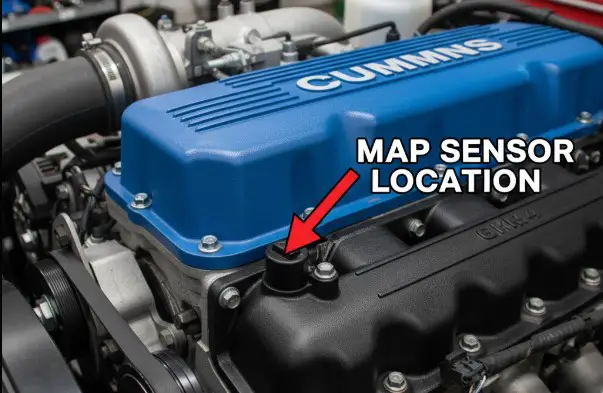
Alright, let’s get to the meat of it: where’s the oil pressure sensor on your M11 Cummins? Depending on your truck’s setup, you’ll likely find it in one of three spots. Here’s the breakdown.
Primary Location: Fuel Pump Side
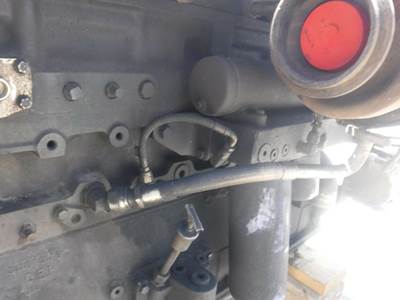
- Where It’s At: The main oil pressure sensor is usually on the engine block near the pan rail, on the fuel pump side, close to the engine position sensor (EPS). Look low on the block, near where the fuel system components hang out.
- How to Get to It: This spot’s moderately tricky. You might need to move the fuel filter or some piping to get a clear shot. A socket set and a long ratchet are must-haves, and a flashlight will help you spot it in the shadows.
Secondary Location: Front of the Engine
- Where It’s At: Another common spot is at the front of the engine, near the accessory drive and air compressor, often next to the EPS.
- How to Get to It: This one’s easier to reach than the fuel pump side. You might need to pop off the fan shroud or loosen some belts for access. A mirror can help you check the wiring without tearing everything apart.
Oil Filter Side (Less Common)
- Where It’s At: Some M11 setups have a sensor on the oil filter side of the block, possibly tied to the dash gauge rather than the ECM.
- How to Get to It: This one’s usually a breeze to access, but be careful not to bump the oil filter housing. Keep your workspace clean to avoid getting dirt in the oil system.
Heads-Up on Model Variations
The M11 has a few flavors—like the Celect and Celect Plus systems—and sensor placement can vary slightly depending on the truck manufacturer or model year. To be sure, check your engine serial number (stamped on the block or in your manual). If you’re working on a 1990s Kenworth versus a newer Freightliner, the front sensor might be shifted a bit. When in doubt, a Cummins service manual or a quick call to your dealer can point you in the right direction.
Pro Tips for Accessing the Sensor
- Fuel Pump Side: Check the wiring harness for wear before you start—vibrations can fray those cables over time. Use a long ratchet to avoid straining your wrist in tight spots.
- Front of Engine: When reinstalling, use a torque wrench (check Cummins specs, usually around 15–20 ft-lbs) to avoid over-tightening, which can strip threads. Make sure the connector clicks in securely to prevent fault codes.
- Oil Filter Side: Slap some dielectric grease on the connector to keep corrosion at bay, especially if you’re in a wet or salty climate. A clean rag nearby will save you from oil drips.
Common Oil Pressure Sensor Problems and How to Fix Them
Oil pressure sensors are built tough, but life on the road—heat, vibrations, and oil exposure—can wear them down. Here’s what to watch for and how to stay ahead.
Signs Your Sensor’s Gone Bad
- Weird Gauge Readings: If your oil pressure gauge is bouncing like a yo-yo or showing low pressure at idle (normal is 20–40 PSI), the sensor might be toast.
- Warning Lights: A dashboard oil pressure warning or a check engine light could point to a sensor issue. Look for fault codes like PID 100 when you scan with a tool.
- Limp Mode: A faulty sensor can trick the ECM into thinking oil pressure’s too low, cutting power to protect the engine.
- Noisy Engine: If the sensor’s lying about pressure, you might hear lifter noise or other signs of poor lubrication—don’t ignore this.
Maintenance Tips to Keep Your Sensor Solid
Here’s how to keep your oil pressure sensor—and your M11 Cummins—running like a champ:
- Check During Oil Changes: When you’re swapping oil or filters, take a quick look at the sensor for oil leaks or cracked wiring. A 30-second inspection can catch trouble early.
- Use Quality Sensors: Stick with OEM Cummins sensors (part numbers like 3080406 or 4921487) or trusted aftermarket ones. Cheap knockoffs can give false readings and fail fast. Make sure the threading matches (9/16″-18).
- Verify with a Manual Gauge: If your dash is showing low pressure, hook up a manual oil pressure gauge to confirm. I’ve seen bad sensors make owners think their engine was dying when it was fine.
- Protect the Wiring: Use dielectric grease on the connector and secure the harness with zip ties to prevent chafing. Road vibrations are a killer for wiring.
Troubleshooting Like a Pro
If you’re getting a fault code, grab a diagnostic tool like Cummins INSITE to pull the details. A multimeter can also test the sensor’s resistance (check your manual for specs). If the sensor’s fine but you’re still getting issues, inspect the connector pins—corrosion or a loose fit can mimic a bad sensor. Compared to a Detroit DD13, the M11’s sensors are easier to diagnose, but you still need to rule out wiring problems before dropping cash on a new part.
OEM vs. Aftermarket Sensors
| Feature | OEM Cummins Sensors | Aftermarket Sensors |
|---|---|---|
| Reliability | Built for M11, consistent performance | Varies; some are solid, others flaky |
| Fitment | Perfect match, no fuss | May need tweaks for threading |
| Cost | $50–$150 each | $20–$80 each |
| Warranty | Usually 1–2 years | Often shorter, check brand |
| Best For | Long-haul reliability, fleets | Budget fixes, less critical rigs |
Why This Matters for Your Truck
Whether you’re hauling freight cross-country or moving dirt on a job site, your M11 Cummins needs proper oil pressure to keep grinding. A bad sensor can throw off your whole operation—think lost revenue, missed deadlines, or even engine damage if you don’t catch it. I’ve seen guys spend hours chasing low-pressure ghosts because they didn’t know where to look. Compared to a CAT C15, the M11’s sensor locations are a bit more accessible, but tight spaces and wiring issues can still trip you up.
The owner’s manual won’t tell you this, but check your sensor before a big haul, especially if you’re running in extreme heat or cold. And if you’re modding your M11 for more power, keep an eye on oil pressure—higher loads can stress the system and make a weak sensor fail faster.
Conclusion
There you have it, folks—your roadmap to the M11 Cummins oil pressure sensor location and how to keep your rig in top shape. To sum it up:
- The oil pressure sensor is crucial for keeping your engine lubed and running strong, with spots near the fuel pump, front of the engine, and sometimes the oil filter.
- Look out for warning lights, weird gauge readings, or limp mode, and tackle issues with regular checks and quality parts.
- A little preventative maintenance—like grease on connectors and secure wiring—can save you from roadside headaches.
As a truck guy who’s been elbow-deep in diesel engines, I can’t stress enough how important it is to stay on top of these small parts. Next time you’re under the hood, take a peek at that sensor, keep your oil system clean, and maybe toss a spare OEM sensor in your toolbox. Your M11 Cummins is built to last—give it the care it needs, and it’ll keep you rolling for miles.
Safe hauling, and keep that diesel rumbling!