P003A Code 6.7 Cummins: A Complete Guide to Diagnosing and Fixing Your VGT Turbo

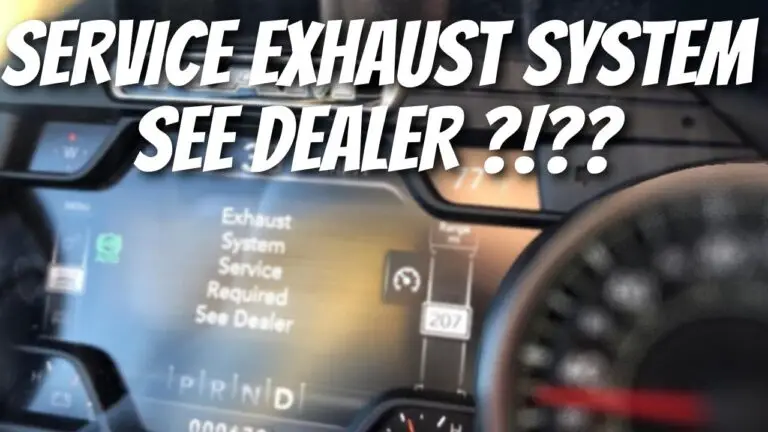
You’re driving your Ram 2500 or 3500, and it suddenly happens. The check engine light (MIL) illuminates, your overhead display may flash a “Service Exhaust System” warning, and your truck falls flat on its face. It’s entered “limp home” mode, with almost no throttle response, a complete loss of power, and an inability to drive uphill or tow. When you plug in a scanner, you’re greeted with the dreaded code DTC P003A: Turbocharger/Supercharger Boost Control “A” Position Exceeded Learning Limit.
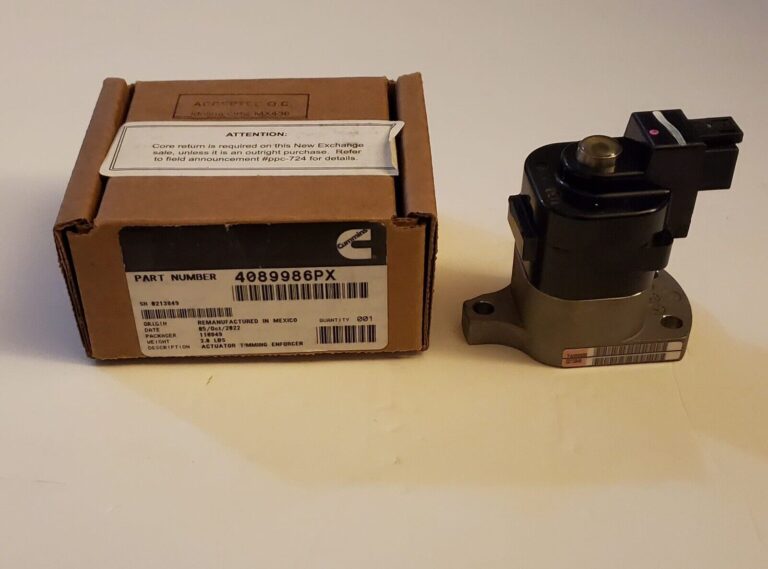
For a 6.7L Cummins owner, this code means the Powertrain Control Module (PCM) has lost control of the Variable Geometry Turbo (VGT). The computer is telling the electronic actuator on the side of your turbo to set a specific vane position, but the actuator’s internal sensor is reporting back a position that doesn’t match what the PCM commanded.
This code immediately presents a critical “chicken or egg” dilemma: is the (approx. $800) electronic actuator faulty, or is the (approx. $4,000) mechanical turbocharger itself seized with rust and soot, causing the actuator to fail while trying to move it?. Guessing wrong is an expensive mistake. This guide provides the expert-level diagnostics to tell the difference and outlines the exact repair paths to get your truck back to full power.
Decoding P003A: 6.7L Cummins Turbo Trouble
A P003A code on your 6.7L Cummins signals a problem with the turbocharger boost control, specifically that its learned position has exceeded operating limits. This infographic breaks down the symptoms, causes, and solutions for this common and frustrating code.
How Serious Is P003A?
HIGH SEVERITY
This code can lead to significant performance loss, failed emissions tests, and potential damage to the turbocharger if left unaddressed. Immediate diagnosis is recommended.
Common Symptoms
While the Check Engine Light is a given, drivers often report a combination of other issues. This chart shows the frequency of related symptoms reported by owners experiencing a P003A code.
Top Causes of Code P003A
The code itself points to a control issue, but the root cause can vary. Most often, it’s a mechanical or electrical failure related to the Variable Geometry Turbo (VGT) actuator, or a physical restriction from soot.
Step-by-Step Diagnostic Guide
Fixing a P003A code requires a logical diagnostic approach. Follow these steps to narrow down the problem. Do not just replace parts.
Estimated Repair Costs
The cost to fix a P003A code varies dramatically based on the root cause and whether you perform the work yourself. A simple cleaning is cheap, but a full turbo replacement is a major expense.
How to Prevent P003A
While failures can still happen, proper maintenance reduces the risk of soot-related P003A codes.
- Follow Regular Maintenance: Use OEM-spec oil and filters. Change fuel filters on schedule.
- Avoid Excessive Idling: Long idle times contribute to soot buildup in the VGT.
- Work The Engine: Regularly towing or hauling helps clear out soot by increasing exhaust gas temperatures.
- Allow Proper Cooldown: Let the engine idle for a minute before shutdown after heavy use to protect turbo bearings.
What is DTC P003A and What Does it Mean on a 6.7L Cummins?
Diagnostic Trouble Code P003A is a generic OBD-II powertrain code, but on the 6.7L Cummins, it has a very specific meaning related to its sophisticated Holset VGT (Variable Geometry Turbo).
The 6.7L Cummins engine (found in Ram 2500 and 3500 trucks) uses a Holset HE300VG or HE351VE turbo. Unlike turbos with a traditional wastegate, a VGT uses an electronic actuator to move a “unison ring” or “sliding nozzle ring” inside the exhaust housing. This ring controls a set of vanes that can change the angle and velocity of the exhaust gas hitting the turbine wheel. This system provides the low-end throttle response of a small turbo and the high-end power of a large turbo. It is also the primary component of the 6.7L’s powerful exhaust brake.
The P003A code is set by the PCM when the VGT actuator’s built-in position sensor reports a physical position that is outside the expected parameters the PCM has “learned” during its calibration and self-test cycles. The “learning limit” is the acceptable range of motion the actuator should have. Exceeding this limit means the actuator is either moving too far, not far enough, or its internal sensor is no longer accurate.
The severity of a P003A code is moderate to high. While it won’t cause immediate, catastrophic engine failure, it disables the turbo and exhaust brake, putting the engine into a protective “limp mode”. Driving with a bad actuator or stuck turbo is not recommended. It can lead to severe underboost or overboost conditions, but more importantly, the resulting incomplete combustion (often seen as black smoke) can rapidly clog the Diesel Particulate Filter (DPF). This can turn a single turbo problem into a much more expensive, system-wide emissions failure.
Common Symptoms of a P003A Fault
When the PCM logs a P003A, it is almost always accompanied by immediate and noticeable drivability problems.
- Active Check Engine Light (MIL).
- Engine enters “limp home” mode, with a drastic reduction in power.
- Low, erratic, or abnormal engine power levels.
- Poor or non-existent throttle response.
- Inability to build boost; the gauge may not move.
- The exhaust brake completely stops working. (This is a primary diagnostic clue).
- Excessive black smoke from the tailpipe, especially on acceleration.
- Trouble maintaining speed, especially when towing or driving uphill.
Some owners report the P003A code appears intermittently, perhaps on a remote start , but the truck drives fine after clearing the code. This should not be ignored as a “glitch.” This is the first sign of failure. It indicates the VGT vanes are beginning to stick from “stiction” (static friction) when cold, or the actuator’s electronics are beginning to fail when heat-soaked. The PCM’s key-on self-test is catching this momentary fault. This is the golden window to take preventative action (like religiously using the exhaust brake) before the actuator burns itself out completely.
Symptom & Severity Table
This table helps triage the problem based on observed symptoms.
| Symptom | Severity | Probable Implication |
| P003A code, but no symptoms | Low (Immediate) | Intermittent fault. Vanes may be starting to stick, or actuator electronics are beginning to fail. |
| Check Engine Light, No Limp Mode | Moderate | PCM has logged the fault, but it may not be persistent. Actuator is likely failing its self-test. |
| Exhaust Brake Not Working | Moderate | Strong indicator of VGT system failure. The actuator cannot move the vanes to the “braking” position. |
| Limp Mode, Low Power, Black Smoke | High | A “hard fault.” The actuator is non-responsive or the vanes are mechanically seized. Drivability is compromised. |
The “Family” of Turbo Codes: P003A, P00AF, U010C, and P2262
DTC P003A rarely travels alone. The combination of codes logged in the PCM provides critical diagnostic clues that help pinpoint the root cause before you turn a single wrench.
DTC Cluster Diagnostic Table
| Code Cluster | What It Means | Most Likely Culprit |
| P003A + P00AF | “Position Exceeded Learning Limit” + “Module Performance”.[4, 10] The actuator is not performing as commanded and has failed its self-check. | Faulty VGT Actuator. |
| P003A + U010C | “Position Exceeded” + “Lost Communication With Turbo Control Module”.10 The PCM can’t talk to the actuator at all. | Failed VGT Actuator. This is a classic sign of internal electronic failure (board, motor, or connector). |
| P003A + P2262 | “Position Exceeded” + “Boost Pressure Not Detected”. The turbo is physically not making boost, even if the actuator thinks it’s in the right position. | Mechanically Stuck Vanes. The vanes are seized, likely in the “open” position, and cannot build boost. |
| P003A + P0046 | “Position Exceeded” + “Boost Control Circuit Performance”.This points to an electrical issue in the circuit (wiring, PCM, or actuator). | Wiring/Connector Fault or Failing Actuator. |
CRITICAL FIRST STEP: Check for Warranty Extension (TSB X99)
Before you buy any parts or pay for a diagnosis, STOP. FCA (Ram’s parent company) and Cummins are aware of a high failure rate for this part on specific models.
FCA issued Warranty Campaign X99, which is also documented in NHTSA Technical Service Bulletin (TSB) MC-10212407-9999.
- Who is Covered: Certain 2015 Ram 2500 and 3500 Pickup models equipped with the 6.7L Cummins diesel engine.
- What is Covered: The warranty on the 6.7L Cummins Turbocharger Actuator is extended from the standard 5 years / 100,000 miles to 15 years / 150,000 miles.
- Why: The TSB states the reason is a potential “internal electrical failure” of the actuator, which is a common cause for P003A.
Your Action Plan: Call your local Ram dealer’s service department with your Vehicle Identification Number (VIN). Ask them to check if your truck is covered under Warranty Campaign X99 or TSB MC-10212407-9999. If it is, the dealer will replace the faulty actuator for free.
(https://static.nhtsa.gov/odi/tsbs/2022/MC-10212407-9999.pdf).
How to Diagnose P003A: The “Chicken or Egg” Test
If your truck is not covered by the warranty, you must perform a diagnosis. The central question remains: is the electronic actuator dead, or are the mechanical vanes inside the turbo stuck?
Replacing a $800 actuator on a turbo with seized vanes is a common and costly “band-aid” fix. The new actuator will quickly burn itself out trying to fight the mechanical resistance, and you will be back with the same P003A code within months. This diagnosis requires a high-quality(https://truckguider.com/best-diesel-scan-tools) that can read manufacturer-specific codes.
Step 1: Preliminary Inspection (The Easy Stuff)
- Check the Wiring Harness: Visually inspect the pigtail and connector running to the VGT actuator on the passenger side of the turbo. Look for any signs of chafing, melting from exhaust heat, or corrosion on the pins. A U010C (Lost Communication) code often points directly to a wiring or connector failure.
- Check Battery Voltage: Low system voltage can cause electronic modules to malfunction and throw erroneous codes. Ensure your batteries are healthy and fully charged.
Step 2: Actuator vs. Vanes Litmus Test (Choose Your Path)
You have two methods to get a definitive answer.
Path A: The Professional Scan Tool Test
This is the fastest method if you have a bi-directional scan tool (like a high-end Autel, Snap-on, or Cummins INSITE).
- Connect the scan tool to the OBD-II port.
- Navigate to the PCM/ECM module and find the “VGT Electronic Actuator Installation and Calibration” or “Action Test” menu.
- Run the actuator self-test. The tool will command the actuator to “sweep” its full range of motion, from 0% to 100% and back.
- Result: The tool will provide a clear “Pass” or “Fail.” A “Fail” result means the actuator is electronically dead or it physically cannot overcome the mechanical resistance of the vanes.20 This narrows it down but isn’t the final answer.
Path B: The DIY Manual Vane Test (The Definitive Test)
This is the “smoking gun” test. It requires basic hand tools but gives you a 100% definitive answer.
- Safety First: Ensure the engine is completely cool. The turbocharger and exhaust manifold become extremely hot.
- Remove the Actuator: The actuator is held onto the turbo’s bearing housing by 3 or 4 bolts (depending on the year). Remove these bolts.
- CRITICAL TIP: Do not unplug the electronic connector yet. Simply pull the actuator body away from the turbo, letting it hang by its wire harness. This prevents the PCM from logging a new U010C “Lost Communication” code, which can complicate the diagnosis.
- Test the Vanes: With the actuator removed, look at the turbo. You will see the small metal lever that the actuator’s gearbox connected to.
- THE MOMENT OF TRUTH: Grab this lever with your fingers or a small pair of pliers and attempt to move it.
- Good Turbo: The lever should move smoothly and freely through its entire range of motion (approximately a 1/4 turn). It should feel light and easy to move.
- Bad Turbo: The lever feels gritty, catches in certain spots, or is completely seized and will not move. This is your answer. Your problem is sticking vanes caused by soot, rust, or carbon buildup, and the P003A code was just the actuator’s cry for help before it failed.
How to Fix P003A Code on 6.7 Cummins: The 3 Repair Paths
Based on your diagnosis, you can now choose the correct repair. This entire system is a core component of theand is known for these issues.
Path 1: The “Band-Aid” Fix (If Vanes ARE Stuck)
- What it is: Attempting to clean the turbo’s VGT vanes.
- Option 1: On-Vehicle Chemical Cleaning: This involves using a professional-grade diesel EGR and turbo cleaning spray, which is introduced through the engine’s intake while running. This can sometimes break up light carbon deposits.
- Option 2: Off-Vehicle “Bench” Cleaning: This requires removing the entire turbocharger from the truck, splitting the exhaust housing, and manually cleaning the unison ring and vanes with a wire brush or media blaster.
- Expert Opinion: This is a temporary fix at best. The root cause of the sticking—soot from the EGR system and idling 10—has not been solved. The problem will almost certainly return, especially on a high-mileage truck. It is a massive amount of labor for an unreliable result.
Path 2: The Most Common Fix (If Vanes are NOT Stuck)
- What it is: Replacing the VGT Turbo Actuator. If your manual test showed the vanes move freely, the actuator itself has failed (likely an internal electronic or motor failure).
- The “Gotcha”: Calibration. You cannot simply bolt on a new OEM Holset actuator. The new actuator is “dumb” and must be electronically “introduced” to the PCM and “calibrated” to find its minimum and maximum travel limits.
The Calibration Dilemma (DIY vs. Shop)
- Pay a Shop: A dealer or diesel shop will perform the “VGT Actuator Installation and Calibration” procedure using their scan tool.19 This typically adds 1-2 hours of labor to the bill.
- Rent a Tool (DIY): Companies like Circuit Board Medics or AVI Electronics rent calibration tools to DIYers. This involves a rental fee (approx. $90) and a large refundable deposit (approx. $500-$600).
- The “No-Cal” Solution (Best for DIY): Purchase an aftermarket “no-calibration-required” actuator. Companies like City Diesel offer upgraded actuators that solve this problem. These units are a game-changer for the DIY mechanic. They are designed to run a self-calibration “sweep test” every time you cycle the key, automatically learning the vane limits. They also often feature higher-torque motors to better resist minor soot buildup in the future.
Path 3: The “Definitive” Fix (If Vanes ARE Stuck)
- What it is: Replacing the entire VGT turbocharger assembly (which comes with a new, pre-calibrated actuator).
- Why? The “Band-Aid” Warning: This is the hard truth. If your manual vane test (Step 2B) failed, the turbo is the problem. The P003A code was just a symptom.
- Purchasing a quality-remanufactured Holset HE300VG from a reputable supplier ensures all components, including the unison ring and bearings, are new or re-machined to spec.
- Conclusion: If your truck has over 150,000 miles and you find the vanes are stuck, replacing the full turbo assembly is the only way to ensure the problem is fixed permanently and you aren’t left stranded again.
Cost Analysis: P003A 6.7 Cummins Fix (DIY vs. Professional)
The cost to fix a P003A code varies dramatically based on the root cause and whether you perform the labor.
P003A Repair Cost Comparison (2024 Estimates)
| Repair Path | Part Cost (DIY) | Additional Costs (DIY) | Professional Install (Est.) | Best For… |
| VGT Actuator (OEM + Pro Cal) | ~$799 [17, 35] | ~$150 – $200 Shop Calibration | ~$1,200 – $1,500 | Vanes are confirmed free; you have a shop to do the calibration. |
| VGT Actuator (Aftermarket “No-Cal”) | ~$770 – $985 [11, 36, 37] | $0 (No calibration needed) | ~$1,100 – $1,400 | The ideal DIY fix where vanes are confirmed free. |
| VGT Turbo Cleaning (Chemical) | ~$30 – $50 | N/A | ~$200 – $300 | A low-cost “gamble” on lightly sticking vanes. Not a permanent fix. |
| Full Turbo Replacement (Reman/New) | ~$3,100 – $4,900+ [38, 39, 40] | ~$100 (Gaskets, fluids) | ~$4,800 – $5,500+ [12, 41] | The “guaranteed” fix. Required if vanes are seized or truck is high-mileage. |
As forum user feedback suggests, paying for just an actuator when the turbo is bad is a common and expensive mistake. Check community discussions on CumminsForum.com to see what other owners have experienced.
How to Prevent P003A and VGT Turbo Failure
The 6.7L Cummins VGT turbo fails almost exclusively from one thing: soot and carbon buildup. This buildup, caused by the EGR system and certain driving habits, gums up the unison ring and vanes until the actuator can no longer move them.
Here is how you prevent it:
- USE YOUR EXHAUST BRAKE: This is the single most important preventative measure. Set the exhaust brake to “Auto” and leave it on 100% of the time. It does not hurt the engine. In fact, it “exercises” the VGT vanes by constantly moving them through their full range of motion, which helps break up and clear out soot before it can build up and seize the ring.
- Reduce Idle Time: Excessive idling is the killer of modern diesel emissions systems. It loads up the DPF and creates low-temperature soot that clogs the VGT vanes.
- Use the Correct Oil: A TSB suggests that 15W-40 oil (common in other diesels) may contribute to buildup in some 6.7L engines. The recommended oil is often 10W-30. Always check your owner’s manual and follow the manufacturer’s recommendation for your specific year.
- Use a Cetane Booster: A good quality fuel additive with a cetane booster promotes a more complete and cleaner combustion. Less unburnt fuel (soot) means less carbon to clog the turbo.
- Drive it Properly: These trucks are designed to work. Towing heavy or performing an “Italian tune-up” (aggressive acceleration) gets the Exhaust Gas Temperatures (EGTs) high enough to burn off soot deposits.
These steps are critical for avoiding many common 6.7 Cummins problems related to the emissions and turbo systems.
Conclusion: Your Action Plan for Fixing P003A
A P003A code on your 6.7 Cummins is a serious, power-sapping fault, but it is almost always fixable. It signals a failure in the VGT control system, pointing to either the electronic actuator or the mechanical vanes.
Your step-by-step action plan is:
- Check Warranty: If you own a 2015 Ram, call your dealer immediately about TSB X99 to see if you are eligible for a free actuator replacement.
- Scan for “Family” Codes: Check for accompanying codes like U010C (strongly suggests a bad actuator) or P2262 (strongly suggests stuck vanes).
- Perform the Manual Test: This is the single most important diagnostic step. Remove the actuator and manually check the vane lever for free movement.
- Choose Your Repair:
- Lever is Stiff/Seized? -> You must replace the entire turbocharger assembly. Replacing only the actuator will be a temporary, wasted-money fix.
- Lever is Smooth? -> Your actuator has failed. Replace it, preferably with a “no-calibration-required” aftermarket model for the easiest and most robust DIY repair.
Don’t just replace the actuator and hope for the best. A 10-minute manual test will tell you the real problem and save you from the cost and frustration of doing the entire job twice.
Frequently Asked Questions (FAQ) about P003A 6.7 Cummins
Q: Can I still drive with a P003A code?
A: It is highly discouraged.8 The truck will be in “limp home” mode, which means it will have very little power and is a safety hazard in traffic.2 Continued driving can also lead to excessive soot, which can permanently damage the DPF filter and lead to a much more expensive, cascading repair.
Q: What is the most common fix for P003A on a 6.7 Cummins?
A: The most common part replaced is the VGT turbo actuator.6 However, this is often a misdiagnosis. The actuator frequently fails because the mechanical turbo vanes are sticking. The only correct fix is to diagnose which part has actually failed (actuator or turbo) and replace that component.
Q: Do I have to calibrate a new 6.7 Cummins turbo actuator?
A: Yes, if you use a new OEM Holset replacement part, it must be calibrated to the PCM using a compatible dealer-level scan tool.6 However, aftermarket actuators from companies like City Diesel are available that are “no-calibration-required” and perform a self-calibration on every key cycle, making them ideal for DIY replacement.
Q: Will an EGR delete fix a P003A code?
A: No, an EGR delete will not fix an existing P003A code. The damage to the actuator or the stuck vanes has already occurred. However, since the EGR system is a primary source of the soot that gums up the VGT unison ring 10, an EGR delete (where legal) is considered a long-term preventative measure to stop the vanes from sticking in the first place.
Q: Why does my P003A code only appear on a cold start?
A: This is likely the first sign of mechanical failure. The soot and carbon on the VGT vanes can create “stiction” (static friction) when the metal is cold. This causes the actuator to fail the PCM’s key-on self-test, logging the code. Once the turbo heats up and the metal expands, the vanes may move freely again. This is a clear warning sign to take preventative action, like using your exhaust brake more often.