Toyota Tacoma Payload Capacity Chart By Year (2005–2026)

Quick Answer
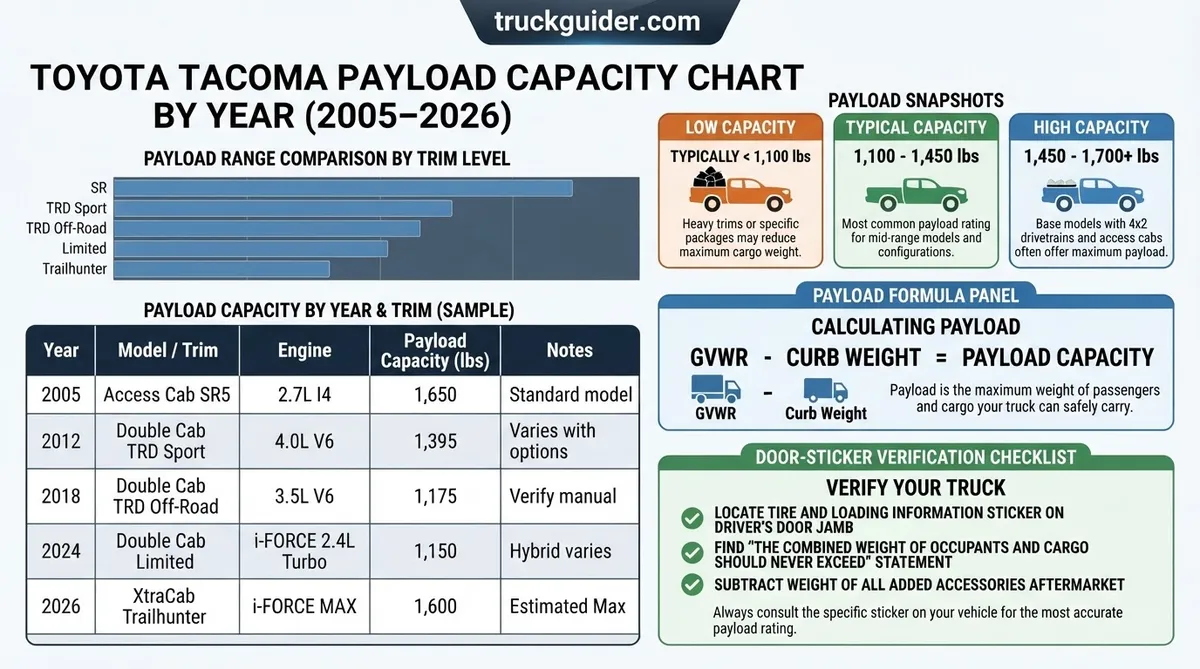
The payload capacity for the Toyota Tacoma generally ranges from 1,000 lbs to 1,710 lbs depending on the year, engine, and configuration. Factors such as cab size, bed length, and trim level significantly impact these ratings. The most accurate way to determine your vehicle’s specific limit is to locate the tire and loading information placard (door sticker) on the driver’s side B-pillar.
Ever wondered if your Toyota Tacoma can safely handle that next load of gear? Payload capacity is one of the most misunderstood specs in the pickup world, frequently confused with towing capacity or generic brochure numbers. In this guide, we break down exactly how to find your truck’s true payload capacity using your specific door jamb sticker and explain why your trim level matters.

Prime for Young Adults — 6 Months Free
Students and 18–24s get six months of Prime free, then half price.
Start 6 Months Free
Toyota Tacoma Payload Capacity Chart By Year (2005–2026)
Recommended Best Deal Products


📤 Share Image
This reference covers the 2nd (2005–2015), 3rd (2016–2023), and 4th (2024–2026) generations. Values represent the typical payload range for stock configurations. Because payload is affected by factory-installed options (sunroofs, tow packages, trim-specific hardware), always verify against your unique door sticker. Last reviewed: August 2026.
| Model Years | Generational Context | Payload Range | Primary Notes |
|---|---|---|---|
| 2005–2015 | 2nd Gen | 1,200 – 1,550 lbs | Varies by cab/bed size. |
| 2016–2023 | 3rd Gen | 1,100 – 1,620 lbs | Higher trims often weigh more. |
| 2024–2026 | 4th Gen | 1,000 – 1,705 lbs | Hybrid vs. Non-hybrid variance. |
How to Use This Payload Capacity Reference
This chart provides the “factory capacity” baseline. When using this data, understand that a 2023 TRD Pro has a different payload rating than an SR5 long bed. This is due to differences in suspension architecture, curb weight, and factory-installed accessories. Payload capacity is not a static number—it is the remaining weight capacity after subtracting the vehicle’s dry weight from its GVWR (Gross Vehicle Weight Rating).
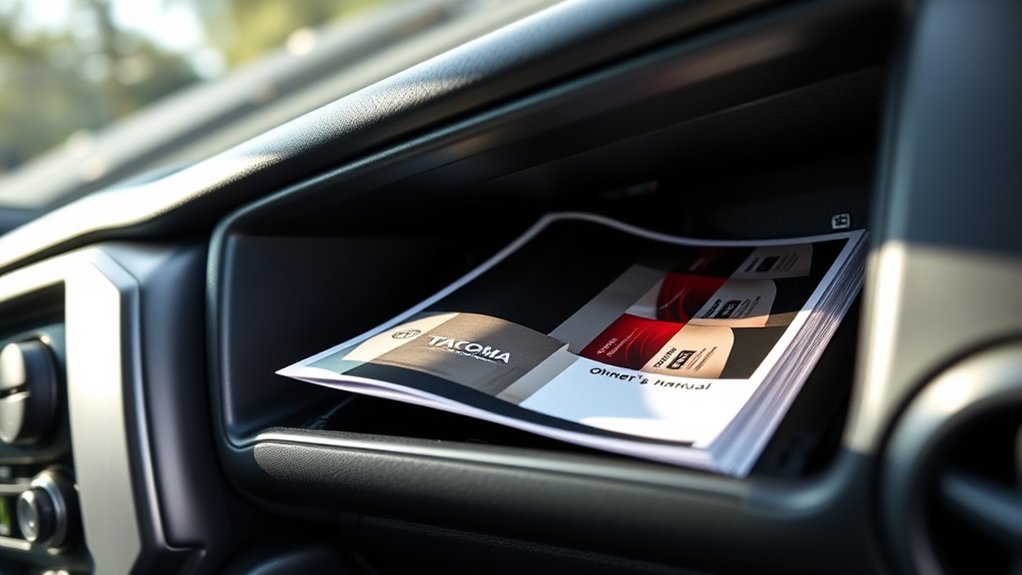
Understanding Your Toyota Tacoma Payload Capacity Door Sticker
Open the driver-side door. On the door jamb, you will find a yellow and white sticker labeled “Tire and Loading Information.” This is the only number that accounts for the specific options installed on your truck at the factory.
Your payload includes all occupants, cargo, and aftermarket gear. Remember that fuel, fluids, and even your floor mats contribute to the vehicle’s “curb weight,” which reduces the total available cargo capacity listed on the sticker.
Factors Affecting Toyota Tacoma Payload and Hauling Limits
Recommended Best Deal Products


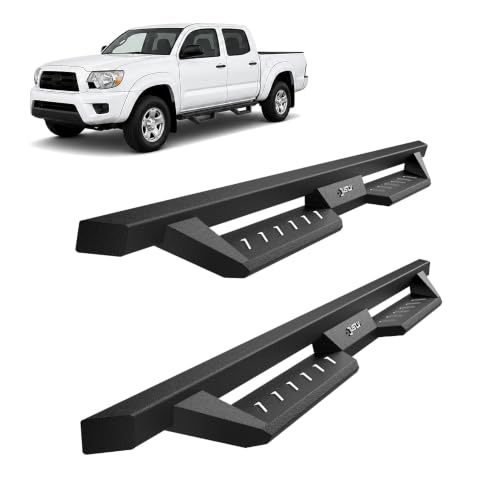
- Aftermarket Add-ons: Installing a 150lb steel bumper or a heavy-duty bed rack directly subtracts that weight from your available payload.
- Payload vs. Towing: Payload is what you put in the truck; towing capacity is what you pull behind it. However, the tongue weight of a trailer counts toward your payload capacity.
- Suspension Modifications: Adding helper springs or air bags may improve the “look” of the truck under load, but it does not legally increase your manufacturer-certified GVWR or payload limit.
- Tire Load Index: Ensure your replacement tires meet or exceed the factory load index rating. Using a tire with a lower load index can create a safety hazard, even if the truck is below the weight limit.
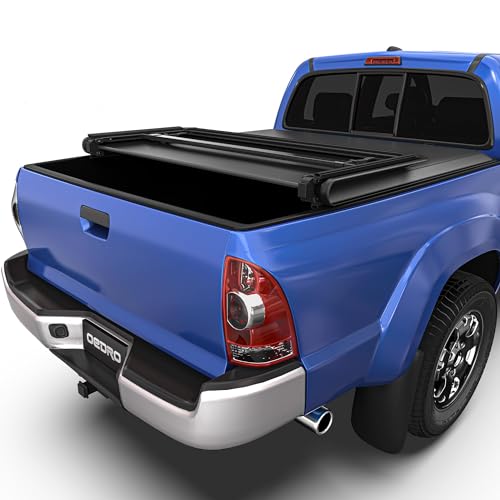
A camper shell or a tonneau cover significantly adds to the truck’s curb weight. Because the GVWR remains fixed, these items effectively lower the amount of cargo you can legally carry in the bed or cab.
Managing Risks When Exceeding Toyota Tacoma Payload Limits
Exceeding your truck’s payload capacity is more than just a performance issue; it is a critical safety matter. Overloading induces severe stress on the suspension system and frame, leading to premature failure of leaf springs and bushings.
✅ Safety Benefits
- Predictable braking distances.
- Proper steering geometry and control.
- Increased longevity of drivetrain components.
❌ Risks of Overloading
- Reduced stability and increased rollover risk.
- Excessive ‘axle squat’ impacting headlight aim.
- Potential insurance claim denial in the event of an accident.
Frequently Asked Questions
Recommended Best Deal Products


Does my towing package increase my payload?
No. While the tow package upgrades cooling and transmission components to handle heavier trailers, it does not change the physical GVWR of the truck.
Can I ignore the sticker if I install heavy-duty springs?
No. The payload capacity is a legal rating determined by the manufacturer. Modifying the suspension does not change the GVWR assigned to your VIN.

Audible — Listen Free for 30 Days
One free credit a month and thousands of titles included.
Listen Free for 30 DaysIf you frequently carry heavy loads near your capacity limit, invest in a set of quality load-range tires and ensure they are inflated to the door-sticker pressures to maintain optimal handling safety.
Payload is individual to your VIN, not just your model year. The yellow door jamb sticker is your primary source of truth, and every aftermarket add-on subtracts from your total capacity. Ignoring these limits risks suspension failure and creates serious safety issues. Check your door sticker today and ensure your next adventure stays within your truck’s safe operating limits.