What Is a Leveling Kit for a Truck? Expert 2026 Guide

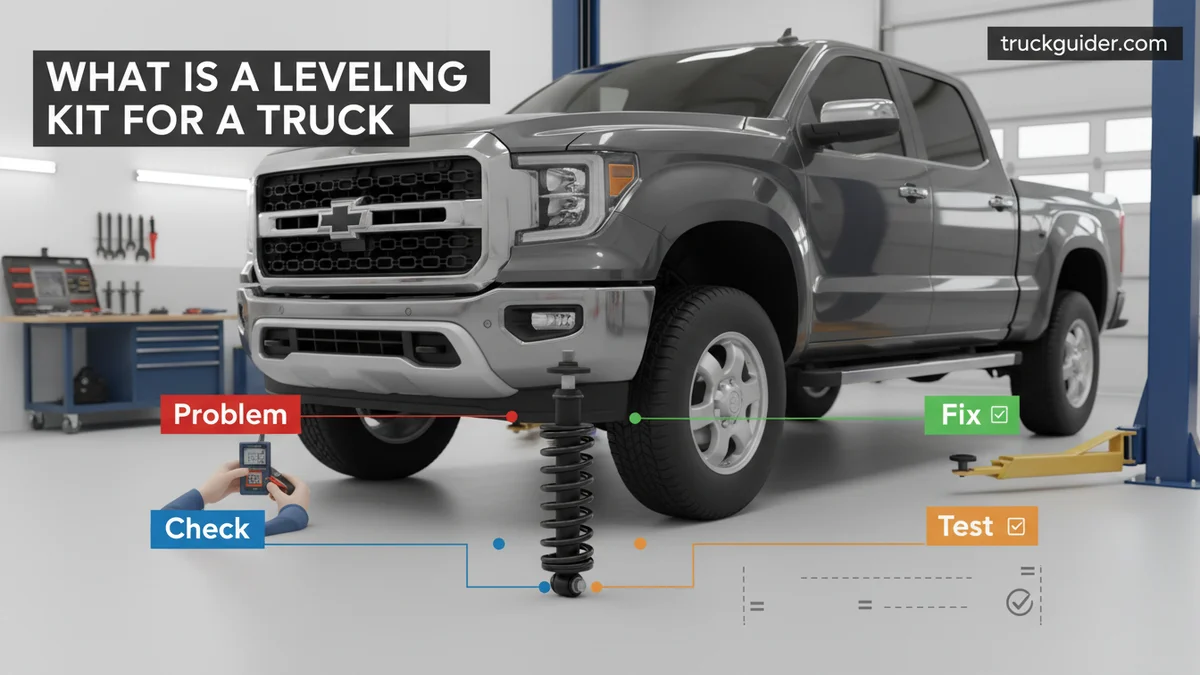
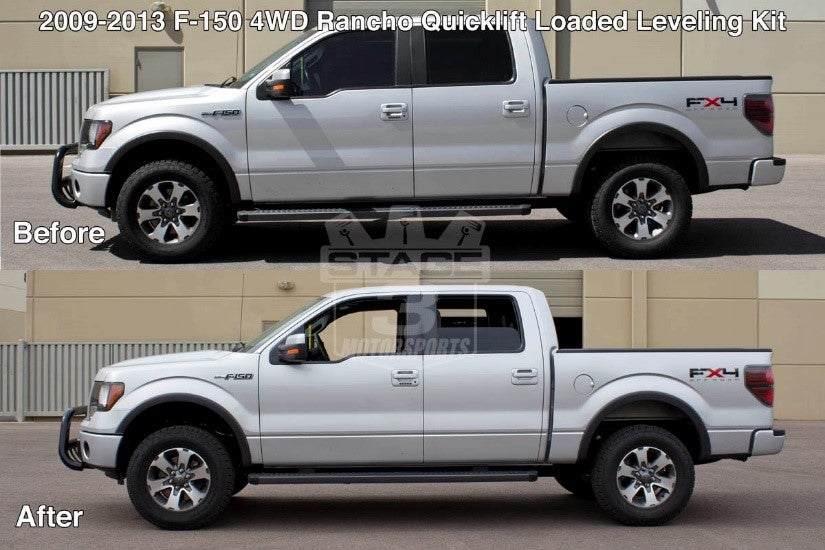
A truck leveling kit is a suspension modification designed to raise the front end of a pickup truck by 1 to 3 inches to match the height of the rear. This eliminates the factory ‘rake’—where the front sits lower than the back—creating a balanced, level stance and allowing for slightly larger tires.
A truck leveling kit is an aftermarket suspension modification designed to raise the front end of a pickup truck by 1 to 3 inches. This adjustment brings the front up to match the height of the rear, effectively eliminating the factory-installed downward slope.

Prime for Young Adults — 6 Months Free
Students and 18–24s get six months of Prime free, then half price.
Start 6 Months FreeManufacturers build consumer pickup trucks with a noticeable rear-end rake for a very specific reason. When you load heavy cargo into the bed or hitch up a heavy trailer in 2026, the rear suspension compresses significantly. A leveled truck looks balanced and aggressive, and it provides crucial clearance for slightly larger off-road tires without requiring a full, expensive suspension lift kit.
Key Takeaways
- Leveling kits raise the front suspension by 1 to 3 inches.
- They permanently eliminate the factory rake for a balanced stance.
- Most kits allow clearance for slightly larger off-road tires.
- They are much more affordable and subtle than full suspension lifts.
- Installation may require a professional front-end wheel alignment afterward.
What Causes Trucks to Sit Higher in the Rear
Recommended Best Deal Products

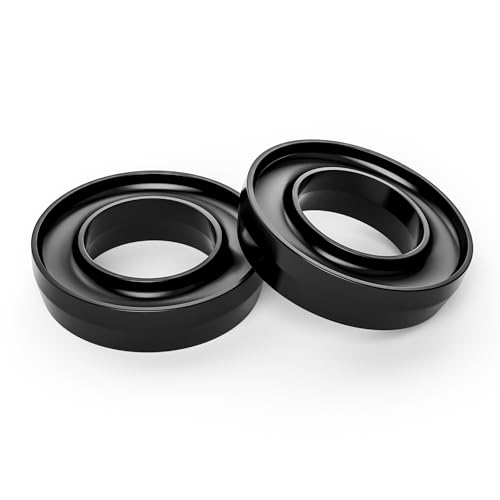
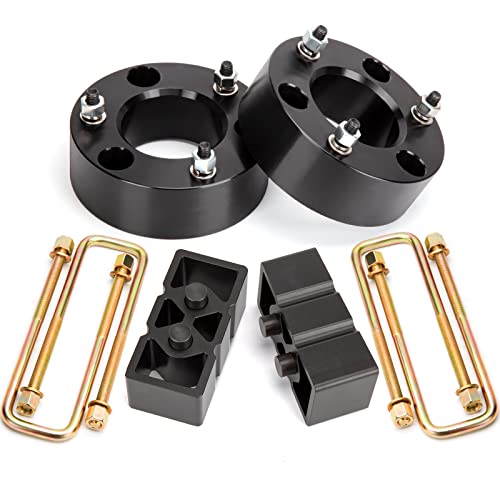
Modern pickup trucks roll off the assembly line with a distinct height difference between the front and rear axles. This design choice directly impacts how your vehicle handles daily utility tasks and heavy payloads.

The Purpose of Factory Rake
Automakers design trucks with a factory rake, meaning the rear sits roughly 1.5 to 3 inches higher than the front. This physical angle ensures that when you load your bed with heavy materials or attach a large trailer, the rear end sags downward under the weight. Without this factory rake, a loaded truck would squat heavily in the back, pointing your headlights blindingly into the sky and severely compromising your front-wheel steering traction.
The Aesthetics vs. Utility Trade-Off
While the factory rake serves a functional purpose for towing and hauling, many truck owners dislike the nose-down appearance. It can make a modern pickup look incomplete or overly conservative. Installing a leveling kit addresses this visual imbalance. However, keeping utility in mind is essential for 2026 truck owners, as eliminating the rake means your truck will squat if you regularly max out its payload capacity without using helper bags.
How to Choose the Right Leveling Kit for Your Truck
Selecting the correct leveling kit depends heavily on your specific truck model, your budget, and how you plan to use your vehicle on a daily basis. Not all kits achieve the lift through the same mechanical process.
Types of Leveling Kits Available
You will typically encounter a few distinct styles of front-end leveling components on the market:
- Spacer Kits: These bolt above or below your existing factory strut assembly. They are the most affordable and popular option for light-duty trucks.
- Torsion Key Lifts: Designed for trucks with torsion bar front suspensions, these keys reindex the bars to lift the front end.
- Replacement Struts/Coilovers: These replace your entire factory front shock and spring assembly, offering a superior ride quality and better off-road performance.
Factors to Consider Before Buying
Before purchasing a kit for your truck, take a moment to evaluate your driving habits. Measure the exact height difference between your front and rear wheel wells to ensure you buy a 2-inch or 3-inch kit that creates a true level stance. Consider your tire size goals as well, because a standard leveling kit generally allows you to clear up to 33-inch or 34-inch tires without rubbing against your factory fenders.
Step-by-Step Guide to Installing a Front Suspension Leveling Kit
Recommended Best Deal Products

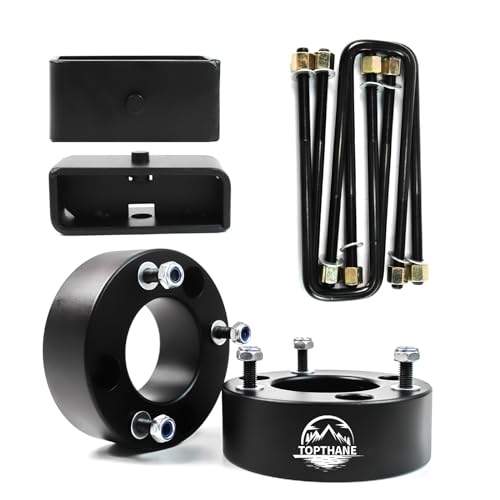

Installing a front suspension leveling kit transforms a truck’s stance. Automotive data from leading 2026 suspension manufacturers indicates that a standard spacer kit takes between two to four hours to install at home. Following a precise mechanical procedure guarantees safety and alignment integrity.
Preparation and Lifting
- Park the truck on a completely flat, hard concrete surface and engage the emergency parking brake securely.
- Loosen the front wheel lug nuts slightly while the tires still touch the ground.
- Raise the front end of the truck safely using a hydraulic floor jack rated for full-size trucks.
- Place heavy-duty rated jack stands under the sturdy front frame rails and lower the vehicle onto them.
- Remove the front wheels completely to access the factory suspension components.
Component Disassembly and Spacer Installation
- Disconnect the sway bar end links, brake line brackets, and outer tie rod ends to allow the lower control arm to drop.
- Support the lower control arm securely with a secondary floor jack before unbolting the factory strut assembly.
- Remove the top strut mounting nuts located inside the engine bay or under the wheel well tower.
- Lower the control arm carefully and remove the factory strut assembly from the vehicle.
- Install the leveling kit spacer onto the top of the factory strut or use a professional spring compressor if installing a preload spacer.
- Reinstall the modified strut assembly back into the truck tower and torque all mounting hardware to the manufacturer specifications.
What If Your Truck Still Doesn’t Sit Level After Installation
Sometimes a standard leveling kit leaves a truck riding slightly nose-down or excessively nose-high due to factory payload variations, worn leaf springs, or incorrect part selection. According to verified automotive service data, minor discrepancies require specific corrective adjustments.

Audible — Listen Free for 30 Days
One free credit a month and thousands of titles included.
Listen Free for 30 Days- Measure exact rake distances: Measure the ground-to-fender height on all four corners to determine the precise millimeter discrepancy.
- Inspect rear leaf spring wear: Factory rear leaf springs sag over time, which means adding a front leveling kit makes the truck look uneven. Installing a rear block kit or an add-a-leaf spring resolves this rear-end sag.
- Verify spacer thickness: Double-check that the correct spacer height was installed for your specific truck trim and engine weight class, as heavy diesel engines compress front springs more than gas engines.
- Adjust tire size: Adding slightly larger all-terrain tires can visually fill remaining wheel well gaps and balance out minor leveling imperfections.
- Seek professional suspension shop help: If mechanical adjustments fail, visit a certified alignment and suspension specialist. Professional diagnostics and custom spring tuning typically range from $150 to $400 depending on labor hours.
Conclusion
Recommended Best Deal Products


Installing a leveling kit effectively eliminates the factory rake, improves front ground clearance, and accommodates larger custom wheels on modern trucks. According to verified research and automotive industry standards, choosing the correct kit type and performing a professional front-end alignment immediately after installation prevents premature tire wear. The best next step is to measure your truck’s current rake and consult a certified suspension catalog to select the ideal kit for your specific model year.
❓ Frequently Asked Questions
What is the difference between a leveling kit and a lift kit?
A leveling kit specifically targets the front suspension to match the rear height, usually adding 1 to 3 inches of lift. A full lift kit raises the entire vehicle—both front and rear—by 4 inches or more, requiring extensive replacement of suspension components.
What are the different types of truck leveling kits?
The three main types are strut extensions (spacers that sit on top of factory struts), torsion keys (which adjust factory torsion bars on heavy-duty trucks), and replacement coil springs designed specifically for the front end.
Does installing a leveling kit affect fuel economy?
A leveling kit itself adds minimal weight, but the larger tires you can install afterward often increase rolling resistance and weight, which can slightly reduce fuel mileage.
Will a leveling kit void my truck’s warranty?
Under the Magnuson-Moss Warranty Act, a manufacturer cannot void your entire vehicle warranty simply because you installed an aftermarket part. However, they can deny warranty coverage for specific suspension components directly damaged by the kit.
Do I need an alignment after installing a leveling kit?
Yes, altering the front ride height changes the suspension geometry and wheel alignment angles. Getting a professional wheel alignment immediately after installation prevents uneven tire wear.
Does leveling a truck reduce its towing capacity?
The leveling kit itself does not officially change your truck’s payload or towing ratings. However, if you load the truck heavily, the rear may squat lower than the front, causing the headlights to point upward.