1992 Ford Ranger Fuse Box Diagram: Layouts, Yearly Variants, and Troubleshooting Mapped Out

Finding the correct 1992 Ford Ranger fuse box diagram is the most effective way to resolve common electrical failures, from flickering instrument clusters to non-functional cigarette lighters. Because these trucks utilize two distinct power distribution centers—one under the dashboard and one within the engine bay—identifying your specific circuit is essential for safe troubleshooting and repair.

How to Read This Chart
The table above outlines standard configurations found in the 1992 model year. The “Amperage” column specifies the maximum load the fuse can handle before triggering a blowout. Always match these ratings exactly; using a higher amperage fuse than specified can cause permanent wiring harness damage or electrical fires.

Note that your specific vehicle trim (e.g., XL, XLT, or STX) or engine configuration (2.3L vs. 4.0L) may result in variations for auxiliary circuits like trailer tow packages or premium sound systems. Always verify against the plastic cover map located on the interior fuse panel door.
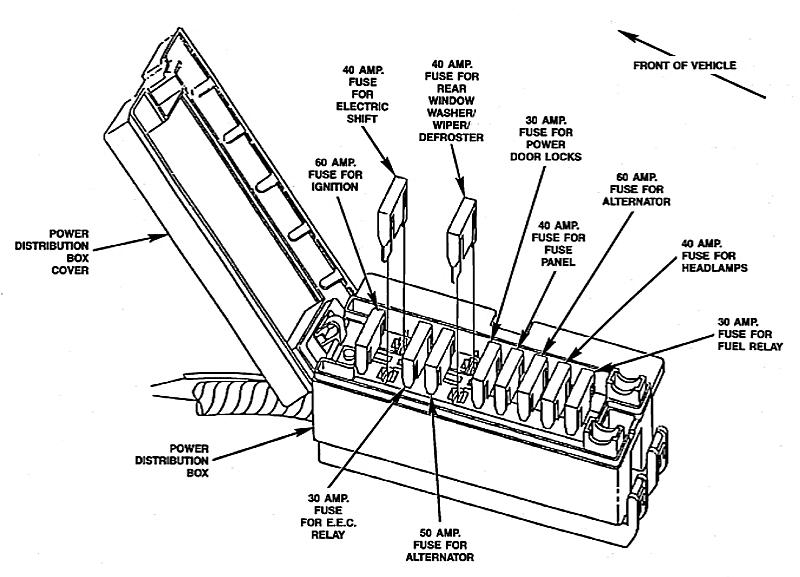
Understanding Features of the 1992 Ford Ranger Fuse Box Diagram
Recommended Best Deal Products


The primary advantage of having the correct 1992 Ford Ranger fuse box diagram is the ability to isolate specific electrical gremlins without tearing apart your dashboard. These diagrams serve as a map, identifying the location of each fuse by slot number, which is physically printed on the plastic housing of the block.

By comparing your symptoms against the diagram features, you gain the ability to perform precise maintenance. For instance, if your blower motor fails, you know exactly which 25A slot to inspect rather than blindly testing every fuse in the panel. This efficiency is a massive advantage for DIY owners.
Common 1992 Ford Ranger Fuse Box Diagram Problems and Fixes
Electrical issues in older trucks are often linked to oxidation or loose connections rather than just blown fuses. If a fuse appears fine but the component fails to engage, the disadvantage may lie in the relay contacts or the female terminals within the block itself.
When investigating, check for signs of “melting” on the plastic block. High-resistance connections create heat, which can soften the plastic and lead to intermittent power delivery. If you observe discoloration, you should consider replacing the fuse block unit to prevent future system failures or short circuits.
📋
How to Read the 1992 Ford Ranger Fuse Box Diagram Step by Step
Recommended Best Deal Products


The interior panel is located on the driver-side kick panel under the dash. The engine bay power center is typically mounted near the battery or inner fender.
Use the diagram on the backside of the plastic fuse door cover. It lists each slot by number and the corresponding electrical load capacity in amps.
Use a fuse puller to remove the suspect fuse. If the internal metal wire is broken or charred, replace it with a new fuse of identical amperage.

Audible — Listen Free for 30 Days
One free credit a month and thousands of titles included.
Listen Free for 30 DaysSpecifications and Safety for Electrical Repairs
When choosing replacement fuses, always ensure they are rated for the correct voltage and amperage. The specifications for your 1992 Ford Ranger are optimized for the factory wiring gauge. Replacing a 10A fuse with a 20A version is a common disadvantage that leads to “winner-take-all” failures where wires melt before the fuse blows.
Always disconnect the negative battery terminal if you are working near the main engine bay power distribution center. This prevents accidental shorts against the metal chassis, which could fry sensitive engine control unit (ECU) components or cause an immediate, dangerous electrical discharge.
✨ Key Benefits of Using Verified Diagrams
Recommended Best Deal Products


Reduced Repair Time
Eliminate guesswork by knowing exactly which circuit powers each accessory, saving hours of manual multimeter testing.
System Longevity
Properly matching amperage keeps factory wiring cool and prevents the premature degradation of the electrical harness.
1992 Ford Ranger Fuse Box Diagram Questions Answered
Can I use a higher amp fuse if the current one keeps blowing?
Absolutely not. If a fuse keeps blowing, it indicates a short circuit or an excessive load in that system. Replacing it with a higher amp fuse removes the safety barrier, which will likely result in a fire caused by overheating wires.
Are the interior and engine bay fuses identical?
No. While they may use similar blade-style fuses, the physical location and the specific circuits they protect are different. Always check the labels on the panel covers.
Where is the cigarette lighter fuse located?
In most 1992 models, the cigarette lighter is on the interior fuse panel. Look for the label identifying the “Cigar” or “Aux” circuit, typically rated at 20 amps.
🔎 How to Find Your Specific Fuse Configuration
Every 1992 Ford Ranger features a factory-stamped diagram on the interior of the fuse box cover. If your cover is missing, check your specific owner’s manual. If you have an aftermarket trailer hitch or lighting added, these often include inline fuses not found on the stock diagram; always trace those red or yellow wires back to find the associated fuse.
Audible Premium Plus — Annual Membership
12 audiobook credits up front, plus the full Audible catalogue.
See Annual PlansWhat If It Still Doesn’t Work?
If you have replaced the fuse and the issue persists, follow these diagnostic steps to narrow down the failure:
- Use a test light to check if power is reaching the fuse terminals. If there is no power at the terminal, the fault is upstream in the wiring harness.
- Inspect the relay associated with that circuit. Relays often click when engaged; if yours is silent, it may be faulty.
- Check the component itself. A failed fuel pump or burnt-out headlight bulb can look like a wiring issue.
- Consult a professional technician if you suspect a damaged main wiring harness, as this requires specialized continuity testing.
Never attempt to bridge a fuse connection with foil or wire. This is a severe fire hazard that bypasses the only protection for your truck’s expensive electronics.
Conclusion
Successfully navigating your 1992 Ford Ranger electrical system relies on using accurate documentation. By following the factory-recommended fuse ratings and verifying your circuit layout through the diagrams provided in your service manual or the interior cover, you ensure your truck remains both reliable and safe. When electrical gremlins persist, prioritize inspecting the relay and wiring integrity before assuming a component failure. By staying informed, you ensure you remain the winner in the battle against common vintage vehicle maintenance issues.
Key Takeaways
-
✓
Locate the interior fuse panel under the dashboard on the driver’s side. -
✓
Identify the engine bay power distribution box for high-amperage circuit protection. -
✓
Compare 1991-1993 fuse layouts to avoid misidentifying circuits during repairs. -
✓
Understand the pros and cons of original equipment versus aftermarket fuse replacements. -
✓
Review critical variables like engine size that alter specific relay placements.
❓ Frequently Asked Questions
1
What is a 1992 Ford Ranger fuse box diagram?
A 1992 Ford Ranger fuse box diagram is a technical schematic that identifies the exact location and function of every fuse and relay within the vehicle. It serves as a roadmap for owners to trace electrical paths for lights, the fuel pump, ignition, and accessories, ensuring safe maintenance and troubleshooting.
2
How does the fuse box in the 1992 Ranger work?
The fuse box acts as a centralized safety hub. It houses fuses that break the circuit if current exceeds the intended limit, preventing damage to the wiring harness and electrical components. Relays act as remote-controlled switches, allowing low-current signals from the cab to control high-current components like starter motors or headlights.
3
Why is the 1992 Ranger fuse diagram important?
Having the correct diagram is critical because electrical systems can vary by trim level and engine size. Without the diagram, diagnosing a blown fuse is guesswork. Using the wrong slot can lead to misdiagnosis, unnecessary part replacement, or even short circuits that damage the vehicle’s electrical infrastructure during testing.
4
What are the benefits of using a proper fuse diagram?
The primary benefits include reduced diagnostic time, increased safety, and cost savings. By identifying the exact circuit, you avoid the disadvantages of random testing. It ensures that you replace components only when necessary, adhering to manufacturer specifications for current draw and system protection throughout the truck’s operational life.
5
How can I get started with electrical diagnosis?
Begin by consulting the diagram to locate the specific fuse for the non-functional part. Visually inspect the fuse for a broken metal bridge. If it appears intact, use a multimeter or test light to check for voltage. Always disconnect the battery if you are performing major electrical work to ensure safety.
6
Where is the fuse box located on a 1992 Ford Ranger?
Explain both locations: the interior panel is on the driver’s side dashboard (remove side cover with door open), and the engine bay box is on the driver’s side fender well.