1996 Dodge Ram 1500 Transmission Problems: Expert Diagnosis

The 1996 Dodge Ram 1500 remains a staple of American truck history, prized for its rugged styling and powerful Magnum engines. However, as these vehicles age, owners frequently encounter performance concerns related to the drivetrain. Understanding 1996 Dodge Ram 1500 transmission problems is essential for any enthusiast looking to maintain the longevity of their pickup. Whether you are dealing with sluggish shifting, transmission fluid leaks, or total gear failure, gathering accurate facts and insights is the first step toward a cost-effective repair. This guide provides a detailed overview of common failure points, diagnostic steps, and expert advice to ensure your truck stays roadworthy well into 2026.


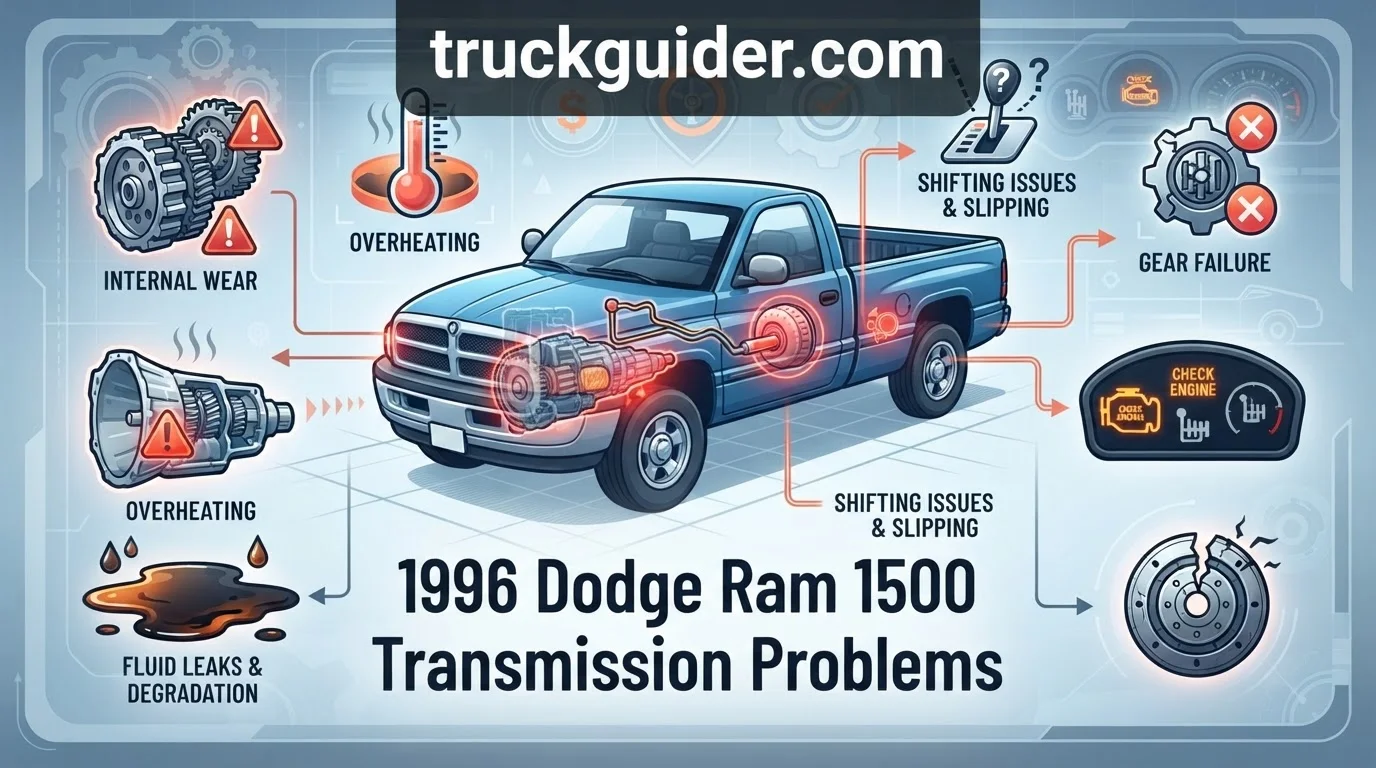
Insights Into 1996 Dodge Ram 1500 Transmission Problems
The 1996 model year primarily utilized the 46RE electronic 4-speed automatic transmission. Unlike earlier hydraulic versions, the RE series introduced electronic controls for overdrive and torque converter lockup. While this improved fuel efficiency, it also introduced new points of failure. Thermal breakdown of the transmission fluid is the leading cause of internal component degradation in these trucks. Because the 1996 Dodge Ram 1500 was often used for towing and heavy hauling, the transmission frequently operated at temperatures that exceeded the design capacity of the factory cooling system, leading to premature wear on clutch packs and seals.
Common 1996 Dodge Ram 1500 Transmission Problems and Failures
Understanding the specific technical details of how these transmissions fail can help you distinguish between minor maintenance needs and major overhauls.
Diagnostic Guide: Investigating 1996 Dodge Ram 1500 Transmission Problems
Always start with the dipstick. If the fluid is dark brown or emits a burnt smell, your clutch material is likely disintegrating, and a flush may cause more harm than good.

Use an OBD-II scanner to pull transmission-specific codes. Common codes like P0753 (Shift Solenoid) indicate electrical issues rather than internal mechanical failure.
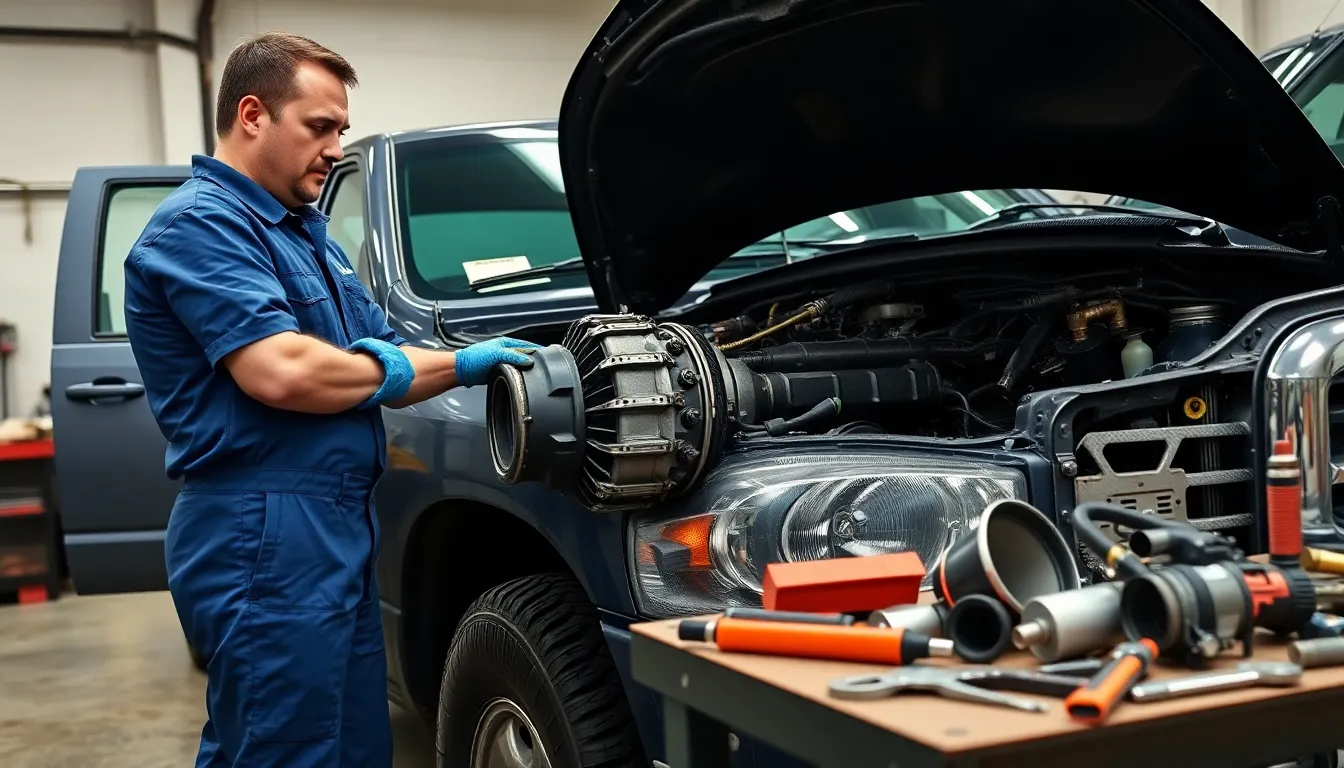
Many shifting issues can be resolved by correctly adjusting the front and rear bands. This is a critical maintenance step often overlooked during routine servicing.


✨ Key Benefits of Proactive Transmission Maintenance
Extended Vehicle Life
Regular cooling and fluid changes keep internal friction to a minimum, preserving the transmission housing and gears for hundreds of thousands of miles.
Improved Fuel Efficiency
A transmission that shifts correctly and maintains lockup ensures that engine power is transferred efficiently to the wheels, saving you money at the pump.
The 1996 Dodge Ram 1500 used the A518 (46RE) transmission. Adding an external transmission cooler is the single most effective way to prevent the most common heat-related failures seen in this specific model year.
🔎 How to Find Your Transmission Tag and Specs
To ensure you purchase the correct parts, you must identify the exact transmission variant. Look for a metal tag riveted to the passenger side of the transmission case. This tag contains the assembly number. If the tag is rusted or missing, check your VIN at a local dealership; they can print a “build sheet” that specifies exactly which transmission was installed at the factory for your specific truck trim.
What If It Still Doesn’t Work? Fallback Steps
If you have performed the band adjustments, replaced the solenoid, and changed the fluid, but the truck still fails to shift properly, consider these fallback steps:



1. Electrical Inspection: Inspect the transmission wiring harness for corrosion or shorts. A bad connection can mimic a total mechanical failure.
2. Torque Converter Check: If the truck stalls when coming to a stop, the torque converter clutch may be stuck in the locked position.
3. Valve Body Rebuild: If debris from past wear is lodged in the valve body, a simple fluid change won’t fix it. A professional valve body rebuild may be required.
4. Professional Consultation: When in doubt, seek a certified technician specializing in vintage Chrysler transmissions. A total rebuild for these units typically ranges between $1,800 and $2,800 depending on your region.
Never perform transmission work on a vehicle that is not securely supported by jack stands. Never rely solely on a hydraulic jack while underneath the vehicle to perform transmission pan drops or band adjustments.
Addressing 1996 Dodge Ram 1500 transmission problems requires patience and an understanding of the vehicle’s specific mechanical architecture. By focusing on fluid quality, band adjustments, and cooling efficiency, you can resolve most common issues before they necessitate a costly rebuild. This overview is based on decades of collective automotive repair research and owner experience. If your transmission shows signs of metallic shavings in the pan or total lack of engagement in multiple gears, prioritize a professional inspection immediately to prevent further damage to the transfer case or drivetrain. Keeping these facts in mind will ensure your truck remains a reliable workhorse.
❓ Frequently Asked Questions
1
What is the most common transmission for the 1996 Dodge Ram 1500?
The 1996 Dodge Ram 1500 was typically equipped with the 46RE electronically controlled four-speed automatic transmission. This unit replaced the older hydraulic-only A518 and requires specific electronic diagnostics, making it essential to use a scan tool when evaluating performance issues or shift timing concerns.
2
How does the governor pressure solenoid cause transmission issues?
The governor pressure solenoid regulates fluid pressure to control shift timing. When it fails, the transmission may remain in the wrong gear, fail to shift, or enter ‘limp mode.’ Replacing this solenoid is a common repair that often restores proper functionality without requiring a full transmission rebuild.
3
Why is transmission overheating a problem in this model?
The factory cooling system on the 1996 Ram 1500 is often insufficient for heavy towing or high-mileage wear. Excessive heat breaks down transmission fluid, causing seals to harden and friction material to delaminate. Managing temperatures with an auxiliary cooler is vital for long-term reliability and component health.


4
What are the benefits of performing regular transmission maintenance?
Regular maintenance, including fluid and filter changes, removes metal shavings and debris that cause internal scarring. This preventive approach provides key insights into the wear status of your transmission, helping you avoid catastrophic mechanical failure and costly emergency repairs while keeping the internal hydraulic circuits clean and efficient.
5
How can I get started with diagnosing my transmission issues?
Start by checking the fluid level and color; burnt or dark fluid indicates internal damage. Next, use an OBD-II scanner to pull trouble codes. Document all symptoms—such as slippage or harsh shifts—and compare them with known technical service bulletins to decide if the repair is a DIY task or professional job.
![Ram 8 Speed Transmission Engineering, Performance, [2026]](https://truckguider.com/wp-content/uploads/2026/03/featured-558af40c-768x432.webp)