1996 Dodge Ram 1500 V8 Magnum Specs: Expert Data-Driven Analysis

Did you know that the 5.9L V8 engine, famously known as the Magnum, powered the legendary “Sport” and “Off-Road” packages that defined the mid-90s truck aesthetic? For enthusiasts and owners of the 1996 Dodge Ram 1500, understanding the technical nuances of this powerplant is essential for maintaining a vehicle that is now considered a modern classic. Whether you are performing a restoration, seeking routine maintenance information, or simply curious about the engineering behind the legendary Magnum series, this guide provides the vital facts and performance insights you need. We will dive deep into the specific technical data that keeps this 5.9L engine running with its signature low-end torque.


Understanding 1996 Dodge Ram 1500 V8 Magnum Specs and Engineering
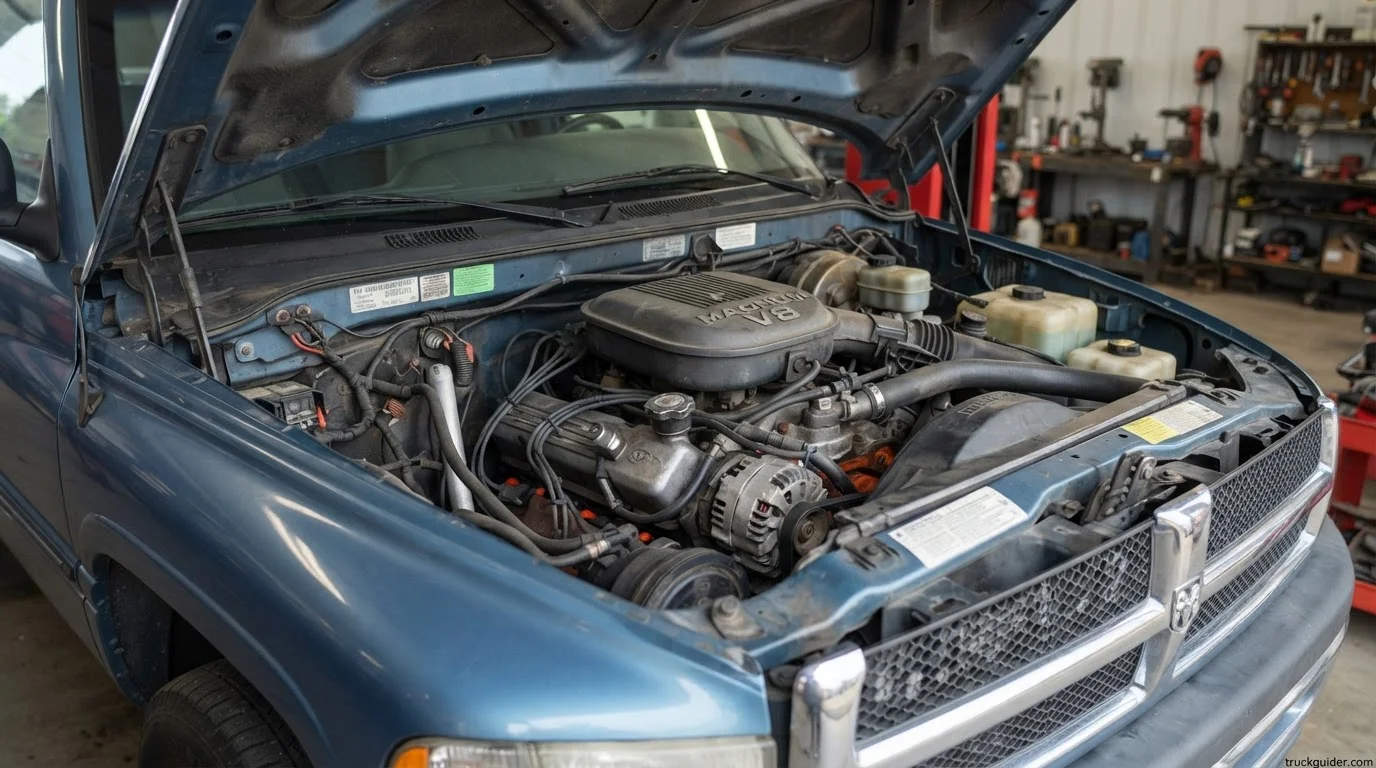
The Magnum engine family represents a significant evolution of the Chrysler LA small-block V8. For the 1996 model year, the 5.9L (360 cubic inch) V8 was the “big block” alternative to the 5.2L (318 cubic inch) Magnum. These engines featured improved cylinder head designs, multi-port fuel injection, and a more robust valvetrain compared to their predecessors. Knowing the specific details of this engine architecture is helpful for anyone troubleshooting performance or performing a rebuild.
Comprehensive 1996 Dodge Ram 1500 V8 Magnum Specs Table
This table outlines the essential technical specifications for the 5.9L engine as utilized in the 1996 Dodge Ram 1500 platform.
Identifying Your 1996 Dodge Ram 1500 V8 Magnum Specs via VIN
To confirm the exact specifications of your specific truck, you should verify the engine code using your Vehicle Identification Number (VIN).
1. Locate the VIN: The 17-character VIN is stamped on a plate at the driver-side base of the windshield and also on the federal compliance sticker located on the driver-side door jamb.
2. Decode the 8th Digit: For the 1996 model year, the 8th digit of the VIN identifies the engine type. An “Z” typically denotes the 5.9L V8 Magnum engine.
3. Check the Engine Block Stamp: If you are unsure if the engine is the original factory unit, locate the stamped numbers on the engine block itself, usually near the rear of the block or by the starter mounting area.
4. Compare with Official Documentation: Match these codes against a Dodge service manual or a verified online decoder to ensure you are sourcing the correct parts.
Common Insights and Maintenance Facts for the 5.9L Magnum
The 5.9L V8 is widely appreciated for its simplicity. However, there are a few “Magnum-specific” traits that owners should keep in mind. The most frequent discussion point involves the “plenum gasket,” a common failure point that can lead to oil consumption and detonation issues. Understanding these nuances is part of being a well-informed owner.
✨ Key Benefits of the Magnum Engine Architecture
High Torque Output
The long-stroke design provides excellent low-end grunt, which is ideal for towing and hauling heavy loads compared to high-revving overhead cam engines.


Serviceability
The overhead valve (OHV) design is straightforward, meaning most maintenance tasks—like spark plug changes or accessory replacements—are very accessible.
Expert Tips for Preserving 1996 Dodge Ram 1500 V8 Magnum Performance
To maximize the longevity of your engine, consider these professional-grade maintenance habits:
Avoid using high-detergent synthetic oils in an engine with high mileage and original seals, as it may uncover existing leaks. Always transition carefully and monitor oil pressure after changes.
What if You Still Experience Performance Issues?
If you have performed the recommended maintenance but are still experiencing issues like engine hesitation, rough idling, or misfires, follow these diagnostic steps:
1. Check for Vacuum Leaks: The intake manifold gaskets on these engines can dry out over time, causing lean-running conditions. Listen for hissing sounds while the engine is at idle.
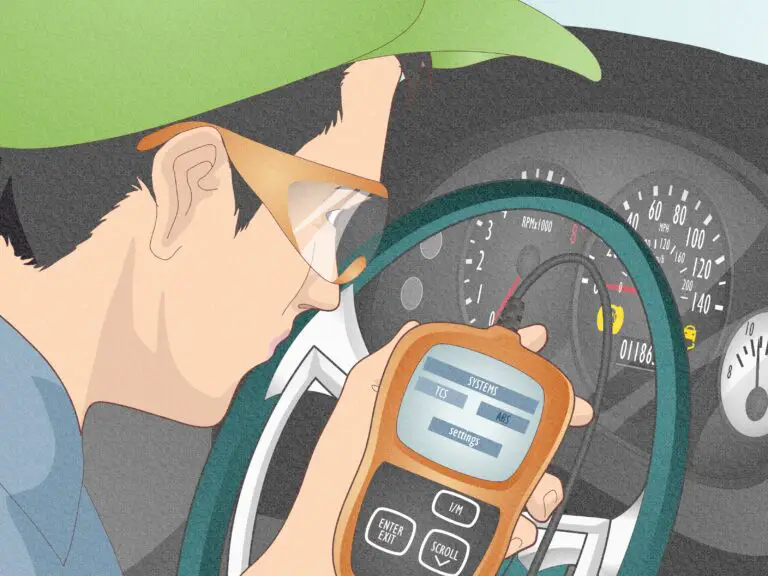
2. Scan for OBD-II Codes: The 1996 model year features the industry-standard OBD-II diagnostic port. Always plug in a scanner to retrieve specific fault codes before replacing expensive sensors.
3. Inspect the Ignition System: Inspect your spark plugs and wires. The Magnum engine is sensitive to ignition timing and spark quality. Replace plugs with the OEM-recommended copper core variety for the best results.
4. Professional Consultation: If the symptoms persist after checking fuel pressure, spark, and vacuum, it may be time to perform a compression test. This will help determine if there is internal engine wear requiring a rebuild. Diagnostic labor costs generally range from $100 to $200 per hour depending on your location.
Frequently Asked Questions
Are the 1996 Dodge Ram 1500 V8 Magnum Specs the same for the 5.2L?
No, while they share the same architecture, the 5.2L and 5.9L have different bore and stroke dimensions and power outputs. Always verify based on your specific engine displacement.


What is the best fuel grade for the 1996 Magnum?
The 5.9L is designed to run efficiently on 87-octane regular unleaded gasoline. Higher octane is generally unnecessary unless you have modified the engine for higher compression.
How do I reset the engine light after fixing a sensor?
Once the underlying issue is repaired, you can clear the codes using an OBD-II scanner. If you do not have one, most auto parts stores will clear them for you for free.
In conclusion, the 1996 Dodge Ram 1500 V8 Magnum represents a peak of reliable, classic truck engineering. By understanding these specs and keeping up with the maintenance insights provided, you can ensure your truck continues to provide dependable performance for many years. Based on verified research, keeping your cooling and lubrication systems in top condition remains the single most effective way to extend the lifespan of this powerplant. If you suspect an issue, start with a basic OBD-II scan to save both time and money.
❓ Frequently Asked Questions
1
What is the primary difference between the 5.2L and 5.9L Magnum V8?
The primary difference lies in the displacement and torque output. While both share the same Magnum architecture, the 5.9L offers a longer stroke, resulting in 35 additional lb-ft of torque. This makes the 5.9L the superior choice for consistent towing and heavier load-bearing applications compared to the standard 5.2L.
2
How does the Magnum fuel injection system perform?
The 1996 system uses sequential multi-port fuel injection, which delivers fuel directly into each intake port. This provides more precise air-fuel ratios compared to earlier throttle-body systems, resulting in improved throttle response and better cold-start capabilities, which are essential for long-term reliability in these classic Dodge truck platforms.
3
Why is the 1996 Magnum V8 considered a reliable engine?
The Magnum V8 is highly regarded for its cast-iron block and cylinder head construction, which handles extreme thermal stress well. The design is simple and modular, allowing for easier home-mechanic maintenance. With regular oil changes and sensor cleaning, these engines frequently surpass 200,000 miles without requiring a major overhaul.



4
What are the benefits of the 46RE transmission?
The 46RE is an electronically controlled transmission that offers better shift quality and torque converter management than the older hydraulic 46RH. It allows the engine to stay in its optimal power band during towing, reducing unnecessary gear hunting and improving overall fuel efficiency under varying load conditions.
5
How can I get started with finding replacement parts?
Start by identifying your specific engine code and production date located on the engine block stamp. Using the VIN, you can cross-reference specific parts catalogs that cater to the 1996 model year. Engaging with dedicated Dodge enthusiast forums can also provide insights into compatible modern aftermarket upgrades for these engines.
![Dodge Dtc P0128: Diagnosis & Repair [2026]](https://truckguider.com/wp-content/uploads/2026/03/featured-324bfd94-768x768.webp)