P062A Ram 1500: Diagnosing Fuel Pump Control Module Issues [2026]

The P062A diagnostic trouble code signifies a range or performance issue with the Fuel Pump Control Module (FPCM), which is critical for maintaining fuel pressure. On Ram 1500 trucks, this is frequently caused by corroded wiring harnesses near the rear axle or a faulty TIPM relay rather than the pump itself.
🎯 Key Takeaways
- P062A indicates the Fuel Pump Control Module is operating outside expected parameters.
- Check for corrosion in the wiring harness located above the spare tire.
- A failing TIPM relay often causes intermittent power loss to the FPCM.
- Engine stalling and no-start conditions are the most common symptoms.
- Testing voltage at the module prevents unnecessary and expensive fuel pump replacements.
A P062A code on your Ram 1500 stands for Fuel Pump Control Circuit Range/Performance. This code indicates that the Powertrain Control Module (PCM) has detected a communication or performance mismatch with the Fuel Pump Control Module (FPCM). Unlike older trucks that use a simple relay to send constant power to the pump, your Ram uses a dedicated “brain” to vary the pump speed based on engine demand. When the PCM sends a command and the FPCM doesn’t respond correctly, the truck will likely stall, hesitate, or fail to start entirely.


Practically speaking, this code is often a “false flag” for the fuel pump itself. Many owners reflexively replace the pump, only to find the P062A code returns immediately. This issue is usually rooted in the control circuit logic, a corrupted signal, or a physical break in the wiring harness. Understanding how to differentiate between a dead pump and a failing controller will save you hundreds of dollars in unnecessary parts and labor.
Understanding the P062A Code and FPCM Functionality
The Fuel Pump Control Module (FPCM) is a solid-state device that acts as a middleman between the PCM and the fuel pump. It uses Pulse Width Modulation (PWM) to cycle the fuel pump on and off at incredibly high speeds. By varying the “on” time (duty cycle), the FPCM can precisely control fuel pressure without needing a return line to the tank. This increases the lifespan of the pump and improves fuel efficiency by reducing the electrical load on the alternator.
How the PCM Monitors the Circuit
The PCM constantly monitors the “feedback” or “diagnostic” line from the FPCM. If the PCM requests a 40% duty cycle but the FPCM reports that it cannot achieve that speed, or if the feedback signal goes flat (0V or a constant 5V/12V), the P062A code is triggered. This code is unique because it specifically points to a performance range issue. It means the circuit is technically “there,” but it isn’t behaving within the expected parameters. Key data points for this module include:
- VCC (Power Supply): Constant 12V supply, usually from the TIPM.
- Ground: A clean path to the chassis; high resistance here often triggers performance codes.
- PWM Signal: A square-wave signal from the PCM that tells the module how fast to run.
- Output to Pump: The actual modulated power sent to the fuel tank.
Differentiating Between Logic and Mechanical Failure
If you have a P062A along with a “Circuit High” or “Circuit Low” code, you are likely looking at a hard electrical break. However, a standalone P062A suggests the FPCM is struggling to execute a command. This usually happens when the module is overheated, internally shorted, or receiving “dirty” power due to a corroded ground. If the pump were mechanically seized, you would more likely see a P0627 or a blown fuse rather than a range/performance code.
Common Failure Points Specific to the Ram 1500 Platform
Ram 1500 trucks, particularly the 4th generation models (2009–2018), have specific architectural weaknesses that lead to the P062A code. The most notorious issue is the location of the FPCM and its exposure to the elements. Because these trucks are often used in work or off-road environments, the electrical infrastructure near the rear of the vehicle is under constant stress from moisture and road salt.
The Spare Tire Connector and Rear Harness
In many Ram 1500 configurations, the FPCM is mounted on a cross-member near the spare tire or above the rear axle. This area is a magnet for road debris. The connector pins often undergo galvanic corrosion, where the green crust (copper oxide) builds up inside the plug. This creates high resistance in the signal wire. Even a minor voltage drop of 0.5V can be enough to throw the PWM signal out of “range,” triggering the P062A. Check the harness specifically where it arches over the frame rail; it is a common spot for wires to rub thin and ground out.
The TIPM Internal Relay Failure
Your Ram features a Totally Integrated Power Module (TIPM), which is essentially a smart fuse box. On many 1500 models, the internal fuel pump relay is a known failure point. While a totally dead relay causes a no-start, a pitting or failing relay can provide inconsistent voltage to the FPCM. If the FPCM receives “stuttering” power from the TIPM, it cannot maintain the requested duty cycle to the pump. This inconsistency is interpreted by the PCM as a performance error. Common signs of this include:



- Intermittent stalling while driving at highway speeds.
- The truck starts fine in the morning but fails to start after a short trip.
- Clicking noises coming from the engine bay fuse box when the key is turned.
- A history of other electrical ghosts, like wipers or lights acting up.
Module Heat Soak
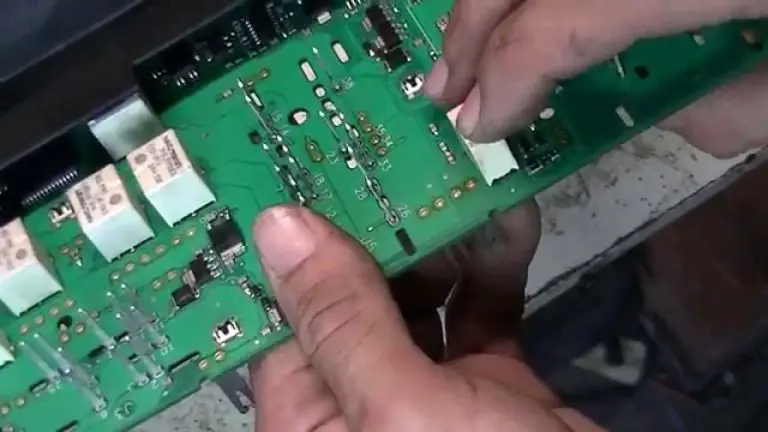
Because the FPCM manages high current to drive the pump, it generates significant heat. The module uses its metal backing as a heat sink. Over time, the thermal paste inside the module can degrade, or the mounting bracket can rust, reducing its ability to dissipate heat. If your P062A code only appears after the truck has been running for 30 minutes, the FPCM itself is likely failing due to internal heat soak.
Differentiating Between FPCM, Fuel Pump, and TIPM Failures
One of the biggest headaches with the P062A code is that it often feels like a “ghost in the machine.” While the code specifically points toward the Fuel Pump Control Module (FPCM) performance, the root cause could technically be any component in the fuel delivery circuit. Because these systems are interconnected, a failing pump can sometimes mimic a module failure, and vice versa.
Identifying Module vs. Mechanical Pump Issues
The FPCM is the “brain” that tells the pump how hard to work. If your Ram 1500 stalls intermittently but restarts after the module cools down, the FPCM is a prime suspect. Conversely, a failing mechanical fuel pump often provides warning signs like a loud whining noise from the fuel tank or a significant struggle to start the engine regardless of temperature. Here are a few ways to tell them apart:
- The “Prime” Test: When you turn the key to the ‘on’ position without cranking, listen for the pump. No sound often indicates a power delivery issue (FPCM or TIPM), whereas a sputtering sound usually points to the pump itself.
- Heat Sensitivity: FPCMs are notorious for failing when they get hot or if moisture gets into the housing, especially since they are often mounted in exposed areas under the truck.
- Wiring Integrity: Check the harness connector at the module. If you see green corrosion or melted pins, the module is likely fried due to a short rather than a mechanical pump failure.
The TIPM Factor in Ram Trucks
In many Ram 1500 models, the Totally Integrated Power Module (TIPM) acts as the gateway for power. If the internal fuel pump relay inside the TIPM fails, the FPCM won’t receive the voltage it needs to operate, triggering the P062A. If you find that there is no power reaching the FPCM at all, the issue might be buried in this expensive fuse box rather than the module itself. Owners often mistake a TIPM failure for a bad fuel pump, leading to unnecessary and expensive repairs.
Estimated Repair Costs and Component Replacement Factors
Dealing with a P062A code can vary significantly in price depending on whether you are replacing a simple connector, the module, or the entire fuel assembly. Since the FPCM is an electronic component, labor is usually lower than a full pump replacement, but the part cost itself can be surprising for genuine Mopar equipment.
Breaking Down the Parts and Labor Costs
On average, Ram 1500 owners can expect to spend between $300 and $700 to resolve a P062A error at a professional shop. If you are a DIY enthusiast, you can cut these costs down significantly. Here is a general breakdown of what to expect:


- FPCM Replacement: The module itself typically costs between $150 and $300. Labor is usually 1 to 1.5 hours, as the module is relatively accessible near the rear frame or spare tire area.
- Wiring Harness Repairs: If the issue is just a corroded connector, a pigtail repair kit costs about $40 to $80, plus an hour of labor.
- Fuel Pump Assembly: If the pump is the culprit, costs jump to $500–$900, as the fuel tank often needs to be dropped for access.
Choosing Between OEM and Aftermarket Modules
When it comes to the FPCM, many mechanics strongly recommend sticking with OEM (Mopar) parts. While aftermarket modules are cheaper, the communication protocols between the Ram’s Engine Control Module (ECM) and the FPCM are very specific. Some budget-tier aftermarket modules fail to report the “Fuel Pump Feedback” signal correctly, which can cause the P062A code to return even if the truck is running fine. Additionally, ensure you check if your specific year model requires a “flash” or software update after installation, as some newer Ram modules must be “initialized” by a scan tool to talk to the rest of the vehicle.
Conclusion
The P062A code on a Ram 1500 is more than just a nuisance; it is a clear warning that your truck’s fuel delivery system is compromised. By understanding the relationship between the Fuel Pump Control Module and the pump itself, you can avoid the “parts cannon” approach and focus on the real culprit. Whether it’s a corroded wire near the spare tire or a failing TIPM relay, a methodical approach is key to getting your Hemi or EcoDiesel back on the road.
Next Steps: Start with a visual inspection of the FPCM wiring harness for corrosion. If everything looks clean, use a high-quality scan tool to monitor the fuel pump commanded versus actual pressure. Don’t let a small module issue turn into a stranded truck—address those stumbling idles today!
❓ Frequently Asked Questions
Why is the Ram 1500 prone to P062A wiring issues?
The FPCM and its connector are located near the rear axle and spare tire, exposing them to road salt, moisture, and debris, which leads to rapid pin corrosion. This corrosion disrupts the pulse-width modulated signal required for fuel delivery.
How do I know if the TIPM is the cause of my P062A code?
If your truck has intermittent starting issues or the fuel pump isn’t getting 12V power despite a good fuse, the internal fuel pump relay in the Totally Integrated Power Module (TIPM) may be failing. This is a notorious issue for Ram trucks from the 2009-2013 era.
Can I bypass the Fuel Pump Control Module?
While it is technically possible for emergency testing, it is not recommended for permanent use. The module varies pump speed based on demand; bypassing it runs the pump at 100% constantly, which will lead to premature pump failure and potential fuel pressure issues.
What are the typical symptoms of a failing Ram FPCM?
Common signs include long cranking times, sudden engine stalling while driving, a ‘Service Fuel System’ message, and an illuminated Check Engine Light. In some cases, the truck may start but have very poor throttle response.


Do I need to program a new Fuel Pump Control Module?
On most Ram 1500 generations, the FPCM is a ‘plug-and-play’ component that does not require specific VIN programming. However, it is always best to clear the stored trouble codes with a scanner after installation to reset the fuel trim data.
What is the average cost to fix a P062A error?
Costs vary significantly; a simple wiring repair might cost $100, while replacing the FPCM usually costs between $250 and $450. If the issue stems from a faulty TIPM, repairs can exceed $800 depending on whether you rebuild or replace the unit.