2019 Ram 1500 Coolant Reservoir Location And Maintenance Guide

Maintaining the thermal equilibrium of your 5.7L HEMI or 3.6L Pentastar engine is critical for longevity, starting with a simple visual check of the cooling system. Many 2019 Ram 1500 owners struggle to identify the specific location of the coolant reservoir and are unsure of the correct fluid specifications required for this modern truck. This guide provides a detailed breakdown of the reservoir’s location, the exact coolant types required, and professional tips for maintaining your truck’s cooling performance.


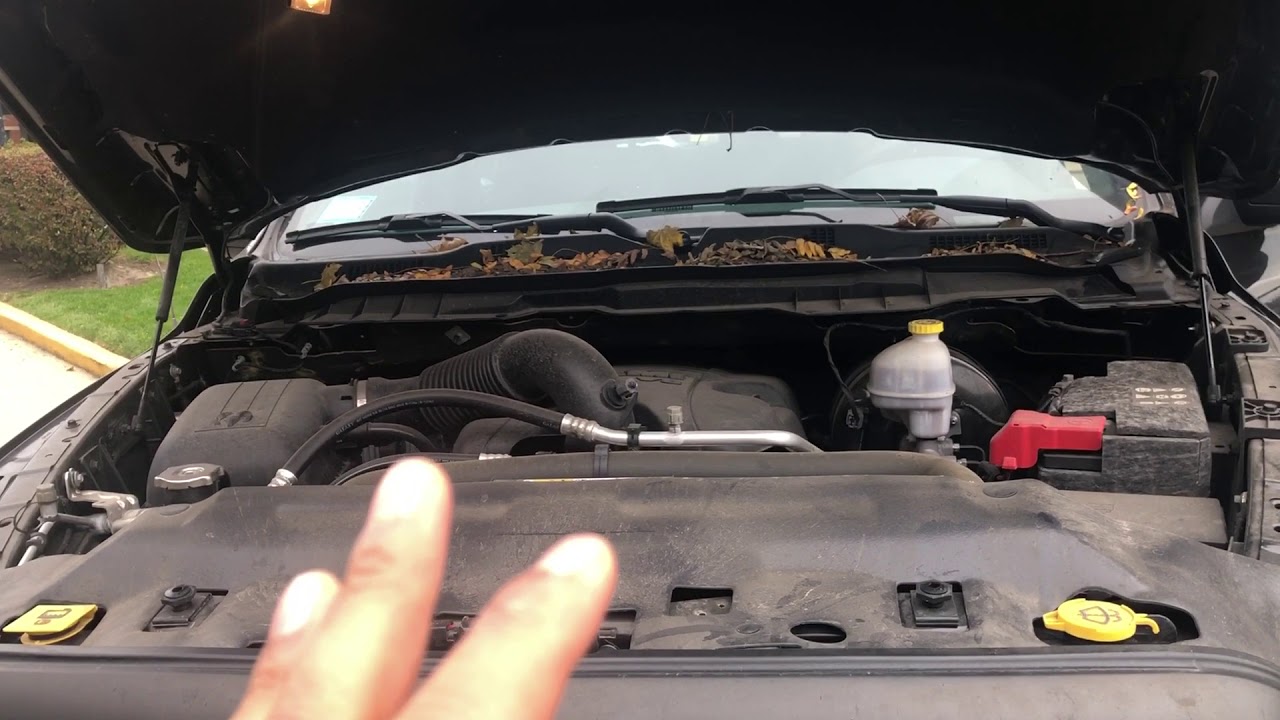
Identifying the 2019 Ram 1500 Coolant Reservoir Location in the Engine Bay
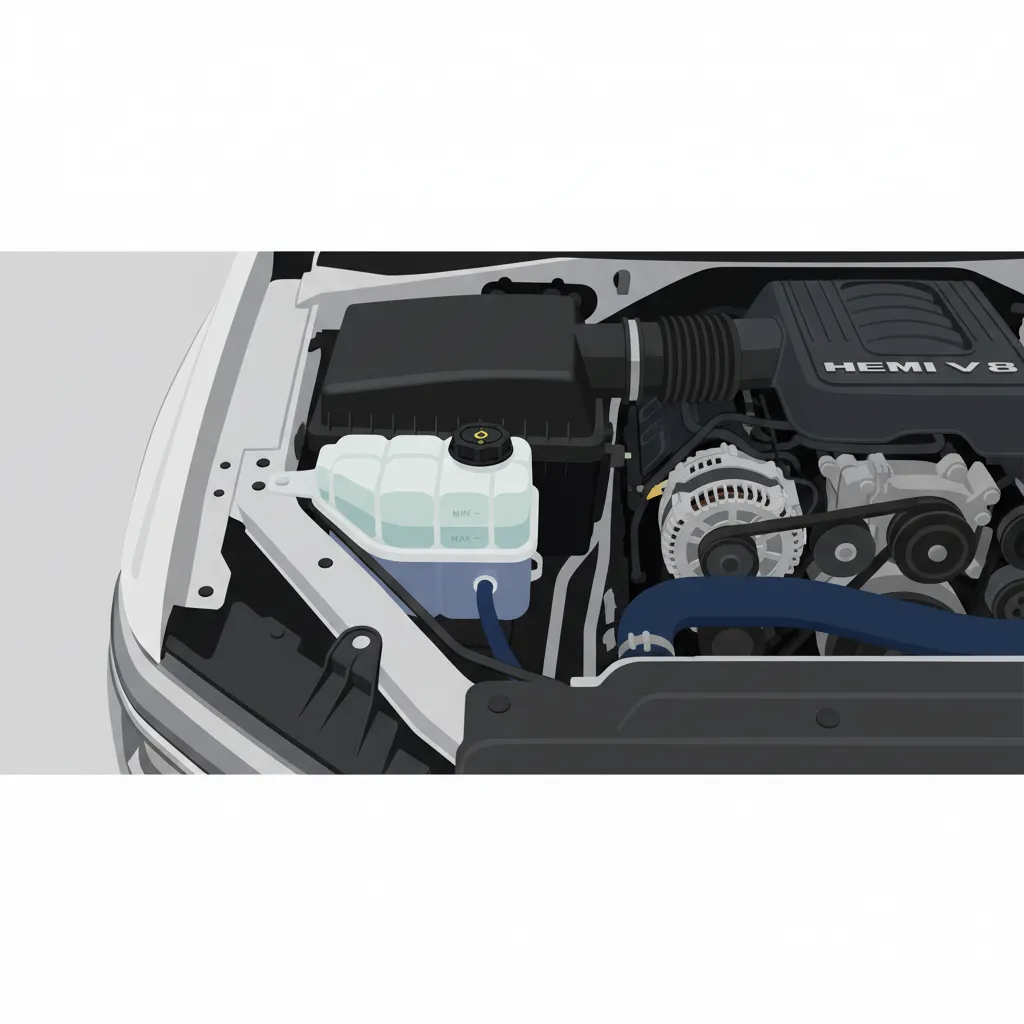
Finding the coolant reservoir on the 2019 Ram 1500 is straightforward once you know what to look for, but it is often confused with other fluid containers by novice owners. The reservoir, technically referred to as the coolant expansion tank, is positioned on the driver’s side of the engine compartment, situated near the front of the vehicle for easy accessibility. This placement is strategic, allowing for quick visual inspections without the need to reach deep into the engine bay.
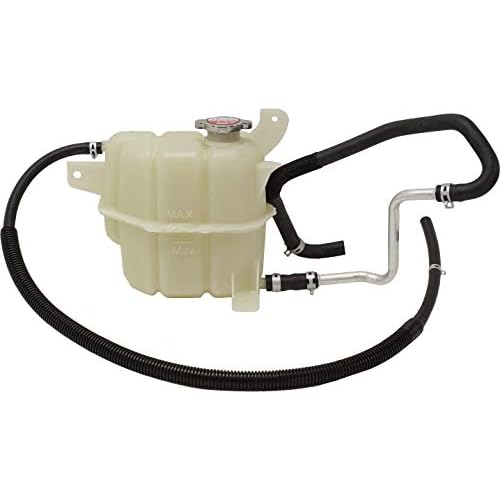
To identify it correctly, look for a translucent plastic container. Unlike older vehicles that might have used metal overflows, this modern setup allows you to see the fluid level through the plastic walls. The reservoir is topped with a heavy-duty pressure cap, usually colored black or yellow, which features distinctive cooling system icons (typically a warning symbol regarding heat). Molded into the side of the plastic are the ‘MIN’ and ‘MAX’ cold fill lines, which are your primary indicators for fluid health.
One of the most defining characteristics of the 2019 model’s cooling architecture is its integration with the radiator. You will notice a small-diameter return hose connecting the top of the reservoir directly to the radiator. This hose facilitates the expansion and contraction of the engine coolant as temperatures fluctuate during operation. It is important to note that whether your truck is equipped with the 5.7L HEMI V8 or the 3.6L Pentastar V6, the reservoir location remains consistent on the driver’s side. While the surrounding engine components may vary slightly between these two powerplants, the cooling system’s primary access point is uniform for the 2019 DT generation.
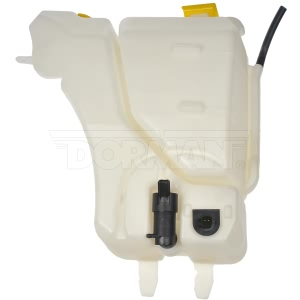
Avoid confusing the coolant reservoir with the windshield washer fluid tank. The washer tank is typically located further back or on the opposite side and features a flip-top cap with a “spraying water” icon, whereas the coolant reservoir uses a threaded pressure cap and contains colored fluid.
Step-by-Step Instructions for Checking and Adding Coolant to Your Ram Truck
Regularly checking your coolant level is a foundational piece of preventative maintenance. However, because the cooling system operates under high pressure, safety is the absolute priority. Opening a hot cooling system can release steam and fluid at temperatures exceeding 200 degrees Fahrenheit, which can lead to severe thermal burns. Always perform these checks when the engine is completely cold, preferably after the truck has been sitting for several hours.
📋
Step-by-Step Maintenance Guide
Park the truck on a level surface. With the engine off and cold, visually inspect the fluid level against the ‘MIN’ and ‘MAX’ marks on the translucent reservoir side.
Place a thick rag over the reservoir cap. Slowly rotate the cap counter-clockwise to the first stop to relieve any residual pressure. Once the hissing stops, remove the cap entirely.


Using a clean funnel, add the manufacturer-recommended OAT coolant until the level reaches the ‘MAX’ line. Do not overfill, as the fluid needs room to expand when hot.
When performing this task, cleanliness is vital. Using a contaminated funnel or allowing debris to enter the reservoir can cause premature water pump failure or clog the intricate passages of the radiator. If you find yourself at a gas station and notice a low level, it is imperative to wait. For instance, a driver checking the level mid-trip must wait at least 30 to 45 minutes for the engine to cool before it is safe to open the cap. For more technical details on fluid capacities, refer to the official guide provided by the manufacturer.
Choosing the Correct OAT Coolant and Understanding Specifications
The 2019 Ram 1500 requires a specific chemical formulation for its cooling system: OAT (Organic Additive Technology) coolant. This coolant must meet the MS-12106 material standard. Using the wrong fluid is one of the most expensive mistakes a Ram owner can make. Genuine Mopar OAT coolant is typically purple in color. If you mix this with older HOAT (Hybrid Organic Additive Technology) coolant—which is often orange or yellow—the two chemistries will react, leading to fluid gelling and severe radiator clogging.
Mixing OAT and HOAT coolants creates a chemical reaction that results in a thick, mud-like sludge. This sludge can destroy the heater core and radiator, often resulting in repair bills exceeding $1,500 for a full system flush and component replacement.
When purchasing coolant at a store serving your local area, you will generally find two options: Premixed (50/50) and Concentrate. Premixed solutions are convenient for quick top-offs as they already contain the necessary distilled water. Concentrate formulas are more cost-effective for full flushes but require you to mix them with distilled water—never tap water, which contains minerals that can cause scale buildup. These fluids are widely available at specialized automotive retailers or authorized dealerships.
Troubleshooting Common Cooling System Issues and Leak Detection
A consistent drop in coolant levels is never normal and usually indicates a leak within the pressurized system. For the 2019 Ram 1500, leaks can manifest in several ways. A visual leak inspection should focus on the base of the reservoir, where hairline cracks can develop over time due to heat cycles. You should also examine the radiator hose connections for any white, crusty residue—this is dried coolant that has seeped out under pressure.
By The Numbers
Owners reporting cooling issues
RepairPal leak frequency
According to industry data, cooling system leaks are a moderately common problem in Ram 1500 vehicles. Research indicates that approximately 15% of owners in the community reported issues related to the cooling system within the first 3 years of ownership. Common failure points include the water pump weep hole and the heater core bypass valve. If you detect a distinct sweet smell of ethylene glycol while standing near the front of the truck, you likely have a slow leak that is evaporating on a hot engine component before it can even hit the ground.



Monitoring the instrument cluster is equally important. If the ‘Coolant Temperature High’ warning appears or the needle moves toward the red zone, pull over immediately. Driving while overheating can warp the cylinder heads or blow a head gasket, turning a simple hose replacement into an engine rebuild. Professional technicians use pressure testers to find these leaks by simulating operating pressure while the engine is cold, allowing them to pinpoint hairline cracks that only open when the system is stressed.
Professional Maintenance Services Available for Local Ram 1500 Owners
While topping off fluid is a DIY task, advanced maintenance should be handled by a professional. Finding nearby expertise at a service center in your trusted local area ensures that the technicians have the specific diagnostic tools required for the 5th generation Ram. These professionals offer services that go beyond simple fluid checks, such as a comprehensive cooling system flush. While OAT coolant is designed for a 150,000-mile service life, many experts recommend a flush earlier if the vehicle is used for heavy towing or operates in extreme climates.
Warranty Protection
Documented professional services at a certified location ensure your powertrain warranty remains valid.
OEM Parts
Professional centers provide access to genuine Mopar parts that fit perfectly and meet all engineering specs.
Choosing a facility that specializes in Ram trucks is a convenient and accessible way to ensure long-term reliability. For example, a local driver might utilize a nearby quick-lane service for a routine inspection, only for the technician to catch a cracked reservoir before it leads to a full-blown overheat. Preventative cooling system maintenance can extend the life of engine head gaskets by up to 50% compared to neglected systems. For more data on vehicle reliability and common repair costs, you can consult the Ram specs on RepairPal.
In summary, the coolant reservoir is conveniently located on the driver’s side front of the engine bay. Always use Mopar-approved OAT coolant to avoid catastrophic engine gelling issues, and remember that regular inspections can prevent common leaks and expensive cooling system failures. If you notice a drop in fluid levels or a sweet smell under the hood, visit a nearby service center serving your community today to have a professional pressure test performed.
Frequently Asked Questions
What type of coolant does my 2019 Ram 1500 use?
The 2019 Ram 1500 requires OAT (Organic Additive Technology) coolant that meets MS-12106 specifications. This is typically purple in color. It is vital to avoid mixing this with any other type of coolant, such as the older orange HOAT fluid, as it can cause the mixture to thicken and clog your radiator and heater core.


How often should I check my coolant level?
It is recommended to check your coolant level at every oil change or at least once a month. Because the reservoir is translucent, you can perform a quick visual inspection without removing the cap. Consistent monitoring allows you to catch slow leaks before they result in engine overheating or dashboard warning lights.
What happens if my coolant level is too low?
Low coolant levels can lead to engine overheating, which may cause severe damage such as warped cylinder heads, blown head gaskets, or total engine seizure. Additionally, you may lose the ability to heat the cabin in the winter, as the heater core relies on hot coolant flow to provide warmth.
Where can I buy the correct coolant for my Ram 1500?
You can find the correct Mopar OAT coolant at an authorized Ram dealership nearby or at major automotive parts retailers serving your community. Ensure the label specifically mentions MS-12106 compliance. If you are unsure, provide your VIN to the parts specialist to verify the available fluid matches your specific engine build.
How do I add coolant to my 2019 Ram 1500?
To add coolant, ensure the engine is completely cold. Locate the reservoir on the driver’s side, slowly unscrew the pressure cap to release any air, and pour a 50/50 mix of OAT coolant and distilled water until the level reaches the ‘MAX’ cold fill line. Replace the cap securely by turning it clockwise until it clicks or seats firmly.