
2007 Ram 1500 5.7 Hemi: Specs, Reliability & Common Issues [2026]

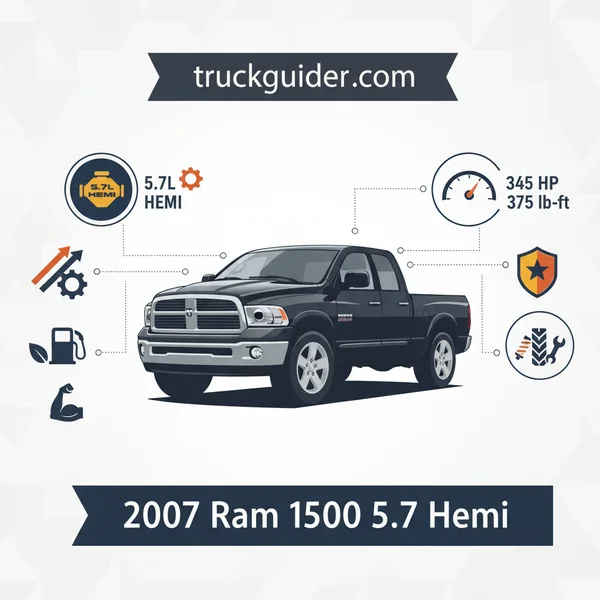
The 2007 Ram 1500 5.7 Hemi is defined by its robust 345 horsepower and 375 lb-ft of torque, providing a maximum towing capacity of 9,100 lbs. Prospective owners must be aware of common mechanical hurdles such as exhaust manifold bolt failure and MDS-related lifter issues that can impact long-term reliability.
🎯 Key Takeaways
- Takeaway 1:Confirm exhaust manifold bolt integrity to prevent common exhaust leaks.
- Takeaway 2:Use specific 5W-20 oil to ensure the MDS system functions correctly.
- Takeaway 3:Expect 345 hp and 375 lb-ft of torque for heavy-duty tasks.
- Takeaway 4:Inspect for the ‘Hemi Tick’ which indicates manifold or lifter wear.
- Takeaway 5:Plan for a 30,000-mile spark plug replacement interval for peak performance.
The 2007 Ram 1500 equipped with the 5.7L Hemi V8 is a standout model from the third-generation “DR/DH” era, offering a potent 345 horsepower and 375 lb-ft of torque. While it is widely regarded as a heavy-duty workhorse capable of towing over 9,000 pounds, its reputation is defined by specific mechanical quirks like the “Hemi Tick” and Multi-Displacement System (MDS) vulnerabilities. If you are looking at this truck, you are essentially balancing raw American power against a list of known maintenance hurdles that can either be simple fixes or total engine teardowns.


Understanding these specific mechanical traits is vital because the 2007 model year sits in a unique spot for the 5.7L Hemi. It benefits from the mid-cycle refresh that improved interior quality and electronics, yet it retains the original 16-pin non-VVT engine design. Practically, this means you have a truck that is easier to tune and modify than later models, but one that requires a vigilant eye on the valvetrain and cooling system to ensure it reaches the 200,000-mile mark without a catastrophic failure.
Performance Specifications and Towing Capabilities
The 2007 5.7L Hemi was the top-tier engine option for the Ram 1500, easily outclassing the smaller 4.7L V8 in both utility and resale value. This engine utilizes an overhead valve (OHV) design with two spark plugs per cylinder, a setup designed to improve combustion efficiency and reduce emissions. When paired with the 545RFE five-speed automatic transmission, the 2007 Ram delivers a responsive powerband that makes it feel much lighter than its actual curb weight suggests.

Engine Output and Real-World Power
- Horsepower: 345 hp @ 5,400 RPM
- Torque: 375 lb-ft @ 4,200 RPM
- Compression Ratio: 9.5:1
- Transmission: 545RFE 5-Speed Automatic
In real-world driving, this power translates to a 0-60 mph time of roughly 7 seconds, depending on your cab configuration and rear-end gear ratio. Most 2007 Hemi models came with either 3.55 or 3.92 gears. If you plan on running larger tires or frequently hauling heavy loads, finding a truck with the 3.92 “Anti-Spin” rear differential is a significant advantage for low-end grunt.
Towing and Payload Capacity
The 2007 Ram 1500 is highly capable, but its limits vary significantly based on whether you have a Regular Cab, Quad Cab, or Mega Cab. For a properly equipped 5.7L Hemi Quad Cab with the 3.92 axle ratio, you can expect a maximum towing capacity of approximately 9,100 pounds. Payload capacity typically ranges between 1,300 and 1,800 pounds.
It is important to remember that the 2007 model uses a multi-link coil spring rear suspension on the 1500 Mega Cab (which is actually built on a 2500 frame), whereas the standard 1500 uses traditional leaf springs. If you are towing near the limit, the standard 1500 leaf spring setup is prone to rear-end sag, so many owners opt for aftermarket “helper” springs or air bags to level the load.
The Ultimate 2007 Ram 1500 5.7 Hemi Maintenance Walkthrough
The 2007 Ram 1500 with the 5.7L Hemi engine is a legendary workhorse, known for its power and reliability. However, to keep this 3rd Gen Ram running at peak performance, regular maintenance is non-negotiable. This guide covers a comprehensive “heavy” maintenance cycle, focusing on the most critical areas: the complex 16-plug ignition system, oil lubrication, and air induction cleaning. Following these steps ensures your Hemi maintains its signature roar, avoids “Hemi tick” complications, and achieves the best possible fuel economy for a full-size pickup.
Step 1: Gathering Specialized Parts and Tools
What you need: 16 Champion Copper Plus (or equivalent) spark plugs, 7 quarts of 5W-20 synthetic oil, a high-quality oil filter, a new air filter, a 5/8-inch spark plug socket with a swivel extension, a gap gauge, and a 10mm socket.
Instructions: Before turning a single bolt, you must ensure you have the correct parts. The 2007 Hemi is unique because it utilizes two spark plugs per cylinder, totaling 16 plugs. While many modern engines prefer iridium, the 2007 Hemi was designed for copper core plugs; using fancy multi-prong plugs can sometimes cause rough idling or computer errors. Verify the gap on all 16 plugs to 0.045 inches using your gap tool. Set up a clean workspace and organize your tools so you aren’t searching for a dropped socket in the deep recesses of the engine bay mid-job.
Pro Tip: Always buy two extra spark plugs. It is incredibly common to drop one and crack the ceramic insulator, which will cause a misfire that is difficult to diagnose once everything is reassembled.
Step 2: Performing the Engine Oil and Filter Change
What you need: 13mm wrench, oil filter wrench, drain pan (at least 8-quart capacity), and a funnel.
Instructions: Locate the oil drain plug on the bottom of the oil pan. Position your drain pan and remove the plug, allowing the old oil to drain completely. While the oil is draining, locate the oil filter on the front passenger side of the engine. Unscrew the old filter (be prepared for some mess, as it sits at an angle). Lubricate the rubber gasket of the new filter with fresh oil and hand-tighten it onto the mount. Once the oil has finished dripping, replace the drain plug and tighten it to 25 ft-lbs. Pour in 7 quarts of 5W-20 oil. This specific weight is vital because the Multi-Displacement System (MDS) on the 2007 Hemi relies on oil pressure to deactivate cylinders; heavier oil can prevent the system from functioning.
Pro Tip: Place a small piece of cardboard or a formed tin foil “slide” under the oil filter before removing it to redirect the oil away from the steering rack and into your pan.
Step 3: Removing the Air Intake and Accessing Coils
What you need: Flathead screwdriver or 8mm nut driver, and a 10mm socket.


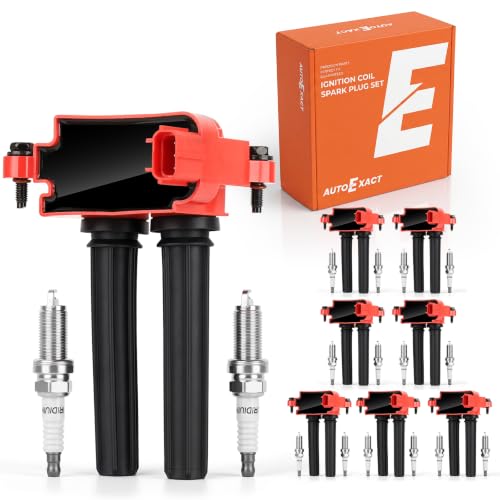

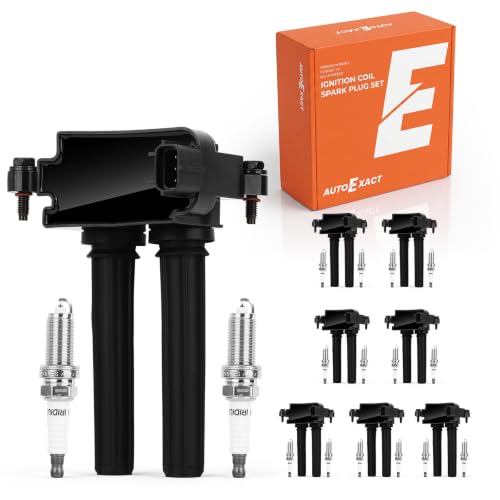
Instructions: To reach the spark plugs, you must remove the large plastic air resonator box sitting atop the engine. Loosen the clamps at the throttle body and the air box, disconnect the air temperature sensor plug, and lift the assembly out. This exposes the eight ignition coil packs. Each coil pack sits over one spark plug and has a wire leading to a second spark plug in a different cylinder (or the same cylinder bank). Use your 10mm socket to remove the two bolts holding each coil pack in place. Carefully pull the coil pack straight up and out. Use compressed air to blow out any dirt or debris from the spark plug holes before removing the plugs to prevent contaminants from falling into the combustion chamber.
Pro Tip: Mark each coil pack and its corresponding wire with masking tape numbered 1 through 8. While they are interchangeable, keeping them in their original positions helps if you need to troubleshoot a specific cylinder later.
Step 4: Swapping the 16 Spark Plugs
What you need: 5/8-inch spark plug socket, several 6-inch extensions, and a torque wrench.
Instructions: The 5.7 Hemi has two plugs per cylinder: one directly under the coil pack and one slightly to the side connected by a plug wire. Remove the old plugs one by one. Check the color of the old plugs; they should be a light tan or gray. If they are black or oily, you may have deeper engine issues. Thread the new, pre-gapped plugs in by hand first to ensure you do not cross-thread the aluminum cylinder heads. Once hand-tight, use your torque wrench to tighten them to 13 ft-lbs. Do not over-torque, as this can damage the head. Repeat this process 16 times, ensuring the plug wires are firmly “clicked” back onto the terminals.
Pro Tip: Use a piece of 3/8-inch fuel hose pushed over the end of the spark plug to start the threading process. If the plug hits resistance, the hose will slip, preventing you from cross-threading the head.
Step 5: Cleaning the Throttle Body
What you need: Throttle body cleaner spray and a lint-free microfiber cloth.
Instructions: With the air intake removed, you have a clear view of the throttle body. Over time, carbon deposits (blow-by) build up around the butterfly valve, leading to a “sticky” gas pedal or a surging idle. Manually push the butterfly valve open and spray the cleaner onto the cloth. Wipe down the edges of the valve and the inner throat of the throttle body until the metal is shiny. Avoid spraying the cleaner directly into the intake in large amounts, as it can puddle. Ensure the area is dry before reassembling the intake. This simple step significantly improves throttle response and idle smoothness on the 2007 Hemi.
Pro Tip: Do not use carb cleaner, which can be too harsh for the protective coating on modern throttle bodies. Only use dedicated “Throttle Body Cleaner.”
Step 6: PCV Valve Replacement
What you need: New PCV valve and a pair of pliers.
Instructions: The Positive Crankcase Ventilation (PCV) valve on the 2007 Hemi is located on the top of the intake manifold, usually toward the rear on the passenger side. It is a simple “twist-lock” design. To remove it, push down slightly and turn it 90 degrees counter-clockwise, then pull up. Inspect the old valve; if it doesn’t rattle when shaken, it is clogged with oil and carbon. A clogged PCV valve is a leading cause of increased oil consumption and the dreaded “Hemi tick” due to improper crankcase pressure. Install the new valve by reversing the process, ensuring the O-ring is seated correctly to prevent vacuum leaks.
Pro Tip: This is the most overlooked maintenance item on the 5.7 Hemi. Replacing it every 30,000 miles is the cheapest insurance you can buy for your engine’s longevity.
Step 7: Final Reassembly and Fluid Check
What you need: All previously used tools and a clean rag.
Instructions: Reinstall the air resonator box, ensuring the seal at the throttle body is tight and the air temperature sensor is plugged back in. Double-check all coil pack bolts and wire connections. Once the engine bay is buttoned up, check your other vital fluids: the pink/red HOAT coolant (ensure it’s not low), power steering fluid, and brake fluid. Start the engine and let it idle for 5 minutes. The idle might be slightly high or erratic for the first minute as the computer adjusts to the clean throttle body and new plugs. Check under the truck for any oil leaks from the new filter or drain plug.
Pro Tip: While the engine is idling, listen near the wheel wells for any rhythmic tapping. If the engine is silent and smooth, your maintenance was a success!


✅ Final Checklist
- All 16 spark plugs are gapped to 0.045″ and torqued to 13 ft-lbs.
- Oil level is exactly at the “Full” mark on the dipstick (7 quarts total).
- Throttle body is free of black carbon deposits and the valve moves freely.
- The PCV valve is locked into place and the O-ring is sealed.
- All electrical connectors (8 coils + 1 air temp sensor) are securely clicked in.
Important Notes:
- Safety: Always perform engine work when the engine is cool to the touch to avoid burns and prevent stripping threads in the aluminum heads.
- Professional Help: Seek a mechanic if you find metal shavings in your oil or if a spark plug feels “frozen” and won’t turn with moderate pressure.
- Estimated Time: 2 to 4 hours depending on experience.
- Estimated Cost: $120 – $200 for high-quality DIY materials.
Understanding Common Mechanical Issues: The Hemi Tick and MDS
If you listen to a 2007 Ram 1500 idling, you might hear a rhythmic tapping sound. This is the infamous “Hemi Tick,” and identifying its source is the most important part of owning this truck. Not every tick is an engine killer, but ignoring the wrong one can lead to a camshaft failure that costs thousands of dollars to repair. You need to distinguish between a simple exhaust leak and a mechanical lifter issue.
The “Hemi Tick” vs. Exhaust Manifold Failure
The most common cause of a ticking sound in the 2007 5.7L is snapped exhaust manifold bolts. The cast-iron manifolds and steel bolts expand at different rates during heat cycles, eventually causing the rear-most bolts (usually on the passenger side) to snap off. This creates a small gap between the manifold and the cylinder head, resulting in a ticking sound that is most prominent when the engine is cold and often disappears once the metal expands and seals the leak.
- The Fix: Replacing the snapped bolts and machining the manifold flat, or upgrading to shorty headers.
- Risk Level: Low. It is annoying and hurts fuel economy, but it won’t destroy your engine.
MDS Reliability and Lifter Concerns
The 2007 Hemi features the Multi-Displacement System (MDS), which shuts down four cylinders under light loads to save fuel. While great on paper, the MDS system relies on specialized lifters that use oil pressure to lock and unlock. If oil changes are neglected or the wrong viscosity (anything other than 5W-20) is used, these lifters can seize. When a lifter needle bearing fails, the roller stops spinning and begins to “eat” the camshaft lobe.
A mechanical tick caused by a failed lifter will not go away when the engine warms up; it will likely get louder with RPM. If you hear a “chirping” or constant metallic tapping from the top end, you are likely looking at a lifter failure. To prevent this, you must use high-quality synthetic 5W-20 oil and a high-flow oil filter to ensure the MDS solenoids and lifters stay lubricated at all times. Many owners choose to “tune out” or disable the MDS system electronically to reduce wear on these components.
Maintenance Requirements and Essential Oil Specifications
Keeping a 2007 Ram 1500 on the road requires staying strictly on top of its unique maintenance needs. This isn’t a truck where you can “guess” the oil weight or skip a tune-up without eventually facing a significant repair bill. Precision is key when dealing with the Gen II Hemi engine.
The Critical Link: MDS and 5W-20 Oil
The 5.7 Hemi in the 2007 model features the Multi-Displacement System (MDS), which shuts down four cylinders to save fuel during highway cruising. This system is hydraulically operated and relies on specific oil pressure to function. You must use 5W-20 oil. Using a heavier grade, like 10W-30, can prevent the MDS solenoids from engaging or disengaging properly, leading to “limp mode” or internal engine damage.
- Oil Capacity: The engine requires 7 quarts of oil with a filter change.
- Oil Filter Quality: Always use a high-quality filter with a reliable anti-drainback valve. This helps reduce the “dry start” noise common in Hemi engines.
- PCV Valve: Replace the PCV valve every 30,000 to 50,000 miles to prevent oil consumption issues and keep the intake manifold clean.
The 16-Plug Spark System
One surprise for first-time owners is that the 5.7 Hemi uses two spark plugs per cylinder, totaling 16 plugs. The 2007 model year was originally spec’d for traditional copper-core plugs. While iridium plugs last longer, many Hemi enthusiasts find the engine runs smoothest on the original copper Bosch or Mopar specifications.
- Change Interval: Budget for a spark plug swap every 30,000 miles if using copper-core plugs.
- Performance Tip: Fresh plugs ensure complete combustion, which protects your catalytic converters and helps maintain what little fuel economy the Hemi offers.
Real-World Fuel Economy and Long-Term Ownership Costs
While the Hemi is famous for its 345 horsepower, it is equally famous for its appetite for fuel. Prospective owners should enter the relationship with clear eyes regarding the “Hemi Tax” at the pump and the garage.
What to Expect at the Pump
Despite the MDS technology, the 2007 Ram 1500 is a heavy, aerodynamically challenged vehicle. In real-world driving, don’t expect to see the optimistic numbers often found in original sales brochures. Most drivers experience a combined average of 13 to 15 MPG.
- City Driving: Heavy stop-and-go traffic will often result in 10–12 MPG.
- Highway Cruising: If you keep your speed under 70 MPH and allow the MDS to engage, you can achieve 17–19 MPG.
- Towing Impact: When pulling a heavy trailer, expect those numbers to dip into the high single digits.
Budgeting for the “Hemi Tick” and Beyond
Long-term ownership costs are generally manageable, but there are a few “Ram-specific” items you should budget for. The most common is the exhaust manifold bolt failure. Over time, the heat cycles cause the bolts to snap, resulting in a ticking sound when the engine is cold.
- Exhaust Manifold Repair: Budget roughly $400–$700 per side if you have a shop handle the extraction of broken bolts.
- Suspension Refresh: Around the 150,000-mile mark, expect to replace upper and lower ball joints and tie rod ends to maintain steering precision.
- Transmission Longevity: The 545RFE 5-speed automatic is sturdy but requires a fluid and filter service every 60,000 miles to reach the 200,000-mile milestone safely.
Conclusion: The Verdict on the 2007 Hemi Ram
The 2007 Ram 1500 5.7 Hemi remains a standout choice for those who need a capable, powerful workhorse without the complexity of modern diesel emissions or the high price tag of a new truck. While it demands strict adherence to oil specifications and regular spark plug intervals, the reward is a reliable engine that sounds as good as it performs. Its blend of classic styling and “Mega Cab” options makes it a versatile tool for both work and family life.
Next Steps: If you are shopping for one, prioritize a vehicle with a documented service history—specifically regarding oil changes. If you already own one, consider upgrading to a high-quality synthetic 5W-20 to keep that MDS system healthy for years to come. Take care of the Hemi, and it will take care of the heavy lifting!


❓ Frequently Asked Questions
What are the most common reliability issues for the 2007 Ram 1500 5.7 Hemi?
The most frequent issues include snapped exhaust manifold bolts, which cause a loud ticking sound, and failures within the Multi-Displacement System (MDS). Additionally, some owners report premature water pump failure and TIPM (Totally Integrated Power Module) electrical glitches.
What kind of fuel economy can I expect from the 2007 5.7 Hemi?
Real-world fuel economy typically ranges from 13 MPG in the city to 17 MPG on the highway. While the MDS system shuts down four cylinders to save fuel, the truck’s weight and aerodynamics limit significant gains.
Why is 5W-20 oil critical for the 2007 5.7 Hemi engine?
The Multi-Displacement System (MDS) relies on specific oil pressure to engage and disengage the solenoids that drop cylinders. Using a heavier weight oil can cause the MDS to malfunction or trigger a Check Engine light.
Is the 2007 Ram 1500 5.7 Hemi a good truck for high mileage?
Yes, with diligent maintenance, these engines often surpass 200,000 miles. Key longevity factors include regular oil changes every 3,000–5,000 miles and addressing cooling system issues immediately to prevent overheating.
What are the transmission options for the 2007 5.7 Hemi?
The 2007 model was primarily paired with the 545RFE five-speed automatic transmission. It is generally reliable but benefits greatly from regular fluid and filter changes, especially when used for frequent towing.
How often should you change the spark plugs in a 2007 Hemi?
Dodge recommends changing the 16 copper-core spark plugs every 30,000 miles. Neglecting this can lead to rough idling, decreased fuel economy, and potential ignition coil failure.
![Ram Extended Warranty Price [2026]](https://truckguider.com/wp-content/uploads/2026/03/featured-c324498f.webp)

![Truck Bed Organization Ideas [2026]](https://truckguider.com/wp-content/uploads/2026/03/featured-c7bc8677.webp)

![How to Tow a Car with a Truck Long Distance: Step-by-Step Guide [2026]](https://truckguider.com/wp-content/uploads/2026/03/how-to-tow-a-car-with-a-truck-long-dista-featured-1.webp)