2003 Dodge Ram 1500 Problems: Analyzed & Resolved

Owning a 2003 Dodge Ram 1500 is a rite of passage for truck enthusiasts, but the early 3rd Gen platform comes with a specific set of mechanical hurdles. From clunking suspension to the infamous dashboard tear-down for blend door repairs, owners often face recurring maintenance pain points. This guide provides exact diagnostic steps and repair strategies to keep your 03 Ram running strong, helping you avoid costly misdiagnoses.
Root Causes of 2003 Dodge Ram 1500 Problems
Recommended Best Deal Products


Powertrain Differences: 4.7L Magnum vs 5.7L Hemi
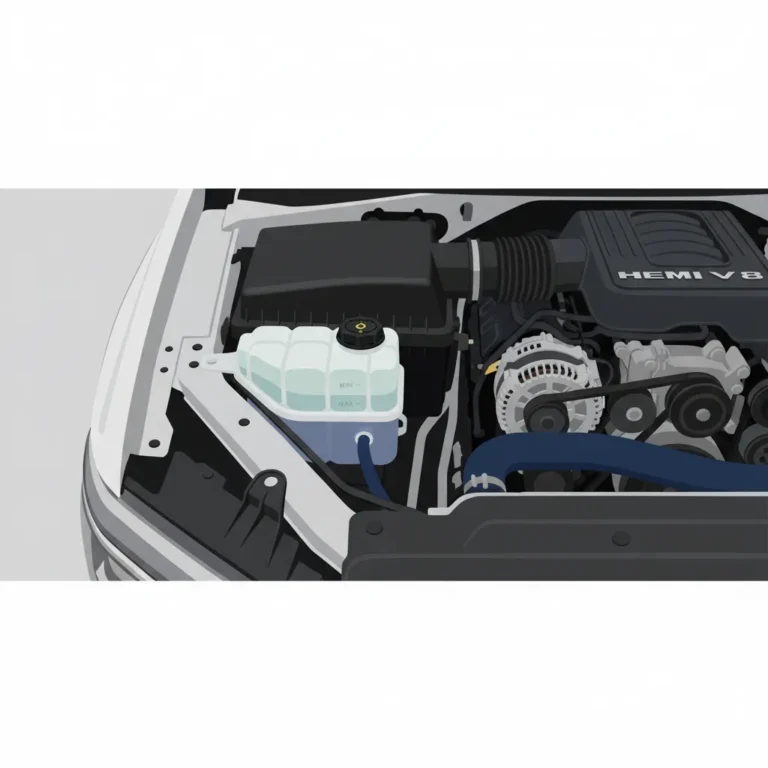
The 2003 model year marked a pivotal transition for DaimlerChrysler, introducing the 5.7L Hemi V8 alongside the established 4.7L Magnum V8. Assuming these engines share identical failure points is a frequent pitfall. The 4.7L engine is sensitive to overheating, which often leads to dropped valve seats or head gasket failure. Conversely, the early 5.7L Hemi, while more robust, is notorious for exhaust manifold stud fatigue. Understanding these distinctions is the first step in effective troubleshooting.

Structural Weaknesses and Rust Progression
As an early 3rd generation vehicle, the 2003 Ram suffers from specific environmental susceptibilities. Rust in the wheel wells and rocker panels is common due to factory sealant gaps that allowed moisture entrapment. Inspecting these areas annually is essential to prevent structural degradation, as these frames were not as heavily treated for corrosion resistance as later models in the production run.
Identifying Early 3rd Generation Design Flaws
The jump from the 2nd generation to the 3rd generation changed the suspension architecture significantly. The rack-and-pinion steering setup on 4WD models, while offering superior handling, introduced more complex wear patterns for the ball joints and tie rod ends compared to the older solid axle linkage designs.
Fixing 2003 Dodge Ram 1500 Suspension and Steering Issues
Why Front-End Clunking Occurs on 3rd Gen Rams
A hallmark complaint is the “clunk” heard over low-speed bumps or while turning. This is almost exclusively caused by excessive play in the upper or lower ball joints or failing sway bar end links. Ignoring these sounds leads to uneven tire wear and, eventually, a catastrophic failure where the ball joint separates from the control arm.
📋
Diagnostic Suspension Check
Recommended Best Deal Products


Lift the vehicle safely on jack stands. Using a long pry bar under the tire, apply upward pressure to check for vertical movement in the ball joint assembly. Any perceptible “click” indicates a need for replacement.
When replacing, always use high-quality, greaseable aftermarket components. Pressing out the old ball joints requires a dedicated C-clamp tool; never use a hammer, as you risk damaging the control arm geometry.
Troubleshooting 2003 Dodge Ram 1500 Engine and Exhaust Failures
Addressing the Ticking Sound: Broken Exhaust Manifold Studs
The “Hemi Tick” is often misdiagnosed as internal valve train failure when, in reality, it is a leak caused by snapped exhaust manifold bolts. Because the steel studs expand at a different rate than the iron exhaust manifold, the heads snap off over time. You can confirm this by visual inspection: look for black soot deposits around the exhaust port where the manifold meets the cylinder head.
Exhaust Hardware Extraction Best Practices
- Soak with Penetrating Oil: Apply high-quality rust penetrant to the studs 24 hours before attempting removal.
- Heat is Essential: Use an oxy-acetylene torch to heat the manifold area, allowing the bolt to expand and contract, breaking the corrosion bond.
- Welding Trick: If the stud is flush, weld a nut to the remaining stud end. The heat from the weld often breaks the rust seal, allowing for easy extraction.
- Use Hardened Studs: When reassembling, avoid cheap factory replacements; opt for hardened aftermarket studs that resist thermal expansion stress.
How to Repair 2003 Dodge Ram 1500 HVAC and Interior Glitches
Recommended Best Deal Products


Diagnosing Blend Door Actuator Failure
The HVAC plenum contains a blend door—a plastic flap that regulates temperature—which is prone to snapping at the hinge. This often leaves the truck stuck on one temperature setting. Before tearing the dash apart, use a scan tool to cycle the mode doors. If you hear a repetitive clicking noise behind the center console, the actuator gear is stripped.
📋
Dashboard Removal & Repair
Disconnect the battery. Remove the center console and the instrument cluster bezel. Carefully unbolt the dashboard support bracket to gain access to the HVAC plenum.
Always replace the plastic blend door with an aluminum reinforced unit. Using an OEM plastic replacement will likely result in the same failure within 24–36 months.
Managing 2003 Dodge Ram 1500 Transmission Maintenance
Solenoid Pack Maintenance and Replacement
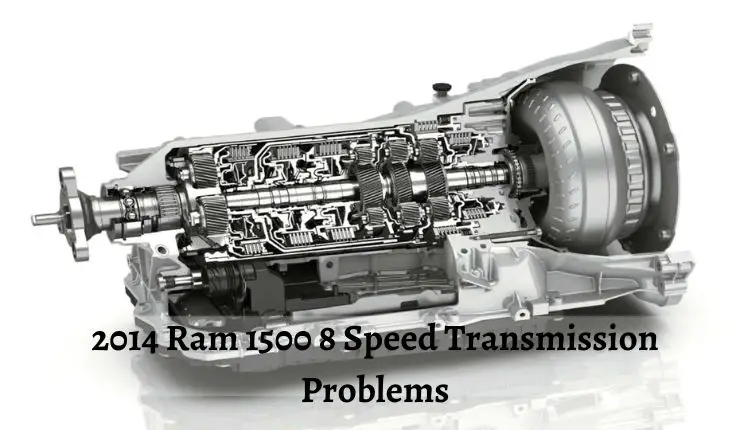
The 45RFE/545RFE transmission is highly dependent on clean fluid and a functional solenoid pack. Shuddering during shifts is a classic symptom of the solenoid block failing to regulate pressure effectively. If the transmission is still physically sound, replacing the solenoid pack—which is accessible by dropping the transmission pan and removing the filter—can often restore factory-smooth shifting.
Never use universal ATF. The 45RFE/545RFE transmissions require strictly ATF+4. Non-compliant fluid will cause rapid friction material degradation and solenoid clogging, leading to complete transmission failure.
Industry Data and Maintenance Summary
By The Numbers
Avg. Miles for Ball Joint Wear
Fluid Type Adherence (ATF+4)
✅ Preventative Strategy
- Replace ball joints with greaseable units.
- Install an auxiliary transmission cooler.
- Upgrade to metal blend door actuators.
- Use only OEM-spec sensors.
❌ Maintenance Pitfalls
- Ignoring “ticking” sounds.
- Using universal transmission fluids.
- Neglecting wheel well rust.
- Overheating the 4.7L engine.
The 2003 Dodge Ram 1500 remains a workhorse when treated with proactive maintenance. Prioritize suspension and ball joint inspections to prevent handling issues. Do not overlook the early signs of exhaust manifold failure to save on labor costs later. Treat HVAC issues systematically to avoid tearing the dashboard apart unnecessarily. Maintain the transmission with specific fluids to prevent solenoid failure. Bookmark this guide for your next repair session, and share your experience with 3rd Gen repairs in the comments below.
2003 Dodge Ram 1500 Problems: Frequently Asked Questions
Why does the heater only blow cold air on one side?
This is almost always due to a broken plastic blend door actuator linkage within the HVAC box. The motor tries to turn the door, but the plastic coupling snaps, leaving the door stuck in a single position. The fix involves either removing the dash to replace the internal door or using a specialized access repair kit.
What causes the front end to clunk over bumps?
The primary culprit is usually a worn track bar bushing or failing ball joints. The 2003 Ram’s suspension geometry puts significant stress on these components. Over time, the rubber bushings degrade, causing metal-on-metal contact. Check the tie rod ends as well, as they frequently lose their tightness, contributing to the ‘clunking’ sensation felt through the steering wheel.
Is the 5.7L Hemi reliable in this year?
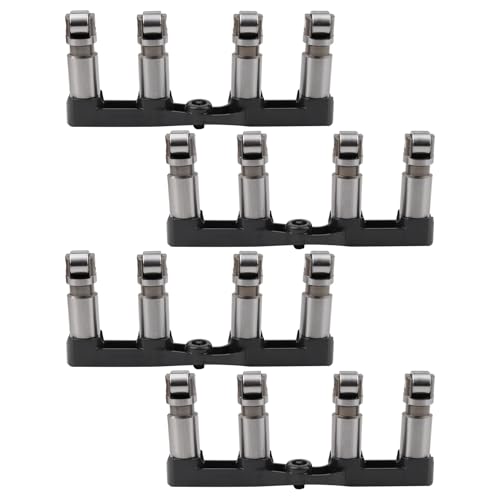
The 5.7L Hemi is generally considered highly robust and durable. Its main issues involve potential valve seat drops or lifter noise if maintenance intervals are neglected. As long as you use high-quality synthetic oil to protect the variable valve timing system and monitor coolant health to prevent internal corrosion, the engine is capable of reaching very high mileage.
Why does the transmission feel like it is shuddering?
Transmission shudder in these trucks often points to the torque converter clutch failing to lock up correctly, or degraded transmission fluid. Ensure you are using ATF+4 fluid specifically. If the shudder persists after a fluid and filter change, it may indicate that the torque converter solenoid or the valve body is failing, requiring a more in-depth mechanical repair.
Are electrical issues common in the 2003 Ram 1500?
Yes, electrical issues are common, primarily due to corroded ground connections and oxidation on the wiring harness connectors. Because the electrical system relies on stable voltage to communicate between sensors and the PCM, even minor corrosion can lead to erratic engine performance, lighting failures, or phantom dashboard warnings that disappear once the connection is cleaned and secured.
![4th Gen Ram 1500 Wide Body Kits [2026]](https://truckguider.com/wp-content/uploads/2026/03/4th-gen-ram-1500-wide-body-kit-featured.webp)