2012 dodge ram 1500 5.7 hemi common problems Diagnosed & Fixed

The 2012 Ram 1500 with the 5.7L Hemi is a legendary powerhouse, but it carries a distinct mechanical personality—and a few quirks—that every owner should master. From the infamous “Hemi Tick” that keeps owners up at night to subtle electrical gremlins hiding within the Totally Integrated Power Module (TIPM), these trucks exhibit predictable failure patterns. Understanding these common issues is the difference between a minor maintenance task and a costly dealership repair. In this guide, we break down these 2012 Dodge Ram 1500 5.7 Hemi common problems and provide the technical insight needed to diagnose and resolve them effectively.
Diagnosing 2012 Dodge Ram 1500 5.7 Hemi Common Problems: Ticking Noise
Recommended Best Deal Products


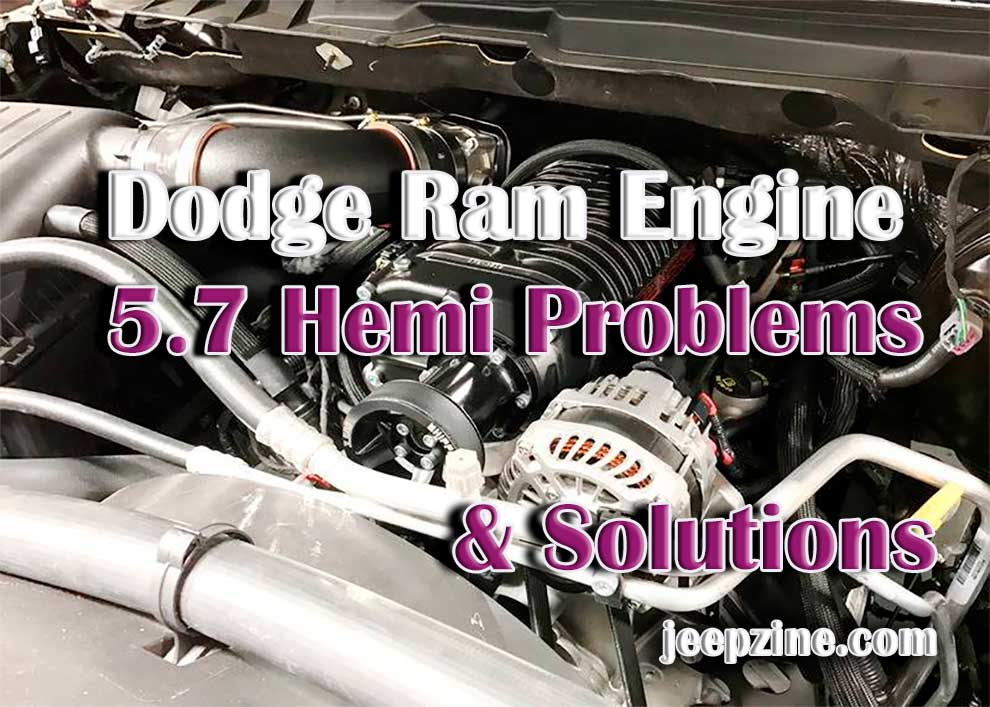
The “Hemi Tick” is perhaps the most discussed phenomenon among Ram owners. While often terrifying, it is not always a sign of catastrophic internal failure. Distinguishing between a minor exhaust leak and a failing lifter is critical to proper diagnosis.
Identifying Exhaust Manifold Bolt Failure
The most common cause of a ticking sound in the 5.7L Hemi is a broken exhaust manifold bolt. Over time, the thermal expansion and contraction cycles of the manifold cause the factory bolts to snap, usually at the rear cylinders. This creates an exhaust leak that sounds strikingly like a metallic “tick-tick-tick” which often increases in speed with engine RPM and diminishes as the manifold heats up and the metal expands, sealing the gap.
Understanding Lifter and Camshaft Wear Symptoms
If the sound persists after verifying the manifold integrity, you must investigate the valvetrain. If the tick is deep, rhythmic, and originates from the cylinder head area rather than the exhaust port, you may be dealing with a collapsed lifter or a worn camshaft lobe. Using a long screwdriver as an improvised stethoscope, place the tip against the valve cover; if the noise is amplified significantly, the issue is likely internal.
The Role of Oil Viscosity in MDS Functionality
Engine oil viscosity is not just a preference; it is a structural component of the MDS (Multi-Displacement System) functionality. The 5.7L Hemi relies on specific oil pressure to engage and disengage the MDS solenoids. Using incorrect oil viscosity can lead to sluggish solenoid response, potentially causing the “tick” or even setting a check engine light. Always adhere to the manufacturer’s specification of 5W-20 synthetic oil to maintain the hydraulic integrity required for these precision systems.
If you find broken manifold bolts, replace them with high-quality stainless steel studs rather than OEM replacements to significantly reduce the risk of a repeat failure.
Resolving 2012 Dodge Ram 1500 5.7 Hemi Electrical Issues
Electrical gremlins are notoriously difficult to troubleshoot. On the 2012 Ram 1500, the Totally Integrated Power Module (TIPM) is the primary suspect when dealing with erratic electronic behavior.
Signs of a Failing TIPM
The TIPM acts as the central hub for the vehicle’s electrical distribution. When it begins to fail, it can exhibit several frustrating symptoms, including:
- Random horn honking or interior lighting glitches
- Fuel pump failure (often leading to a “no-start” condition)
- Headlights or dashboard lights flickering
- Power windows or door locks functioning intermittently
Troubleshooting Random Electrical Gremlins
Before condemning the TIPM, perform a full voltage sweep. A weak battery or an aging alternator often produces “dirty” power, which mimics a module failure. Ensure your battery terminals are clean and tight, and that your alternator is outputting a consistent 13.5V to 14.5V. If these check out, the TIPM is likely the culprit.
Battery and Alternator vs. TIPM Diagnosis
One of the most common pitfalls in the industry is replacing a perfectly good battery when the issue is an internal short within the TIPM. If you have replaced your battery and alternator but the “check engine” or “service 4WD” lights persist, it is time for a professional diagnostic scan to isolate communication errors between the modules.
Repairing 2012 Dodge Ram 1500 5.7 Hemi MDS Solenoid Misfires
Recommended Best Deal Products


The 5.7L V8 MDS system is a marvel of efficiency, but it requires clean oil and functional solenoids. When an MDS solenoid fails, it usually manifests as a persistent cylinder misfire.
📋
Diagnostic and Repair Steps
Scan the PCM for P3400-series codes. These specifically indicate that the cylinder deactivation solenoid for a specific bank is not performing correctly.
The MDS solenoids are located in the engine valley, requiring the removal of the upper and lower intake manifolds. Use this time to inspect the wiring harness for heat-related degradation.
Engine Misfires and Cylinder Deactivation
When a solenoid fails to engage, the lifters do not transition correctly. This causes a mechanical misfire because the valves are not operating in the required sequence. Consistent oil changes are your best prevention; as the solenoids feature tiny screens that can clog with oil sludge, clean oil is vital for their longevity.
Handling 2012 Dodge Ram 1500 5.7 Hemi Transmission Weaknesses
Recommended Best Deal Products


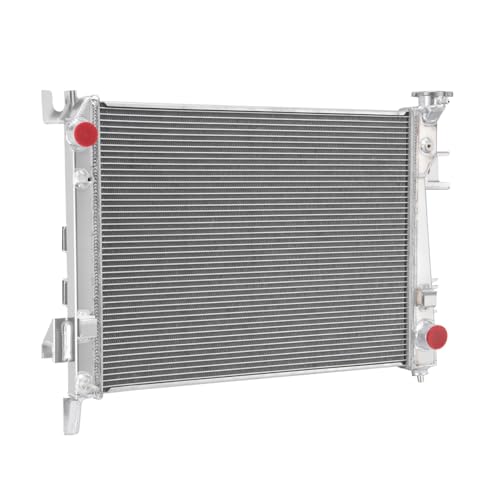
The 65RFE transmission used in the 2012 Ram 1500 is a robust unit, but it is often misunderstood. It is not the high-tech 8-speed unit found in newer models, and it requires specific maintenance to perform reliably.
65RFE Transmission Maintenance Best Practices
The 65RFE thrives on cooling and clean fluid. If you use your truck for towing, installing an auxiliary transmission cooler is one of the most effective ways to prevent premature torque converter failure. The heat generated during heavy towing is the primary enemy of the internal seals and clutch packs.
Managing Transmission Shift Quality
If you notice rough shifting or “flaring” between gears, begin by checking the transmission fluid level and condition. Dark, burnt-smelling fluid is an immediate red flag. Unlike modern “sealed” units, the 65RFE benefits greatly from a filter and fluid change every 60,000 miles, especially under heavy load conditions.
By The Numbers
Recommended Miles for Trans Service
Required Oil Viscosity
Summary of 2012 Dodge Ram 1500 5.7 Hemi Common Problems
Owning a 2012 Ram 1500 is a rewarding experience if you stay ahead of the mechanical curve. To ensure your vehicle remains reliable, remember these core principles: most ticking noises are manageable manifold bolt issues, not engine death; do not ignore the TIPM, as it is the root of many weird electrical glitches; and keep your expectations realistic regarding the 65RFE transmission’s performance compared to newer multi-speed units. Strict adherence to oil change intervals is your best insurance policy for the longevity of your MDS system. Still hearing a sound you cannot identify? Grab a mechanic’s stethoscope and start with the exhaust manifolds before considering deeper engine repairs.
2012 Dodge Ram 1500 5.7 Hemi Common Problems: Frequently Asked Questions
Is a ticking sound always a lifter failure?
No. A ticking sound on a 5.7L HEMI is frequently caused by a broken exhaust manifold bolt, which creates an exhaust leak that mimics the rhythm of a lifter tap. Before assuming the worst, check the exhaust manifold bolts for signs of soot, rust, or snapping, as these are much easier and cheaper to repair than replacing a camshaft or lifters.
Why does my 5.7 HEMI tick?
The ‘HEMI tick’ typically stems from either a failed exhaust manifold gasket due to broken bolts or, more seriously, a collapsed hydraulic lifter or worn camshaft lobe. The MDS system uses hydraulic pressure to deactivate cylinders, and if the lifter needle bearings fail, they produce a distinct metallic tapping noise that is loudest at idle and varies with engine RPM.
What are signs of a failing TIPM?
Common symptoms of a failing Totally Integrated Power Module include non-responsive fuel pumps, intermittently staying on or not working at all, erratic behavior of the power windows or locks, and dashboard lights that flicker or remain illuminated without cause. If you experience these electrical gremlins despite a healthy battery and alternator, the TIPM is a primary suspect for failure.
Should I be worried about MDS failure?
You should be aware, but not necessarily worried if you follow strict maintenance. MDS failures are usually linked to oil sludge or using the wrong viscosity oil, which affects the solenoids’ ability to operate the lifters. By using high-quality synthetic oil and performing regular changes, you can minimize the risk of the solenoid or lifter components failing prematurely.
Can a tuner prevent MDS-related issues?
Yes, many owners use aftermarket tuners to disable the MDS system entirely. By keeping the engine in V8 mode at all times, you eliminate the constant cycling of the MDS solenoids and lifters, effectively removing that specific point of failure. However, note that this may slightly decrease your overall fuel economy while increasing engine responsiveness.
![Dodge Ram 2500 Years to Avoid: Reliability Guide [2026]](https://truckguider.com/wp-content/uploads/2026/03/dodge-ram-2500-years-to-avoid-featured.webp)