1997 Dodge Ram 1500 Dashboard Replacement: Complete Fix Guide [2026]

Finding a reliable replacement for a cracked 1997 Dodge Ram 1500 dashboard is essential due to the common brittleness issues found in 2nd Gen interiors. You can choose between affordable molded ABS plastic dash caps for a quick fix or full structural replacement panels for a complete factory restoration. Matching your interior color, such as Agate or Mist Gray, ensures a seamless look that significantly boosts your truck’s resale value.
🎯 Key Takeaways
Recommended Best Deal Products


- Choose between full dashboard replacements or cost-effective ABS plastic dash caps.
- Verify your interior color code like Agate or Mist Gray before purchasing.
- 2nd Gen Dodge Ram dashboards are highly prone to UV damage and brittleness.
- Molded dash caps provide a permanent repair without removing the entire assembly.
- Ensure your kit includes high-quality silicone adhesive for a rattle-free fit.
If you are tired of looking at the spiderweb of cracks across your 1997 Dodge Ram 1500 dashboard, you generally have two effective ways to fix it: installing a molded dash cap or swapping in a full replacement top panel. Retailers like LMC Truck, DashSkin, and Genos Garage have specialized in these specific 2nd Gen Ram components because the factory plastic is notorious for UV degradation. You can find basic overlays starting around $150, while professional-grade full replacements typically range from $350 to $500 depending on the material quality and shipping costs.
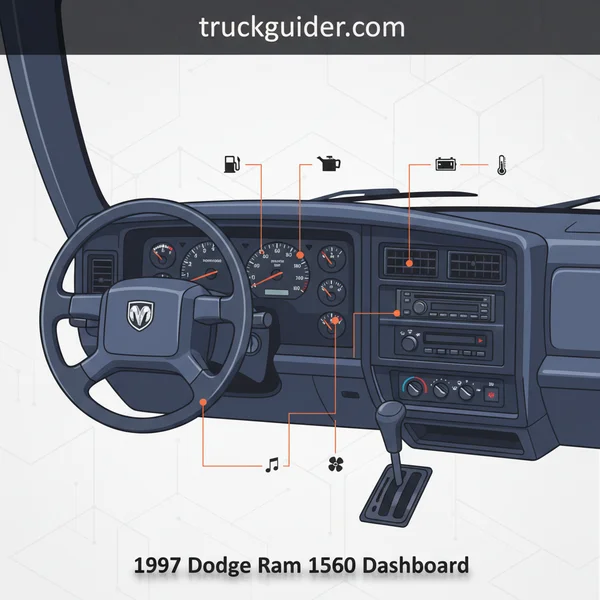
Addressing this issue is about more than just cleaning up the look of your cab. A crumbling dashboard allows plastic shards to fall into your HVAC ducts, potentially jamming your blender doors or damaging the heater core. By choosing a high-quality aftermarket solution now, you protect your electronics and stop the annoying rattles caused by loose, broken plastic segments hitting the metal subframe. The key is deciding whether you want a 30-minute cosmetic cover-up or a multi-hour structural restoration.
Full Dashboard Replacements vs. Dash Caps: Which Is Right for You?
Choosing between a full replacement and a dash cap depends entirely on how much of your original dashboard is still physically there. If your dash has a few long cracks but is mostly one piece, a cap is an excellent, cost-effective choice. However, if your dashboard is literally falling into the glovebox in chunks, you likely need a full replacement panel to restore the structural integrity of the upper interior.
The Molded Dash Cap (The Overlay Solution)
Dash caps are rigid plastic covers molded to the exact dimensions of the 1997 Ram 1500 interior. These are not soft “carpet” mats; they are hard ABS plastic shells that you glue directly over your existing dash. Brands like DashSkin and Coverlay are the industry standards here. They are popular because you do not have to disassemble the entire front of your cab to install them. You simply clean the old surface, apply the included silicone adhesive, and weight the cap down overnight.
- Pros: Extremely affordable, installs in under an hour, and requires no special tools.
- Cons: If the original dash is missing large chunks, the cap may have “soft spots” where there is no support underneath.
- Best for: Owners on a budget or those with dashboards that are cracked but still structurally sound.
Full Replacement Top Panels (The Factory-Style Fix)
A full replacement involves removing the remaining pieces of your factory dash and bolting in a brand-new reinforced panel. LMC Truck is the most common source for these. Unlike the original Chrysler plastic, these aftermarket replacements are often made from modern polymers that handle UV heat much better. This process requires removing the A-pillar trim and the instrument cluster bezel, making it a significantly more involved project than a cap.
- Pros: Permanent fix, looks identical to a factory-fresh interior, and eliminates all old, rattling plastic.
- Cons: More expensive (often double the price of a cap) and requires several hours of labor.
- Best for: Total restorations or trucks where the original dashboard has completely disintegrated.
Master Your 1997 Dodge Ram 1500 Dashboard Replacement in 8 Simple Steps
Recommended Best Deal Products


The second-generation Dodge Ram is a legendary workhorse, but it is notorious for one specific flaw: the “shattered” dashboard. Due to prolonged UV exposure and the specific plastic compounds used in the late 90s, the 1997 Dodge Ram 1500 dashboard often cracks or completely disintegrates over time. This guide covers the comprehensive process of removing the old, brittle dashboard assembly and installing a replacement. Following these steps carefully is crucial not only for the aesthetics of your truck but also for the structural integrity of your HVAC vents and the safety of the passenger-side airbag housing. By doing this yourself, you can save hundreds of dollars in labor costs while ensuring your interior looks factory-fresh once again.
Step 1: Power Down and Safety Preparation
What you need: 10mm wrench, safety glasses, and a small container for screws.
Instructions: Before touching any interior components, you must address the Supplemental Restraint System (SRS). The 1997 Ram features a passenger-side airbag integrated into the dashboard. Start by disconnecting the negative battery cable using your 10mm wrench. After the cable is removed, wait at least 15 to 20 minutes to allow the SRS capacitors to fully discharge. This prevents accidental airbag deployment while you are working near the yellow electrical connectors. While waiting, move both front seats as far back as possible to give yourself maximum working room. Organize your workspace and ensure you have a dedicated spot to place the large dashboard assembly once it is removed from the cab, as it is unwieldy and prone to further cracking if handled roughly.
Pro Tip: Place the battery cable in a small plastic bag or wrap it in a rag to ensure it doesn’t accidentally spring back and make contact with the terminal during the multi-hour project.
Step 2: Removing the Instrument Cluster Bezel and Trim
What you need: Phillips head screwdriver, plastic trim removal tool.
Instructions: The main bezel surrounds the radio, HVAC controls, and instrument cluster. On the 1997 model, this is largely held in by friction clips, but you should check for a few hidden screws near the ash tray or cup holder area. Gently insert your plastic trim tool at the corner of the bezel and pry outward. Work your way around the entire perimeter. Once the clips are released, tilt the steering wheel to its lowest position and shift the gear selector (if automatic) down to “1” or “Low” to provide clearance. Disconnect the electrical connectors for the cigar lighter and any auxiliary switches. Once the bezel is out, remove the screws holding the cup holder assembly and the glove box. To remove the glove box, simply open it, squeeze the sides together to bypass the stops, and unhinge it from the bottom.
Pro Tip: The plastic clips on a 1997 model are likely very brittle. Use constant, even pressure rather than quick jerks to avoid snapping the mounting tabs off the sub-structure.
Step 3: Dropping the Steering Column
What you need: 13mm socket, ratchet, and a bungee cord or small box.
Instructions: You do not need to completely remove the steering column, but you must lower it to allow the dashboard to clear the column’s mounting studs. Locate the two 13mm nuts holding the column to the support bracket under the dash. Before loosening them, ensure the wiring harnesses attached to the column have enough slack. Remove the nuts and slowly lower the column. Do not let it hang by its own weight, as this can damage the intermediate steering shaft or the internal wiring. Support the column with a small box or use a bungee cord to hang it from the seat frame. This provides the necessary 3-4 inches of clearance required to pull the dashboard frame back and away from the firewall.
Pro Tip: Avoid rotating the steering wheel while the column is disconnected or lowered to prevent damaging the clockspring, which controls your horn and airbag signals.
Step 4: Disconnecting the HVAC and Electrical Bulkhead
What you need: 8mm socket, labeling tape, and a permanent marker.
Instructions: Reach into the area previously occupied by the glove box and the radio. You will see several wiring harnesses and vacuum lines. The most important connection is the large electrical bulkhead connector located on the driver’s side kick panel area. Use an 8mm socket to loosen the central bolt of the connector until it pulls apart. Next, locate the vacuum line harness (usually a circular plastic plug with multiple colored thin tubes) that controls the heater vents. Disconnect this carefully. If your truck has manual sliding temp controls, you may need to pop the cable loop off the HVAC box. Label every wire you disconnect with tape to ensure that the reinstallation process doesn’t turn into a guessing game when the new dash is in place.
Pro Tip: Take high-resolution photos of the wiring routing before disconnecting anything; the factory routing is very specific to prevent wires from being pinched when the dash is bolted back down.
Step 5: Removing the Lower Pivot Bolts
What you need: 15mm socket, extension, and a breaker bar.
Instructions: The dashboard on a 1997 Ram is designed to “roll” on two main pivot points located at the bottom corners near the floor. Remove the plastic kick panels on both the driver and passenger sides to reveal these large 15mm bolts. These bolts are often tightened to a high torque and may have factory thread-locker on them, so a breaker bar might be necessary to crack them loose. Do not remove them entirely just yet—simply loosen them about 80% of the way. This keeps the dashboard stable while you move to the more difficult bolts near the windshield. If you remove them now, the entire assembly might shift or fall prematurely, potentially cracking the already fragile plastic or straining the remaining electrical connections.
Pro Tip: If you find rust on these bolts (common in snow-belt states), spray them with penetrating oil 24 hours before starting the project to avoid snapping the bolt heads.
Step 6: The Windshield Cowl Bolts
What you need: 10mm deep-well socket, swivel joint (U-joint), and a long extension.
Instructions: This is the most challenging part of the removal. There are five 10mm bolts located at the very top of the dashboard, right where the plastic meets the windshield. Access is extremely tight. Use a swivel joint on your ratchet to get the correct angle. Work from one side to the other, removing each bolt. Be very careful not to drop these bolts down into the defrost vents, as they will cause annoying rattles forever or could potentially jam the blend doors in the HVAC box. Once these five bolts are out, the top of the dashboard is free. At this point, the only things holding the dash in are the two lower pivot bolts you loosened in Step 5.
Pro Tip: Place a small piece of “tack” or masking tape inside your socket. This will grip the head of the bolt, preventing it from falling out of the socket during the extraction from the tight crevice near the glass.
Step 7: Rolling and Removing the Assembly
What you need: An assistant (second person) and a moving blanket.
Instructions: With all the top bolts removed, return to the lower pivot bolts and remove them completely. This is a two-person job. Have your assistant support the passenger side while you hold the driver side. Gently pull the dashboard assembly toward the rear of the truck. It should “roll” down. Check one last time for any “snagged” wires or missed ground straps. Once clear, lift the entire assembly out through the passenger door. The passenger door offers a wider opening than the driver’s side due to the steering column. Lay the old dashboard on a moving blanket. If you are replacing just the “dash top,” you will now need to transfer the vents, airbag module, and internal ducting from the old frame to the new one using a series of Phillips screws.
Pro Tip: When transferring the airbag, handle it like an egg. Keep the “face” of the airbag pointing away from your body at all times for safety.
Step 8: Installing the New Dashboard
What you need: Replacement dashboard, basic hand tools, and blue thread-locker.
Instructions: Position the new or refurbished dashboard into the cab. Start by loosely threading the two lower pivot bolts to act as a hinge. “Roll” the dashboard up toward the windshield. Line up the top holes and hand-start the five 10mm bolts. Do not tighten any bolts until all seven main fasteners (5 top, 2 bottom) are started. This allows you to shift the dash for perfect alignment. Once aligned, tighten the top bolts first, then the bottom pivots. Reconnect the electrical bulkhead, the vacuum harness, and the steering column. Reinstall the instrument cluster, the bezel, and the glove box. Finally, reconnect the battery. Turn the ignition to the “ON” position while standing outside the vehicle (as a safety precaution for the SRS) to verify the system initializes correctly.
Pro Tip: Apply a small amount of felt tape to the contact points where the plastic dash meets the metal cab frame to prevent future squeaks and rattles.
✅ Final Checklist
- Verify the SRS (Airbag) light turns off after the initial bulb check on the cluster.
- Test all HVAC positions (Defrost, Floor, Vent) to ensure vacuum lines are correctly seated.
- Ensure the steering column is torqued down and there is no “play” in the wheel.
- Check that all gauges, the radio, and the cigar lighter have power and function correctly.
- Confirm the glove box latches securely and the cup holder operates smoothly without binding.
Important Notes:
- Safety Warning: Always treat the airbag module with extreme caution. Never apply electrical power to the system while the airbag is disconnected or if you are positioned directly in front of it.
- When to Seek Help: If you discover significant corrosion on the metal dash support structure or if the wiring harness shows signs of previous “shade-tree” electrical repairs, consult an automotive electrician.
- Estimated Time: 4 to 6 hours for a first-timer.
- Estimated Cost: $150–$300 for a plastic dash cap/overlay, or $400–$700 for a full structural replacement.
Identifying Your 1997 Dodge Ram Interior Color and Fitment
One of the biggest hurdles in ordering the right part is getting the color to match. Dodge used several different shades of gray and tan during the 2nd Gen production run, and “Gray” is never just “Gray.” For the 1997 model year, the color palette is specific, and picking the wrong one will result in a dashboard that stands out for all the wrong reasons. You should always verify your interior trim code before clicking “buy.”
Locating Your Trim Code
To find your exact color match, look at the Vehicle Safety Certification Label located on the driver-side door jamb. Look for the three-digit “Trim” code. For 1997 models, common codes include K1 or C1. Most aftermarket suppliers will list these codes on their product pages. If your sticker is missing, you can provide your VIN to a local dealership parts counter, and they can pull your original build sheet to confirm the interior color name.
- Mist Gray: A very common light-to-medium gray found in most 1997 work trucks.
- Agate: A much darker, near-black charcoal color often found in Laramie or Sport trims.
- Saddle Tan: The brownish-tan option found in specific interior packages.
Fitment Nuances for 1994-1997 Models
When shopping, ensure the product is specifically listed for the 1994-1997 range. In 1998, Dodge updated the interior of the Ram 1500, changing the shape of the instrument cluster and the way the top pad integrates with the vents. A 1998-2001 dashboard will not fit your 1997 truck. Pay close attention to the shape of the defrost vents near the windshield; on your 1997, these should be integrated into the main top panel. If the replacement part you are looking at has a different vent configuration, it is likely for a newer model year.
The Role of UV Protectants in Fitment
Regardless of whether you choose a cap or a full panel, fitment is affected by heat. If you are installing a dash cap, many professionals recommend “dry fitting” it first. Leave the part inside your truck on a sunny day for 30 minutes to let the plastic expand and settle into its natural shape before applying any adhesive. This ensures that when the temperature fluctuates later, the part won’t warp or pull away from the dashboard frame.
Key Material Considerations: ABS Plastic vs. Reinforced Fiberglass
Recommended Best Deal Products
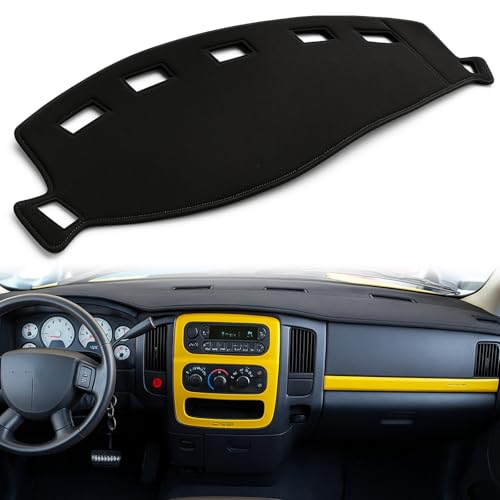
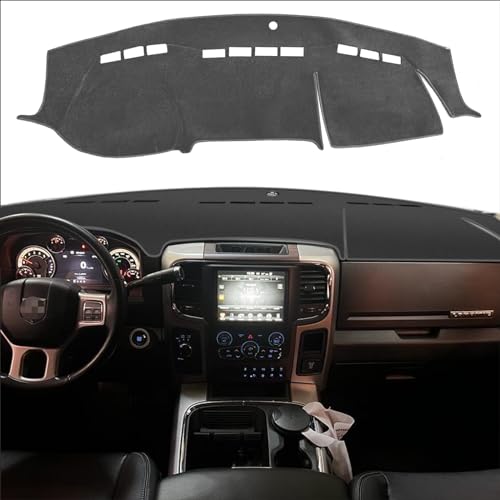

Choosing the right material for your 1997 Dodge Ram 1500 dashboard is crucial for longevity. The original factory dash failed because the plastic lacked the necessary stabilizers to withstand years of UV exposure and extreme temperature fluctuations. When shopping for a replacement or a cover, you generally have two high-quality paths to take, each offering different benefits for your pickup.
Why ABS Plastic Dominates the Aftermarket
Most owners opt for High-Impact ABS Plastic replacements. This material is designed to mimic the texture and appearance of the original dashboard while offering significantly better thermal stability. It is lightweight, relatively flexible during installation, and can be painted to match specific 1997 interior colors like Agate or Mist Gray. It’s the “modern version” of what should have been in the truck from the start.
- UV Protection: Modern ABS units usually include UV inhibitors to prevent the “chalking” or fading common in the 90s.
- Cost-Effectiveness: ABS is the most budget-friendly way to achieve an OEM look without a custom price tag.
- Precision Fitment: Because it is molded under high pressure, the tolerances are usually very tight for a seamless fit over the instrument cluster.
The Case for Reinforced Fiberglass
If you live in an area with extreme, unrelenting heat, such as Arizona or Texas, Reinforced Fiberglass might be the better investment. Unlike plastic, fiberglass does not expand and contract as drastically when the sun beats down on the windshield. It provides a rigid, structural feel that eliminates the “flex” or “bowing” often felt with cheaper covers. While it is more expensive and might require more prep work for paint, its durability is virtually unmatched for a “forever” fix.
Cost Analysis and Value Impact of Dashboard Restoration
Restoring a 1997 Dodge Ram 1500 dashboard isn’t just about aesthetics; it is a smart financial decision. Second-generation Rams are holding their value remarkably well, especially the 12-valve Cummins and 5.9L Magnum variants. A shattered dashboard is often the first thing a potential buyer notices, and it can significantly lower their offer or even kill a sale entirely.
Breakdown of Common Repair Costs
Depending on how much of the original structure remains, your costs will vary. It is important to factor in not just the primary part, but the potential hardware and specialized adhesive needs that often accompany these projects.
- Molded Dash Covers (Caps): These typically range from $150 to $250. They are the most economical way to hide cracks if the underlying perimeter structure is still mostly intact.
- Full Replacement Dash Tops: Expect to pay between $400 and $750 for a high-quality full replacement unit. This is the “gold standard” for a permanent, structural fix.
- Professional Labor: If you aren’t doing the work yourself, a shop may charge 4 to 8 hours of labor, potentially adding $400 to $900 to the total bill depending on local rates.
The ROI of a Fresh Interior
For a truck in good mechanical condition, replacing a trashed dashboard can increase the private-party resale value by $1,000 to $1,500. Beyond the numbers, it vastly improves the daily driving experience. A solid dash eliminates annoying rattles and prevents plastic shards from falling into the HVAC vents, which can eventually damage your heater core or blower motor. Investing in the dashboard is, in many ways, an investment in the truck’s mechanical longevity.
Conclusion
Dealing with a crumbling 1997 Dodge Ram 1500 dashboard is a rite of passage for many owners, but it doesn’t have to be a permanent headache. Whether you choose the affordability of a high-grade ABS plastic cover or the structural integrity of a full fiberglass replacement, the key is to act before the damage compromises your interior electronics or HVAC system. A restored dash not only protects your truck’s resale value but also restores that sense of pride every time you climb into the cab.
Next Steps: Start by clearing away any loose debris from your current dash and determine if you need a full replacement or just a cover. Once you have your parts, ensure you have the correct interior paint code to achieve a flawless, factory-matched finish. Your Ram deserves to look as tough as it runs!
💬 Quick Questions & Answers
Why do 1997 Dodge Ram dashboards crack so easily?
The original factory plastic is highly susceptible to UV degradation and extreme temperature fluctuations, causing it to become brittle over time.
Can I buy a dash cover that matches my interior color?
Yes, most aftermarket covers are available in factory-matched shades like Agate, Mist Gray, and Saddle.
Is a dash cap better than a full replacement?
Dash caps are faster and more affordable, while full replacements offer a complete restoration of the dashboard structure.
Do dash caps look like the original dashboard?
High-quality molded ABS caps are designed to follow the exact contours for a near-factory appearance when installed correctly.
Where can I find my Dodge Ram’s interior color code?
Check the VIN plate on the driver’s side door jamb or the equipment identification sticker inside the glove box.
❓ Frequently Asked Questions
What is the price difference between a dash cap and a full replacement panel?
A dash cap typically costs between $150 and $250, whereas a full structural replacement panel can range from $400 to $600. Labor costs are also significantly higher for full replacements as they require extensive disassembly of the steering column and electronics.
Will an aftermarket dashboard fit all 2nd Gen Dodge Rams?
Most parts are specific to the 1994-1997 range, as the dashboard design changed significantly in 1998. Always verify that the product is specifically molded for the early 2nd Gen interior to ensure all vents and mount points align.
Are there specific brands recommended for 1997 Dodge Ram dashboard repairs?
Brands like DashSkin and LMC Truck are highly regarded for their fitment and color accuracy. These companies specialize in molded overlays that bond directly over the existing cracked surface for a seamless look.
How do I ensure the new dash cap doesn’t rattle or lift over time?
Using a high-temperature silicone adhesive and ensuring the surface is thoroughly cleaned with an ammonia-free cleaner is vital. Proper weighting during the curing process prevents gaps or future movement caused by cabin heat.
Can I paint a dashboard replacement if it doesn’t match my color perfectly?
Yes, many owners use specialized automotive interior paints or vinyl dyes to achieve an exact match. Ensure the surface is prepped with a plastic adhesion promoter and a degreaser for lasting results that won’t flake.
Does a cracked dashboard affect my truck’s resale value?
Absolutely, a cracked or crumbling dashboard is a major deterrent for buyers and can decrease resale value by hundreds of dollars. Restoring it with a quality cap or panel is one of the most cost-effective ways to improve the truck’s appeal.
![2001 Dodge Ram 1500 Oil Type, Capacity, and: Full Specs & Data [2026]](https://truckguider.com/wp-content/uploads/2026/03/2001-dodge-ram-1500-oil-type-featured.webp)
![P0457 Dodge Ram 1500: Complete Repair Guide [2026]](https://truckguider.com/wp-content/uploads/2026/03/p0457-dodge-ram-1500-featured.webp)
![2020 Ram 1500 Oil Capacity & Type: Complete Engine Guide [2026]](https://truckguider.com/wp-content/uploads/2026/03/2020-ram-1500-oil-capacity-featured-768x403.webp)