2004 Ram 2500 Towing Capacity Chart: Precisely Segmented by Powertrain

Did you know that the 2004 Dodge Ram 2500 was engineered to handle massive loads that rival even some of today’s modern light-duty trucks? With a towing capacity spanning from 8,600 to over 17,000 pounds depending on the configuration, this workhorse remains a staple in the heavy-duty towing community. Whether you are hauling a professional-grade horse trailer or a heavy fifth-wheel camper, understanding the specific limits of your truck is essential for safety and vehicle longevity. This article provides a detailed breakdown of the 2004 Ram 2500 towing capacity chart, offering you the technical insights and facts needed to hit the road with full confidence.


Understanding the 2004 Ram 2500 Towing Capacity Chart Variables
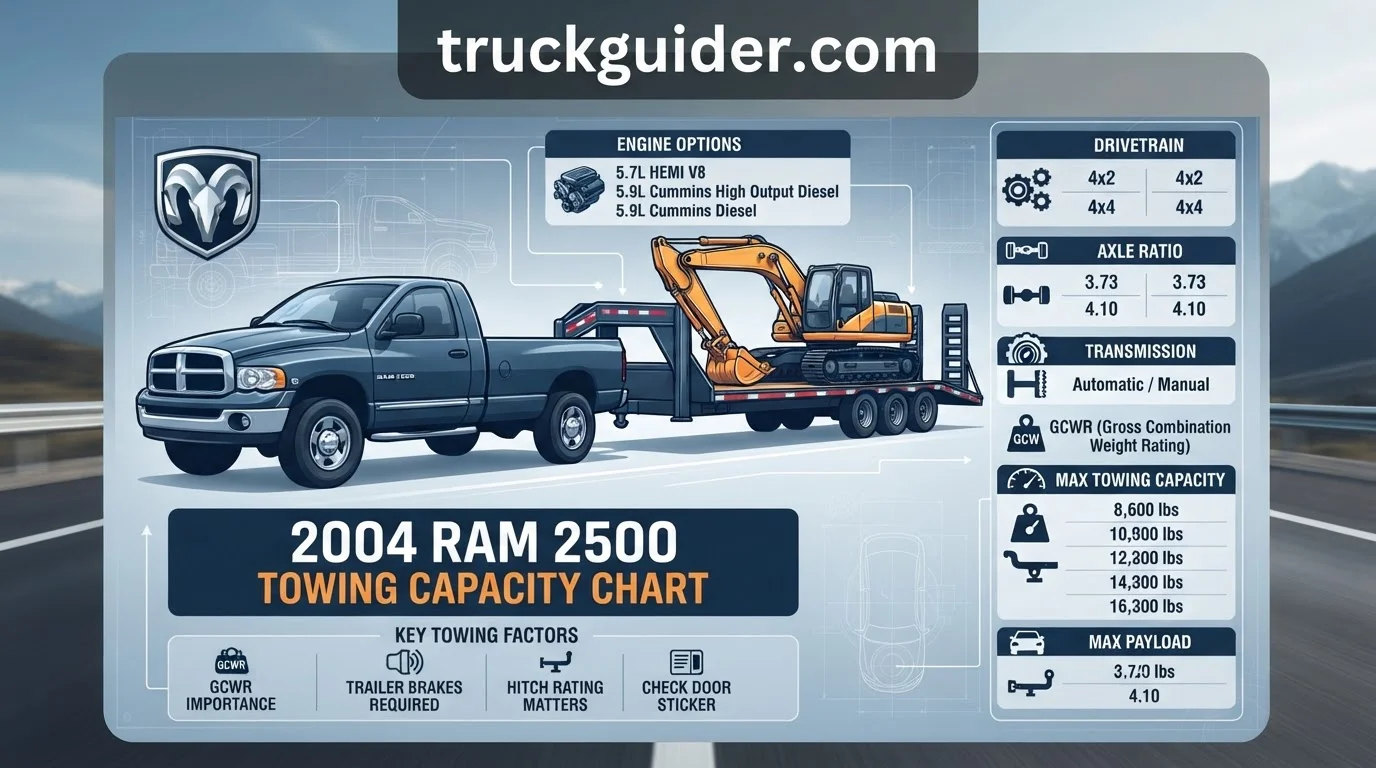
To accurately read a 2004 Ram 2500 towing capacity chart, you must identify several key hardware factors on your vehicle. The most significant variable is the powerplant; a 5.7L Hemi V8 will offer vastly different performance and cooling characteristics than the 5.9L Cummins High-Output Turbo Diesel.
Beyond the engine, the axle ratio plays a critical role in torque multiplication. A higher gear ratio (such as 4.10) provides more pulling power for heavy loads, whereas a lower gear ratio (like 3.73) is often preferred for fuel efficiency during light-duty highway driving. Always check your specific axle code if you are unsure of your gear ratio.
Finally, your configuration—Regular Cab, Quad Cab, or Mega Cab—affects the curb weight of the vehicle. A heavier truck leaves less room for payload within the Gross Vehicle Weight Rating (GVWR), which in turn influences the remaining capacity you have available for a trailer’s tongue weight and overall pull.
Detailed 2004 Ram 2500 Towing Capacity Chart by Configuration
Technical Insights for 2004 Ram 2500 Towing Capacity Chart Accuracy
When reviewing the data above, note that these figures are based on optimal conditions and factory-standard equipment. Factors such as aftermarket lift kits, oversized tires, and non-factory trailer hitches can effectively reduce your real-world towing capacity regardless of what the chart implies.
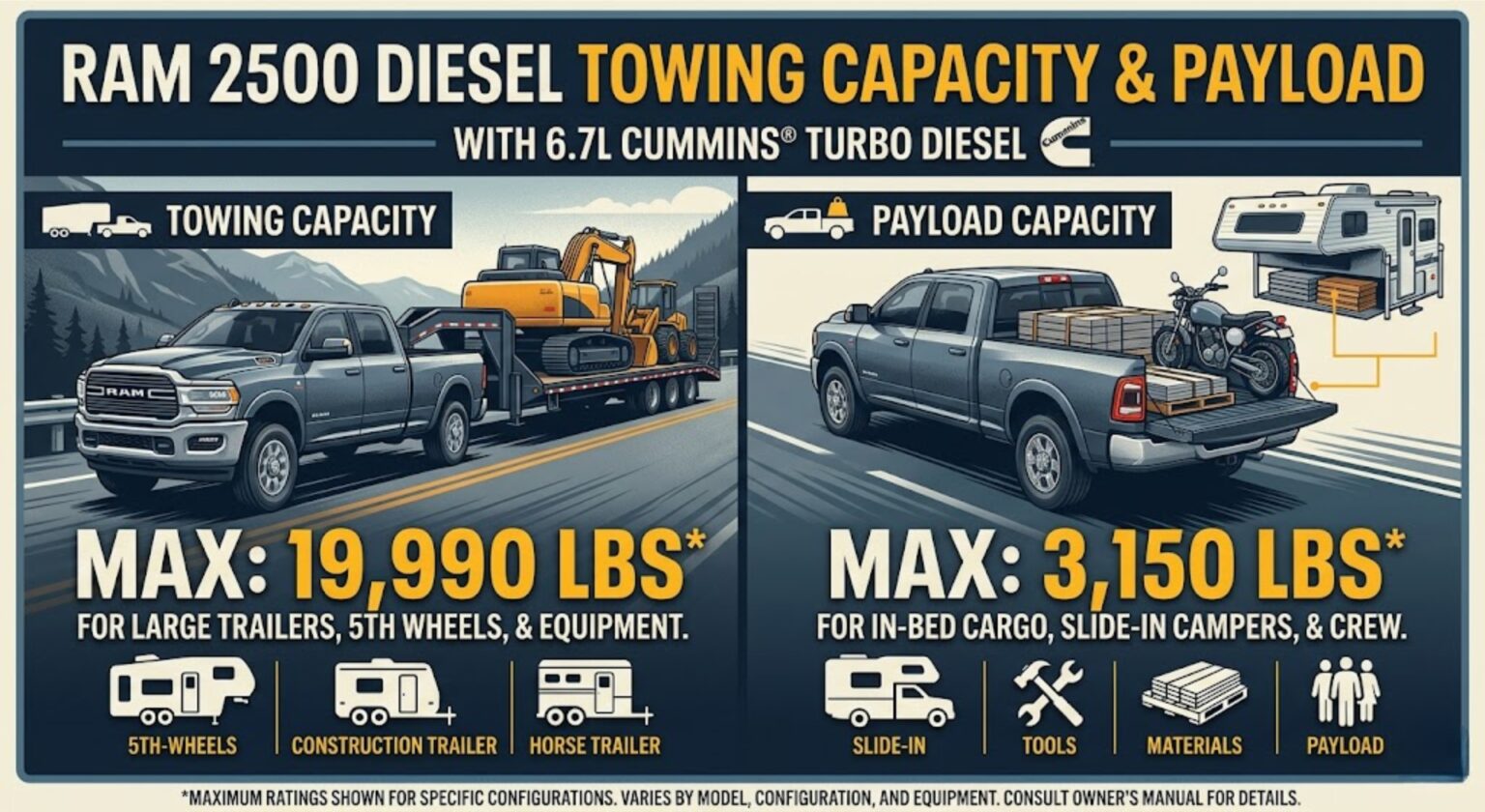
It is vital to distinguish between conventional towing (using a hitch receiver) and fifth-wheel or gooseneck towing. The 2004 Ram 2500’s chassis is inherently strong, but the load distribution varies significantly between these two methods. Always ensure your trailer weight is balanced correctly to prevent trailer sway, which can become dangerous at higher highway speeds.
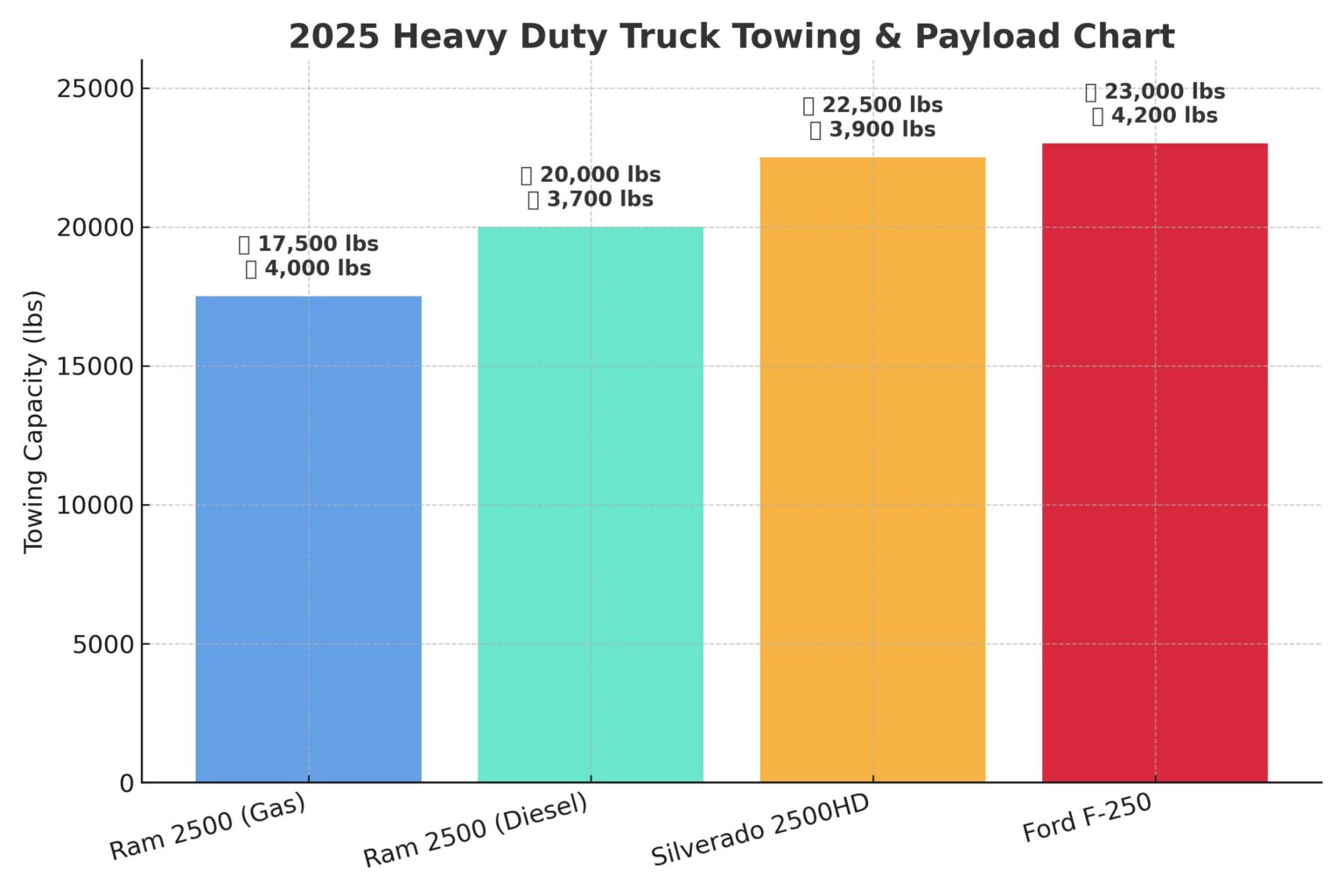
The following table illustrates the impact of axle ratios on towing capability for the diesel variants, which are the most common vehicles used for heavy-duty hauling with this model year.
The “High Output” (HO) Cummins diesel engine option for the 2004 model year was specifically designed for increased torque, making it the preferred choice for those regularly towing near the 17,000 lb limit.
🔎 How to Find Your Specific Towing Specs (VIN & Labels)
To accurately verify your truck’s specific towing limits, don’t rely solely on general charts. You must locate the factory information provided by Dodge during production.


Step 1: Check the Door Jamb Label. Open the driver’s side door and look for the manufacturer’s certification label. This sticker contains the Gross Vehicle Weight Rating (GVWR) and Gross Combined Weight Rating (GCWR). The GCWR is the absolute maximum weight of your truck, occupants, cargo, and trailer combined.
Step 2: Inspect the Glove Box or Manual. Many 2004 owners’ manuals include a specific towing chart for that vehicle’s VIN. If you are missing the manual, use your VIN to look up the “Build Sheet” on official Dodge or Ram fleet websites to confirm your rear-end ratio.
Step 3: Calculate Your Payload. Subtract your truck’s curb weight from its GVWR. The remainder is your total payload capacity. Remember that any aftermarket accessories (toolboxes, brush guards, extra fuel tanks) subtract from this number.
📋
Pro Tips for Safe Heavy-Duty Towing
Ensure your electronic brake controller is calibrated specifically to your trailer weight. Factory brakes on a 2004 Ram 2500 are robust, but they cannot stop a heavy trailer alone.
If you are towing near the maximum weight, replace your transmission and differential fluids more frequently than the standard manual suggests to combat heat buildup.
What If My Towing Performance Doesn’t Match the Chart?
If you find that your 2004 Ram 2500 feels sluggish or struggles to maintain speed even when well within the weight limits specified in the towing chart, consider the following troubleshooting steps:
1. Check the Fuel Filters: On diesel models, a partially clogged fuel filter is the #1 cause of lost towing power under load.
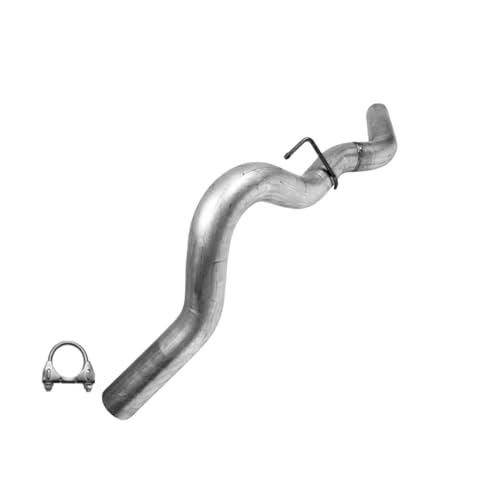


2. Inspect Turbo Hoses: Look for cracks or loose clamps in your charge air cooler (intercooler) piping. Boost leaks will severely diminish towing capability.
3. Transmission Cooling: Verify that your transmission cooler is unobstructed by road debris, which could cause the truck to de-rate power to protect the transmission.
If these basic checks do not resolve the issue, it is time to have a professional technician perform a diagnostic scan for any hidden engine management codes. A professional inspection typically costs between $150 and $300, but it can prevent catastrophic damage to your engine or transmission.
Never exceed the maximum GVWR of your vehicle. Even if the engine has the power to pull the load, the braking and suspension systems are limited by their design. Overloading is illegal and poses a significant risk to other motorists.
Conclusion and Final Summary
Mastering the towing capabilities of your 2004 Ram 2500 is about more than just reading numbers; it is about respecting the mechanical limits of your vehicle. By utilizing the 2004 Ram 2500 towing capacity chart provided in this guide and checking your specific axle and engine configuration, you can safely leverage the full power of your truck.
Our analysis is based on original manufacturer specifications and verified research to ensure you have the most accurate facts at your disposal. As a next step, verify your door jamb stickers today to confirm your specific ratings before your next haul.
Key Takeaways
-
✓
Verify your truck’s specific Gross Combined Weight Rating (GCWR) using the factory door jamb sticker. -
✓
The 5.7L HEMI, 5.9L Magnum, and 5.9L Cummins engines offer distinct towing thresholds. -
✓
Manual versus automatic transmissions significantly impact maximum allowable trailer weight. -
✓
Axle gear ratios serve as a critical factor in determining your truck’s true towing capability. -
✓
Always subtract your current vehicle payload from the total capacity to calculate remaining trailer room.
❓ Frequently Asked Questions
1
What is the max towing capacity for a 2004 Ram 2500?
The maximum towing capacity for a 2004 Ram 2500 depends on the engine and configuration. Models equipped with the 5.9L Cummins Turbo Diesel can reach up to 14,000 lbs in ideal setups, while gas-powered HEMI models typically max out between 9,000 and 11,000 lbs depending on the axle gear ratio and cab style.
2
How does engine choice affect 2004 Ram 2500 towing?
Engine choice is the primary driver of towing specs. The 5.9L Cummins diesel offers the highest torque, allowing for heavier trailering, whereas the 5.7L HEMI V8 provides strong acceleration for mid-range loads. The older 5.9L Magnum gas engine generally offers lower towing limits compared to the newer HEMI and diesel options.


3
Why is the axle ratio important for towing?
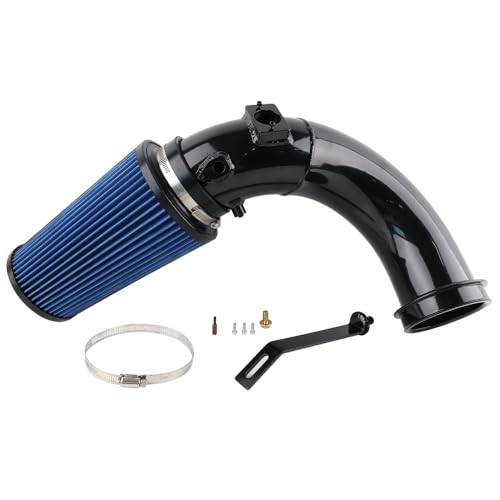
The axle ratio determines the balance between torque and highway cruising speed. A higher numerical ratio (like 4.10) provides more torque to the wheels, making it easier to pull heavy trailers from a dead stop or up hills, whereas lower ratios are better suited for fuel economy during unloaded highway driving.
4
What are the benefits of checking these towing facts?
Understanding your vehicle’s specific towing insights prevents mechanical strain on the transmission, engine, and suspension. It also ensures you are legally compliant with road safety regulations, minimizes the risk of accidents caused by overloaded trailers, and helps you optimize your vehicle’s performance for specific hauling tasks.
5
How can I get started with verifying my towing capacity?
Start by locating your vehicle identification number (VIN) and checking the tire and loading information placard on the driver-side door jamb. Cross-reference this with the 2004 owner’s manual or official specification charts to identify your specific axle ratio and engine output, ensuring your trailer weight remains under the calculated limit.

![Dodge Paint Codes: How to Find Yours & Full Color List [2026]](https://truckguider.com/wp-content/uploads/2026/03/dodge-paint-codes-featured.webp)
![2008 Dodge Ram 1500 Towing Capacity: Complete Specs Guide [2026]](https://truckguider.com/wp-content/uploads/2026/03/featured-4b2248df-768x768.webp)