2007 Dodge Ram Headlights [2026]

Upgrading your 2007 Dodge Ram headlights is essential for improving night-time safety and refreshing your truck’s appearance. Most owners choose between Direct-fit OEM replacements for a stock look or LED projector assemblies for superior light output and modern styling.
🎯 Key Takeaways
Recommended Best Deal Products


- Select LED projector housings for a sharper beam cutoff and better visibility.
- Ensure assemblies are DOT/SAE compliant for legal street use in all states.
- Verify fitment compatibility across 1500, 2500, and 3500 model variants.
- Look for UV-coated polycarbonate lenses to prevent premature yellowing and oxidation.
- Prioritize plug-and-play designs to simplify the upgrade without splicing wires.
Finding the right replacement headlights for your 2007 Dodge Ram boils down to choosing between a stock restoration and a performance upgrade. You can source high-quality assemblies from reputable retailers like RealTruck, AlphaRex, and Spec-D Tuning. For a factory look, standard chrome reflectors are your best bet, but if you want to fix the poor nighttime visibility common in 3rd Gen Rams, upgrading to a projector-style housing is the most effective solution.
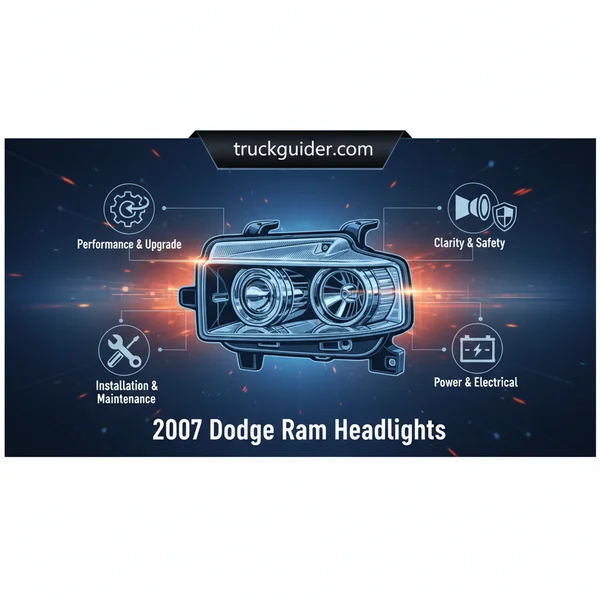
Replacing the entire assembly is far more practical than just swapping bulbs or polishing old plastic. Over time, the internal reflectors degrade and the outer lenses oxidize, which significantly cuts your light output. By installing a new housing, you ensure a perfect seal against moisture and gain the ability to use modern LED or HID lighting without scattering the beam and blinding other drivers on the road.
Comparing 2007 Dodge Ram Headlight Styles: OEM vs. Projector vs. Halo
When shopping for new housings, you will encounter three primary styles. Each offers a different balance of light distribution and aesthetic appeal. Choosing the right one depends on whether you prioritize a budget-friendly fix or a high-end lighting performance.
Classic Reflector vs. Modern Projector Optics
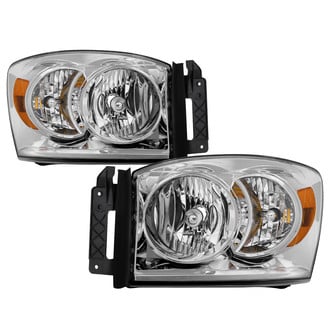
The original equipment (OEM) style uses a reflector housing. This design relies on a mirrored surface to bounce light from the bulb onto the road. While affordable, these often create “hot spots” and “dark zones.” If you do a lot of highway driving at night, you should consider projector housings. These use a magnifying lens to focus the light into a concentrated, even beam with a sharp cutoff line.
- Reflector Style: Best for budget-conscious owners wanting a “like-new” factory appearance.
- Projector Style: Best for visibility upgrades; compatible with high-output LED and HID kits.
- Smoked/Blacked-out: Great for removing the “old truck” look, but requires brighter bulbs to compensate for the tinted lens.
Aesthetic Enhancements: Halos and LED Strips
If you want to modernize your 2007 Ram, look for assemblies featuring Halo rings or “C-Bar” LED daytime running lights (DRLs). These do not necessarily improve your main beam’s reach, but they make your truck much more visible to others during the day. Most aftermarket assemblies from brands like Spyder or Spec-D offer these as integrated features, giving your 3rd Gen a look similar to the 5th Gen Heavy Duty models.
- Chrome Interior: Maintains the classic look and maximizes light reflection for standard halogen bulbs.
- Matte Black Interior: Provides a “mean” aggressive look without reducing the light output of the actual projector lens.
- Dual Beam vs. Single Beam: Most 2007 Ram assemblies use a single H13 bulb for both high and low beams, simplifying your purchase.
2007 Dodge Ram Headlights Made Easy: Your Essential Action Plan
Recommended Best Deal Products


Replacing or upgrading the headlights on a 2007 Dodge Ram is a fundamental maintenance task that significantly impacts both your vehicle’s aesthetic and your safety on the road. This generation of the Ram (3rd Gen) is known for its robust design, but the headlight housings often suffer from yellowing or internal moisture over time. This guide covers the complete process of removing the old assemblies, handling the specific “hidden” bolt unique to these trucks, and ensuring your new lights are correctly aligned for optimal nighttime visibility. Following these steps ensures you don’t break the plastic mounting tabs, which are notoriously brittle on vehicles of this age.
Step 1: Inventory and Tool Preparation
What you need: A 10mm socket, a socket extension (at least 6 inches), a ratchet, a flathead screwdriver, work gloves, and a soft towel or microfiber cloth.
Instructions: Before you touch the vehicle, ensure the engine is off and the light switch is in the “off” position. Open the hood and secure it with the prop rod or ensure the struts are holding. Lay out your tools on a clean surface. The 2007 Ram uses 10mm bolts for almost the entire assembly, but the depth of the lower bolt requires a long extension to reach comfortably without scraping your knuckles. If you are replacing the bulbs as well, keep them in their packaging until the very last moment to prevent contamination. Having a small magnetic tray is also highly recommended to keep track of the three specific bolts you will be removing from each side.
Pro Tip: Old plastic becomes extremely brittle in cold weather. If you are performing this task in winter, try to work in a heated garage or use a hair dryer to gently warm the plastic tabs around the grille to prevent them from snapping during removal.
Step 2: Accessing the Hidden Lower Bolt
What you need: 10mm socket with a long extension and a flashlight.
Instructions: Most beginners make the mistake of only removing the visible top bolts. On the 2007 Ram, there is a “hidden” third bolt located behind the headlight housing, accessible through the wheel well or by reaching down behind the bumper. To make this easier, turn your steering wheel all the way to the opposite side of the light you are working on. This provides more clearance in the wheel well. Look for a small access flap in the plastic liner or reach up from underneath the front bumper. Locate the 10mm bolt head pointing toward the rear of the truck. Carefully loosen and remove this bolt; it is often covered in road grime, so use a flashlight to ensure your socket is seated properly before turning.
Pro Tip: If the bolt is seized due to rust, spray it with a penetrating oil like PB Blaster or WD-40 and let it sit for 10 minutes. Forcing this bolt can result in the internal nut spinning freely in the plastic housing, which makes removal nearly impossible.
Step 3: Removing the Upper Mounting Bolts
What you need: 10mm socket and ratchet.
Instructions: With the difficult lower bolt out of the way, focus on the two highly visible bolts on the top of the headlight assembly. One is located near the radiator support, and the other is toward the outer edge of the fender. Hold the headlight housing with one hand while loosening these bolts with the other to ensure the assembly doesn’t shift unexpectedly. Once the bolts are removed, set them aside in your magnetic tray. At this point, the headlight is technically “loose,” but it is still held in place by a ball-and-socket friction pin on the outer corner near the fender. Do not try to yank the light out vertically; it must be pulled straight forward toward the front of the truck.
Pro Tip: Place a piece of painter’s tape along the edge of the bumper and the fender where they meet the headlight. This prevents the plastic housing from scratching your truck’s paint as you wiggle it out of the tight cavity.
Step 4: Extracting the Housing and Releasing the Tabs
What you need: A firm grip and a flathead screwdriver.
Instructions: Grasp the headlight housing firmly on the top and bottom. Pull the assembly straight toward you with a steady, firm motion. You will hear a “pop” sound—this is the guide pin on the back of the housing releasing from the plastic grommet in the truck’s frame. Once the housing is free from the body, do not pull it too far, as the electrical wiring is still attached and does not have much slack. Support the weight of the housing with one hand while you inspect the back. You will see a large main wiring harness. This harness features a red sliding locking tab. Use your thumb or a flathead screwdriver to slide the red tab back, then press the release lever to disconnect the plug.
Pro Tip: If the red locking tab is stuck due to dirt, do not force it with pliers. Use a can of compressed air to blow out the grit, then wiggle the tab gently until it slides. Breaking this tab can lead to the headlight flickering later due to a loose connection.
Step 5: Swapping Bulbs and Applying Dielectric Grease
What you need: New bulbs (9008/H13 for 2007 Ram) and dielectric grease.
Instructions: If you are installing a new housing, you will need to move your bulbs over or install new ones. Twist the bulb retainer rings counter-clockwise to remove the bulbs from the old housing. When handling the new bulbs, never touch the glass with your bare fingers; skin oils can cause the glass to overheat and shatter when the light is turned on. Apply a small amount of dielectric grease to the metal terminals of the bulb. This grease prevents corrosion and ensures a solid electrical path, which is vital for the high-draw circuit of the Ram’s quad-beam system. Insert the bulbs into the new housing and twist the retainers clockwise until they click into a locked position.
Pro Tip: If you accidentally touch the bulb glass, clean it thoroughly with a cotton swab dipped in rubbing alcohol and let it dry completely before installation.
Step 6: Reinstalling and Seating the Assembly
What you need: 10mm socket and the three removed bolts.
Instructions: Bring the new or refurbished housing close to the truck and reconnect the electrical harness. Ensure the red locking tab is pushed back into the “locked” position. Align the guide pin on the back outer corner of the headlight with the plastic grommet on the truck’s fender. Push the housing straight back until you hear the snap of the pin seating. Re-align the holes for the two top bolts and the one hidden lower bolt. Start all three bolts by hand to ensure they are not cross-threaded. Once all three are started, use your ratchet to tighten them. Do not over-tighten; the plastic tabs only need to be snug. Over-torquing will crack the new housing’s mounting ears.
Pro Tip: Before you tighten the bolts all the way, check the “reveal” or the gap between the headlight and the hood. You can slightly shift the housing to ensure the gaps are even on both sides for a professional, factory-look finish.
Step 7: Final Testing and Beam Alignment
What you need: A 4mm socket or a T20 Torx bit and a flat wall.
Instructions: Before closing the hood, turn on your headlights to verify that both the high and low beams are functioning. Test the turn signals as well. Once verified, park your truck on level ground exactly 25 feet away from a flat wall. Measure the distance from the ground to the center of your headlight lens. Mark that same height on the wall with tape. Turn on your low beams; the “cut-off” line of the light should fall just below the tape mark. If the lights are pointing too high (blinding other drivers) or too low, locate the adjustment screw on the top of the housing. Use your 4mm socket or Torx bit to turn the screw until the beam pattern is correctly positioned.
Pro Tip: Perform the alignment with about half a tank of gas and a normal load in the truck to ensure the “real world” stance of the vehicle is accounted for during the aiming process.
✅ Final Checklist
- Confirm the “hidden” lower bolt is tightened and the access flap in the wheel well is closed.
- Verify that the red locking tabs on the electrical harnesses are fully engaged and clicked.
- Check that the high beams, low beams, and turn signals are all operational.
- Ensure the headlight housing is flush with the fender and the gaps are uniform.
- Verify that the beam alignment is set correctly to avoid blinding oncoming traffic.
Important Notes:
- Safety first: Always wear eye protection when working with halogen bulbs, as they are pressurized and can explode if dropped.
- Seek Professional Help: If your wiring harness looks melted or charred (a common issue with high-wattage aftermarket bulbs), consult an auto electrician before installing new housings.
- Estimated Time: 45 to 90 minutes depending on your experience level.
- Estimated Cost: $40 – $60 for high-quality bulbs; $150 – $350 for a pair of complete replacement housing assemblies.
Critical Fitment Factors for Ram 1500, 2500, and 3500 Models
Before you hit the “buy” button, you must verify the fitment for your specific trim. While many parts are interchangeable across the 3rd Gen lineup, the 2006-2008 1500 models and 2006-2009 2500/3500 models share the same headlight footprint. However, there are small nuances in wiring and mounting that can make or break your installation day.
Shared Chassis Compatibility
The 2007 model year falls right in the middle of the “facelift” years for the 3rd Gen Ram. This is good news because it means a wide variety of parts fit your truck. Whether you drive a 1500 Quad Cab or a 3500 Dually, the physical mounting points for the headlight assemblies are identical. You do not need to worry about different brackets for different engine types (Hemi vs. Cummins).
- Standard Fitment: Fits all 2007 Ram 1500, 2500, and 3500 models.
- Interchangeability: Assemblies for a 2008 Ram 1500 will also fit your 2007 perfectly.
- Mounting: Uses a three-bolt system (two on the front, one hidden inside the wheel well).
Plug-and-Play vs. Custom Wiring
Most 2007 Ram headlight replacements are advertised as “Plug-and-Play.” This means the main headlight connector matches your factory H13 harness. However, if you choose an assembly with Halo rings or LED DRL strips, you will likely need to perform minor wiring. Usually, this involves tapping the extra wires into your parking light circuit so the LEDs turn on when you flip your light switch to the first position.
- H13 Connector: The standard 3-pin plug used for your main headlights.
- Load Resistors: Some LED-integrated housings include these to prevent “bulb out” warnings on your dashboard.
- Resealing: Even with high-quality fits, many owners add a bead of clear silicone around the housing seam for extra moisture protection.
Performance Analysis: Halogen vs. LED Conversion Assemblies
Recommended Best Deal Products

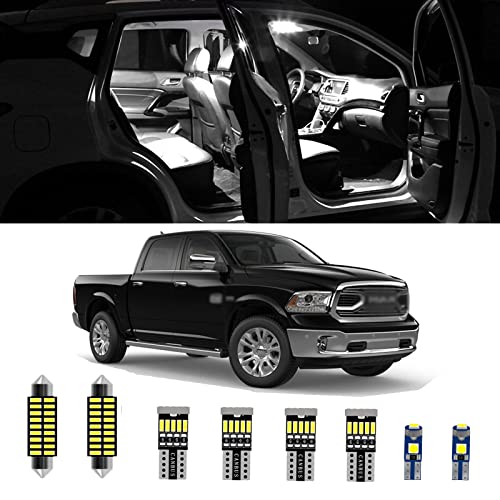

Choosing between traditional halogen bulbs and modern LED conversions is the most significant decision for any 2007 Dodge Ram owner. Each technology offers distinct advantages depending on your typical driving environment, your budget, and your aesthetic preferences for your 3rd Gen truck.
Halogen: The Reliable, Budget-Friendly Standard
Most 2007 Rams left the factory with halogen reflector housings. These remain popular because they are inexpensive to maintain and offer a “warm” light spectrum (around 3000K). Interestingly, this warmer light often performs better in heavy snow or thick fog because it produces less “self-glare” or white-out effect for the driver. If you primarily use your Ram as a work vehicle and want a simple, cost-effective replacement that maintains the original factory look, a high-quality halogen assembly is a solid, no-fuss choice. It avoids the complexities of modern wiring and keeps your electrical load exactly where the factory intended.
LED Conversions: The Modern Powerhouse
LED upgrades are the most popular modification for 2007 Ram owners looking to modernize their front end. They offer a much higher lumen output and a crisp, daylight-white color (usually 6000K) that makes road signs and lane markers much more visible at night. However, when choosing LEDs, you must consider several performance factors:
- Beam Pattern Focus: Ensure the assembly is designed specifically for LEDs. Putting LED bulbs in a housing designed for halogens often results in “scattered” light that blinds oncoming traffic without actually improving your down-road visibility.
- CANbus Compatibility: The 2007 Ram is notorious for being sensitive to voltage changes. Look for kits that include anti-flicker decoders to prevent the dreaded “bulb out” dashboard error.
- Heat Dissipation: LEDs run cool to the touch but generate heat at the base. High-quality assemblies feature integrated heat sinks or cooling fans to ensure the diodes don’t burn out prematurely.
Materials and Durability: Understanding Lens Quality and Seals
Since the 2007 Dodge Ram is a legendary workhorse, your replacement headlights need to withstand more than just dark roads. They must endure highway debris, intense UV exposure, and the fluctuating temperatures of a hardworking engine bay without cracking, clouding, or leaking.
Polycarbonate and UV Coatings
The clear portion of your headlight is made from polycarbonate, a material chosen for its incredible impact resistance. However, not all polycarbonate is treated equally. “Bargain-bin” aftermarket lights often skip the vital heavy-duty UV protective coating. Without this shield, the sun’s rays will oxidize the plastic, leading to that yellow, foggy appearance within just a few months. When shopping, always prioritize housings that specifically list SAE/DOT compliance and UV-stabilized coatings. This ensures the lens remains crystal clear and doesn’t become brittle when exposed to the elements or road salt during winter months.
Weatherproof Seals and Moisture Prevention
Moisture is the primary cause of premature headlight failure. Internal condensation doesn’t just look unattractive; it corrodes electrical sockets and can cause bulbs to explode from thermal shock. High-quality assemblies prevent this through superior construction methods:
- High-Grade Butyl Sealant: Premium housings use a thick, flexible butyl rubber seal between the lens and the back housing, which expands and contracts with the temperature without breaking the vacuum.
- One-Way Breather Vents: These allow the internal air pressure to equalize as the bulbs heat up, letting moisture escape without allowing water or dust to enter.
- Precision Gaskets: Look for units that include high-density foam or rubber gaskets around the bulb sockets to create a secondary barrier against engine bay moisture.
Conclusion
Upgrading or replacing your 2007 Dodge Ram headlights is one of the most impactful investments you can make in your truck’s safety and style. Whether you prefer the classic, reliable performance of a halogen setup or the piercing clarity of a modern LED projector, the key is to prioritize build quality and material durability. By selecting housings with superior UV protection and robust weather sealing, you ensure that your 3rd Gen Ram stays looking sharp and driving safely for years to come.
Take a moment to inspect your current lenses today. If you notice yellowing, moisture, or dim output, it is time for an upgrade. Decide on your preferred lighting technology, verify CANbus compatibility, and enjoy the confidence that comes with a clearer view of the road ahead. Your Ram was built to last—make sure your visibility is up to the task!
💬 Quick Questions & Answers
What bulb size does a 2007 Dodge Ram headlight use?
The 2007 Dodge Ram uses an H13 (also known as 9008) dual-beam bulb for high and low beams.
Will 1500 headlights fit 2500 and 3500 models?
Yes, the headlight housing shape is identical across the 1500, 2500, and 3500 series for the 2007 model year.
Do LED headlight upgrades cause dashboard errors?
Some LEDs require a CAN bus decoder or resistor to prevent ‘Lamp Out’ warnings on the dashboard.
What is the benefit of a projector lens?
Projector lenses focus the light into a concentrated beam with a sharp cutoff to avoid blinding oncoming traffic.
Can I replace just the lens of the headlight?
No, the lenses are factory-sealed to the housing; you must replace the entire assembly for a proper fix.
❓ Frequently Asked Questions
What is the difference between reflector and projector headlights for the 2007 Ram?
Reflector housings use a mirror-lined bowl to scatter light, whereas projector housings use a lens to focus the light into a specific path. Projectors offer better distance and a cleaner light pattern compared to the standard factory reflector style.
Are aftermarket blacked-out headlights legal?
As long as the headlights are DOT/SAE approved and feature the required amber side reflectors, they are generally street legal. However, the internal housing color (black vs chrome) does not usually impact legality as long as the lens is clear and the beam is white/yellow.
Why do my 2007 Dodge Ram headlights keep fogging up?
Moisture buildup is typically caused by a failed perimeter seal or cracked housing that allows humid air inside. High-quality aftermarket units feature gore-tex vents and superior butyl seals to prevent this condensation issue.
Is it worth upgrading to LED assemblies over standard halogen replacements?
Yes, LED assemblies provide significantly higher lumen output and a cooler color temperature (usually 6000K), which improves contrast at night. They also draw less power and have a much longer lifespan than traditional halogen bulbs.
Do I need to modify my wiring for halo or DRL headlights?
Most standard replacements are plug-and-play, but specialized halo rings or extra Daytime Running Light (DRL) strips often require tapping into the parking light or ignition fuse for power. Always check the product’s wiring requirements before purchasing.
How do I choose between a CAPA-certified and a standard aftermarket headlight?
CAPA-certified headlights are tested to match the fit, finish, and safety standards of the original equipment manufacturer (OEM). If you want the closest thing to factory quality and perfect alignment, CAPA-certified is the recommended choice.
![2019 Ram 1500 Coolant Type: Specs & Fitment Guide [2026]](https://truckguider.com/wp-content/uploads/2026/03/2019-ram-1500-coolant-type-featured.webp)
![Automatic Exhaust System Regeneration in Progress: What to Do [2026]](https://truckguider.com/wp-content/uploads/2026/03/automatic-exhaust-system-regeneration-in-featured.webp)