2015 Chevy Silverado Battery Diagram: Mapped Out by Specs, Safety, and Maintenance Procedures

Finding an accurate 2015 Chevy Silverado battery diagram is essential for owners performing electrical maintenance, adding high-draw aftermarket accessories, or troubleshooting parasitic voltage drains. Because the Silverado 1500 uses a sophisticated power distribution system, understanding the physical routing of cables and connection points is the most reliable way to avoid short circuits or damaging the vehicle’s sensitive electrical components.

How to Read This Chart
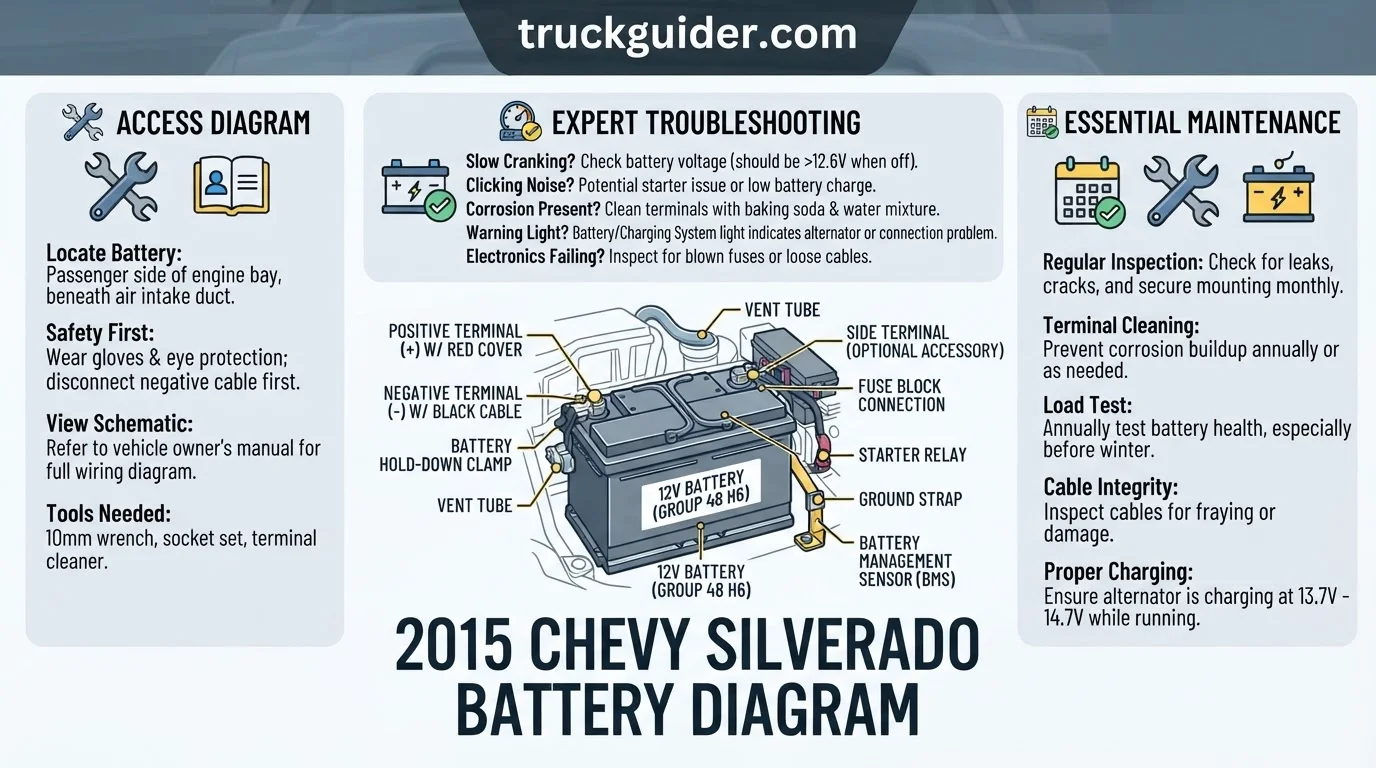
The chart above outlines the critical physical connections for the 2015 Chevy Silverado battery architecture. The “Location” column refers to the physical position within the engine bay relative to the passenger-side firewall and radiator support. The “Function” indicates whether the cable is for high-amperage starting current or low-amperage distribution through the vehicle’s fuse centers. Note that for 5.3L and 6.2L engines, the cable routing remains largely consistent, though specific terminal sizes can vary. Always refer to your vehicle’s specific VIN-based build sheet or service manual if you are replacing cables for aftermarket high-output setups, as eAssist configurations may differ significantly from standard gas-powered models.

Understanding 2015 Chevy Silverado Battery Diagram Routing
Recommended Best Deal Products



The 2015 Chevrolet Silverado 1500 battery system is engineered to provide reliable starting power while managing the heavy electrical loads of modern truck features. The negative terminal is typically grounded directly to the chassis to ensure a stable electrical return. Over time, these grounds can corrode, causing intermittent power issues.
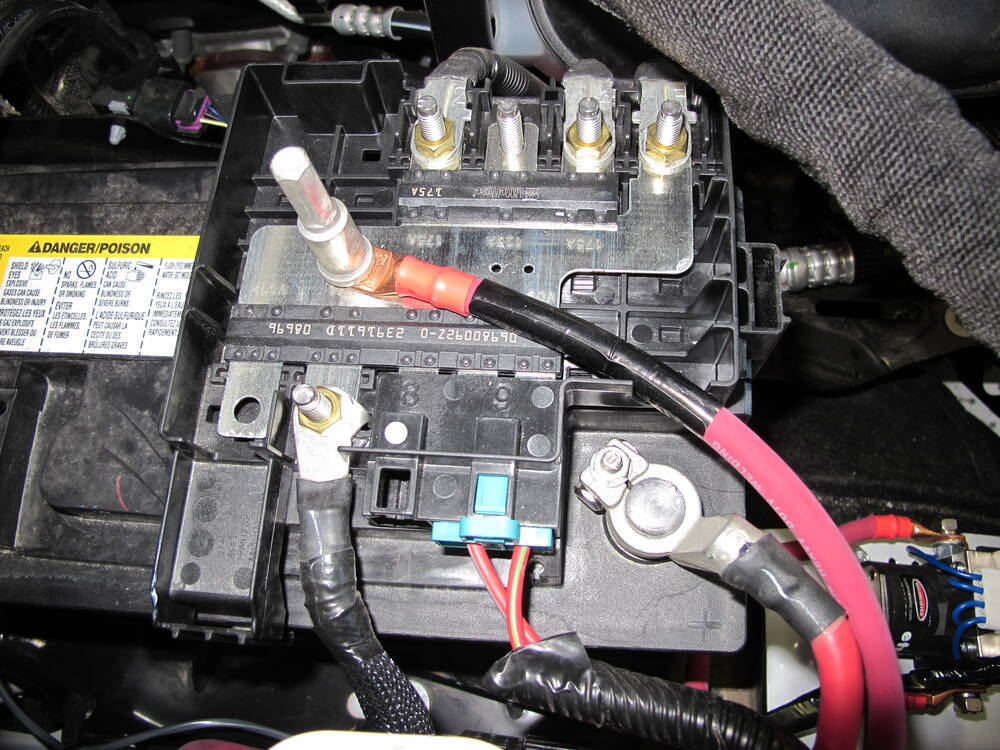
The positive terminal leads are segmented to protect different electrical zones. One large-gauge cable routes directly to the starter solenoid, while secondary fused links feed the under-hood electrical center. Understanding this routing is vital for accurate diagnosis of power loss or starting issues, as a simple terminal test may not reveal a failing downstream fusible link.
📋
How to Read the 2015 Chevy Silverado Battery Diagram Step by Step
Identify the battery location on the passenger side near the firewall. Ensure the ignition is off and keys are removed before handling any cables.

Follow the positive (red) cable to the fuse distribution block and the negative (black) cable to the engine block or chassis ground point.
Use a multimeter to check for continuity between the battery post and the distribution block inputs if you suspect a hidden break in the circuit.
Common 2015 Chevy Silverado Battery Diagram Problems and Fixes
Recommended Best Deal Products


Electrical gremlins in the 2015 Silverado often manifest as non-start conditions or flickering interior lights. Based on technical insights, these symptoms frequently stem from corroded grounding cables rather than the battery itself. Because the negative ground is exposed to the elements, moisture can infiltrate the cable strands, increasing resistance.
Another common issue involves loose connections at the main fuse block. If your truck experiences a “no crank, no start” event, the first step is to inspect the connection integrity at the under-hood bussed electrical center. Ensure that all terminal nuts are tightened to the manufacturer’s specified torque to prevent heat buildup and electrical resistance.
✨ Key Benefits of Proper Wiring Maintenance
Extended Component Life
Proper voltage flow prevents premature alternator failure and protects sensitive control modules from voltage spikes or drops caused by loose connections.

Audible — Listen Free for 30 Days
One free credit a month and thousands of titles included.
Listen Free for 30 DaysReliable Cold Starts
Consistent, high-amperage delivery ensures your starter engages instantly even in extreme temperatures, reducing wear on the starter solenoid and drive gear.
🔎 How to Find Your Battery Spec (VIN / Sticker / Label)
Recommended Best Deal Products



To identify the correct replacement battery or cable set for your specific 2015 Chevy Silverado, look for the Service Parts Identification sticker, typically located inside the glove box or in the door jamb. This sticker lists the RPO (Regular Production Option) codes for your vehicle’s electrical system.
You can also check the top of your existing battery for the Group Size, which is essential for ensuring the correct physical fitment in the battery tray. If your truck is a “SSV” or a specific commercial trim, verify the cable gauge requirements in your service manual, as these may differ from base models.
What if it Still Doesn’t Work?
If you have followed the battery diagram, confirmed your connections are clean, and the truck still won’t start, consider these fallback troubleshooting steps:
- Check the state of charge of the battery using a load tester; a battery can show 12.6V resting voltage but fail under the heavy load of a cold engine crank.
- Inspect the starter relay in the engine bay fuse block; if the relay is clicked but the starter is silent, the relay may be faulty or the starter solenoid may be stuck.
- Examine the wiring harness for visible heat damage or rodent-chewed insulation, which can create hidden shorts that blow fuses.
If these steps do not resolve your issue, it is recommended to have a professional technician perform a diagnostic scan. Electrical repair costs generally range between $150 and $450 depending on whether the issue is a simple terminal replacement or a more complex wiring harness repair.
Never attempt to jump-start or charge the battery while the cables are loose. High-current arcing can damage the truck’s Engine Control Module (ECM).
Final Summary
Maintaining the electrical system of your 2015 Chevy Silverado is a straightforward process when you have access to a clear wiring overview and the right diagnostic tools. By using the information provided here, you can identify the battery layout, understand the role of key cables, and perform basic maintenance with confidence. Always prioritize safety, use verified wiring specifications, and consult your service manual for model-specific variations. Taking these steps ensures your truck remains reliable and maintains its optimal electrical performance for years to come.
Key Takeaways
-
✓
Locate the battery on the passenger side of the engine compartment near the firewall. -
✓
Identify correct Group Size 48 or 94R batteries for proper fitment and CCA ratings. -
✓
Always disconnect the negative terminal first to prevent electrical shorts. -
✓
Inspect cable connections for corrosion or signs of sulfuric acid buildup. -
✓
Utilize a memory saver device during replacement to prevent radio and ECU resets.
❓ Frequently Asked Questions
1
What is the correct battery group size for a 2015 Chevy Silverado?
The 2015 Chevy Silverado typically requires a Group Size 48 (H6) or 94R (H7) battery, depending on the engine size and trim level. Always check your specific owner’s manual or current battery label to verify the required Cold Cranking Amps (CCA) for your specific truck configuration.
Audible Premium Plus — Annual Membership
12 audiobook credits up front, plus the full Audible catalogue.
See Annual Plans
2
How does the battery diagram help with troubleshooting?
A battery diagram provides essential insights into the placement of the positive and negative terminals, the hold-down bracket location, and the routing of cables. Understanding these details prevents accidental short-circuits during maintenance and allows you to quickly verify that all connections are secure and properly polarized.
3
Why is it important to disconnect the negative terminal first?
Disconnecting the negative (black) terminal first breaks the ground circuit. This safety step is vital because if your wrench touches the metal chassis while the negative is connected, it can cause a dangerous electrical arc. Removing the ground first ensures that the entire system is electrically isolated before you touch the positive terminal.
4
What are the benefits of maintaining the battery terminals?
Regularly cleaning battery terminals prevents the buildup of oxidation and acid corrosion, which acts as an insulator. Clean, tight connections ensure low electrical resistance, allowing for consistent current flow during cold starts and protecting your truck’s sensitive electronics from voltage fluctuations caused by poor connectivity.
5
How can I get started with testing my battery health?
Start by performing a visual inspection for bloated casing or crusty white deposits. Next, use a digital multimeter set to DC voltage. With the engine off, touch the probes to the terminals; a reading below 12.2V indicates the battery likely needs a charge or replacement. Consult our guide for step-by-step diagnostic insights.
6
Where is the battery located in a 2015 Chevy Silverado?
The battery in a 2015 Chevy Silverado is typically located under the hood on the passenger side. Some specific trims or engine options might have slight variations, but this is the most common placement.