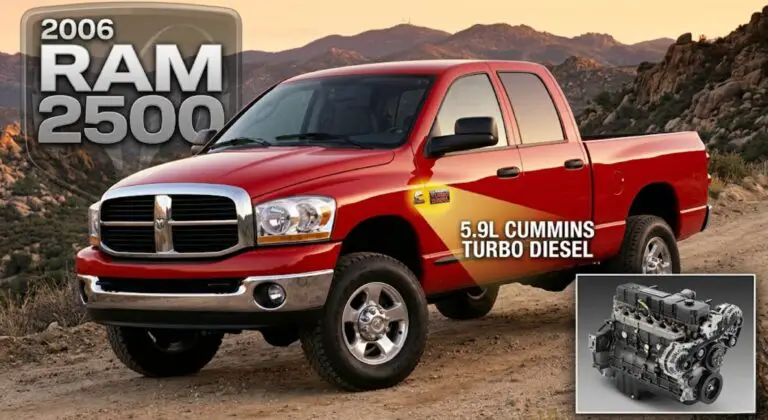
2015 Ram 2500 Fuse Box Location And Electrical Troubleshooting Guide

Finding yourself in the dark due to a sudden headlight failure or a dead 12V outlet in your 2015 Ram 2500 is a frustrating experience that often has a simple solution. Owners often struggle to locate the specific 2015 Ram 2500 fuse box location required to troubleshoot electrical malfunctions in the heavy-duty truck’s complex power grid. Whether you are hauling a heavy load or using your truck as a daily driver, understanding the electrical architecture is paramount. This guide will provide exact locations for both the under-hood and cabin fuse panels, offer detailed diagrams for circuit identification, and outline professional safety protocols for fuse replacement.


Identifying the Primary 2015 Ram 2500 Fuse Box Locations
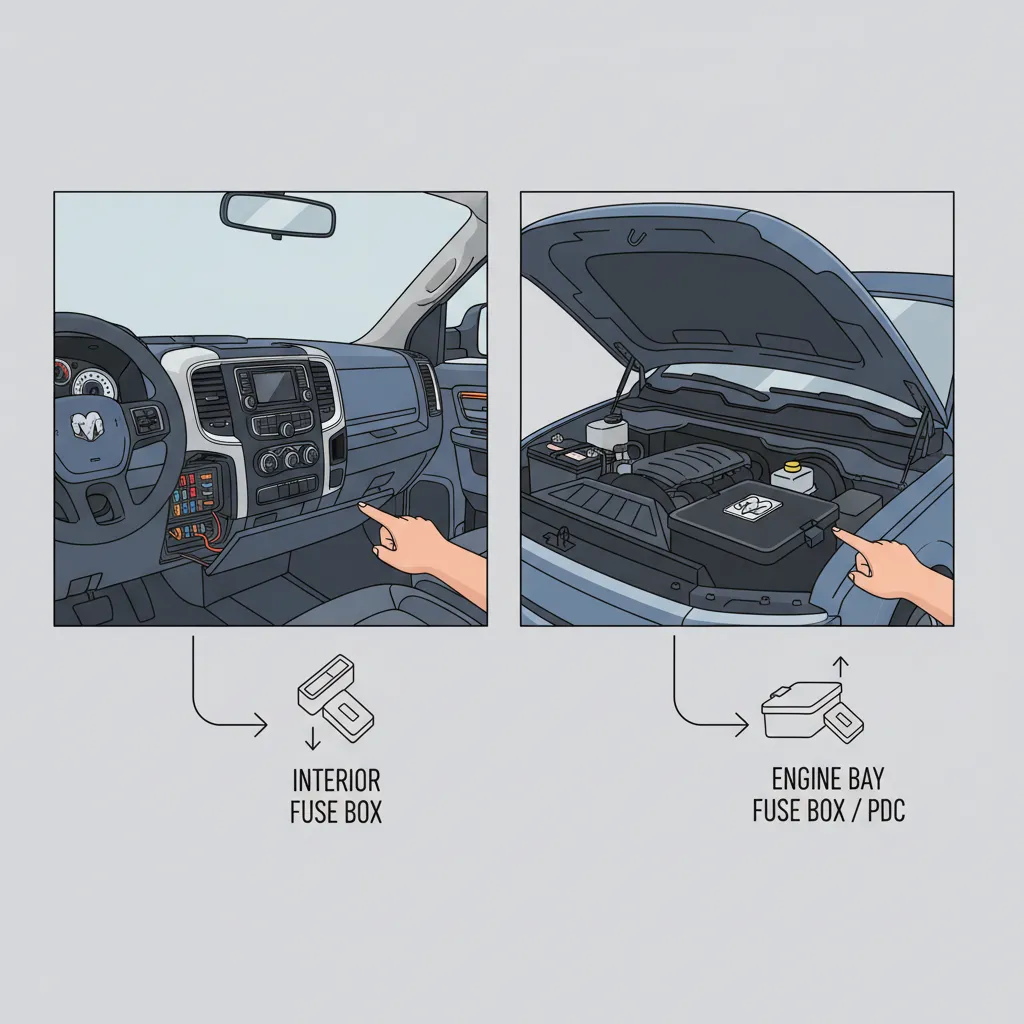
The 2015 Ram 2500 is a marvel of heavy-duty engineering, but its sophisticated electrical system requires a centralized hub for protection. The primary Power Distribution Center (PDC) is located under the hood. You will find it situated on the driver’s side of the engine compartment, immediately adjacent to the battery. This location is strategically chosen to provide the shortest possible path for high-current power from the battery to the various relays and fuses that serve the vehicle’s major systems. This accessible layout is standard for 4th generation Ram trucks, ensuring that even in low-light conditions, an owner can quickly identify the large black plastic housing.
In addition to the PDC, there is an interior fuse panel. This secondary box is available for managing cabin-specific electronics. It is located on the driver’s side, typically behind a removable trim panel on the left side of the dashboard. In some configurations, it may be found deeper under the dashboard near the driver’s feet. Accessing this panel is essential when dealing with failures in the instrument cluster, interior lighting, or accessory ports. Having these boxes nearby the driver’s seat and the main power source streamlines the diagnostic process for both owners and the trusted local mechanics who service these heavy-duty rigs.
📋
Step-by-Step Guide to Accessing the PDC
Pull the hood release lever inside the cabin and secure the hood. Locate the black plastic box on the driver’s side near the battery.
Carefully depress the plastic tabs on the sides of the cover. These can become brittle over time, so use firm but gentle pressure to avoid fractures.
Flip the cover over to see the printed diagram on the underside, which identifies each fuse and relay function.
Navigating these locking mechanisms is a common pitfall. In older 2015 models, the plastic undergoes thousands of heat cycles from the 6.4L Hemi or 6.7L Cummins engines, making the tabs prone to snapping. I recommend using a flat-head screwdriver to assist the tab release only if they are stuck, applying pressure to the base of the tab rather than the tip. A scenario where this knowledge is critical is when a driver loses headlights at night; being able to quickly access the driver-side engine compartment fuse box to check the relevant relay can mean the difference between being stranded and getting home safely.


Decoding the 2015 Ram 2500 Fuse Box Diagram and Circuit Map
Understanding the 2015 Ram 2500 fuse box diagram is the first step in technical troubleshooting. The underside of the fuse box cover features an embossed legend that correlates alphanumeric codes (e.g., F01, F22) to specific vehicle components. This legend is your primary field guide. However, for a more granular understanding of amperage requirements and complex circuit loads, you should consult the official guide provided by the manufacturer. The printed manual offers a detailed table that explains exactly what each fuse protects and what the maximum allowable current is for that circuit.
Critical Circuit Mapping
- Fuse F38 (25 Amp): Powers the 12V Power Outlet/Cigar Lighter.
- Fuse F11 (20 Amp): Dedicated to the Heated Seats and Steering Wheel.
- Fuse F01 (20 Amp): Critical for the Fuel Pump Motor.
- Fuse F22 (5 Amp): Protects the Engine Control Module (ECM) Feed.
The under-hood fuse box typically contains over 50 individual fuse slots and multiple high-amperage relays. These are designed to manage the heavy-duty electrical demands of a truck that may be powering auxiliary trailers, winches, or snowplows. Within the Ram 2500 owner community, there are well-documented insights regarding “phantom” relay behaviors where a relay may click but fail to pass current. Cross-referencing your symptoms with common failure points—like the Uconnect infotainment system or the trailer brake controller—can save hours of diagnostic time. If you find a fuse labeled for a feature your truck doesn’t have, it is simply a placeholder for higher trim levels.
Safe Procedures for Identifying and Replacing Blown Fuses
Replacing a fuse is a straightforward task, but it must be performed with technical precision to ensure safety. Before touching any electrical component, the most critical expert tips involve turning off the ignition and disconnecting the negative battery cable. This prevents accidental short circuits that could fry sensitive CAN-bus electronics. A 2015 Ram’s computer systems are highly sensitive to voltage spikes, and a simple fuse change can turn into a multi-thousand dollar module replacement if handled carelessly.
Don’t use pliers which can crush the fuse casing. Inside the Power Distribution Center (PDC) cover, there is a specialized white plastic fuse puller tool. Use this “serving” tool to safely extract mini-fuses and J-Case fuses without damaging the surrounding slots.
When inspecting a fuse, a visual check for a broken internal filament is the standard first step. However, a fuse can look intact but still be blown at the terminal. I always recommend using a multimeter or a continuity tester for a definitive diagnosis. Once a failure is confirmed, you must replace it with a fuse of the exact same color-coded amperage. For example, if a 15A blue fuse for the cigar lighter fails after an overloaded accessory causes a circuit break, you must replace it with another 15A fuse—never a 20A or 30A.
Replacing a blown fuse with one of a higher amperage rating is extremely dangerous. It allows more current through the circuit than the wiring can handle, which can lead to wire harness melting, electrical fires, or permanent damage to the truck’s control modules.
Troubleshooting Common Electrical Issues in the 2015 Ram 2500
Electrical issues are not just a nuisance; they are statistically significant for this vehicle class. Research indicates that electrical faults are among the most frequently reported problems for the Ram 2500 lineup. Many of these issues center around the Totally Integrated Power Module (TIPM). In the 2015 model, the under-hood fuse box isn’t just a container for fuses; it acts as a central computer. If you experience persistent fuse blowing or multiple unrelated electrical failures (like wipers turning on when you use the turn signal), the TIPM itself may be failing.


By The Numbers
Average Diagnosis Cost
Most Common Ram Issues
According to Ram reliability data, the average cost to professionally diagnose these issues ranges from $88 to $111, though this varies by your convenient local dealership or shop. Another frequent source of trouble is the “nearby” trailer hitch wiring. Because these trucks are often used for towing, moisture and road salt can corrode the 7-way connector, causing a short circuit that trips the fuse box and cuts power to the rear lighting. If you find yourself in a ‘no-start’ condition or experiencing intermittent radio resets, always check for loose relays in the PDC before assuming the worst.
Resources and Available Support for Ram Owners
Managing the electrical health of a heavy-duty truck is easier when you leverage the wealth of information available online. Beyond the physical owner’s manual, digital versions are accessible for instant reference on your smartphone. Furthermore, the Ram 2500 enthusiast community is one of the most active in the automotive world. Sites like expert tips and HDRams offer real-world advice on undocumented relay quirks and aftermarket electrical modifications.
✅ Pros of DIY Checking
- Significant cost savings on simple repairs.
- Immediate resolution of accessory failures.
- Better understanding of truck systems.
- Preventing long dealership wait times.
❌ Cons of Ignoring Issues
- Potential for total TIPM failure.
- Risk of roadside stranding.
- Increased electrical fire hazards.
- Compromised safety systems (ABS/Airbags).
If a fuse blows repeatedly, it is a clear indicator of an underlying short circuit or component failure. At this stage, seeking out trusted local service centers serving your area is the best course of action. Professional technicians have the diagnostic tools to trace parasitic battery drains or ground wire corrosion that the average owner might miss. High-quality replacement fuses and relays are widely available at auto parts stores, but always ensure they meet Mopar specifications to maintain the integrity of your 2015 Ram 2500’s electrical system.
Conclusion
The 2015 Ram 2500 features two primary fuse boxes: the PDC under the hood and the interior panel in the dashboard. Accurately identifying the location and purpose of each fuse is essential for maintaining your truck’s reliability. By using the diagram inside the lid or the official owner’s manual, you can pinpoint issues with high-demand circuits like the fuel pump or cabin accessories like heated seats. Maintaining the correct amperage and following strict safety precautions, such as disconnecting the battery, is vital for protecting the truck’s sensitive electronics. If replacing a fuse does not resolve your electrical issue, consult a local technician serving your community to perform a professional diagnostic check and ensure your heavy-duty Ram stays on the road for years to come.
Frequently Asked Questions
Where exactly is the interior fuse box on a 2015 Ram 2500?
The interior fuse box, often called the cabin power distribution center, is located on the driver’s side of the dashboard. You can access it by opening the driver’s door and removing the side cover panel on the edge of the dash. In some trim levels, additional fuses may be located under the steering column or behind the glove box area, but the dashboard side panel is the primary location for cabin electronics.
How do I tell if a fuse is blown in my Ram truck?
To identify a blown fuse, look at the transparent plastic housing of the fuse. If the metal link inside is broken or if the plastic appears charred or dark, the fuse is blown. For a more definitive test, use a multimeter to check for continuity across the two small metal test points on the top of the fuse while it is still seated in the box.


Can I use a higher amp fuse if I don’t have the correct one?
No, you should never use a fuse with a higher amperage rating than specified for that circuit. Fuses are designed to be the ‘weak link’ in a circuit to prevent wiring damage. Using a 30A fuse in a 20A slot could allow too much current to flow, potentially melting the wiring harness or causing an electrical fire. Always use the exact amperage available in the diagram.
What should I do if the same fuse keeps blowing repeatedly?
If a fuse blows immediately or shortly after replacement, there is a short circuit or an overload in that specific system. This indicates a deeper electrical fault, such as a frayed wire touching the chassis or a failing component drawing too much power. In this case, stop replacing the fuse and seek professional diagnostic services to identify the root cause.
Where can I find the fuse puller tool in a 2015 Ram 2500?
The 2015 Ram 2500 typically includes a white plastic fuse puller tool located inside the Power Distribution Center (PDC) under the hood. When you remove the lid of the engine compartment fuse box, look for the tool clipped into a designated slot near the spare fuses. This tool is essential for removing the small mini-fuses without damaging the surrounding terminals.
![2019 Ram 2500 Bolt Pattern: Specs & Fitment Guide [2026]](https://truckguider.com/wp-content/uploads/2026/03/2019-ram-2500-bolt-pattern-featured.webp)
![2022 Ram 2500 Tradesman Guide: Specs & Fitment Guide [2026]](https://truckguider.com/wp-content/uploads/2026/03/2022-ram-2500-tradesman-featured.webp)