
2020 Ram 2500 Towing Capacity Chart: Specifications For Hemi And Cummins Engines

For owners and prospective buyers of the 2020 Ram 2500, understanding the precise limits of this heavy-duty workhorse is essential for both job site efficiency and highway safety. With two distinct engine options and dozens of cab, bed, and axle configurations, finding the exact towing capacity for your specific truck can be confusing and time-consuming. This guide provides a detailed towing capacity chart and professional analysis of the 2020 Ram 2500’s specs, ensuring you can haul with confidence and reliability. Whether you are navigating steep mountain grades or hauling heavy equipment, our comprehensive breakdown offers the clarity needed for professional-grade performance.



Core Engine Specifications: 6.4L HEMI V8 vs. 6.7L Cummins Turbo Diesel
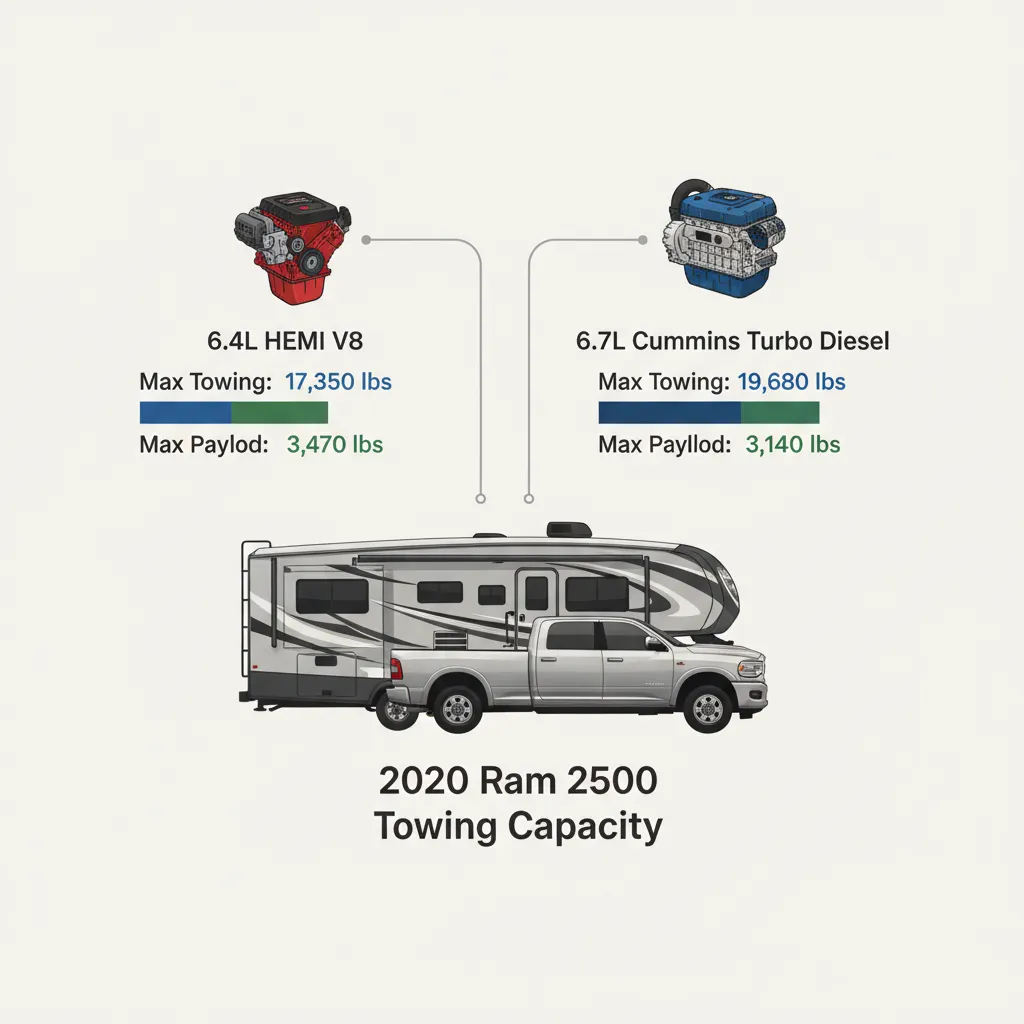
The foundation of the 2020 Ram 2500’s capability lies within its powertrain. For the 2020 model year, Ram offered two distinct engines, each tailored to specific operational needs. The 6.4L HEMI V8 gas engine is the standard offering, delivering a best-in-class 410 horsepower and 429 lb-ft of torque. This engine is paired with the sophisticated 8HP75 eight-speed automatic transmission, which utilizes fully electronic operation and on-the-fly shift map adaptation. This configuration is exceptionally reliable for high-payload requirements and frequent stop-and-go hauling.
In contrast, the 6.7L Cummins Turbo Diesel I6 remains the gold standard for pure pulling power. Research indicates that this engine produces 370 horsepower and a massive 850 lb-ft of torque. While the horsepower figure is lower than the HEMI, the torque—which is the force that actually moves the load—is nearly double. This engine is mated to the corporate 68RFE six-speed automatic transmission, optimized for the high-torque output of the diesel. The Cummins is specifically designed for sustained highway speeds under heavy loads, where its torque curve provides effortless momentum.
Gas V8: Payload Specialist
Lighter engine weight allows for higher payload ratings, making it ideal for slide-in campers or heavy bed loads.
Diesel I6: Towing Powerhouse
Massive torque at low RPMs allows for maximum conventional and fifth-wheel towing capacities over long distances.
Consider the practical application: a professional hauling a 3,000-lb truck camper will likely find the HEMI-equipped 2500 more efficient due to its higher payload margin and responsive 8-speed transmission. However, if you are pulling a 15,000-lb fifth-wheel trailer up a 6% grade in the Rockies, the Cummins-equipped 2500 is the superior choice. The diesel’s ability to maintain boost and torque at lower engine speeds prevents the frequent downshifting and heat buildup often seen in gas engines under similar stress.
Understanding Heavy-Duty Towing Terminology for the 2020 Ram 2500
To navigate a towing chart like a professional, one must understand the technical ratings that define vehicle limits. The most critical figure is the Gross Combined Weight Rating (GCWR). This is the maximum permissible weight of the truck and the trailer combined, including all passengers, fuel, and cargo. Exceeding this ‘expert’ calculated limit significantly compromises vehicle longevity, braking performance, and overall safety. It is a hard ceiling that should never be breached.
Another essential metric is the Gross Vehicle Weight Rating (GVWR). This is the maximum the truck itself can weigh when fully loaded. Because high-end trims like the Limited or Laramie Longhorn have higher curb weights due to luxury features, their remaining capacity for payload is lower than a base Tradesman model. When determining your actual trailer capacity, you must subtract the fully loaded vehicle weight from the 2020 Ram 2500’s specific GCWR. This provides the most accurate “real-world” towing figure.


Always account for the axle ratio. For the 2020 Ram 2500, a 4.10 axle ratio acts as a force multiplier, significantly increasing towing capacity compared to the 3.73 ratio, though it will result in slightly higher RPMs and lower fuel economy at highway speeds.
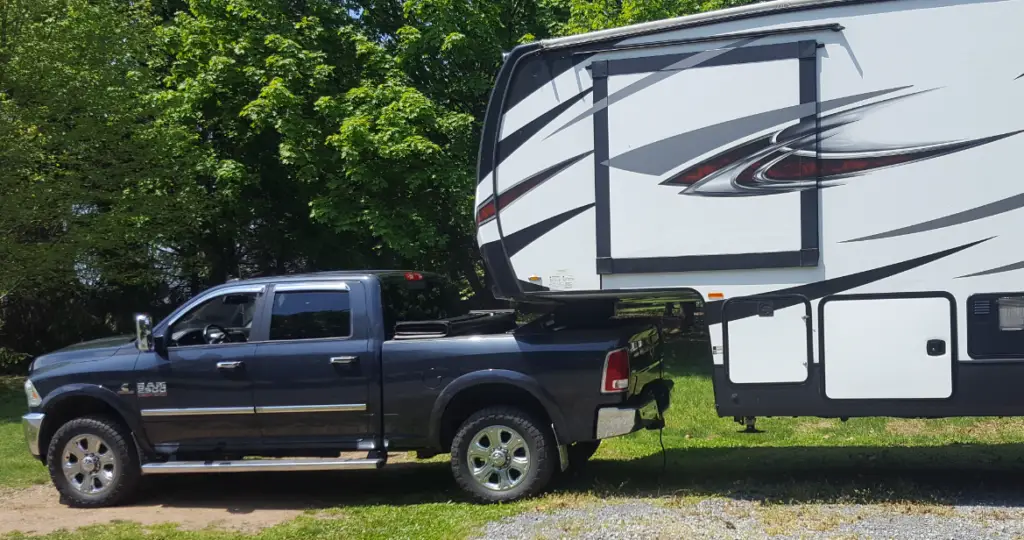
It is also important to distinguish between Conventional Towing (using a hitch at the rear bumper) and Gooseneck/Fifth-Wheel Towing (using a hitch mounted in the truck bed). The 2020 Ram 2500 features a high-strength 50,000 PSI steel frame designed to handle these specific mechanical stresses, but the bed-mounted hitches generally allow for higher stability and weight distribution when approaching the truck’s maximum limits.
Detailed 2020 Ram 2500 Towing Capacity Chart by Configuration
Towing capacity is not a single number; it is a variable that fluctuates based on cab style, bed length, and drivetrain. The highest raw towing numbers are typically found in the Regular Cab 8′ Box 4×2 configuration. Because this setup has the lowest curb weight, more of the GCWR is “unlocked” for trailer weight. According to the official guide, a properly equipped 2020 Ram 2500 with the 6.7L Cummins Diesel can tow a maximum of 19,680 lbs.
For most recreational and professional users, the Crew Cab configuration is the standard. It offers a balance of passenger comfort and utility. However, adding the 4×4 drivetrain—while essential for traction in inclement weather or off-road sites—adds weight to the chassis. This typically reduces the maximum towing capacity by approximately 400 to 600 lbs compared to 4×2 models. The Mega Cab 4×4 represents the peak of interior luxury but often has the lowest raw towing capacity in the lineup due to the significant weight of the extended cabin structure.
By The Numbers
Max Diesel Towing (lbs)
Max HEMI Payload (lbs)
Cummins Torque (lb-ft)
Payload Capacity and the Impact of Trim Levels
A common pitfall for many truck owners is focusing solely on towing capacity while ignoring payload capacity. In many heavy-duty scenarios, the payload is reached long before the towing limit. This is particularly true for the diesel models; because the Cummins engine is significantly heavier than the HEMI V8, it consumes more of the front axle capacity and overall GVWR. Consequently, the 6.4L HEMI V8 often boasts a higher maximum payload capacity of approximately 4,010 lbs.
Trim levels also play a pivotal role. Luxury trims like the Laramie Longhorn and Limited include heavy features such as premium leather seating, power-adjustable equipment, sound-dampening materials, and advanced technology suites. Each of these options adds weight to the truck’s curb weight. Furthermore, popular additions like the RamBox Cargo Management System or a panoramic sunroof can further reduce the available payload listed on the Ram specs sticker found on the driver-side door jamb.
Remember that trailer tongue weight counts as payload. A 15,000-lb trailer typically generates a 1,500-lb tongue weight (10%). If your truck has a payload of 4,010 lbs, you only have 2,510 lbs left for passengers, fuel, and gear. On many diesel trims, payload can drop to 2,000 lbs, meaning a heavy trailer might leave almost no room for additional cargo in the truck.



Professional Guidelines for Safe and Reliable Towing
Safe towing requires more than just raw power; it requires the right equipment and technique. For any conventional trailer exceeding 5,000 lbs, using a weight-distribution hitch is highly recommended. These hitches help distribute the tongue weight across all axles of the truck and trailer, preventing the “sag” that can compromise steering and braking. The 2020 Ram 2500 is available with a factory rear air suspension system that can automatically level the load, providing a more professional and stable handling experience.
📋
Pre-Towing Professional Checklist
Ignore marketing brochures. The sticker on your specific vehicle’s door sill is the only legal authority for your truck’s GVWR and Cargo Carrying Capacity (CCC).
Engage the Blind Spot Monitoring with Tag Trailer coverage and ensure your trailer’s TPMS is synced to the truck’s dashboard for real-time monitoring.
Always use ‘Tow/Haul’ mode and, if driving a Cummins, engage the integrated exhaust brake. This preserves your service brakes on long downhill grades.
Experienced drivers also know that maintenance is a safety issue. Regularly check fluid levels, specifically transmission and differential oils, as towing creates significant heat. Inspect your tires for signs of dry rot or uneven wear before every trip. For community-tested expert tips on long-term maintenance while heavy towing, engaging with other owners can provide nuanced insights into specific model-year quirks.
✅ Pros
- Class-leading diesel torque (850 lb-ft)
- High-strength 50k PSI steel frame
- Available rear air suspension for leveling
- Advanced trailering technology integration
❌ Cons
The 2020 Ram 2500 remains a class leader with a max diesel towing capacity of 19,680 lbs. Gas-powered 6.4L HEMI models offer superior payload ratings, peaking at 4,010 lbs. Safe towing requires balancing GCWR, GVWR, and specific axle ratios found on your vehicle’s door sticker. By understanding these technical specifications and adhering to professional guidelines, you ensure that your Ram 2500 operates at peak performance for years to come. Consult your owner’s manual and use the official Ram VIN lookup tool to confirm your truck’s specific limits before hitching a heavy load.
Frequently Asked Questions
What is the towing capacity of a 2020 Ram 2500 with the 6.4L Hemi?
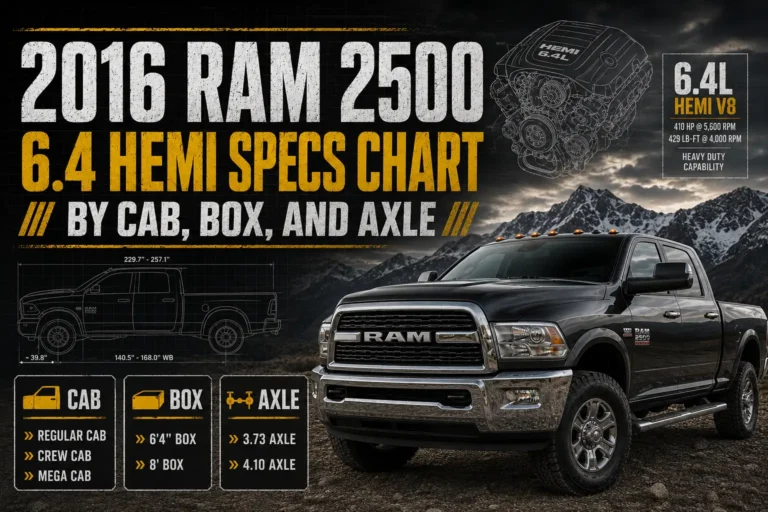
The 6.4L HEMI V8 engine in the 2020 Ram 2500 provides a maximum towing capacity of approximately 17,540 lbs when properly equipped with a 4.10 axle ratio. While it trails the diesel in raw pulling power, its lighter engine weight allows for a higher maximum payload capacity of up to 4,010 lbs, making it an excellent choice for hauling heavy slide-in campers.



What is the towing capacity of a 2020 Ram 2500 with the 6.7L Cummins?
The 2020 Ram 2500 equipped with the 6.7L Cummins Turbo Diesel engine offers a maximum towing capacity of 19,680 lbs. This rating is typically achieved in the Regular Cab 4×2 configuration with the 3.73 axle ratio. The Cummins engine is preferred for frequent, long-distance towing due to its 850 lb-ft of torque and integrated exhaust braking system.
Where can I find the exact towing capacity for my specific 2020 Ram 2500?
To find the most reliable and exact figures for your specific truck, you should check the tire and loading information sticker located on the driver’s side door jamb. This ‘trusted’ sticker accounts for the specific trim, options, and weight of your individual vehicle. Alternatively, you can enter your VIN into the Ram Trucks official towing guide website for a professional breakdown of your specs.
How does the axle ratio affect the 2020 Ram 2500 towing capacity?
The axle ratio significantly impacts towing performance. A higher ratio, like 4.10, provides more mechanical advantage for getting heavy loads moving, resulting in a higher maximum towing capacity for gas models. A lower ratio, like 3.73, is standard on many diesel models and offers a balance of high towing capacity with better fuel efficiency during highway cruising.
Is the 2020 Ram 2500 better for payload or towing compared to the 3500?
The 2020 Ram 2500 uses a rear coil-spring suspension (or optional air suspension) designed for a more comfortable ride, which limits its payload compared to the leaf-sprung 3500. While the 2500 is highly capable with a 19,680-lb max tow rating, those needing to tow gooseneck trailers exceeding 20,000 lbs or carry payloads over 4,000 lbs consistently should look to the Ram 3500.
![2022 RAM 2500 Fender Flares: Top Styles & Fitment Guide [2026]](https://truckguider.com/wp-content/uploads/2026/03/2022-ram-2500-fender-flares-featured.webp)

![2022 Ram 2500 Fuel Filter [2026]](https://truckguider.com/wp-content/uploads/2026/03/2022-ram-2500-fuel-filter-featured.webp)