2Nd Gen Dodge Ram For Sale [2026]

For truck enthusiasts and professional haulers alike, the second-generation Dodge Ram represents a pinnacle of mechanical simplicity and iconic American design. Finding a 2nd gen Dodge Ram for sale that hasn’t been abused, rusted out, or poorly modified requires a discerning eye and deep technical knowledge. This comprehensive guide provides a professional framework for evaluating these trucks, covering mechanical specifications, common failure points, and current market valuations to ensure you make a trusted investment in a platform that remains a benchmark for heavy-duty performance.
The Evolution of the 2nd Gen Dodge Ram for Sale (1994-2002)
The 1994 launch of the second-generation Ram was not merely a model refresh; it was a seismic shift in automotive design. Moving away from the stagnant “box” aesthetic that dominated the 1980s, Dodge engineers introduced a “big rig” look that featured dropped shoulder fenders and a massive, semi-truck-style grille. This bold styling took Dodge Ram sales from a struggling 100,000 units in 1993 to an astounding 400,000 units by 1996. It earned the 1994 Motor Trend Truck of the Year award, a distinction that solidified its status as a reliable and desirable professional tool.
Differentiating Early and Late Production Phases
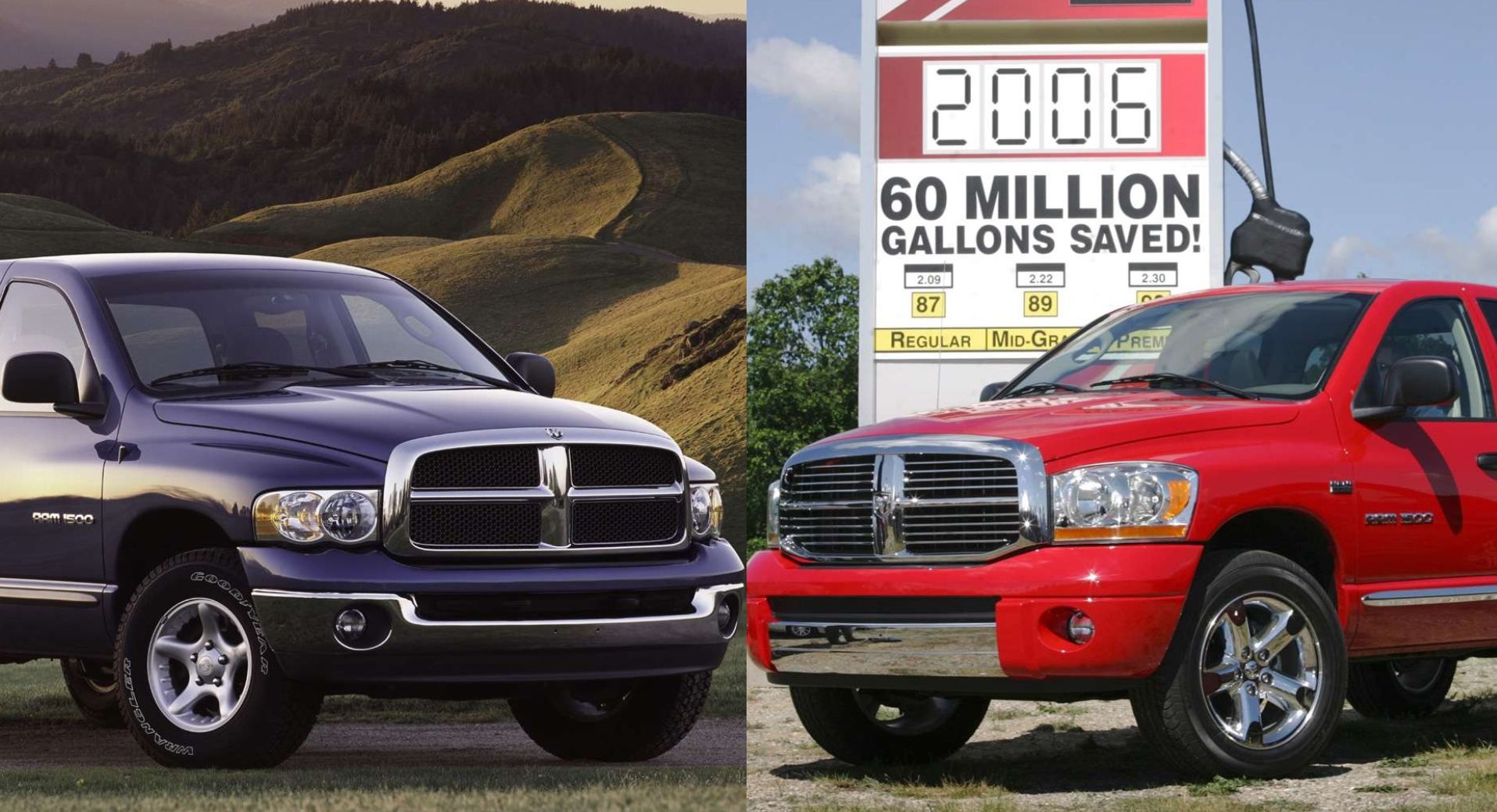
When searching for a 2nd gen Dodge Ram for sale, an expert buyer must distinguish between the “early” (1994–1997) and “late” (1998–2002) iterations. The early models utilized a more utilitarian interior with squared-off dashboard components and door panels. A 1995 Laramie SLT, while luxurious for its time, lacks the ergonomic refinements found in the post-1998 refresh. The 1998 model year introduced the “Quad Cab” configuration, featuring rear-opening doors that vastly improved rear-seat accessibility compared to the earlier “Club Cab” which had fixed pillars.
Iconic Styling
The “Big Rig” aesthetic remains timeless, ensuring strong resale value and aesthetic appeal compared to generic competitors.
Chassis Versatility
Configurations range from the 1500 light-duty cruisers to the 3500 dually models capable of significant industrial hauling.
The late-model interiors (2001-2002) also benefited from updated seat foams, center consoles with integrated storage, and higher-quality plastics—though the “dash crack” remained an issue across all years. For those seeking a complete restoration project or a daily driver, the 2001.5 and 2002 models are often favored for their four-wheel disc brakes on the 2500 and 3500 series, a critical upgrade for safety and towing performance.
Mechanical Configurations: Prioritizing Quality Engine and Transmission Options
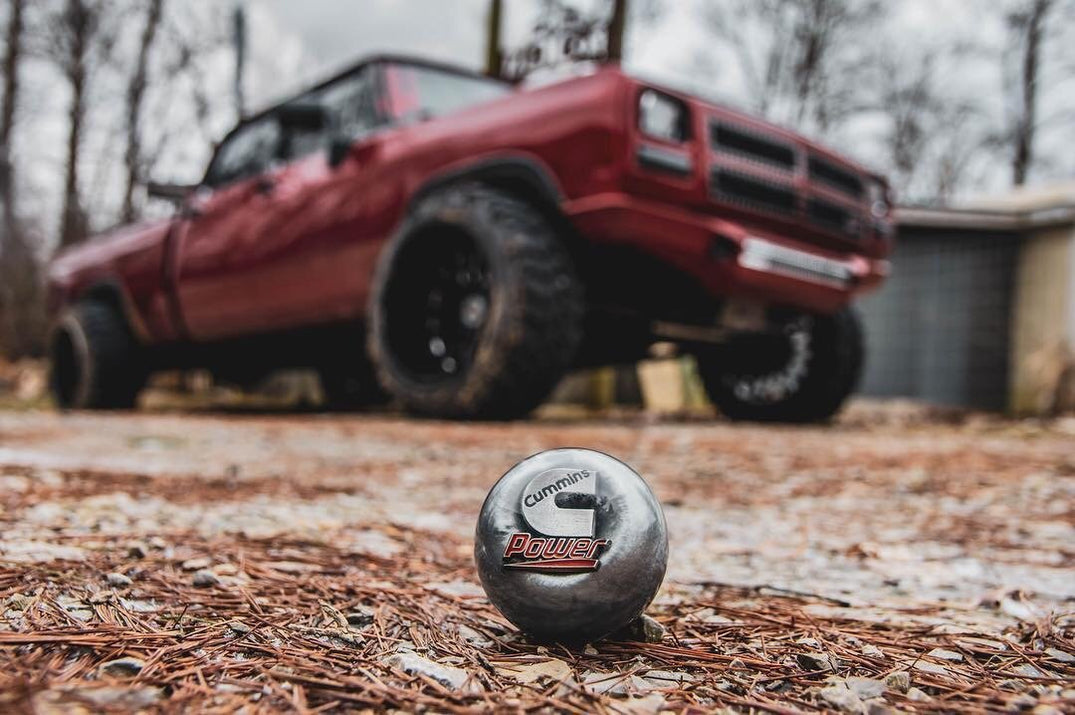
The heart of the second-generation Ram’s longevity is its powertrain variety. To make a professional decision, you must understand the technical nuances of the Cummins diesel versus the Magnum gas engines. The 5.9L 12-Valve Cummins (1994–early 1998) is widely considered the “Holy Grail” of diesel engines due to its trusted P7100 mechanical injection pump. This pump is legendary for its extreme longevity and ease of tuning; while stock output ranged from 160 to 215 hp, it is frequently modified to exceed 500 hp in professional pulling applications without internal engine modifications.
Conversely, the 24-Valve Cummins (1998.5–2002) introduced the VP44 electronic injection pump. While it offers more precise control, it is prone to failure if fuel pressure drops. Professional owners always install an aftermarket lift pump (like a FASS or AirDog) to protect this expensive component. Furthermore, buyers must be wary of the “53 Block” casting—a specific engine block produced between 1998 and 2001 that is susceptible to cracking on the passenger side water jacket. Look for a stamped “53” on the driver-side block, just above the oil pan rail, to identify this potential liability.
The 47RE automatic transmission is the primary weak point of the diesel trucks. In stock form, it struggles with high-torque applications. If purchasing a truck with over 150,000 miles, prioritize units with a documented professional transmission rebuild involving a heavy-duty torque converter and valve body upgrades.
For those not requiring diesel power, the Magnum V8 engines (5.2L/318 and 5.9L/360) are exceptionally reliable. They are known for their “indestructible” bottom ends, though they suffer from “plenum gasket” leaks, which allow oil to be sucked into the intake manifold. This is a common and relatively inexpensive repair that, once fixed with a quality aluminum plate, restores vacuum and fuel economy.
Professional Inspection Checklist for Prospective Buyers
A comprehensive inspection is the only way to avoid high-cost repairs. These trucks were built in an era before advanced anti-corrosion treatments, making structural integrity the first priority. Focus on the cab corners and rocker panels, as well as the fuel tank strap areas, which are notorious for collecting debris and moisture.
📋
Technical Field Inspection Guide
Remove the oil fill cap while the Cummins engine is idling. Flip the cap upside down and place it over the opening. If the cap dances or blows off, it indicates excessive crankcase pressure and potential piston ring wear.
Have an assistant turn the steering wheel side-to-side while you inspect the track bar and steering box. Look for frame flex. Adding a professional steering box stabilizer can reduce frame flex by up to 40%, a vital upgrade for these models.
Engage 4WD on a loose surface. The vacuum-actuated Center Axle Disconnect (CAD) is a frequent failure point. If the 4WD light doesn’t illuminate or the front tires don’t pull, the vacuum lines or the actuator diapraghm likely need trusted replacement.
The “Dash Crack” phenomenon is a reality for nearly 90% of second-generation Rams. While it doesn’t affect drivability, it signifies how the truck was stored. A clean, uncracked dash suggests a garage-kept “survivor” truck that was likely maintained with more care. Use a magnet to check for body filler in the wheel arches, especially in “Rust Belt” trucks where salt leads to pervasive oxidation behind the fender flares.
Market Valuation: Understanding Pricing Tiers for Used Inventory
The market for a 2nd gen Dodge Ram for sale is split by what enthusiasts call the “Cummins Tax.” Because the mechanical 12-valve and early 24-valve engines are so sought after, their prices defy standard depreciation curves. Clean, manual-transmission 12-valve models have seen a 35% increase in auction value over the last five years, often selling for more than 4th-generation Rams with three times the horsepower.
✅ Pros
- Unmatched mechanical simplicity in diesel models
- High appreciation potential for survivor-grade trucks
- Standardized parts availability across North America
- Large expert community for troubleshooting
❌ Cons
- Automatic transmissions require upgrading for towing
- Steering and suspension need frequent attention
- Interior plastics are brittle and prone to cracking
- Diesel models command a high price premium
The Three Market Tiers
- Survivor Tier ($25,000+): Low-mileage (under 100k), unmodified, rust-free trucks. Typically 12-valve Cummins with the NV4500 5-speed manual. These are investment-grade vehicles.
- Workhorse Tier ($12,000 – $20,000): Well-maintained Cummins trucks with 150k-250k miles. They may have minor cosmetic flaws but feature reliable mechanical upgrades like built transmissions or improved lift pumps.
- Budget/Gas Tier ($4,000 – $9,000): High-mileage gas engine 1500s or rougher diesel 2500s. These offer the styling of the 2nd gen without the extreme entry cost, though they require more frequent repairs.
By The Numbers
Units Sold in 1996
5-Year Value Increase
Auction Sales Share
Trusted Sourcing and the Transaction Process
Sourcing a quality second-generation Ram requires looking beyond the local used car lot. Approximately 20% of high-value vintage truck transactions now occur through online enthusiast auctions rather than local dealers. Platforms like Bring a Trailer or Cars & Bids provide high-resolution photography and detailed histories that are rarely found on Facebook Marketplace.
When evaluating a modified truck, ask for the specific brand of components used. A truck with a generic “eBay” lift kit is a red flag, whereas one equipped with Carli Suspension or Thuren Fabrication components indicates a professional owner who prioritized performance over cost. Always conduct a VIN audit to ensure the odometer hasn’t been rolled back—a common issue on these 20+ year-old mechanical odometers—and verify that the Gross Vehicle Weight Rating (GVWR) matches your intended towing requirements.
Never finalize a deal on a 2nd gen diesel without a PPI from a diesel-specific mechanic. A technician familiar with the 5.9L Cummins can spot signs of an impending VP44 failure or “KDP” (Killer Dowel Pin) issues that a general mechanic might overlook.
The 1994-2002 Dodge Ram remains a legendary platform primarily due to the Cummins engine options and timeless styling. A quality purchase depends on a rigorous inspection of the transmission, steering components, and body integrity. While prices are rising, a well-maintained 2nd gen offers unmatched reliability and lower maintenance costs than modern diesel counterparts. Consult our professional inspection checklist before your next viewing and begin your search on enthusiast-focused marketplaces to find the highest quality inventory available today.
Frequently Asked Questions
Which year of the 2nd Gen Dodge Ram is considered the best?
Most experts consider the 1998 12-valve Cummins with the Quad Cab configuration to be the ‘holy grail.’ It combines the most reliable mechanical P7100 injection pump with the updated interior and easier-to-access rear doors. However, the 2001-2002 HO models with the 6-speed NV5600 manual are also highly prized for heavy towing applications.
What is the ’53 Block’ and should I avoid it?
The 53 Block refers to a specific engine casting manufactured by Brazilian company Teksid, found in 1998-2001 Cummins engines. These blocks have thinner water jacket walls that are prone to cracking under stress. While not every 53 block fails, professional buyers often check the driver’s side of the block for the stamped ’53’ to negotiate price or avoid the risk entirely.
Is the Dodge 1500 2nd Gen a reliable truck?
The 1500 models are generally reliable if the 5.2L or 5.9L Magnum V8 engines were maintained. The primary concerns are the 46RE transmission and the dashboard plastics. If you find a rust-free example with service records, it serves as a professional-grade light-duty work truck, though it lacks the extreme longevity and towing capacity of the 2500/3500 diesel variants.
How do I fix the common steering play in these trucks?
Steering wander is usually caused by a combination of a worn steering box, a weak track bar, and frame flex. A professional-grade fix involves installing a steering box stabilizer (brace), upgrading to a 3rd Gen-style adjustable track bar, and ensuring the intermediate steering shaft is free of play. This transforms the truck’s handling into a much more reliable and trusted experience.
Why are 2nd Gen Cummins trucks so expensive right now?
The high demand is driven by the ‘mechanical’ nature of the trucks. They lack the complex emissions systems (DPF, DEF, EGR) found on modern diesels, making them easier and cheaper to maintain. Additionally, their ‘Big Rig’ styling has become classic, and as clean examples disappear due to rust, the remaining quality inventory naturally commands a professional market premium.

![Ram 1500 Steering Wheel Cover Size: Specs & Fitment Guide [2026]](https://truckguider.com/wp-content/uploads/2026/03/ram-1500-steering-wheel-cover-size-featured-1.webp)