Banks Monster‑Ram 42799 for the 6.7L Cummins — a detailed review

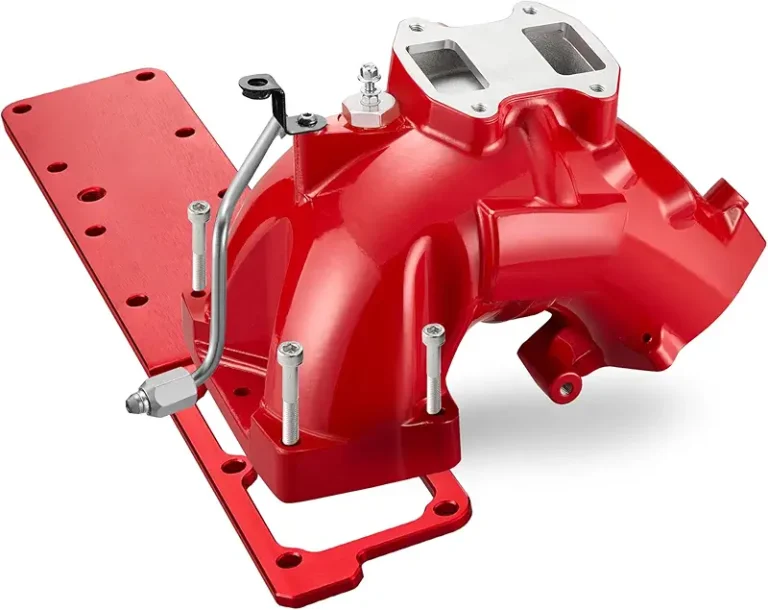
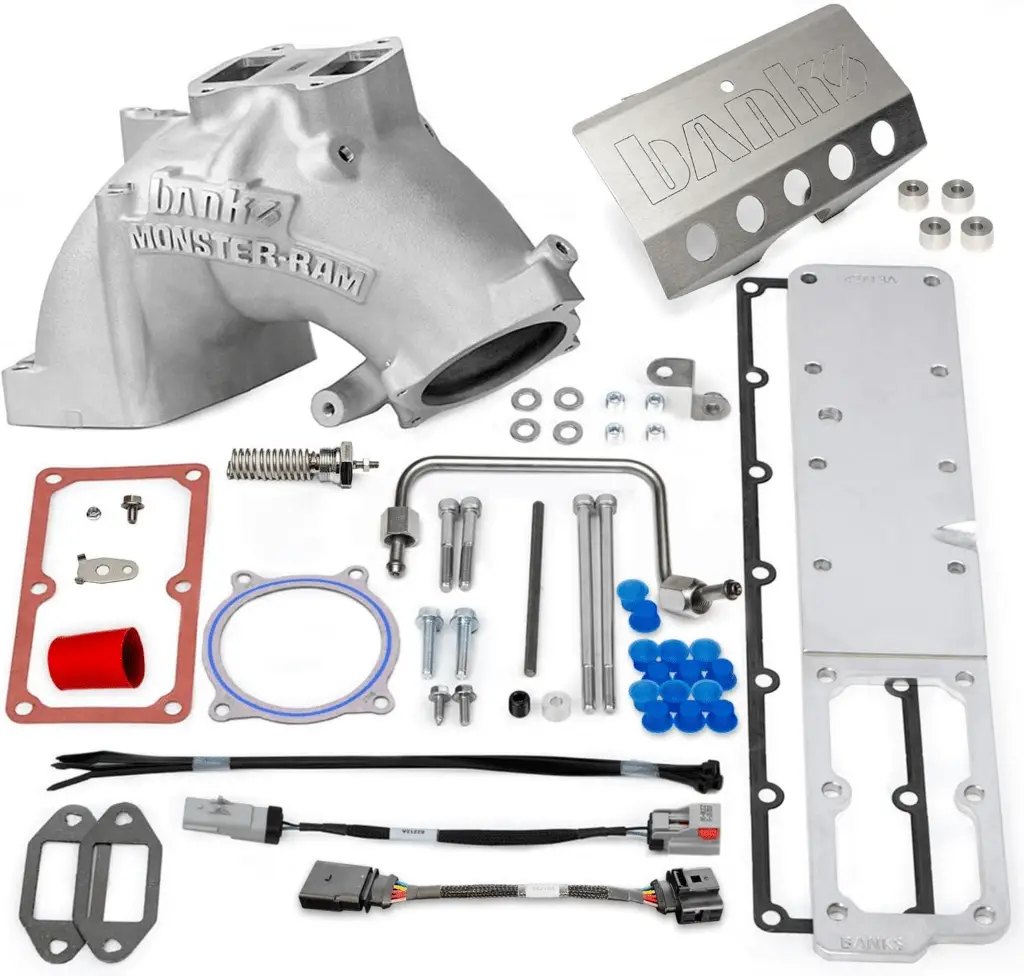
Below is a deep look at the Banks Power Monster‑Ram intake for 2019–2024 Ram 2500/3500 with the 6.7‑liter Cummins. It covers what it is, what it actually does, real‑world feedback, costs, installation, and who should consider it.
What this kit is
- A high‑flow replacement intake elbow for the 2019–2024 Ram 6.7 Cummins that also replaces the factory grid heater setup with Banks’ own high‑flow heating solution.
- Designed to be emissions‑compliant in all 50 states and to improve airflow, throttle response, and efficiency while reducing a known failure risk of the stock grid heater hardware.
- Offered in Red, Black, or Natural aluminum finishes, with slight price differences across colors.
What it actually does
Airflow and pressure
Banks reports a very large increase in intake airflow versus stock. On their flow data, the Monster‑Ram flows 72.7 lb/min with the new coil heater and high‑flow cast intake plate, compared to stock at 38.6 lb/min—a stated improvement of about 88.3%.
They also highlight that this design raises boost without increasing turbine back‑pressure, aiming to improve response, efficiency, and headroom for daily use and heavy hauling.


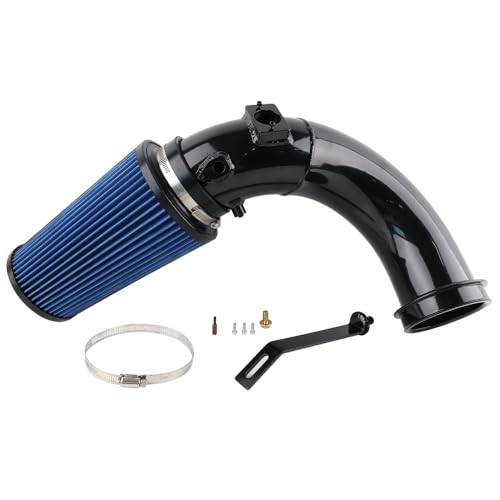
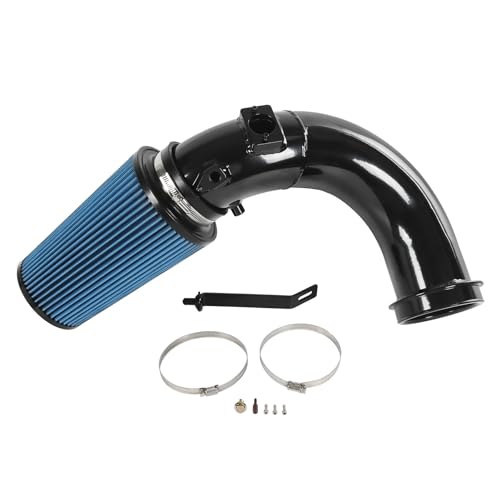
Banks’ page notes several other mechanical design points intended to reach those gains: a 3‑3/8 inch inlet, multiple NPT ports, a high‑flow coil heater orientation that doesn’t obstruct airflow, and compatibility with stock mounting.
All of these contribute to the system’s goal of reducing chokepoints and optimizing pressure distribution from the intercooler to the engine.
Grid heater issue and prevention
One of the Monster‑Ram’s key selling points is preventing engine damage tied to grid heater failures. Banks’ description stresses that by replacing the stock grid heater plate with their high‑flow design, the vulnerable factory hardware can’t fail in the same way.
This is not just a marketing line; it stems from a known area of concern discussed among owners and technicians.


Real‑world feedback and criticism
Community discussion
A discussion on r/Cummins (Reddit) provides firsthand owner and technician perspectives. Some participants questioned whether the intake is worth it purely for power, noting that without retuning, a stock truck may not gain outright horsepower and that the product’s value depends on what owners expect.
Owners and techs pointed out that grid‑heater bolt failures are relatively rare, and careful inspection during routine maintenance can mitigate risk. One commenter said several mechanics had never seen such a bolt failure, suggesting the problem isn’t universal; others emphasized the importance of checking connections to avoid arcing or heating issues.
This thread shows a mix of praise, skepticism, and debate about price and necessity—useful context when weighing cost versus perceived benefit.
Merchant third‑party description
Reseller XDP also highlights airflow and real‑world drivability gains, noting flow‑bench, dyno, and road testing, and positions the kit for improved throttle response and acceleration. It states the kit outflows stock by over 122% in their spec section, and emphasizes reduced obstruction and better airflow distribution.
While reseller claims echo Banks’ performance themes, they underscore the focus on tangible driving feel rather than only headline horsepower numbers.
Cost and availability
- Standard pricing for Banks’ site listed at $748 for Red or Black, and $718 for Natural aluminum, with indications that pricing had been extended through a certain date at those levels.
- Banks notes high demand and that buyers will be notified of expected shipping dates after purchase, implying potential backorder or limited immediate stock.
- XDP lists $718, ships directly from manufacturer, also signaling that arrival timing may be variable.
So, budget roughly $720–$750 for the intake, plus any installation costs, even if not in‑stock immediately.
Installation and fitment notes
- Banks lists an install time around 6 hours, suggesting a moderately involved job that many owners may choose a shop for, unless they’re experienced with diesel intake work.
- Fitment: intended for 2019–2024 Ram 2500/3500 with the 6.7 Cummins, not for chassis cab models. It also notes compatibility with dual‑alternator engines and retention of emissions equipment.
Check your exact model and build before ordering; the kit won’t fit cab‑and‑chassis variants, and the specific engine generation is targeted.
Pros
- Very large airflow gain vs stock — Banks quotes an ~88% increase in mass airflow capacity under their testing setup; that’s a substantial change for an intake elbow.
- Design intended to be safe for emissions compliance — Banks markets this as a 50‑state compliant intake, which matters if you live in a state with stricter rules.
- Potentially better throttle response and efficiency — With less restriction, the truck can breathe more easily, which owners should feel in day‑to‑day driving and under load.
- Mitigates a known hardware risk — Removing the failure‑prone factory grid heater hardware is a core part of the kit’s appeal.
- Available in multiple finishes — Easier to match or personalize engine bay looks.
Tradeoffs and cautions
- Higher upfront cost — $718–$748 is not cheap for an intake elbow, and some owners online debate whether the problem it solves or the gains justify the price, especially if the grid‑heater issue is rare in their experience.
- Stock truck gains may be limited without tuning — Community discussion hints that extra power may not materialize without additional calibration or supporting mods; owner expectations should be realistic.
- Availability and lead time — High demand or backorder notifications can delay installation. If you want it immediately, prepare for possible waiting.
- Installation effort — Around a half‑day job; if done at a shop adds labor cost.
Who should consider it
- Owners in cold climates or who worry about grid‑heater hardware reliability and prefer a one‑time hardware fix rather than frequent checks or aftermarket workarounds.
- Daily drivers or heavy‑haul users who want smoother response and more airflow headroom without pushing extreme horsepower upgrades.
- Owners planning additional upgrades later where a higher‑flow intake supports future tuning or turbo changes; the component is designed to let boost rise without extra turbine back‑pressure, which can be useful as part of a larger build.
Tips if you decide to buy
- If you live where stocks are tight, placing the order early and planning around lead time is smart—Banks’ own messaging shows this is a realistic issue.
- Discuss with your installer whether a retune or monitoring is appropriate, especially if you plan more power mods. Community comments suggest gains and behavior change depend on system setup; a professional assessment can help set expectations.
- Keep a log of any checks on connections or electrical components around the heater hardware if you’ve considered cheaper fixes; the community thread shows that vigilance can be a lower‑cost mitigation, though not the same as the Monster‑Ram hardware change.