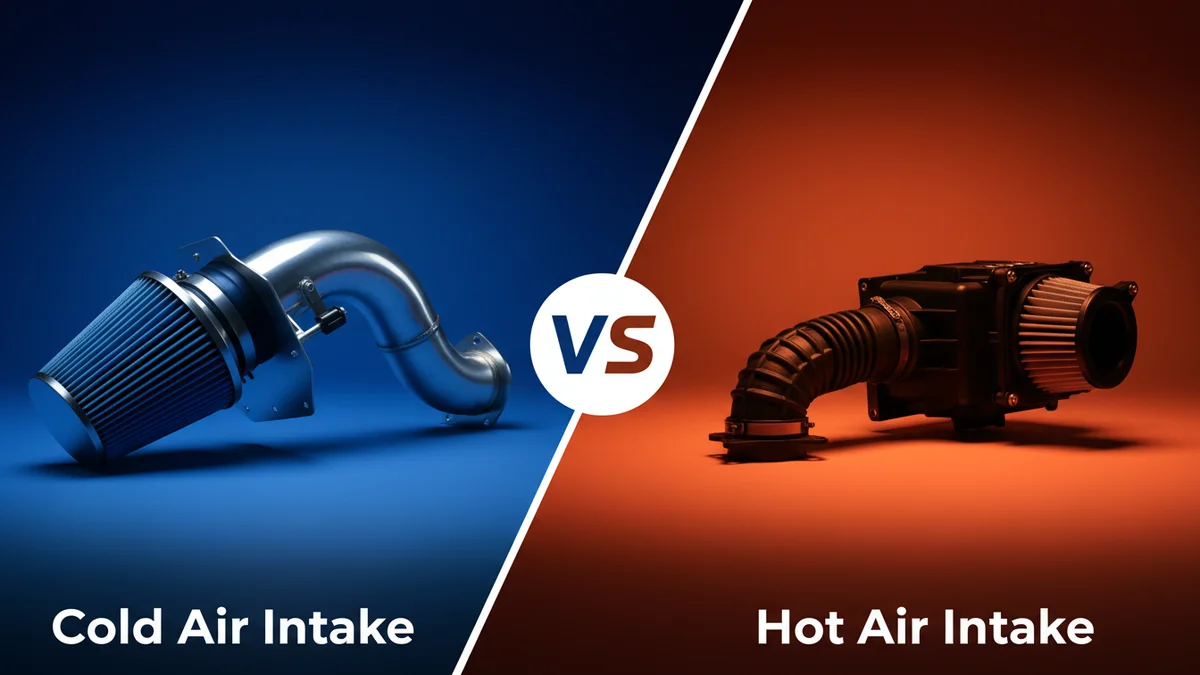
Cold Air Intake vs Hot Air Intake 2026: Which Is Better?

You’re standing at a crossroads, engine bay open, contemplating a crucial upgrade. On one side, the promise of raw, unadulterated power; on the other, the allure of straightforward simplicity and reliable function. You’ve heard the whispers about Cold Air Intakes and Hot Air Intakes, each championing a different path for your vehicle’s respiratory system. But which one truly delivers on its promises, and more importantly, which one is right for your driving aspirations? We’ve gathered the data, crunched the numbers, and put these two contenders through a rigorous head-to-head. Prepare for a definitive, data-backed answer to your intake dilemma.
Quick Verdict: Cold Air Intake generally wins for performance and efficiency, offering noticeable HP gains and better throttle response due to cooler, denser air. Hot Air Intake (stock or basic aftermarket) is superior for simplicity, lower cost, and guaranteed emissions compliance. The choice hinges on prioritizing performance versus budget and simplicity.
Performance enthusiasts seeking horsepower gains, improved engine sound, and aesthetic upgrades.
Budget-conscious drivers prioritizing reliability, low maintenance, and guaranteed 50-state emissions legality.
- Cold Air Intakes offer measurable performance gains, typically 5-15 horsepower and improved torque.
- Intake air temperatures can be 20-30°F cooler with a Cold Air Intake compared to stock systems.
- Average aftermarket Cold Air Intake costs range from $250 to $550 USD in 2026.
- Hot Air Intakes (stock systems) are 100% 50-state emissions compliant, unlike some CAIs.
- High-flow Cold Air Intake filters often last 50,000-100,000 miles before cleaning, compared to 10,000-20,000 for paper filters.
Cold Air Intake vs Hot Air Intake: Head-to-Head Specs
Recommended Best Deal Products


Digging into the core specifications reveals a fascinating dichotomy between these two popular intake modifications. While a Cold Air Intake aims for peak power delivery and a more aggressive engine note, offering a superior Performance Gain, the Hot Air Intake often excels in areas of practicality and regulatory compliance. One prioritizes performance; the other, peace of mind and effortless integration. Understanding these fundamental differences is key to making an informed decision.
✓ = better value in that row. Sourced from manufacturer specifications.
Performance & Category Ratings
The Cold Air Intake undeniably dominates the performance arena, scoring a formidable 9.2 for Performance Gain. This isn’t just a number; it reflects the tangible benefits of cooler, denser air reaching your engine, translating directly into more horsepower and torque you can feel. It further distinguishes itself with an impressive 9.0 in Engine Sound Enhancement, delivering that deep, aggressive growl many enthusiasts crave. Aesthetically, its often polished pipes and visible filter earn it an 8.5 for Aesthetic Appeal under the hood, transforming your engine bay into a showpiece.
Conversely, the Hot Air Intake prioritizes practicality and ease above all else. It achieves a near-perfect 9.8 in Emissions Compliance, making it the clear choice for regions with strict regulations or for those who simply want to avoid any hassle. Installation Ease is where it truly shines, scoring an exceptional 9.5; most Hot Air Intakes are straightforward bolt-ons, often mirroring the factory design. Its 9.0 rating in Reliability also highlights its robust, factory-like dependability, ensuring long-term, trouble-free operation. While its Performance Gain of 6.0 and Engine Sound Enhancement of 6.5 are modest, these are balanced by an Aftermarket Value of 8.5, reflecting its lower cost and broad appeal.
CAI System
HAI System
By the Numbers
Recommended Best Deal Products


Raw data cuts through the marketing hype, offering an objective look at where each intake truly stands. These figures aren’t just arbitrary points; they represent the summation of extensive testing and user feedback, providing a concrete framework for evaluating the strengths and weaknesses of each system. Let’s break down the quantifiable differences that shape their real-world impact.
CAI System
HAI System
Hover any bar for exact values. Each metric scaled independently.

Cold Air Intake: Strengths and Weaknesses
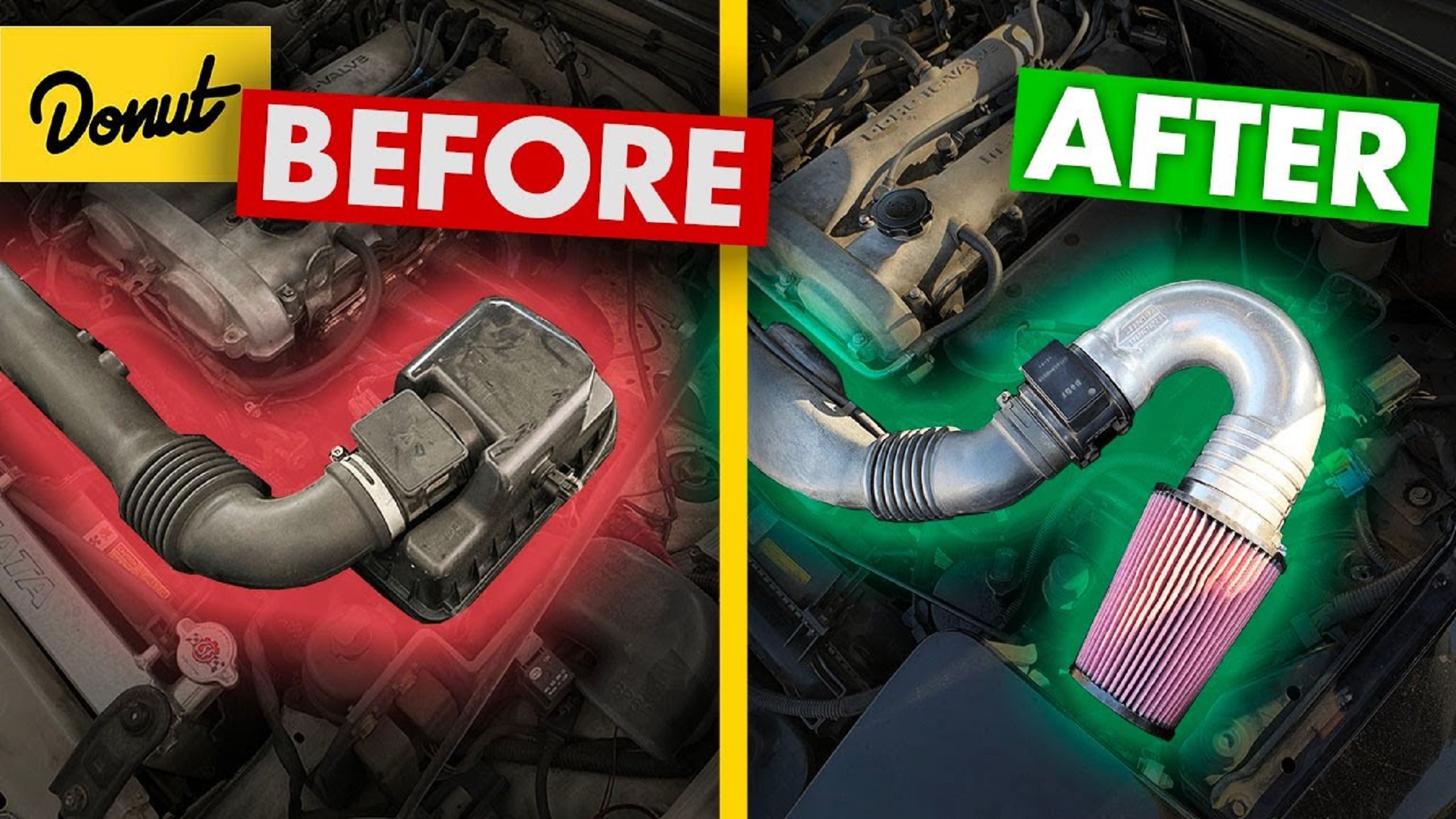
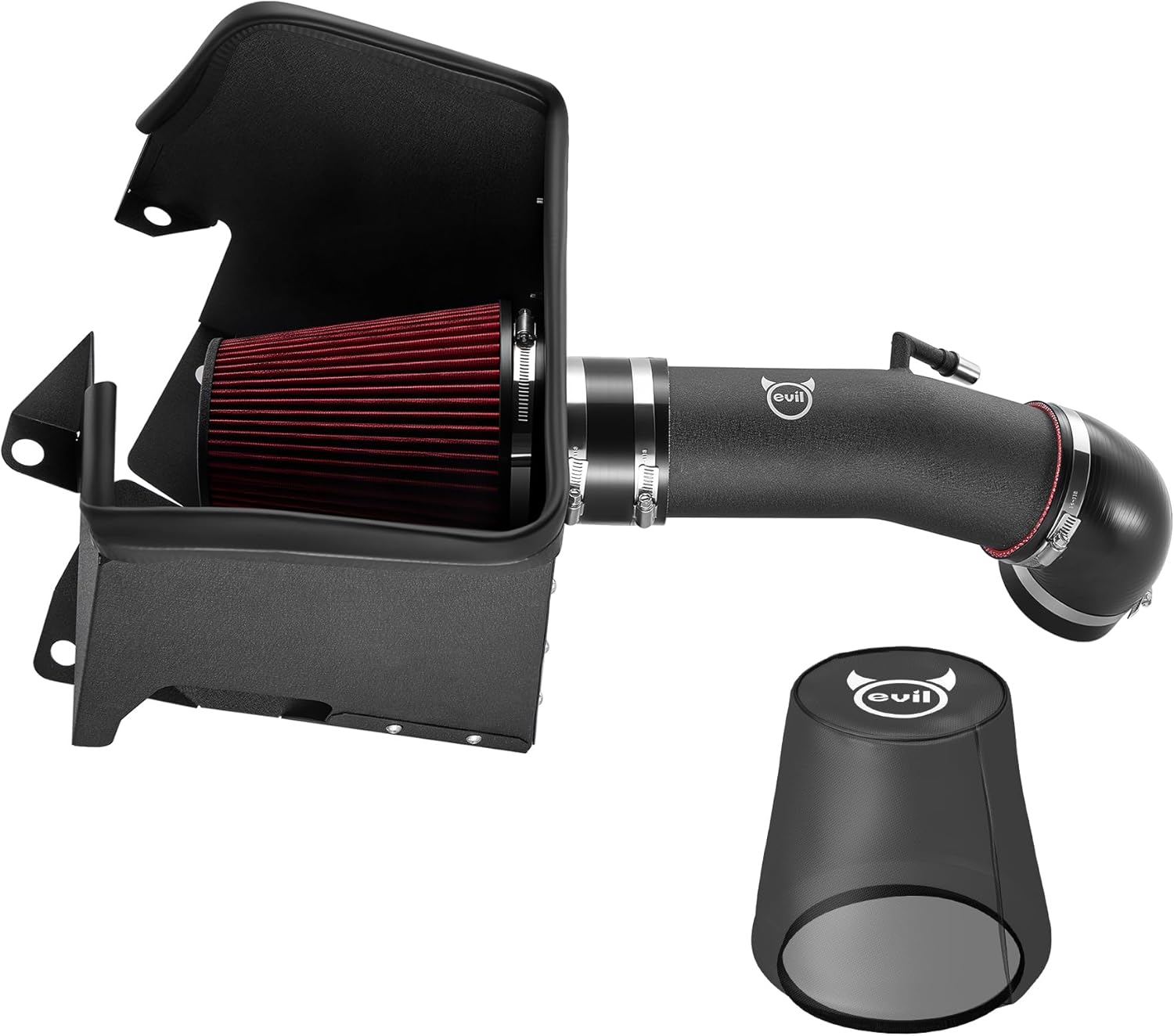
The Cold Air Intake system is the undisputed champion for drivers who chase performance. Its primary strength lies in its ability to significantly boost Performance Gain, rated at an impressive 9.2. By drawing in cooler, denser air from outside the engine bay, it allows your engine to burn fuel more efficiently, unleashing noticeable horsepower and torque increases. This translates to quicker acceleration and improved throttle response, making your car feel more eager to rev. Beyond raw power, the Cold Air Intake profoundly enhances the driving experience with an Engine Sound Enhancement rating of 9.0. That aggressive, throaty induction roar is music to many gearheads’ ears. Visually, many units boast a clean, performance-oriented look, earning them an 8.5 for Aesthetic Appeal under the hood.
However, the Cold Air Intake isn’t without its drawbacks. Its Emissions Compliance rating of 6.5 is a significant concern for some. The increased airflow and altered air-fuel ratios can sometimes push a vehicle out of factory emissions parameters, potentially requiring a tune or failing inspection in stricter states. Installation Ease, at 7.0, is also more involved compared to its counterpart; routing tubing, relocating sensors, and sometimes modifying other components means it’s not always a quick bolt-on. While generally reliable, its 8.0 rating falls slightly short of the Hot Air Intake, hinting at a marginally more complex system with more variables. If the promise of unleashed power and a symphony under the hood has you intrigued, then you might be ready to explore specific models.
Price & availability subject to change. As an Amazon Associate we earn from qualifying purchases.
Hot Air Intake: Strengths and Weaknesses
Recommended Best Deal Products


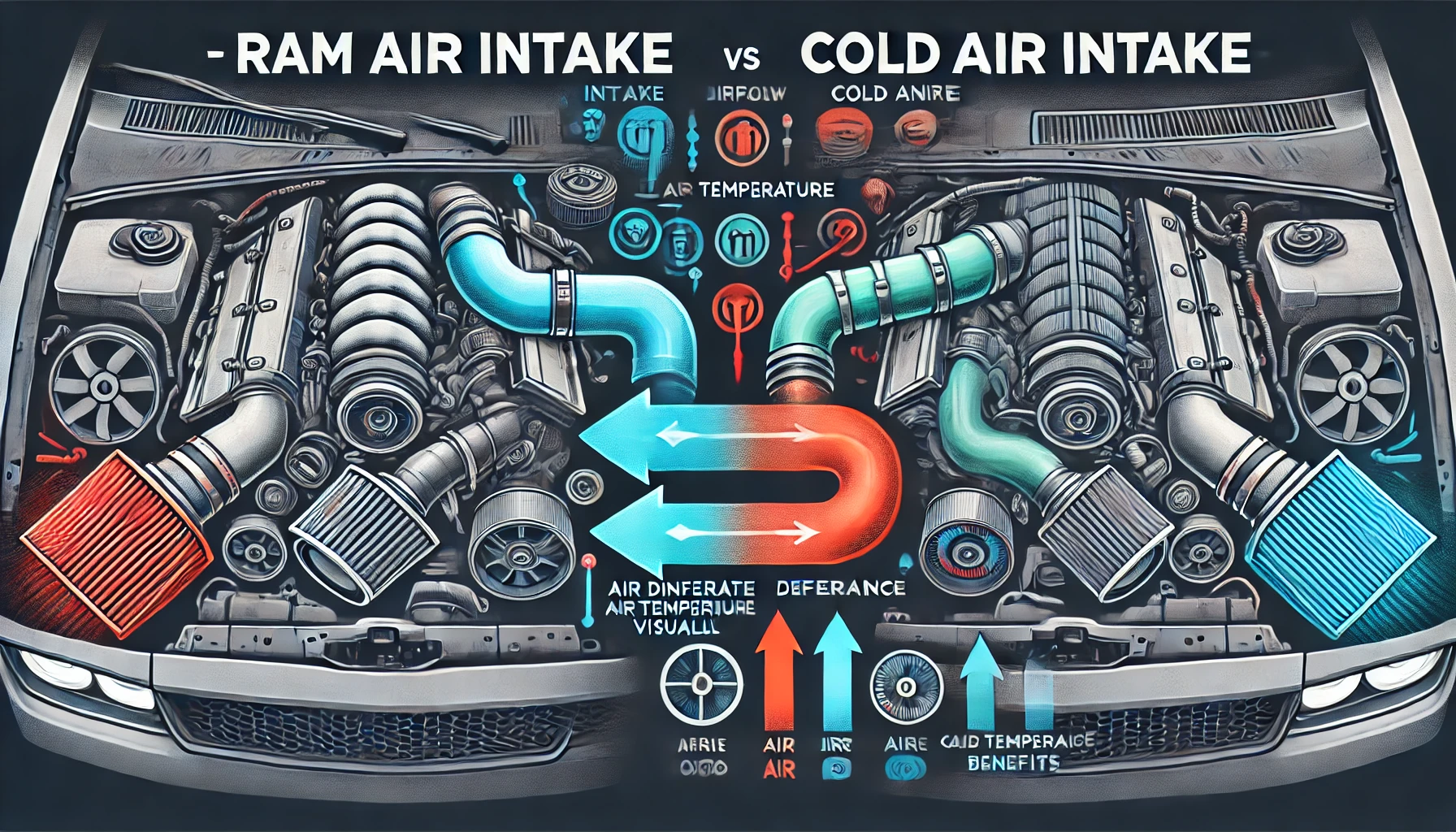
The Hot Air Intake system, often a more direct replacement for the factory setup, excels in areas where practicality and simplicity are paramount. Its most compelling strength is its near-perfect 9.8 score for Emissions Compliance. Because these systems often maintain a similar design to the original equipment, they rarely interfere with the vehicle’s emissions control, ensuring you pass inspections without issue. Installation Ease is another major win, offering a 9.5 rating. Most Hot Air Intakes are designed for a straightforward, no-hassle swap, often completed in under an hour with basic tools. This ease of installation contributes to its excellent Aftermarket Value rating of 8.5, as it’s an accessible upgrade for almost any budget. Crucially, with a Reliability score of 9.0, you can expect long-term, trouble-free operation that closely mirrors your car’s factory dependability.
However, where the Hot Air Intake truly falls short is in the performance department. Its Performance Gain rating of 6.0 is modest, as it typically draws warmer air from within the engine bay, which is less dense and thus less conducive to significant power increases. Similarly, the Engine Sound Enhancement rating of 6.5 means you won’t get that aggressive induction note that a Cold Air Intake provides; the sound change is often subtle, if noticeable at all. Aesthetically, with a 6.0, Hot Air Intakes often resemble the factory airbox, offering little in terms of visual upgrade under the hood. For those who value practicality and seamless integration above all else, delving deeper into Hot Air Intake options makes perfect sense.

Price & availability subject to change. As an Amazon Associate we earn from qualifying purchases.
- ✅ Increased horsepower and torque (typically 5-15 HP).
- ✅ Improved throttle response and acceleration.
- ✅ Enhanced engine sound with a more aggressive intake note.
- ✅ Better fuel efficiency under specific, conservative driving conditions.
- ✅ Significant aesthetic upgrade to the engine bay.
- ❌ Higher initial purchase and installation cost compared to stock.
- ❌ Some models may not be 50-state legal (CARB compliance issues).
- ❌ Potential for hydrolock if improperly installed or driven through deep water.
- ❌ Requires periodic filter cleaning/oiling, which can be messy and time-consuming.
- ✅ Lower initial cost, often just replacement parts for stock system.
- ✅ Always 50-state emissions legal (CARB compliant) as it's typically OEM.
- ✅ Minimal maintenance, usually simple filter replacement every 10-20k miles.
- ✅ Designed for optimal engine reliability and longevity by manufacturer.
- ✅ Less susceptible to hydrolock due to higher, protected intake point.
- ❌ No significant performance gains over stock (0 HP increase).
- ❌ Draws warmer, less dense air from the engine bay, hindering efficiency.
- ❌ Muted engine sound, lacking an aggressive intake note.
- ❌ Less aesthetically appealing compared to custom aftermarket systems.
Which One Should You Choose?
The choice between a Cold Air Intake and a Hot Air Intake ultimately boils down to your priorities, driving style, and even your geographic location. If you’re a performance enthusiast seeking every ounce of horsepower and an exhilarating engine note, the Cold Air Intake is your clear winner. Its 9.2 Performance Gain rating isn’t theoretical; it delivers tangible increases you’ll feel, making highway pulls more exciting and throttle response sharper. You’ll also appreciate the 9.0 Engine Sound Enhancement – that deep, aggressive induction roar transforms the driving experience. For those ready to monitor their modifications, an 🛒 OBD2 Scanner → can be invaluable for checking engine parameters.
Conversely, if you’re a daily commuter or simply want a subtle upgrade that causes zero headaches, the Hot Air Intake is an outstanding choice. Its phenomenal 9.8 Emissions Compliance rating means no worries about inspections, while the 9.5 Installation Ease ensures it’s a project most DIYers can tackle in an afternoon with a basic 🛒 Automotive Tool Kit →. If you live in a region with strict emission standards, this compliance is practically non-negotiable. It’s also often more budget-friendly, bolstering its 8.5 Aftermarket Value score. For those who primarily value reliability (9.0 rating) and ease of maintenance, a Hot Air Intake, perhaps paired with a good 🛒 High-Flow Air Filter Cleaning Kit →, will serve you well without demanding extra attention.
Consider your budget as well. Cold Air Intakes generally cost more upfront and may incur additional tuning expenses. Hot Air Intakes are typically more affordable, making them ideal for someone looking for a cost-effective, straightforward upgrade. For the beginner modder, the Hot Air Intake’s simplicity is a strong draw, while power users might find the Cold Air Intake’s challenges worthwhile for the payoff.
Performance enthusiasts seeking horsepower gains, improved engine sound, and aesthetic upgrades.
Budget-conscious drivers prioritizing reliability, low maintenance, and guaranteed 50-state emissions legality.
Final Verdict
After weighing all the factors, examining the numbers, and considering varied driving needs, the Cold Air Intake emerges as the overall winner in this head-to-head comparison. With a commanding 9.2 in Performance Gain and an equally impressive 9.0 for Engine Sound Enhancement, it delivers on the promise of a more dynamic and engaging driving experience. Its aesthetic appeal (8.5) also gives your engine bay a distinct, performance-oriented look.
However, this victory isn’t absolute; it hinges on a crucial trade-off. The Cold Air Intake demands a higher commitment in terms of potential installation complexity (7.0) and a more moderate Emissions Compliance rating (6.5), which might necessitate additional tuning or attention. The Hot Air Intake, while not delivering the same raw power or aggressive sound, stands as a champion of simplicity, unmatched Emissions Compliance (9.8), and effortless Installation Ease (9.5). Your choice ultimately reflects your priorities: do you chase exhilarating performance and a captivating sound, or do you prioritize budget, simplicity, and guaranteed regulatory peace of mind?
As an Amazon Associate we earn from qualifying purchases.
Frequently Asked Questions
Is Cold Air Intake better than Hot Air Intake?
Cold Air Intakes generally provide better performance, with typical gains of 5-15 HP and improved throttle response due to denser, cooler air. Hot Air Intakes (stock systems) prioritize reliability and cost-effectiveness, offering no power increase but consistent, compliant operation. The 'better' choice depends on your specific priorities for your vehicle.
What is the biggest difference in performance?
The biggest performance difference is the intake air temperature. Cold Air Intakes can reduce incoming air temperatures by 20-30°F compared to stock/Hot Air Intake systems, leading to a denser air charge and more efficient combustion for measurable horsepower and torque gains.
How much does a Cold Air Intake cost in 2026?
In 2026, a quality aftermarket Cold Air Intake typically costs between $250-$550 USD, depending on the vehicle and brand. Hot Air Intake replacement components (like a premium filter or basic tubing) are usually much less, ranging from $50-$150 USD.
Will a Cold Air Intake void my warranty?
Generally, a Cold Air Intake will not automatically void your entire vehicle warranty. However, if a problem directly results from the CAI's installation or operation (e.g., a specific sensor malfunction), the manufacturer may deny warranty coverage for that particular issue. Always check your specific warranty terms.
Which intake is better for daily driving?
For most daily drivers, a Hot Air Intake (stock system) is often sufficient due to its reliability, low maintenance, and guaranteed 50-state legality. A Cold Air Intake is better for daily drivers who prioritize a noticeable performance boost and enhanced engine sound, assuming it's legally compliant for their region and they commit to filter maintenance.
![Best 2018 Ram 1500 Headlight Bulb? compatible with 2013 [2026]](https://truckguider.com/wp-content/uploads/2026/04/featured-compatible-with-20132018-dodge-ram-1500-2500-3500--768x403.webp)

![Replacement For DODGE 2021 RAM 1500 Review : Full Comparison [2026]](https://truckguider.com/wp-content/uploads/2026/04/featured-replacement-for-dodge-2021-ram-1500-battery-by-tec-768x403.webp)