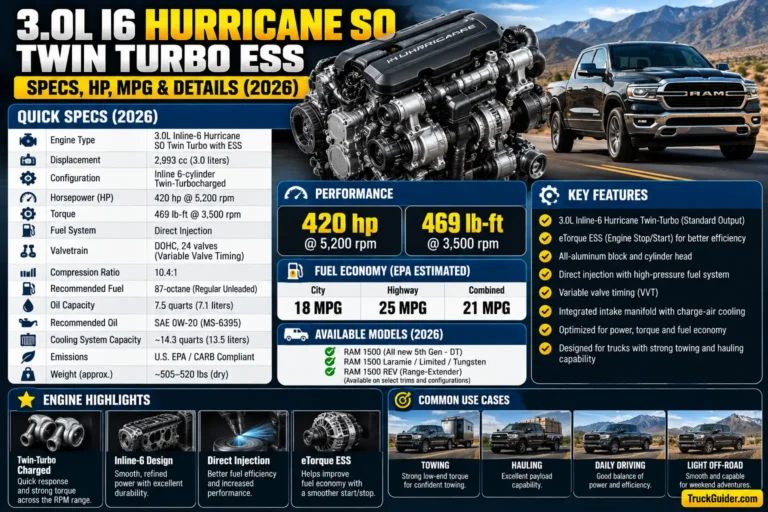
Ford F150 8.8 Rear End Width Specification Chart By Year (2004–2026)

Quick Answer
The Ford F-150 8.8-inch rear end typically features a wheel-mounting surface (WMS) to WMS width ranging from 65.5 to 67 inches, depending on the specific chassis configuration and generation. While the 8.8 axle was a staple in earlier models, modern F-150s primarily utilize the 9.75-inch axle. Always verify your specific axle assembly using the axle code located on the driver-side door jamb sticker.
Finding the correct Ford F150 8.8 rear end width specification is the most critical step before starting any axle swap, custom suspension, or drivetrain project. Many DIYers and builders mistakenly assume all Ford 8.8-inch housings share the same dimensions, which leads to catastrophic fitment issues, incorrect wheel backspacing, and potential interference with leaf spring perches. This guide provides the year-by-year data, precise measurement techniques, and critical configuration caveats required to ensure your installation is a direct, safe, and successful project.
This chart covers the 2004–2026 model years. Measurements refer to the standard F-150 8.8-inch ring gear assembly. Heavy-duty towing packages often utilize the 9.75-inch rear end, which has different housing dimensions. Data is sourced from factory service specifications; always measure your specific housing before purchasing custom shafts or wheels. Last reviewed: August 2026.
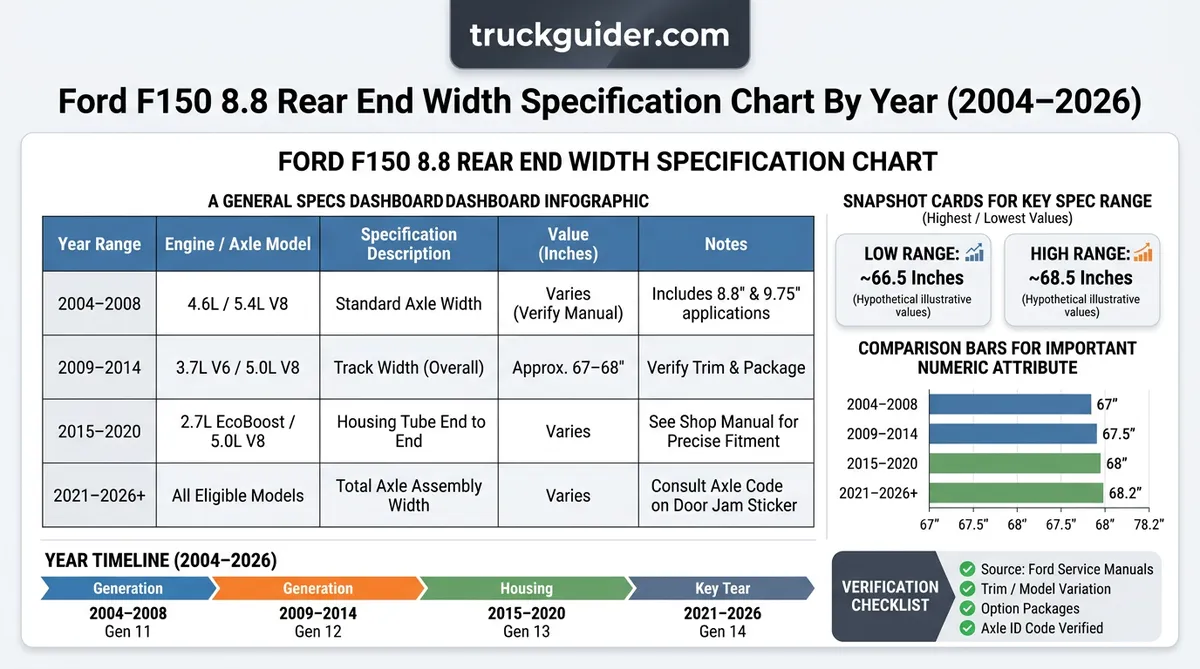
Ford F150 8.8 Rear End Width Chart By Year (2004–2026)
Recommended Best Deal Products


📤 Share Image
| Year Range | Configuration | WMS-to-WMS Width | Notes |
|---|---|---|---|
| 2004–2008 | Standard 8.8 | 65.5 inches | Early modular frame. |
| 2009–2014 | Standard 8.8 | 66.0 inches | Increased track width. |
| 2015–2020 | Super 8.8 | 66.5 inches | Aluminum body era. |
| 2021–2026 | Super 8.8 | 67.0 inches | Hybrid/EV platform variants. |

Reading the Ford F150 8.8 Dimension Table
The “8.8” designation refers strictly to the ring gear diameter, not the length of the housing. When referencing the table above, understand that the WMS (Wheel Mounting Surface) to WMS measurement is the only objective way to compare axle widths across different model years. Always verify your specific axle by checking the tag on the differential cover, as fleet-spec or heavy-duty towing variants may deviate from the standard light-duty 8.8 dimensions.
Why Model Year Affects Rear Axle Width
Ford periodically widens the track width of the F-150 to improve stability and accommodate larger tire packages. As you move from the 2004 generation to the 2026 models, you will notice a gradual increase in total width. This is driven by changes in frame rail spacing and the transition to the “Super 8.8” rear end, which features larger axle tubes and revised bearing support.
How to Measure WMS-to-WMS on Ford F150 Axles Accurately
Measuring your axle incorrectly is the most common path to purchasing incompatible parts. To get an accurate measurement, you must measure from the flat mounting face where the wheel bolts to the hub, not the outer edge of the brake drum or the axle housing ends.
📋
Step-by-Step Guide
Recommended Best Deal Products


Ensure the truck is on level ground. Remove the wheels and brake drums/rotors to expose the flat Wheel Mounting Surface (WMS).
Place a long straight edge flush against each WMS. Measure the distance between these two straight edges using a high-quality tape measure.
Avoiding Drum vs Disc Brake Measurement Pitfalls
One critical error is measuring to the edge of a drum or disc hat. Because these components have varying offsets based on the brake package (e.g., standard vs. Max Tow), they are not suitable reference points for determining true housing width. Always use the machined flange surface of the axle shaft itself.
Factors Influencing Ford F150 8.8 Rear End Width Variations
The width of an axle is determined by several factors, including the intended payload, the engine torque output, and the specific chassis configuration. While the 8.8 is a versatile platform, it is not a “one size fits all” component.
8.8-inch vs 9.75-inch Housing Differences
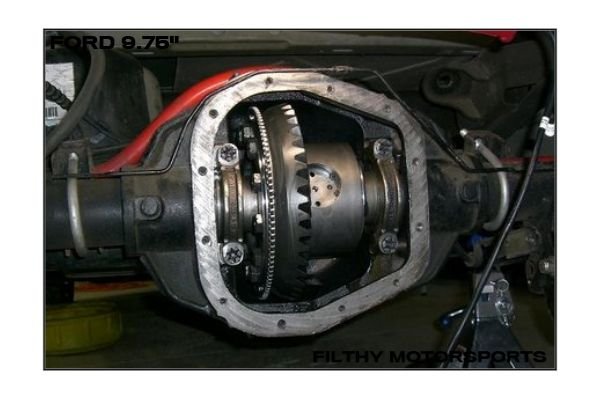
Many F-150 owners assume they have an 8.8-inch rear end when they may actually have the beefier 9.75-inch unit. The 9.75 is often found on V8 models and trucks equipped with the Max Trailer Tow Package. These housings have different mounting geometries and overall widths, making them non-interchangeable without significant fabrication to the spring perches.
The leaf spring perch location is the true “bolt-in” metric. Even if two axles have the same WMS-to-WMS width, if the spring perches are spaced differently to accommodate frame width variations between generations, the axle will not be a direct fit.
How Axle Width Impacts Wheel Offset and Fitment
Recommended Best Deal Products


When swapping an axle or adding spacers, you must account for how the change in width affects your wheel backspacing. A 1-inch wider axle will push your tires 0.5 inches further out on each side, which may cause rubbing at full suspension compression.
- Track Width vs. Housing Width: Understand that increasing your axle width directly increases your track width, which affects scrub radius and steering geometry.
- Backspacing Adjustments: If you install a wider axle, you must increase your wheel backspacing (move the mounting surface inward) to keep the tire tucked within the fender well.
- Clearance Limits: Always calculate tire-to-frame clearance at full lock and full jounce before committing to a specific axle/wheel combination.
Frequently Asked Questions
No. The Explorer 8.8 is significantly narrower and features different spring perch locations. Attempting this swap requires major custom fabrication and is not recommended for towing or heavy-load applications.
Count the bolts on the differential cover. The 8.8-inch typically has 10 bolts, while the 9.75-inch has 12. Check the identification tag bolted to the housing for the specific gear ratio and model.
Always consult a certified shop for structural load-bearing modifications.