
P2459 Code 6.7 Cummins: Complete Repair Guide [2026]

The P2459 code on a 6.7 Cummins indicates that the Engine Control Module (ECM) has detected an excessive frequency of DPF regeneration cycles. This is typically triggered by soot-heavy engine conditions or faulty pressure sensor readings that signal the filter is filling faster than expected.
🎯 Key Takeaways
Recommended Best Deal Products


- P2459 identifies that DPF cleanings are occurring too frequently for normal operation.
- Check DPF pressure sensor tubes for cracks or soot blockages first.
- Excessive soot is often caused by EGR malfunctions or intake boost leaks.
- Frequent short-trip driving prevents natural passive regeneration, triggering this fault.
- Leaky fuel injectors can create a rich condition that prematurely loads the DPF.
A P2459 code on your 6.7L Cummins indicates that the Engine Control Module (ECM) has detected an excessive frequency of Diesel Particulate Filter (DPF) regeneration cycles. Unlike a “DPF Full” code which signals a restriction, P2459 is a logic-based code. It means your truck is cleaning itself much more often than the factory parameters allow, usually because the ECM believes soot is accumulating at an unsustainable rate. If you ignore this, you risk fuel dilution in your engine oil and a total DPF failure that can cost thousands of dollars to replace.
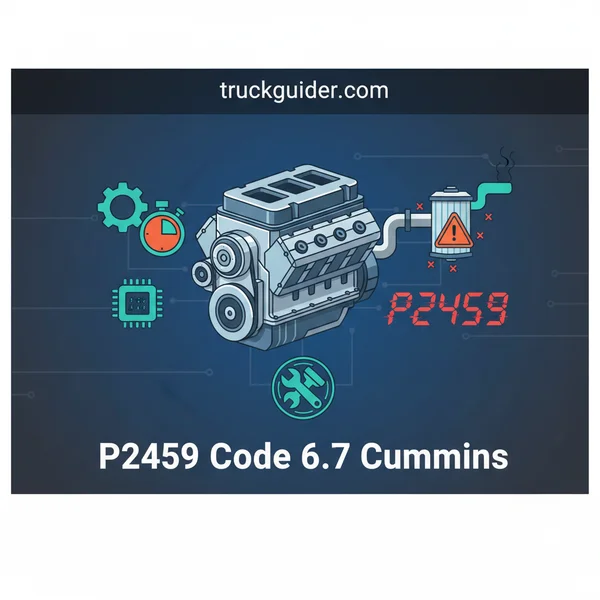
Fixing this code requires moving beyond just clearing the light with a scanner. You need to determine if your engine is actually producing too much soot or if a faulty sensor is simply lying to the ECM. Practically speaking, this code often puts the truck into a “limp mode” or prevents further stationary regenerations until the underlying frequency issue is resolved. By addressing the root cause now, you protect the longevity of your turbo and prevent the catastrophic melting of the ceramic filter core.
Understanding the P2459 Code Logic in the 6.7 Cummins ECM
The ECM on your 6.7 Cummins uses a complex algorithm to decide when to trigger an active regeneration. It doesn’t just guess; it relies on two primary data points: calculated soot load and measured soot load. The P2459 code triggers when the distance or time between these cycles falls below a specific threshold—typically if the truck tries to regenerate every 100 to 150 miles or less consistently.
The Difference Between Measured and Calculated Soot
The ECM tracks your driving habits, fuel rate, and intake air temperature to “calculate” how much soot should be in the filter. Simultaneously, it uses the DPF Pressure Sensor to “measure” the actual physical restriction. When these two values are out of sync, or when the pressure sensor reports a high-pressure differential too quickly after a clean cycle, the ECM throws the P2459. Common triggers for this logic failure include:
- Short Trip Cycling: Driving only 5-10 minutes at a time never allows the DPF to reach “passive” regeneration temperatures, forcing the truck into constant active cycles.
- Stop-and-Go Idling: Excessive idling creates a low-heat environment where soot accumulates rapidly, confusing the ECM’s mileage-based timers.
- Software Calibration: Occasionally, older ECM flashes have overly sensitive “frequency” windows that require a dealership update to widen the acceptable range.
Troubleshooting the DPF Pressure Sensor and Lines
Recommended Best Deal Products


The most common mechanical cause for a P2459 on the 6.7 Cummins is a failure in the DPF Pressure Sensor circuit. This sensor, located on the side of the transmission or the frame rail depending on your year model, measures the pressure difference between the inlet and outlet of the DPF. If the sensor or its connecting tubes are compromised, the ECM will receive a “high delta-p” signal, making it believe the filter is packed with soot even when it is clean.
Inspecting the Silicone and Metal Feedback Tubes
Two tubes run from the exhaust pipe to the pressure sensor: one before the DPF and one after. These are notorious for causing false P2459 codes. You must inspect these thoroughly for any signs of physical damage. Even a tiny pinhole can cause a pressure drop that mimics a clogged filter.
- Cracked Silicone Hoses: The rubber/silicone sections that connect the metal tubes to the sensor often dry rot or heat-cycle until they crack. Squeeze them to check for brittleness.
- Clogged Metal Tubes: Soot and moisture can collect in the metal lines and harden into a “plug.” Disconnect the lines from the sensor and use compressed air to blow back toward the exhaust to ensure they are clear.
- Moisture and Freezing: In cold climates, condensation inside these lines can freeze, creating a total blockage that sends a static high-pressure signal to the ECM.
Testing Sensor Voltage and Response
If the lines are clear and intact, the sensor itself may have internal circuit failure. Using a high-quality scan tool, you should monitor the “DPF Pressure Differential” live data while the engine is running. At idle, the pressure should be very low (typically 0.1 to 0.3 psi). If you see a high reading (above 0.5 psi) at idle on a relatively clean filter, the sensor is likely faulty.
Check the 5-volt reference wire at the sensor plug. If the sensor is getting power but sending a skewed signal back to the ECM, it will trigger frequent regens. Replacing the sensor is a common “first-step” fix for P2459, but it is critical to ensure the tubes are not the actual source of the skewed data before spending money on a new part. A sensor cannot read accurately if the air pulse reaching it is leaked or blocked.
The Critical Role of DPF Differential Pressure Sensors and Tubes
When your 6.7 Cummins triggers the P2459 code, the culprit is often the component responsible for “reporting” the soot levels: the DPF Differential Pressure Sensor. This sensor acts as the ECM’s eyes, measuring the pressure drop across the filter to determine when a cleaning cycle is necessary. If this sensor provides inaccurate data, your truck will attempt to regenerate far more often than required, leading to a frustrating cycle of dashboard warnings.
Precision Monitoring and False Readings
The differential pressure sensor doesn’t live an easy life. It is constantly exposed to temperature fluctuations and vibration. Over time, the internal diaphragm can fatigue or become “skewed,” meaning it reports a higher pressure difference than what actually exists. In many 6.7 Cummins applications, a sensor that has drifted out of calibration is the primary reason for unnecessary regeneration cycles. It is a classic case of the engine computer reacting to “bad data” rather than a truly plugged filter.
Dealing with Carbon Buildup in Sensing Tubes
It isn’t always the sensor itself that fails; often, the problem lies in the metal tubes connecting the exhaust pipe to the sensor. These tubes can become restricted by heavy soot or even frozen condensation in colder climates. When these lines are pinched, rusted, or clogged, the sensor cannot “breathe,” resulting in erratic voltage signals to the ECM. Owners should keep an eye out for these specific issues:
- Moisture Entrapment: Vertical loops in the sensing lines can trap water, which freezes and blocks the pressure signal.
- Cracked Rubber Hoses: The short rubber sections connecting the metal tubes to the sensor often dry rot, leading to pressure leaks that confuse the system.
- Soot Packing: Excessive idling can cause “wet soot” to migrate into the tubes, effectively sealing them off.
Long-Term Impacts of Frequent Regeneration Cycles on Engine Health
Ignoring a P2459 code and allowing your 6.7 Cummins to regenerate too frequently isn’t just an annoyance—it’s a threat to the longevity of your engine. Regeneration is an intensive process that involves high heat and specific fuel injection timing. While a healthy “regen” is a good thing, a truck that is stuck in a constant state of cleaning will eventually suffer from internal mechanical strain.
Oil Dilution and Internal Component Wear
The most significant danger of excessive regeneration is fuel dilution of the engine oil. To raise exhaust temperatures, the 6.7 Cummins injects extra diesel during the exhaust stroke. Not all of this fuel exits through the valves; some of it inevitably “washes” down the cylinder walls and ends up in the crankcase. When your truck regens too often, the oil becomes thinned out by diesel fuel, which significantly reduces its lubricating properties. This can lead to premature wear on main bearings, camshafts, and lifters.
Turbocharger Strain and Reduced Fuel Economy
Frequent regens also take a toll on your variable geometry turbocharger (VGT). The increased exhaust gas temperatures (EGTs) required to burn off soot put extra thermal stress on the turbo’s internal vanes. Furthermore, because the engine is constantly using extra fuel to heat the DPF, you will notice a sharp decline in your MPG. Practical signs that your engine health is being affected include:
- Rising Oil Levels: If your dipstick shows more “oil” than you started with, it’s actually fuel dilution.
- A Distinct “Diesel” Smell in the Cabin: Often caused by the high heat and frequent fuel injection during a cycle.
- Sluggish Performance: Increased backpressure from a constantly “full” DPF inhibits the turbo’s ability to spool efficiently.
Conclusion
Dealing with a P2459 code on a 6.7 Cummins requires a balance of understanding your truck’s sensors and its driving environment. Whether the issue stems from a faulty pressure sensor, clogged sensing lines, or simply too much stop-and-go driving, addressing the frequency of your regeneration cycles is vital for protecting your engine from oil dilution and turbo wear. By staying proactive and monitoring your soot levels, you can keep your Cummins running efficiently for the long haul.
Next Steps: Start by inspecting the differential pressure sensor tubes for cracks or clogs, and consider an oil analysis if you’ve been experiencing frequent regens to check for fuel dilution. Don’t let a small sensor issue turn into a major engine overhaul—take action as soon as that check engine light appears!
💬 Quick Questions & Answers
What does the P2459 code mean on a Cummins?
It means the Diesel Particulate Filter (DPF) is regenerating more often than the ECM’s programmed limit.
Can a bad sensor cause P2459?
Yes, a faulty DPF pressure sensor or clogged sensor tubes often provide false ‘full’ readings to the ECM.
Will P2459 put my 6.7 Cummins in limp mode?
Yes, if the frequency isn’t corrected, the truck will eventually enter a derate or limp mode to protect the engine.
Does idle time affect P2459?
Extensive idling increases soot buildup and reduces exhaust heat, leading to more frequent active regeneration cycles.
Are there mechanical issues that cause this code?
Leaking EGR valves, dirty air filters, and boost leaks are common mechanical culprits that increase soot production.
❓ Frequently Asked Questions
Why does my 6.7 Cummins keep trying to regenerate?
Your truck regenerates frequently when the ECM detects high backpressure in the DPF. This is either due to actual soot buildup from engine issues like boost leaks or ‘ghost’ readings from a failed pressure sensor or cracked sensor lines.
How do cracked DPF sensor tubes trigger the P2459 code?
The DPF pressure sensor relies on two tubes to measure the pressure difference before and after the filter. If these tubes crack or clog with soot, the sensor sends inaccurate voltage to the ECM, which then assumes the filter is restricted and triggers a regeneration cycle.
Can short-distance driving cause the P2459 fault?
Yes, short trips prevent the exhaust from reaching the high temperatures required for passive regeneration. This forces the truck into ‘active’ regeneration more often, eventually exceeding the frequency threshold allowed by the ECM.
What role does the EGR valve play in DPF regeneration frequency?
A stuck or leaking EGR valve allows too much exhaust gas back into the intake, leading to incomplete combustion. This creates excessive particulate matter (soot) that clogs the DPF much faster than normal driving conditions allow.
Is it safe to drive with a P2459 code active?
While the truck may drive normally at first, ignoring P2459 will lead to a ‘DPF Full’ message and eventual engine derate. Continuous frequent regenerations also dilute your engine oil with fuel, which can cause internal engine damage over time.
How do fuel injectors influence the P2459 code?
If an injector is ‘hanging open’ or leaking, it creates a rich fuel mixture. This results in heavy black smoke (even if you can’t see it through the DPF) that overloads the filter rapidly, triggering constant regeneration requests.


![P0171 Dodge Ram 1500: Fix & Reset Guide [2026]](https://truckguider.com/wp-content/uploads/2026/03/p0171-dodge-ram-1500-featured.webp)