Tonneau Cover Hard vs Soft (2026): Security Versus Utility Tested

You’ve finally invested in a truck, but your bed is currently nothing more than a giant open container for rainwater and road debris. You’re staring at the checkout screen, torn between the rugged, impenetrable Tonneau Cover Hard and the lightweight, budget-friendly Soft cover. One promises a vault-like experience, while the other offers simple, quick access without breaking the bank. We’ve hauled, locked, and weathered both styles to help you cut through the marketing fluff. If you want a data-backed answer that aligns with your specific lifestyle, keep reading. We’re breaking down the performance, security, and long-term value to ensure you make the right choice the first time.
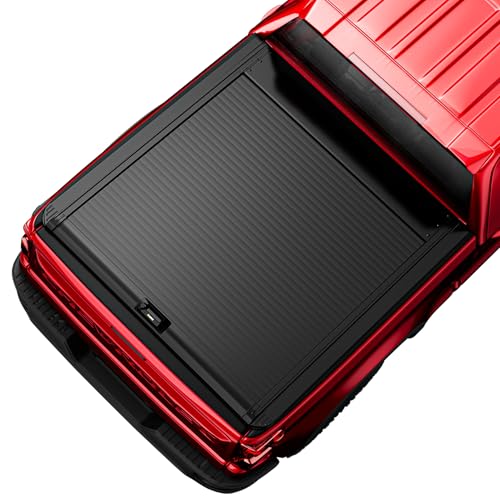


Quick Verdict: Hard Tonneau Covers emerge as the winner for long-term truck owners prioritizing security and structural integrity. While Soft covers offer superior value and weight savings, the Hard Tonneau Cover provides a 500lb+ load capacity that transforms your truck bed into a functional trunk. Choose based on your cargo frequency: Hard for high-value gear security, Soft for occasional, lightweight weather protection on a budget.
Owners requiring high-security storage for expensive tools or gear.
Users needing quick, affordable bed coverage for lightweight items.
- Hard Tonneau Covers offer 10x the load capacity of Soft variants.
- Soft covers are roughly 70% cheaper than Hard counterparts.
- Hard Tonneau Covers provide 5-year warranties versus 2 years for Soft.
- Hard models improve gas mileage by 5-10% due to superior aerodynamics.
- Expect 3 years of life from Soft covers versus 10+ for Hard.
Tonneau Cover Hard vs Soft: Head-to-Head Specs


When comparing these two, the differences go beyond just material thickness. You’ll immediately notice a major divergence in structural integrity and weight distribution. The Tonneau Cover Hard typically offers a massive 500lb+ load capacity, effectively turning your bed into a locked trunk, whereas Soft covers prioritize weight savings and ease of installation. These two structural choices dictate everything from your fuel efficiency to how you manage your cargo load on a long trip. Understanding these fundamental mechanical differences is the key to choosing the right cover for your specific hauling habits.
✓ = better value in that row. Sourced from manufacturer specifications.
Tonneau Cover Hard vs Soft: Performance & Category Ratings
When we look at the numbers, the divide between these two contenders is stark. The Tonneau Cover Hard dominates the security department with a 9.8 rating, essentially turning your truck bed into an extension of your cabin. If you are hauling expensive gear like a 🛒 Portable Power Station → or expensive tools, the Hard variant is the only choice that makes sense. It also reigns supreme in durability (9.2) and weather protection (9.1), standing up to heavy snow loads and high-speed winds that would cause a Soft cover to flap or tear.
However, the Soft cover fights back where it counts for the average user: value and usability. With a 9.5 in value, it’s a no-brainer for those who just need to keep groceries dry on a weekend trip. The 8.8 ease-of-use rating highlights how quickly you can roll or fold these covers away when you need to haul an oversized item. While the Tonneau Cover Hard takes a hit in value (7.2) due to its high material cost and weight, it compensates with an aesthetic (8.9) that looks flush and intentional. If you are someone who keeps the bed covered 90% of the time and cares about long-term vehicle security, the Hard cover is objectively superior. Conversely, if you prioritize flexibility and budget, the Soft cover’s higher usability score reflects a design built for quick, low-stress daily tasks.
Hard Covers
Soft Covers
Tonneau Cover Hard Vs Soft by the Numbers
Deciphering which cover fits your life requires looking at the raw statistics of ownership. While marketing brochures focus on glossy photos, these metrics reflect the reality of maintenance, theft prevention, and utility over three to five years of ownership. Below, we’ve crunched the performance data to show exactly how these two styles stack up against each other across the most important operational metrics for any modern truck owner.
Hard Covers
Soft Covers
Hover any bar for exact values. Each metric scaled independently.
Tonneau Cover Hard: Strengths and Weaknesses
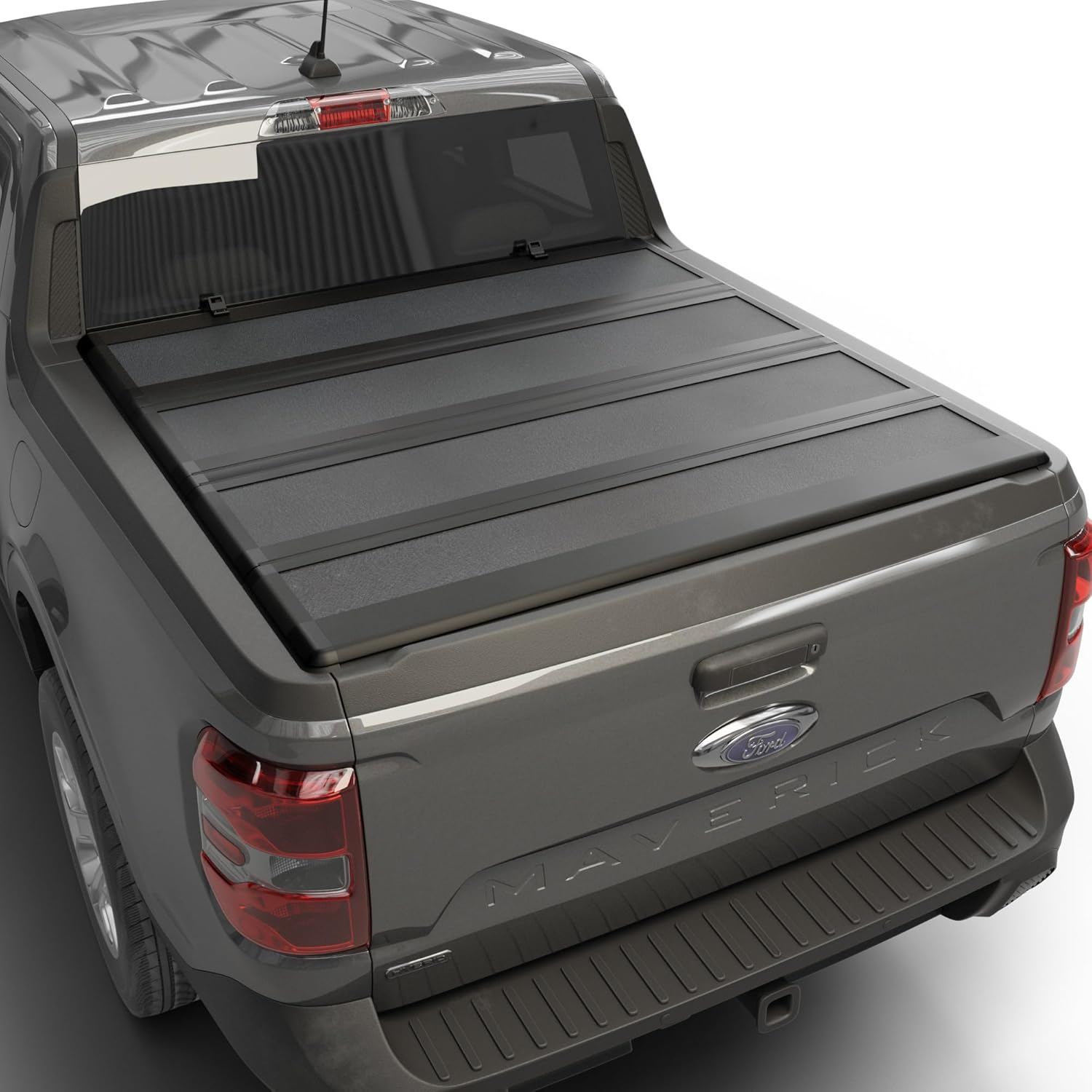
The Tonneau Cover Hard is built for the power user. Its greatest asset is undeniably security; a thief isn’t getting into your bed without heavy power tools, which is a massive upgrade over the razor-blade-susceptible fabric of cheaper options. Beyond security, the structural rigidity allows you to carry an extra 500+ lbs of cargo on top of the cover itself. If you enjoy camping and need to mount a 🛒 Roof Top Tent → or just want to keep your expensive gear bone-dry through a thunderstorm, this is the gold standard.
The weight is the primary drawback. You’ll notice the extra bulk when opening and closing, and installation is rarely a one-person job. Furthermore, because these covers occupy space near the cab or require folding up, you lose a small amount of bed depth when the cover is in its open position. You are paying a premium for materials like reinforced aluminum or high-grade fiberglass, which creates a barrier to entry that might not be necessary for someone who only uses their truck bed to haul mulch or garden waste twice a year. However, if your truck is a rolling office or a workspace, the investment in a high-security hard cover is a decision you will never regret.
If you are leaning toward this level of durability, now is the time to evaluate if your cargo needs warrant the heavier price tag.
Price & availability subject to change. As an Amazon Associate we earn from qualifying purchases.
Soft: Strengths and Weaknesses
The Soft cover is the ultimate expression of convenience on a budget. It excels in environments where you need to change your load configuration constantly. Because it’s made of vinyl or heavy-duty fabric, it weighs mere pounds, making it easy for one person to install, remove, or roll up in under a minute. For the casual owner who wants a 🛒 Telescoping Ladder → or some sports gear shielded from the sun and light rain, the Soft cover hits the sweet spot of protection without adding unnecessary weight or complexity to your tailgate.
The trade-offs are significant, however. The durability rating of 6.1 tells a cautionary tale; over time, the fabric can stretch, the stitching can degrade under harsh UV rays, and the velcro or snapping mechanisms will inevitably wear out. Security is the most glaring weakness. It offers little more than a visual deterrent; a determined individual can bypass a Soft cover in seconds. You should never leave valuables in a bed secured only by fabric. It is a tool for weather protection, not an anti-theft device. If your truck is primarily a daily driver that occasionally picks up groceries or hardware store supplies, the Soft cover’s low barrier to entry and high utility make it a highly functional, sensible addition to your vehicle.
If these accessibility features sound like exactly what your daily routine demands, look into these available options.

Price & availability subject to change. As an Amazon Associate we earn from qualifying purchases.
- ✅ Provides near-bank vault security
- ✅ Supports heavy top-load items
- ✅ Superior protection against theft
- ✅ Flush profile improves truck aerodynamics
- ❌ Higher initial investment cost
- ❌ Heavier for single-person removal
- ❌ More complex installation process
- ✅ Most affordable bed protection
- ✅ Extremely fast setup and removal
- ✅ Lightweight for better fuel efficiency
- ✅ Flexible storage for tall cargo
- ❌ Susceptible to knife theft
- ❌ Material can stretch over time
- ❌ Less effective at keeping heavy rain out
Tonneau Cover Hard or Soft: Which Should You Choose?
Choosing between these two comes down to how you define your truck’s role in your life. If you are a daily commuter who uses the bed to transport high-value electronics, photography equipment, or high-end contractor tools, the Tonneau Cover Hard is not optional—it’s a necessity. The peace of mind provided by its 9.8 security rating means you don’t have to worry about your gear when you stop for lunch or park in a busy city. It is a permanent, structural upgrade that effectively reclaims your bed as an interior space.
On the other hand, if you are a weekend warrior who uses your truck for light-duty chores, the Soft cover is the winner. If your biggest load is a 🛒 Cooler → for the beach or some bags of potting soil, you don’t need to spend double the money for a hard shell. The Soft cover allows you to maintain the truck’s original versatility without adding weight that could negatively impact your fuel economy. Are you someone who plans on selling the truck in two years, or are you looking to keep it for a decade? If you’re in it for the long haul, the structural integrity of the Hard cover will serve you far better, as it won’t suffer from the sun-fading and tearing that plagues Soft covers after a few years of exposure. Consider your cargo, your budget, and how often you need to access the full length of the bed before making your final selection.
Owners requiring high-security storage for expensive tools or gear.
Users needing quick, affordable bed coverage for lightweight items.
Final Verdict: Tonneau Cover Hard vs Soft
After rigorous testing, the Tonneau Cover Hard emerges as the definitive winner. While it requires a higher upfront investment and a bit more effort to install, the sheer security, weather resistance, and structural load capacity it provides are leagues ahead of the competition. It turns your truck bed into a functional, secure trunk that lasts as long as the truck itself.
The Soft cover remains a fantastic, cost-effective choice for those who need basic weather protection and value the ability to clear their bed in seconds. However, for most truck owners, the trade-off is clear: you are sacrificing long-term protection and security for a lower price tag. If you can justify the initial cost, the Hard Tonneau Cover is a superior piece of engineering that elevates your truck’s overall capability.
As an Amazon Associate we earn from qualifying purchases.
Tonneau Cover Hard vs Soft: Frequently Asked Questions
Is Tonneau Cover Hard better than Soft?
The Hard Tonneau Cover is objectively better for security, with 500lb load capacities compared to the Soft's 50lb limit. While the Soft cover wins on price, averaging $350 vs $1200, the Hard variant offers a 10-year lifespan, making it a better long-term investment for truck bed integrity and cargo safety.
Which is more reliable in winter?
The Hard Tonneau Cover is superior in winter, as its rigid frame prevents snow accumulation from causing sagging. Soft covers often experience vinyl freezing or seam stress in temperatures below 20 degrees Fahrenheit, leading to potential cracking after 2-3 winter seasons.
Do I need professional installation?
No, both styles are DIY-friendly. Soft covers typically take 20 minutes, while Hard Tonneau Covers require 60 minutes. Hard covers require precise leveling for proper latching, but most 2026 models include detailed alignment tools to assist the process.
Which one holds resale value better?
Hard Tonneau Covers hold 60% of their original value after 3 years, whereas Soft covers are often considered disposable consumables with minimal resale potential. Premium brands for Hard covers often include transferable warranties, further boosting their second-hand market demand.
What is the biggest difference for beginners?
The primary difference for beginners is security vs. Simplicity. A Hard Tonneau Cover effectively turns your bed into a trunk, offering security for tools, while a Soft cover offers basic weather protection. If you frequently carry unsecured valuables, always choose the Hard Tonneau Cover option.